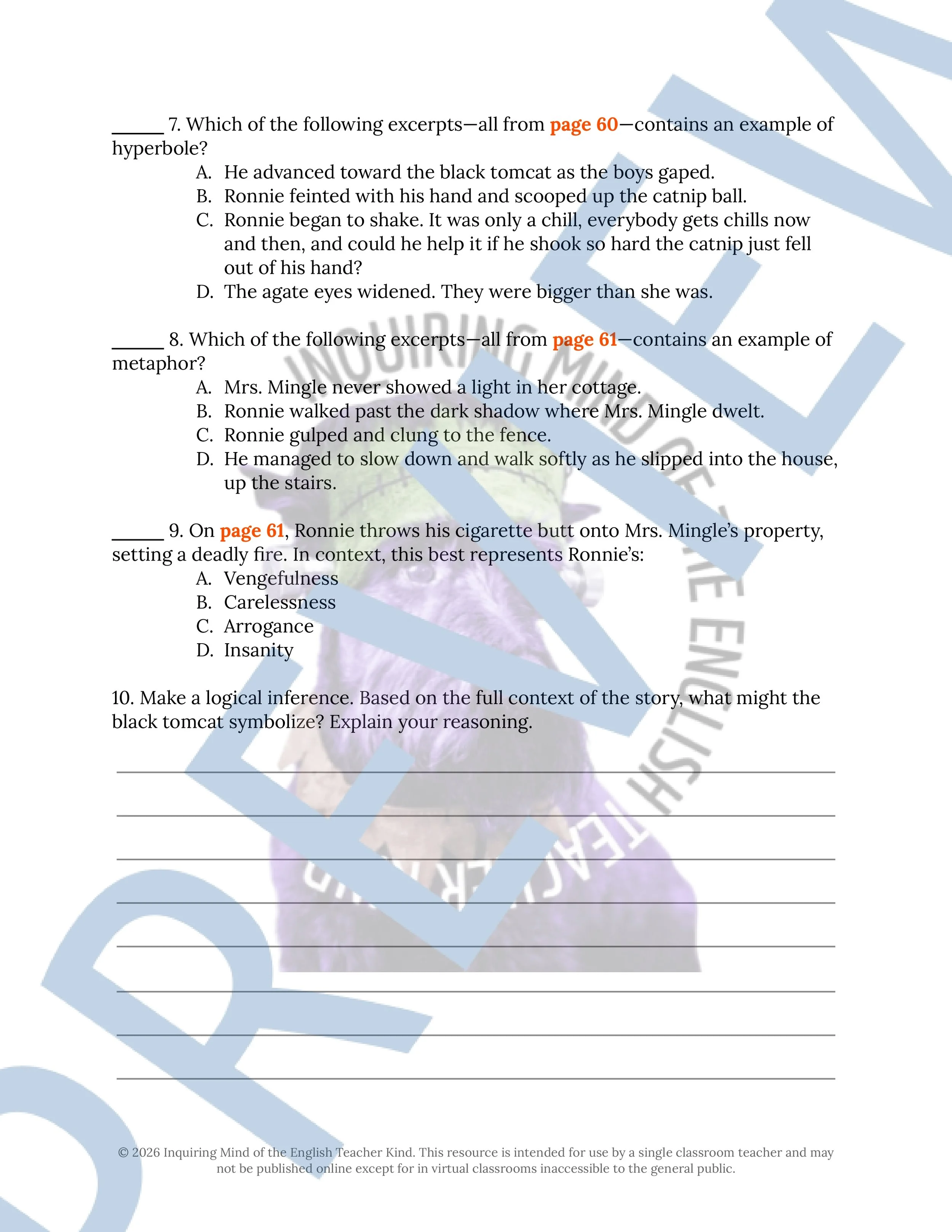
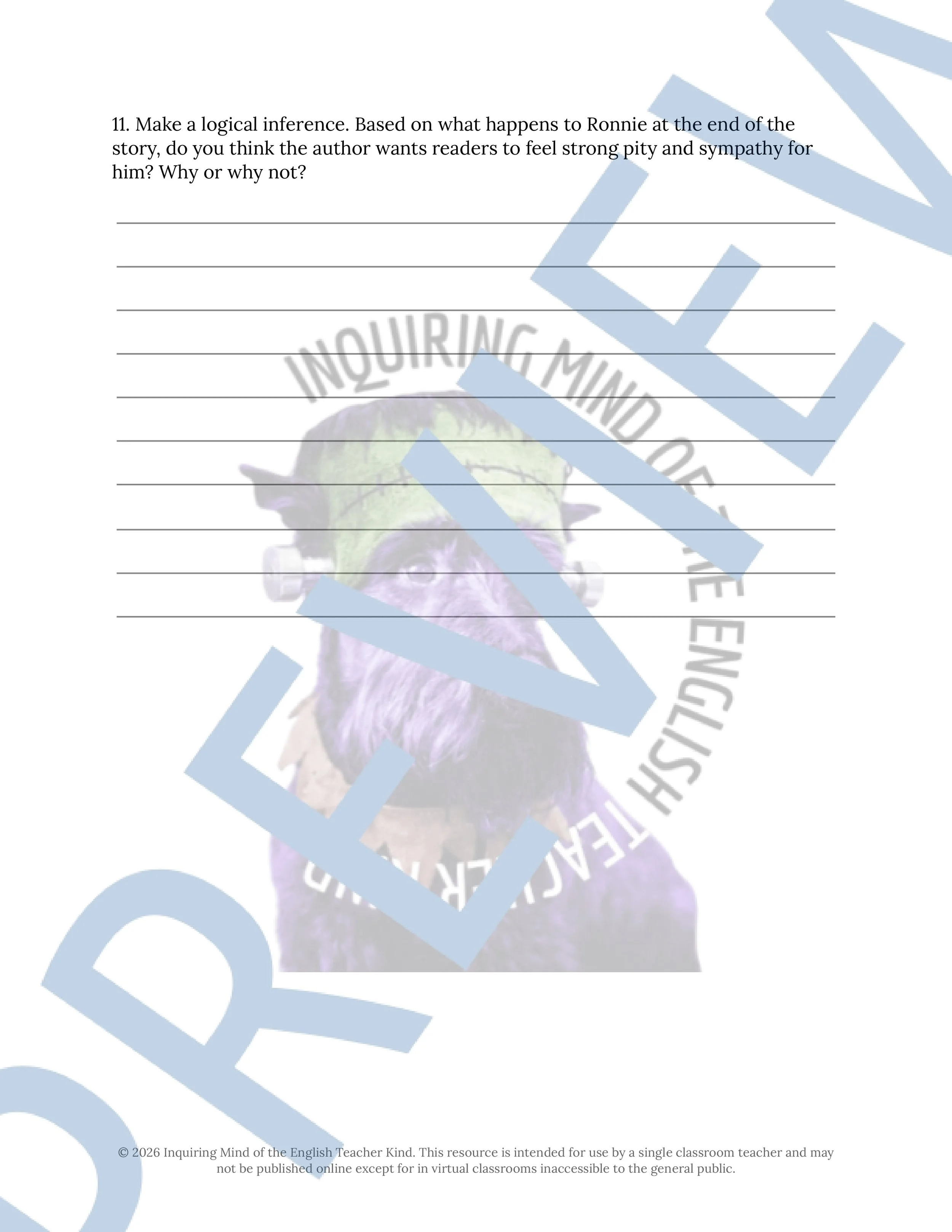
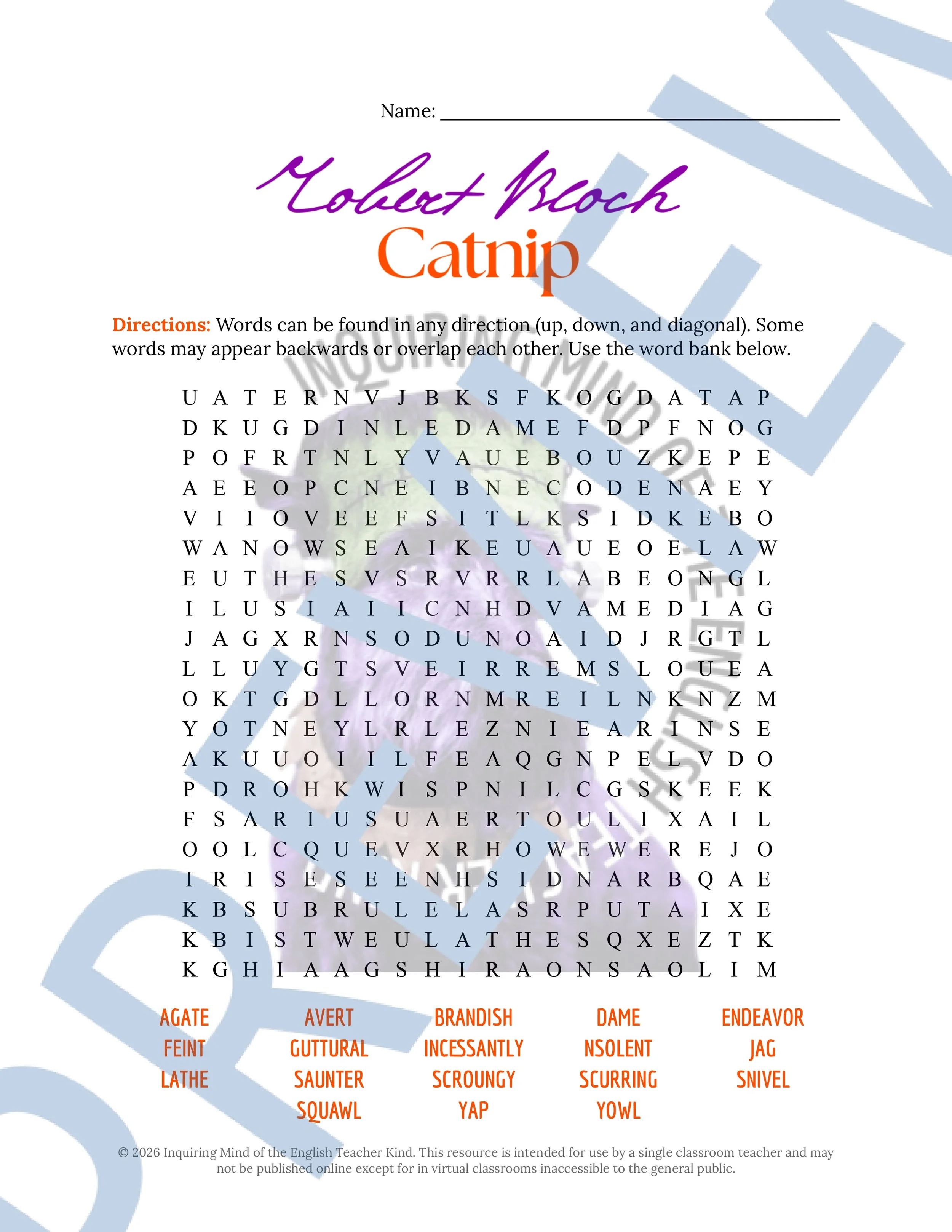
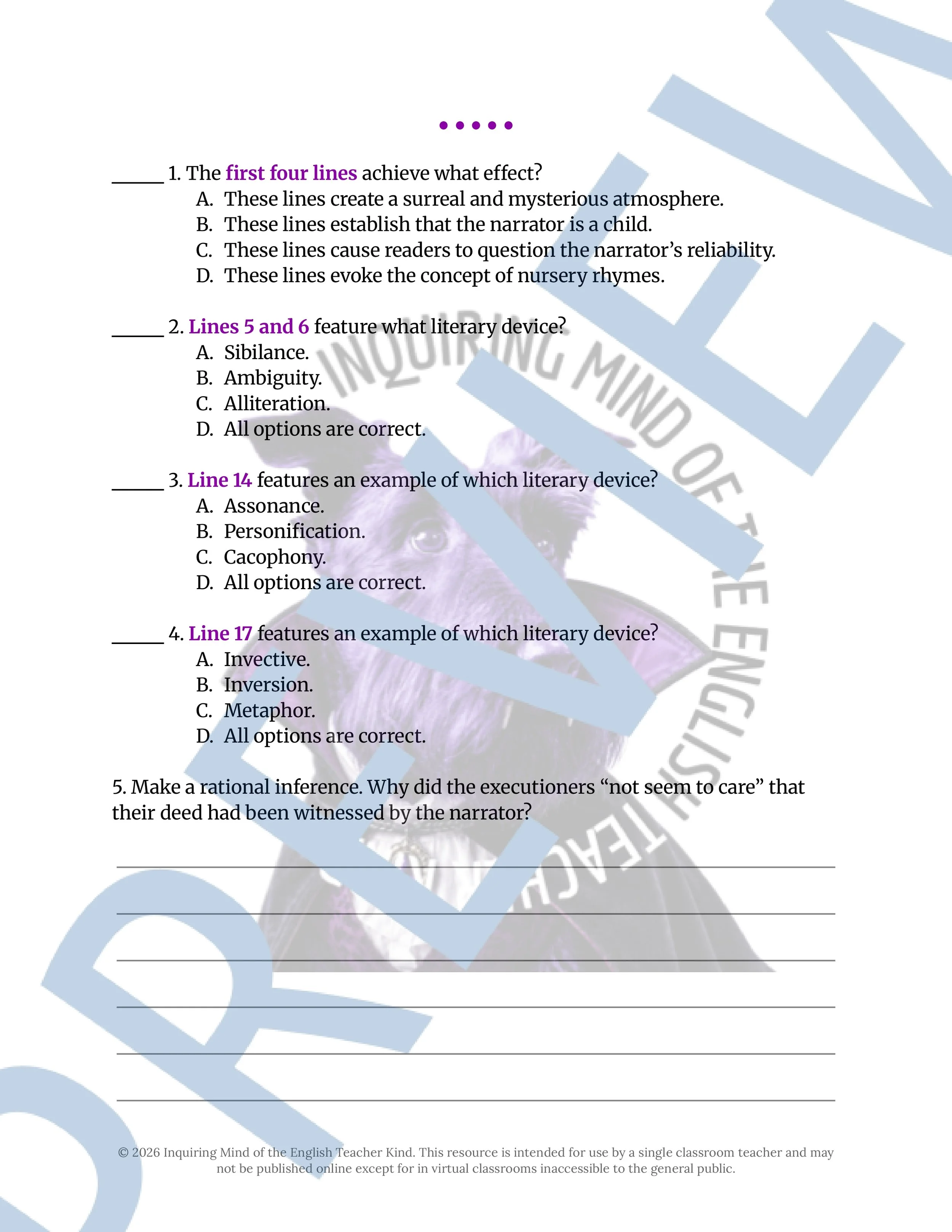
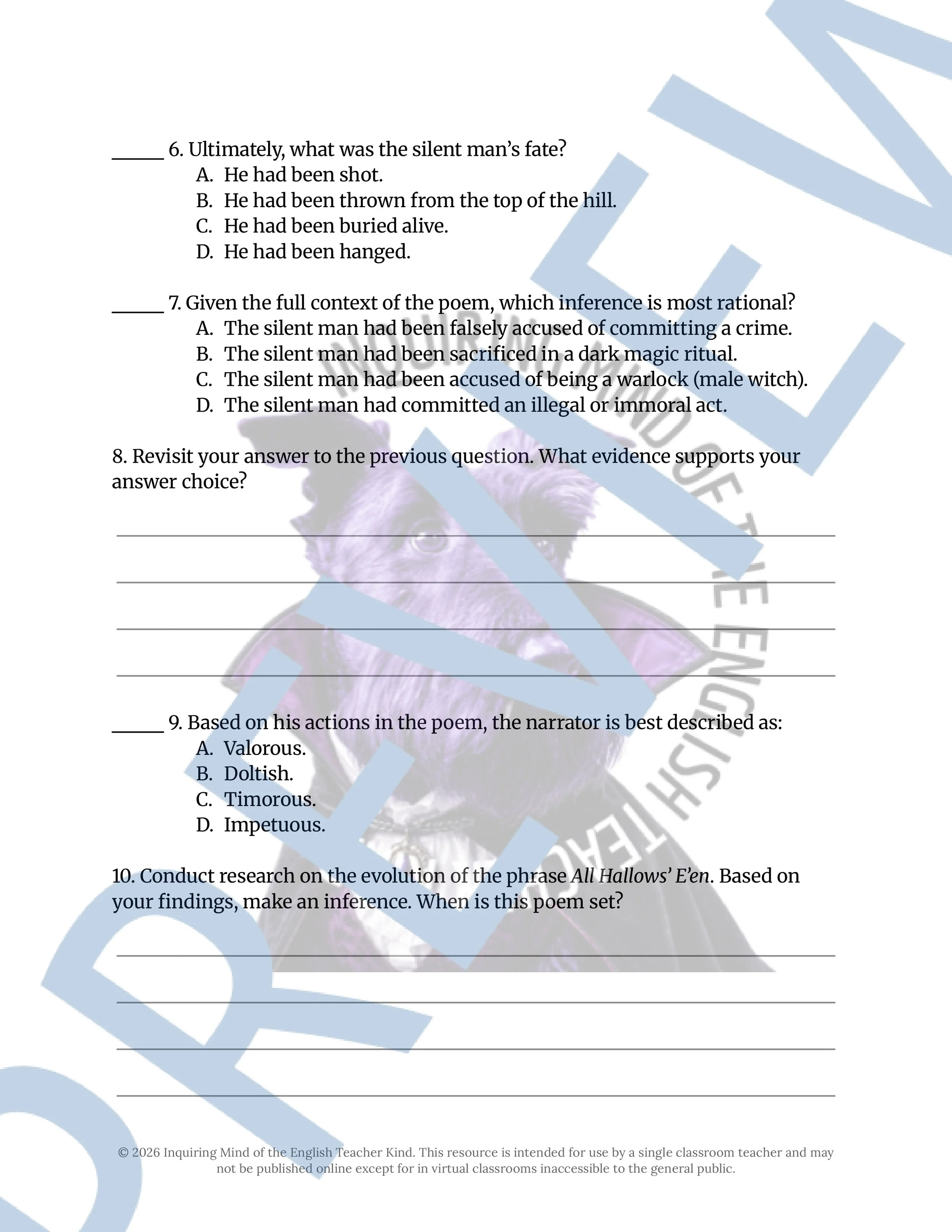
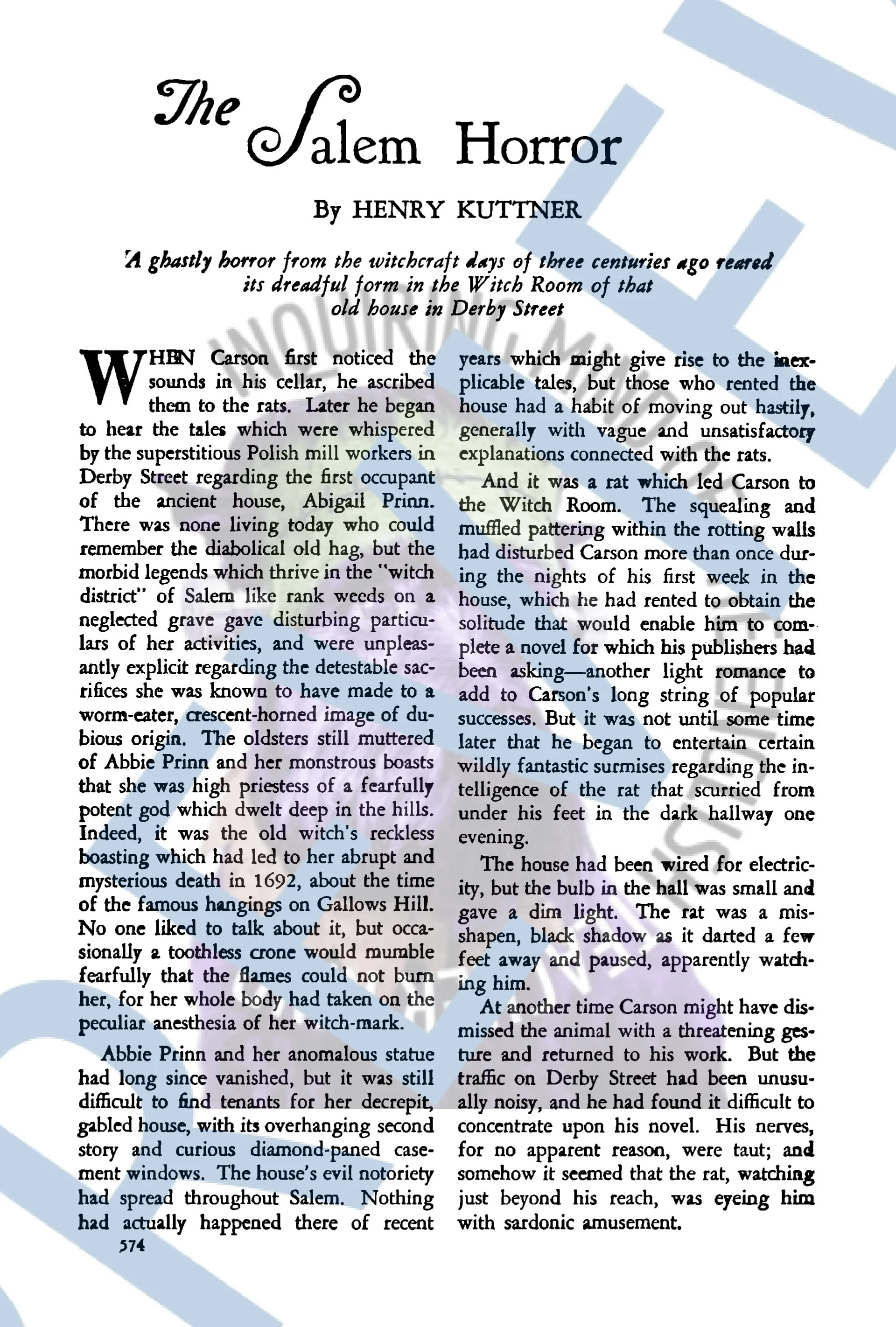
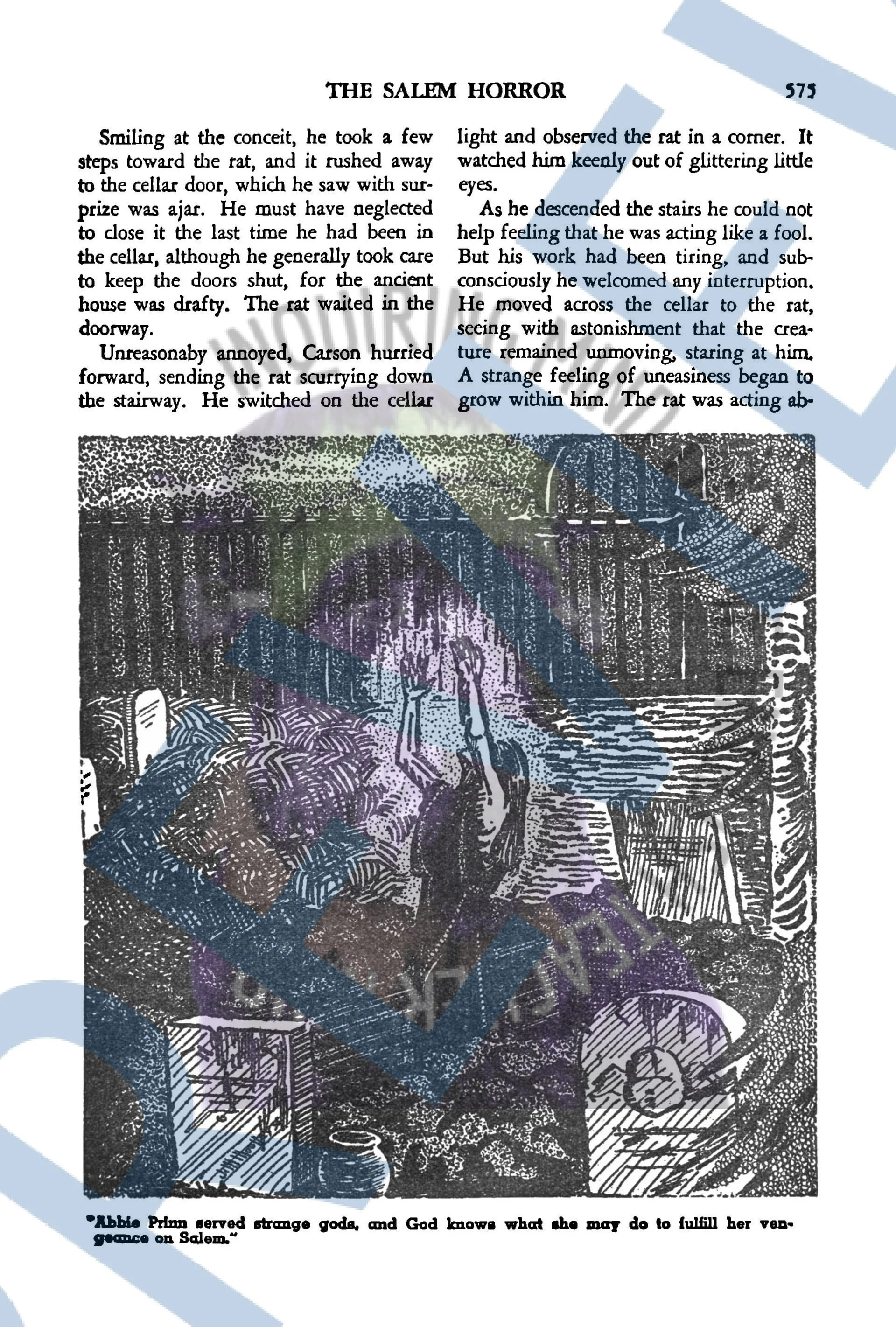
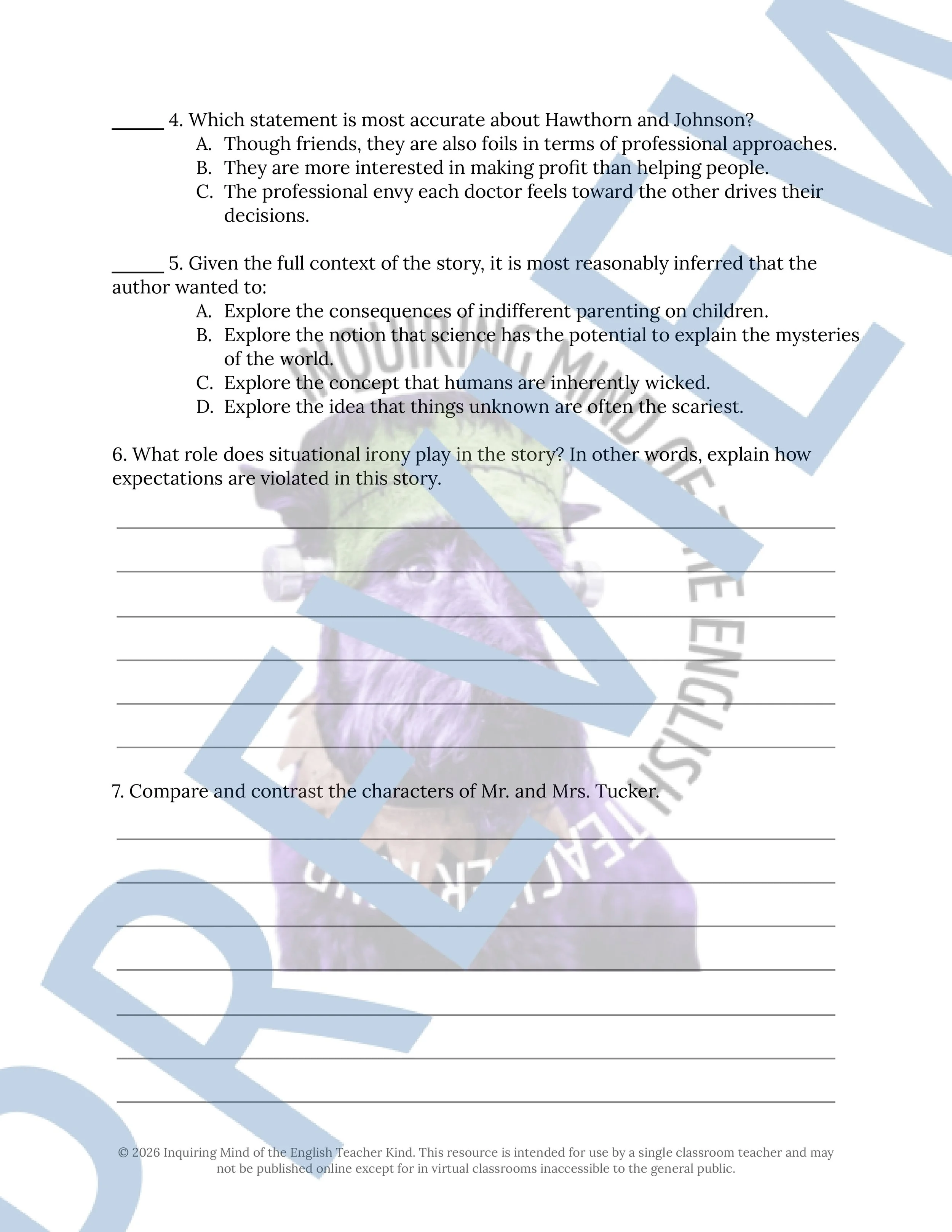
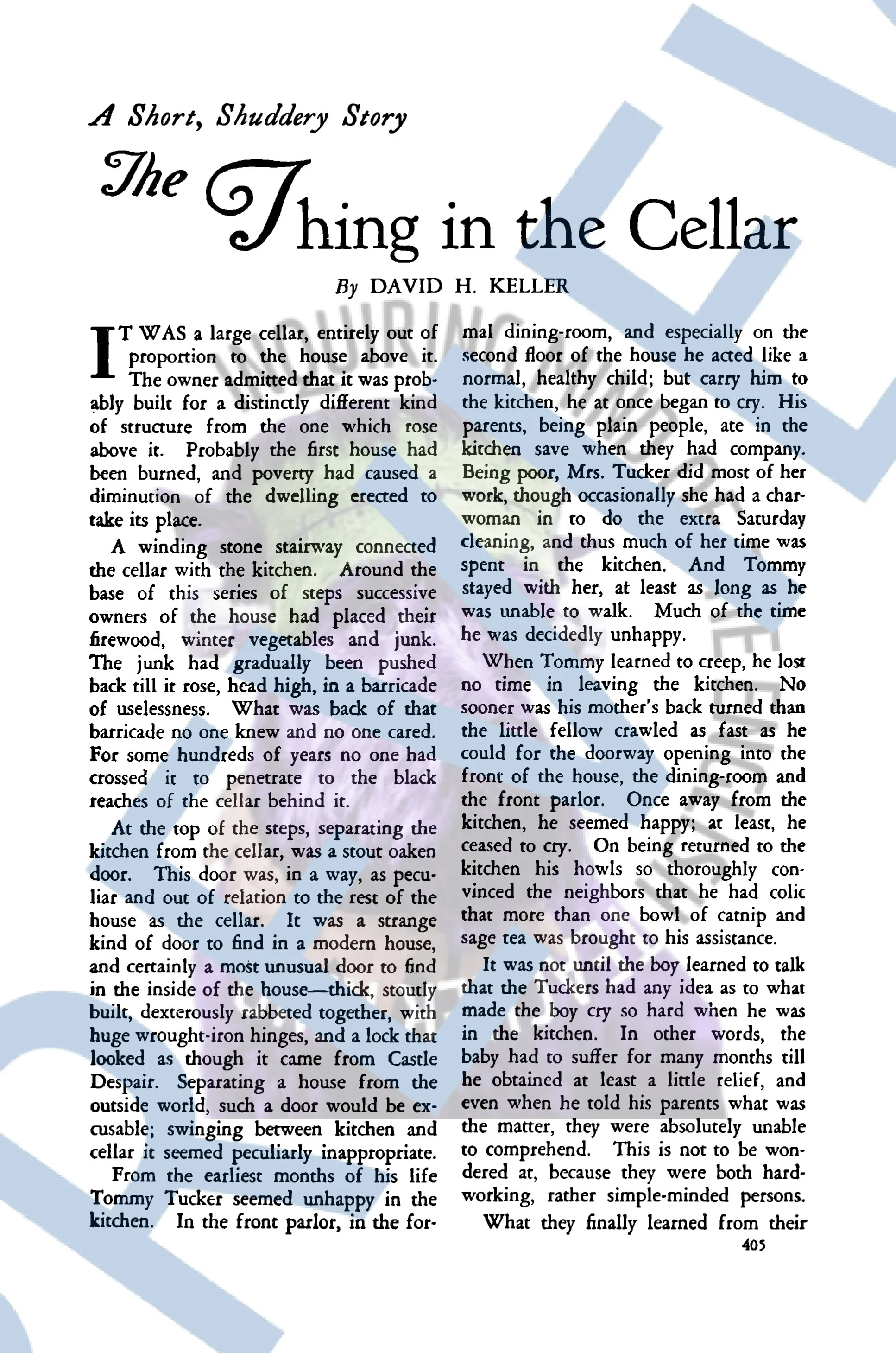
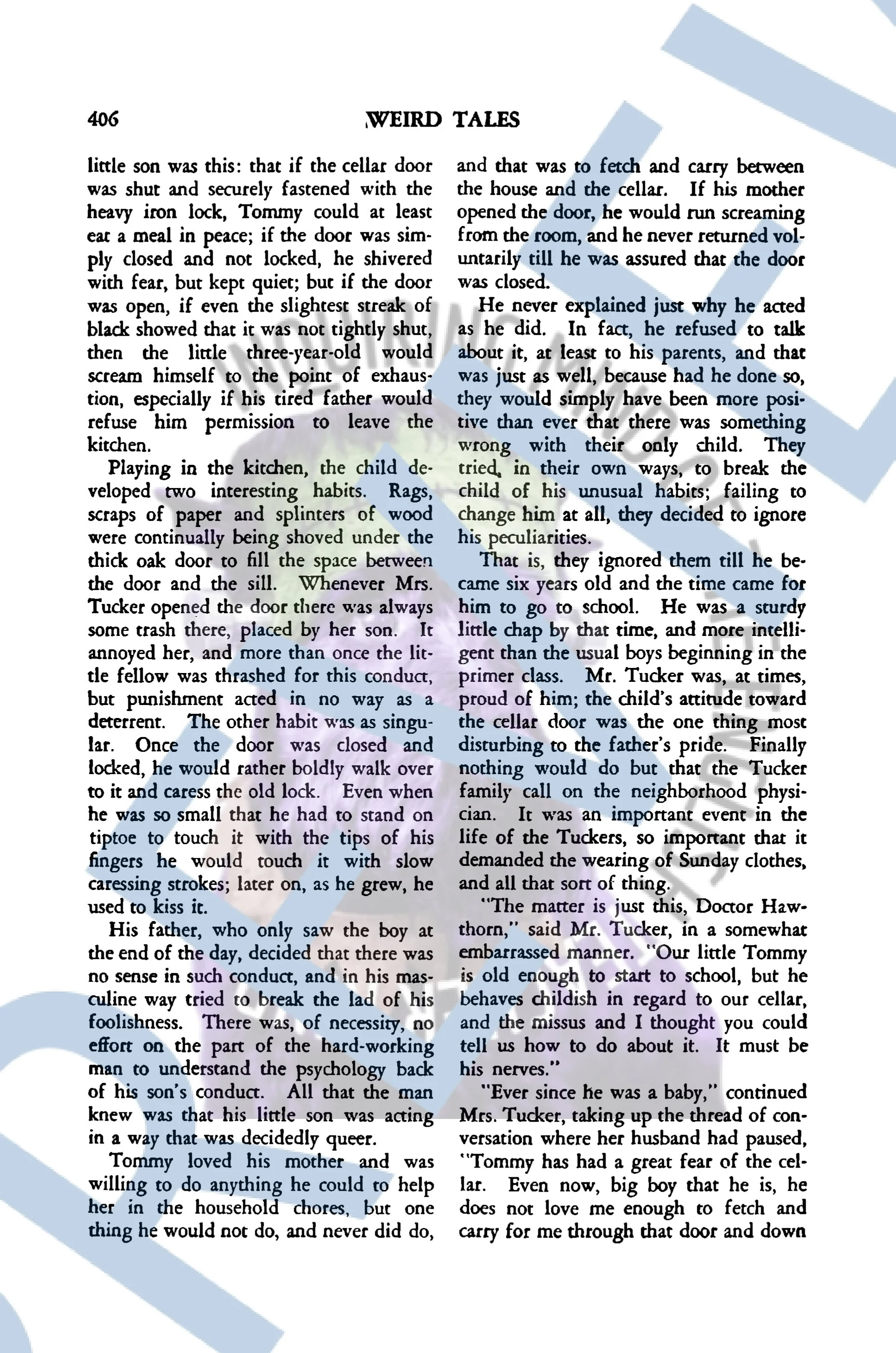
Ideal for units on Gothic poetry with supernatural cryptid elements (especially during fall/autumn and Halloween), this poem analysis worksheet helps high school readers interpret "Wolf" by A. Leslie, a piece originally published in Weird Tales about a werewolf beast whose body imprisons a human soul that had been cursed. An answer key is included. By engaging with this poetry activity, students will:
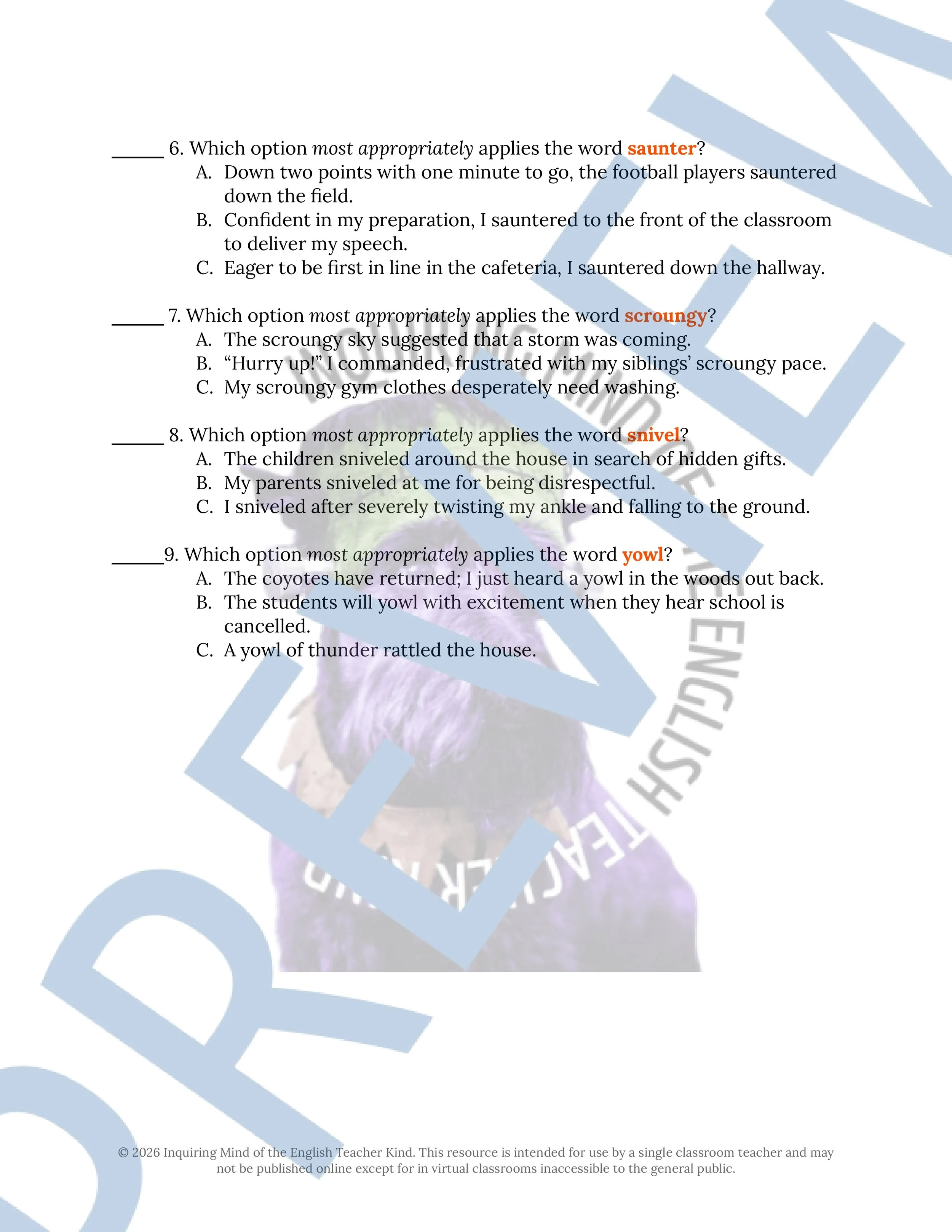
Define complex words as they are used in the text (e.g., ravished).
Interpret metaphorical language in context (e.g., "the arts" and "voice like the toll of a funeral bell").
Identify the function of given details (e.g., "thews of steel, and velvet paws" and "the shadow of the stars").
Identify the antecedent of a pronoun in context.
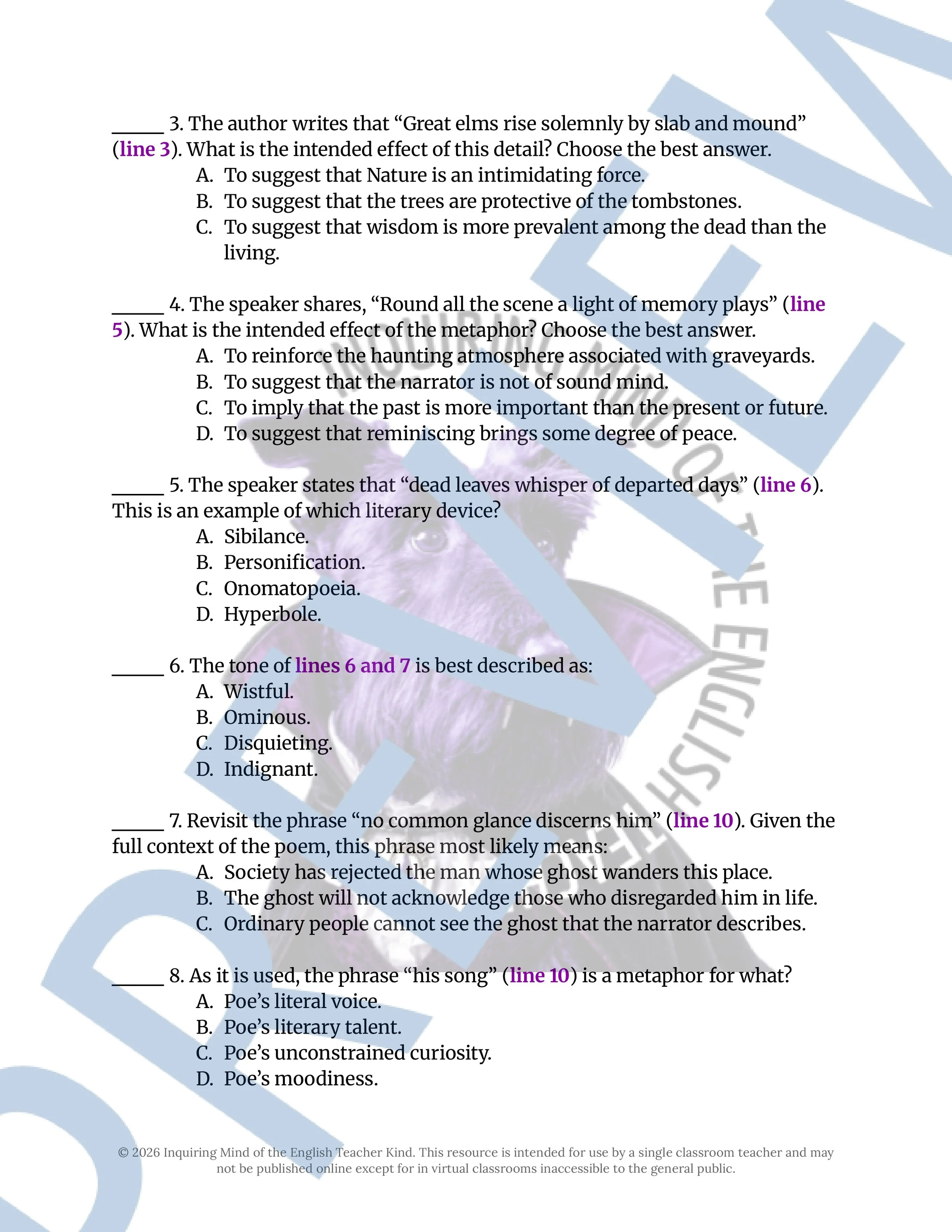
Apply knowledge of literary devices (e.g., euphemism, hyperbole, metaphor, oxymoron, personification, and more).
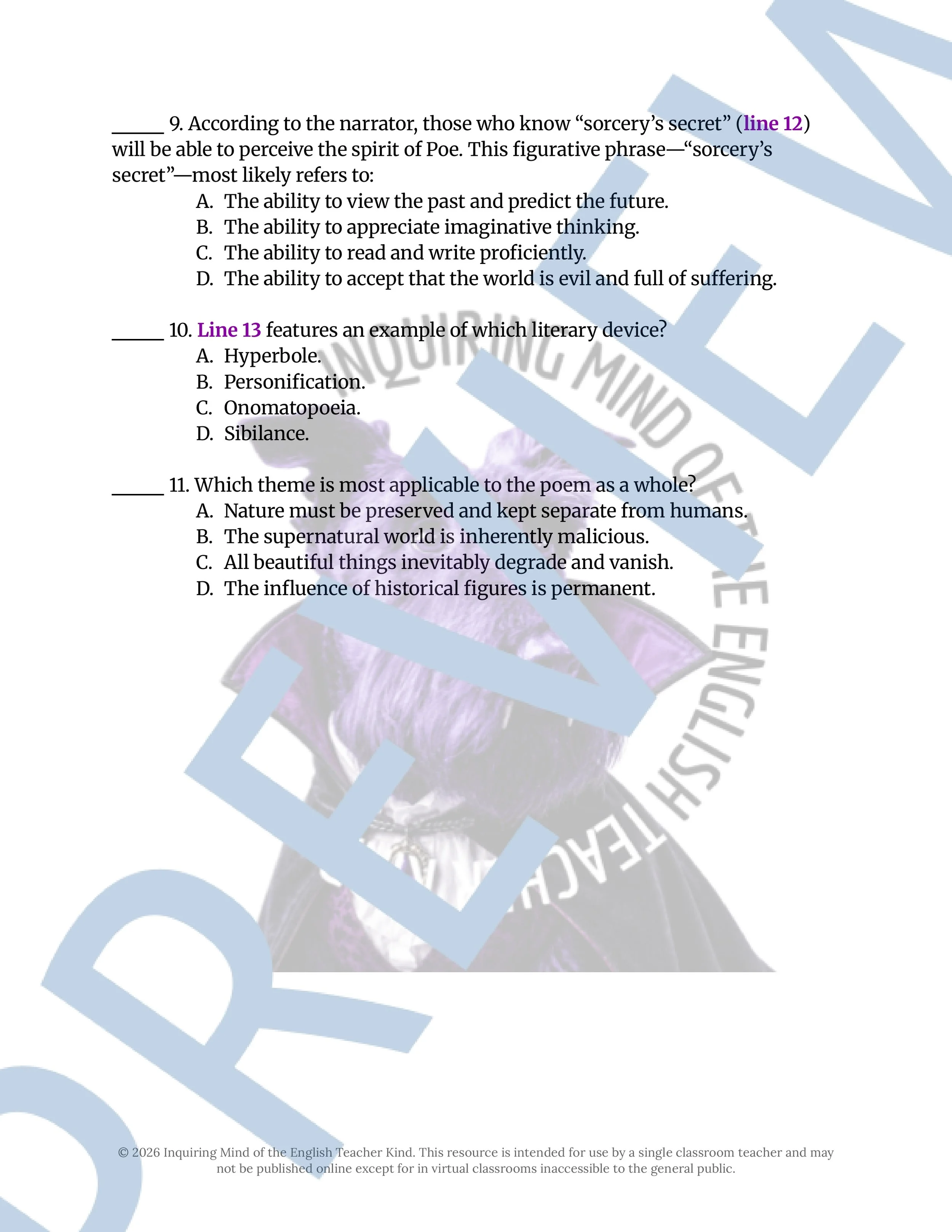
Articulate themes in context (e.g., what the poem suggests about the influence of evil).
Materials are delivered in editable Word Document and printable PDF formats. (Alternatively, a Google option is available.)
More resources for the Halloween season are available:
Ideal for units on Gothic poetry with supernatural cryptid elements (especially during fall/autumn and Halloween), this poem analysis worksheet helps high school readers interpret "Wolf" by A. Leslie, a piece originally published in Weird Tales about a werewolf beast whose body imprisons a human soul that had been cursed. An answer key is included. By engaging with this poetry activity, students will:
Define complex words as they are used in the text (e.g., ravished).
Interpret metaphorical language in context (e.g., "the arts" and "voice like the toll of a funeral bell").
Identify the function of given details (e.g., "thews of steel, and velvet paws" and "the shadow of the stars").
Identify the antecedent of a pronoun in context.
Apply knowledge of literary devices (e.g., euphemism, hyperbole, metaphor, oxymoron, personification, and more).
Articulate themes in context (e.g., what the poem suggests about the influence of evil).
Materials are delivered in editable Word Document and printable PDF formats. (Alternatively, a Google option is available.)
More resources for the Halloween season are available:

 Image 1 of 4
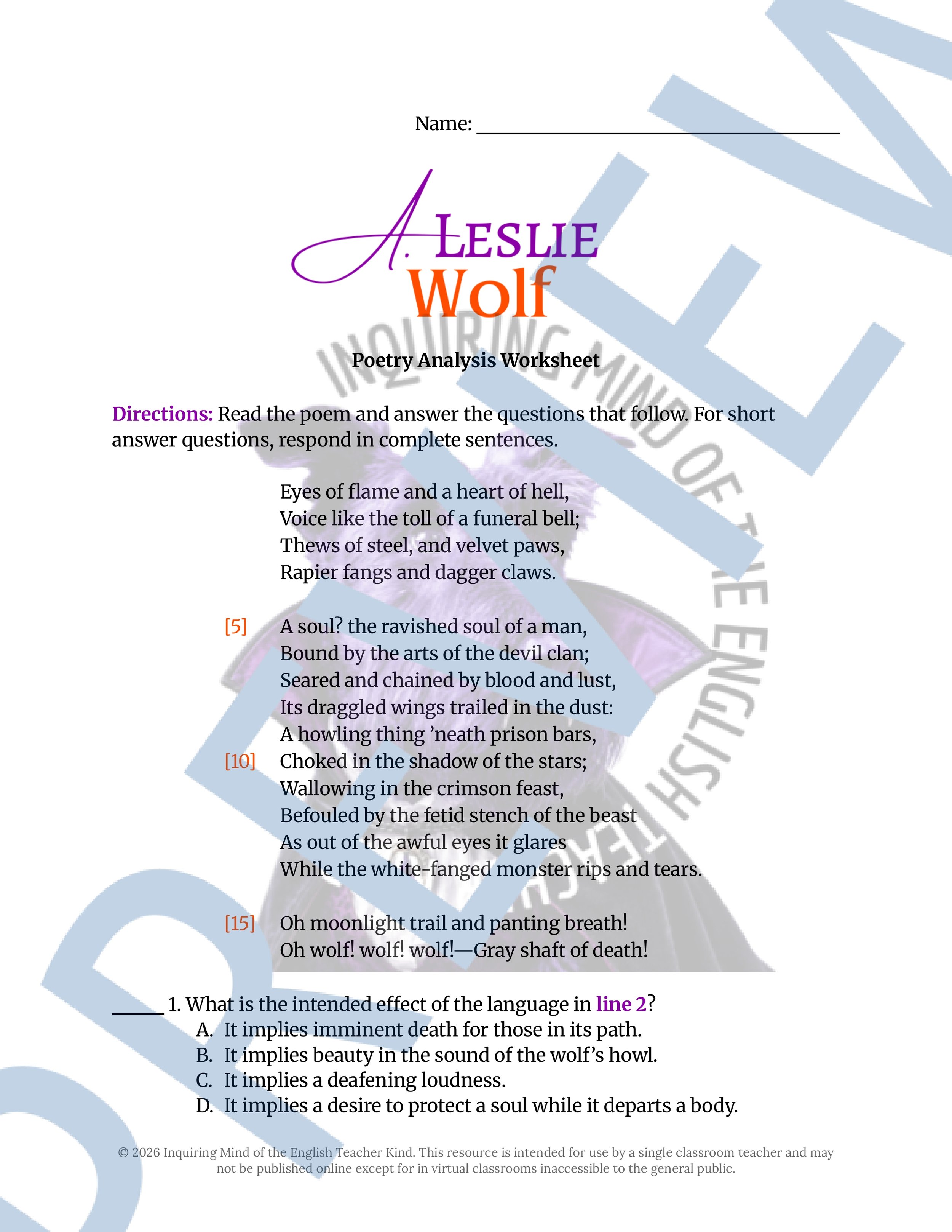 Image 2 of 4
 Image 3 of 4
 Image 4 of 4