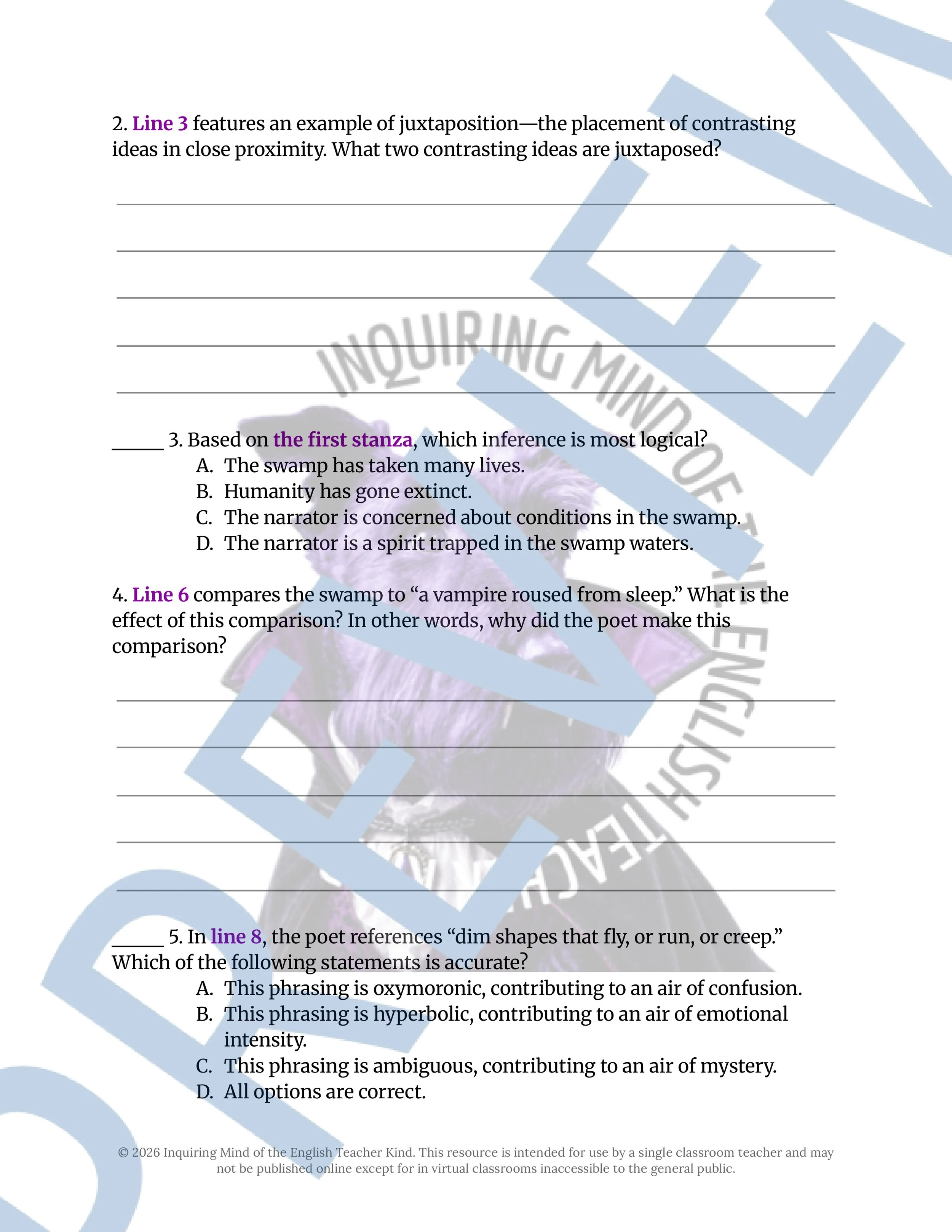
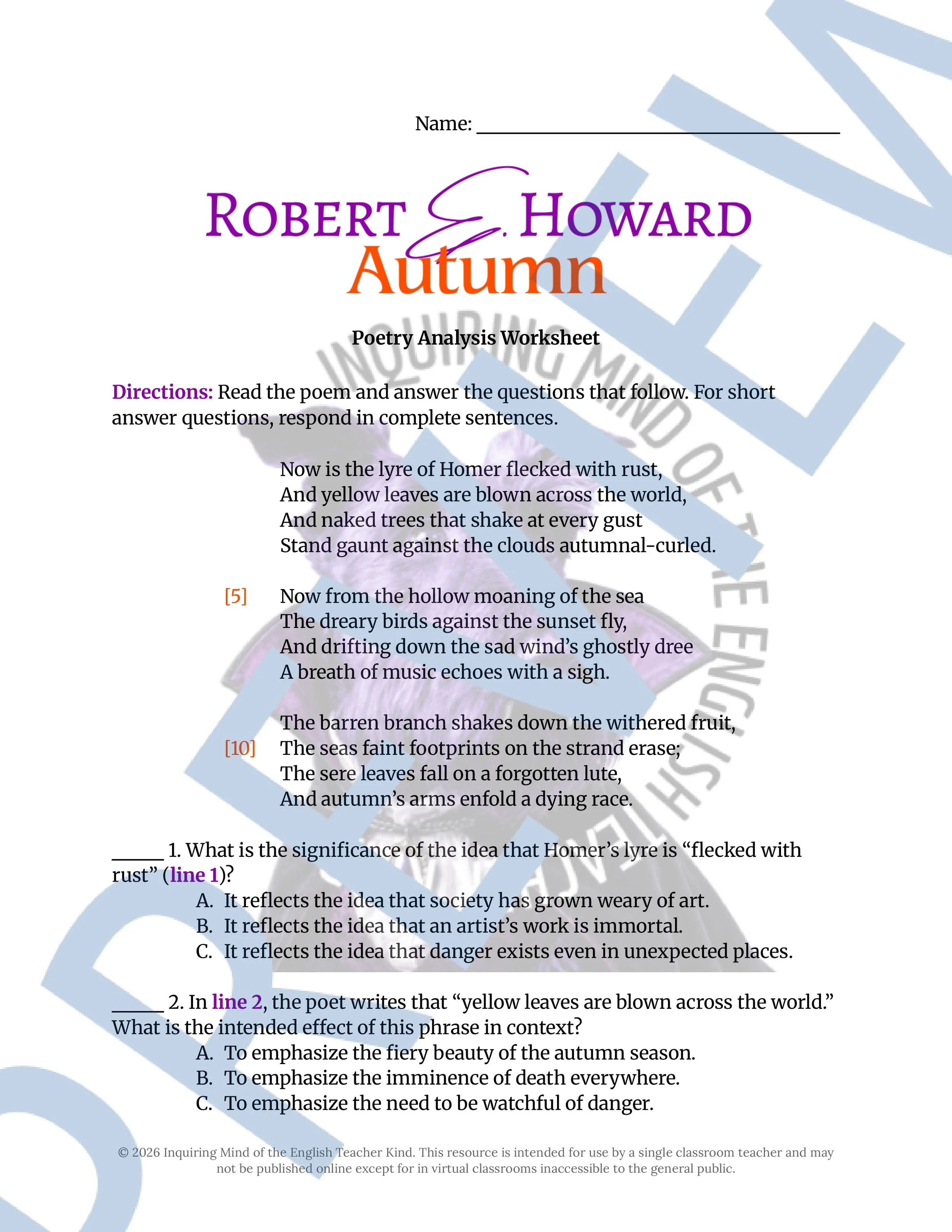
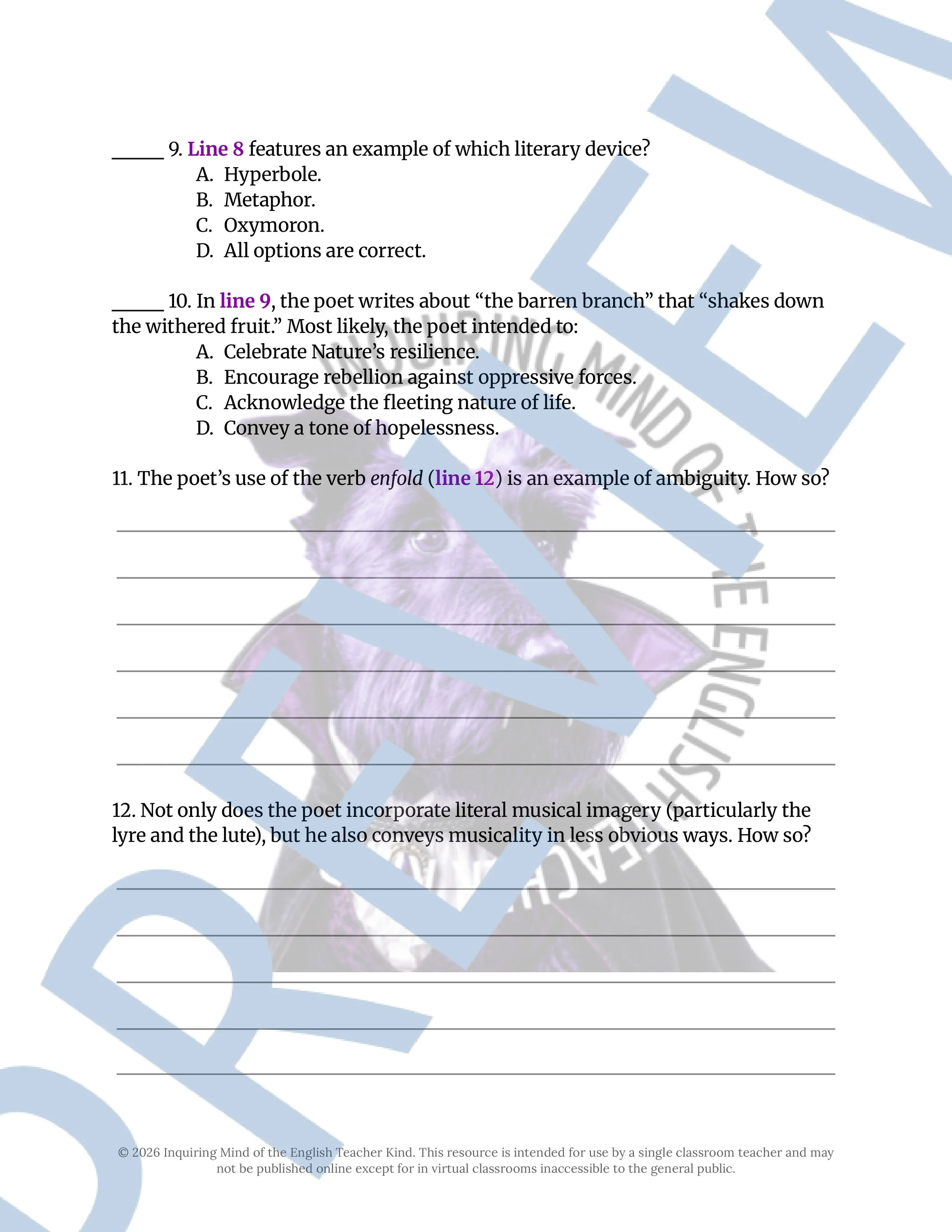
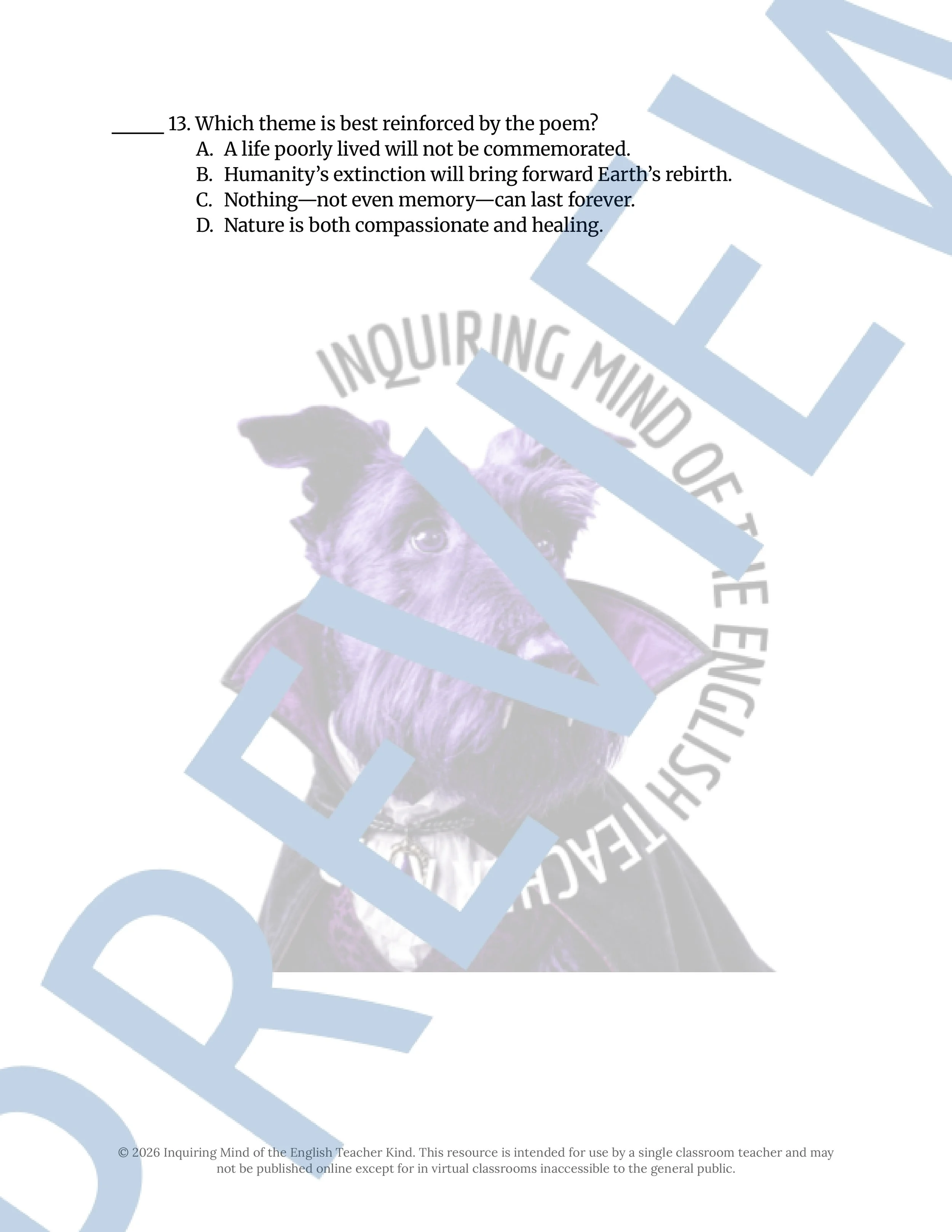
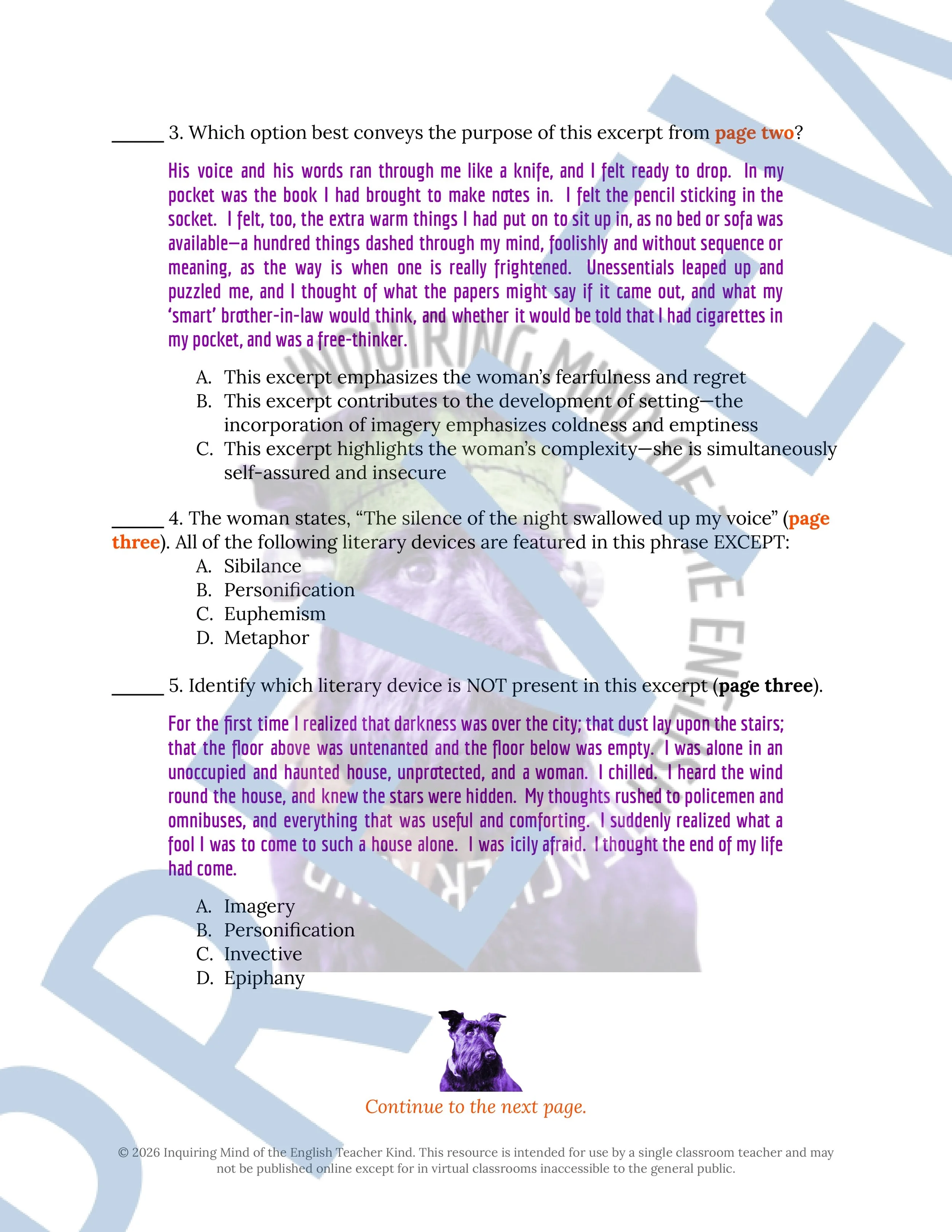
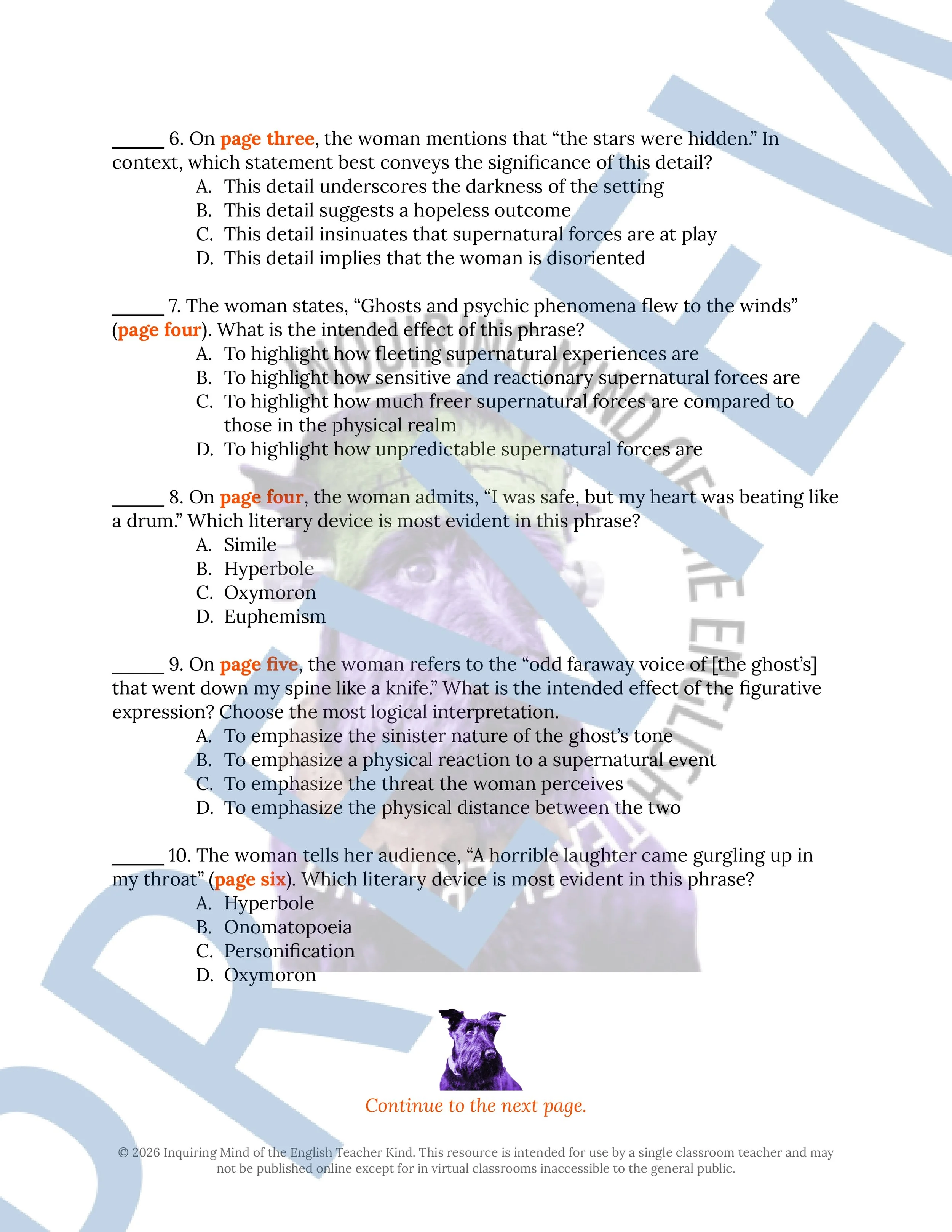
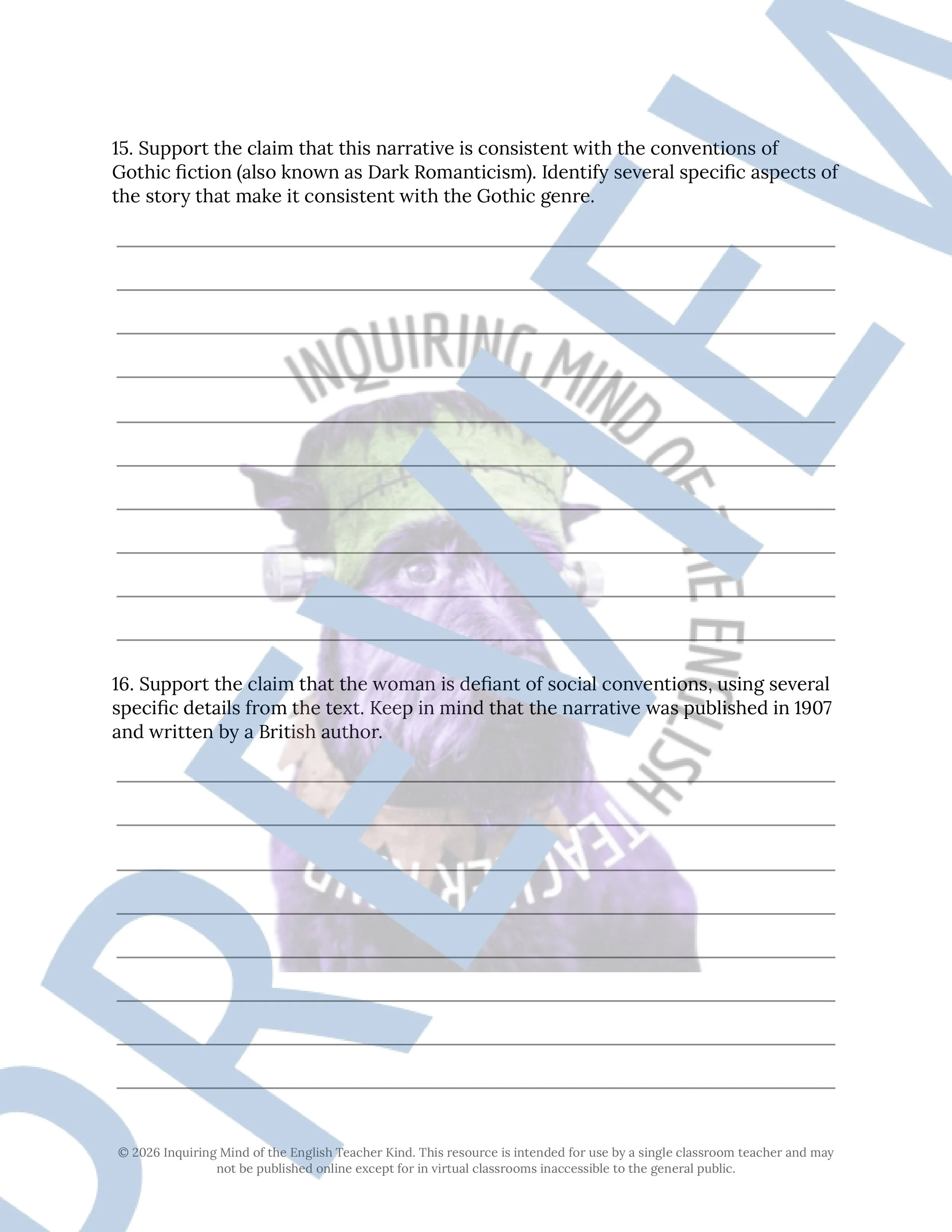
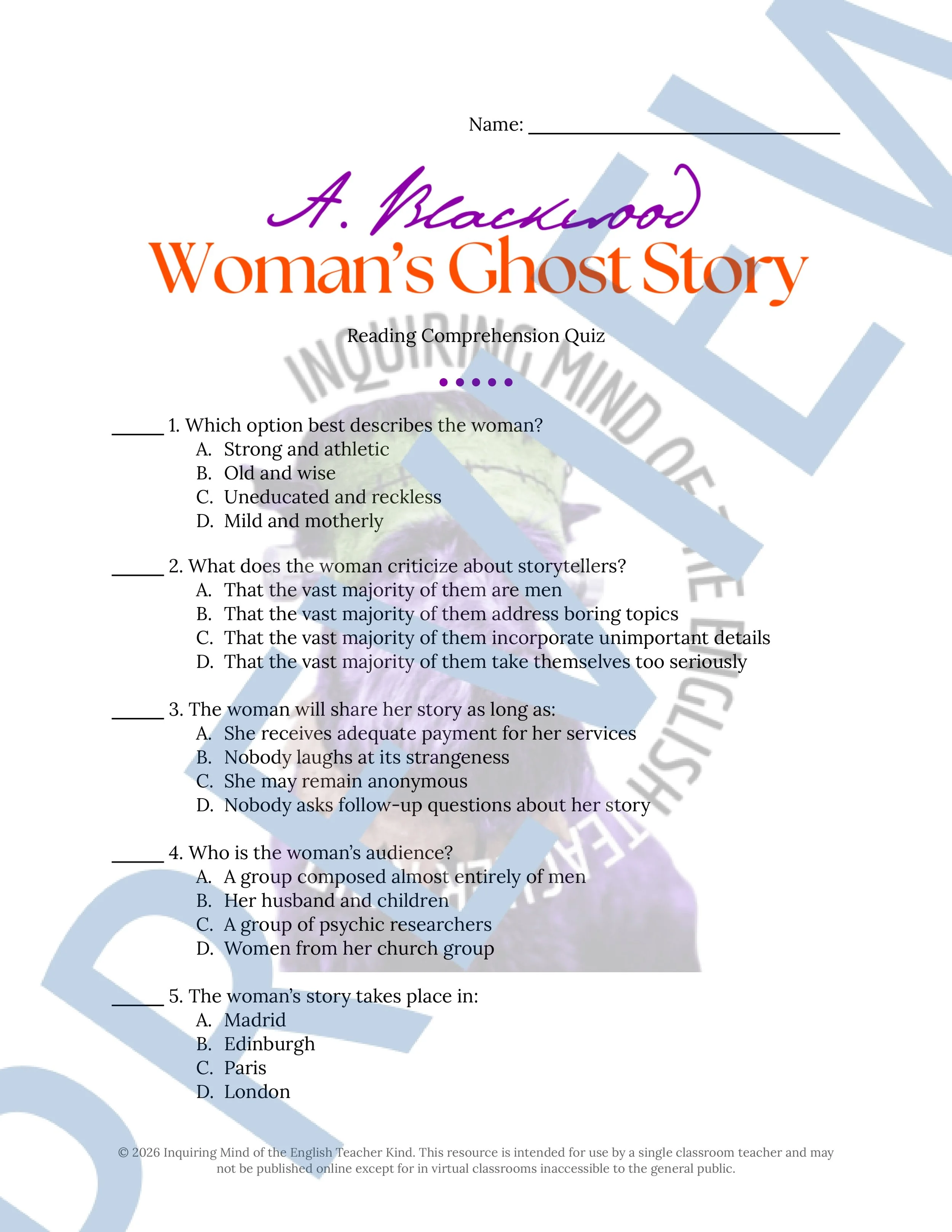
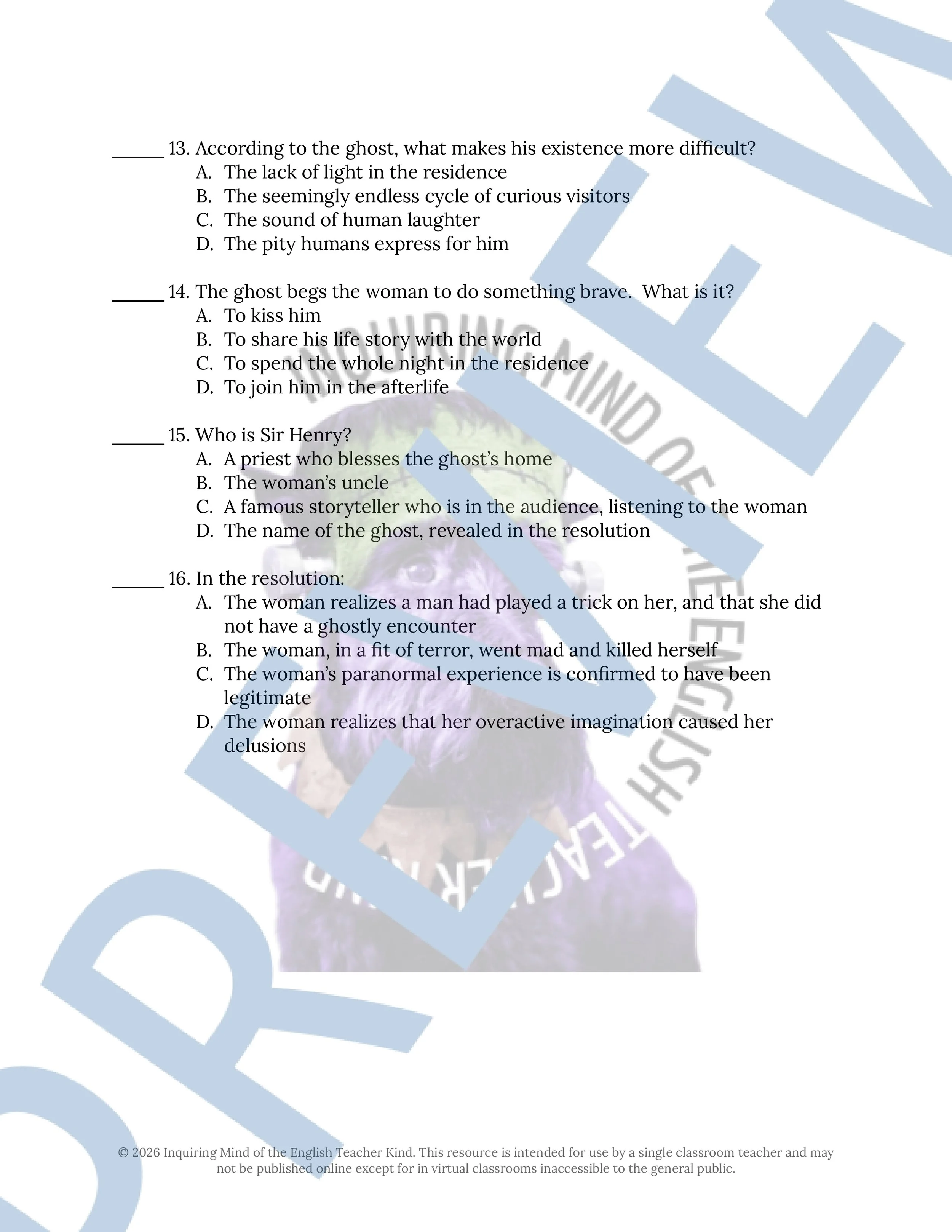
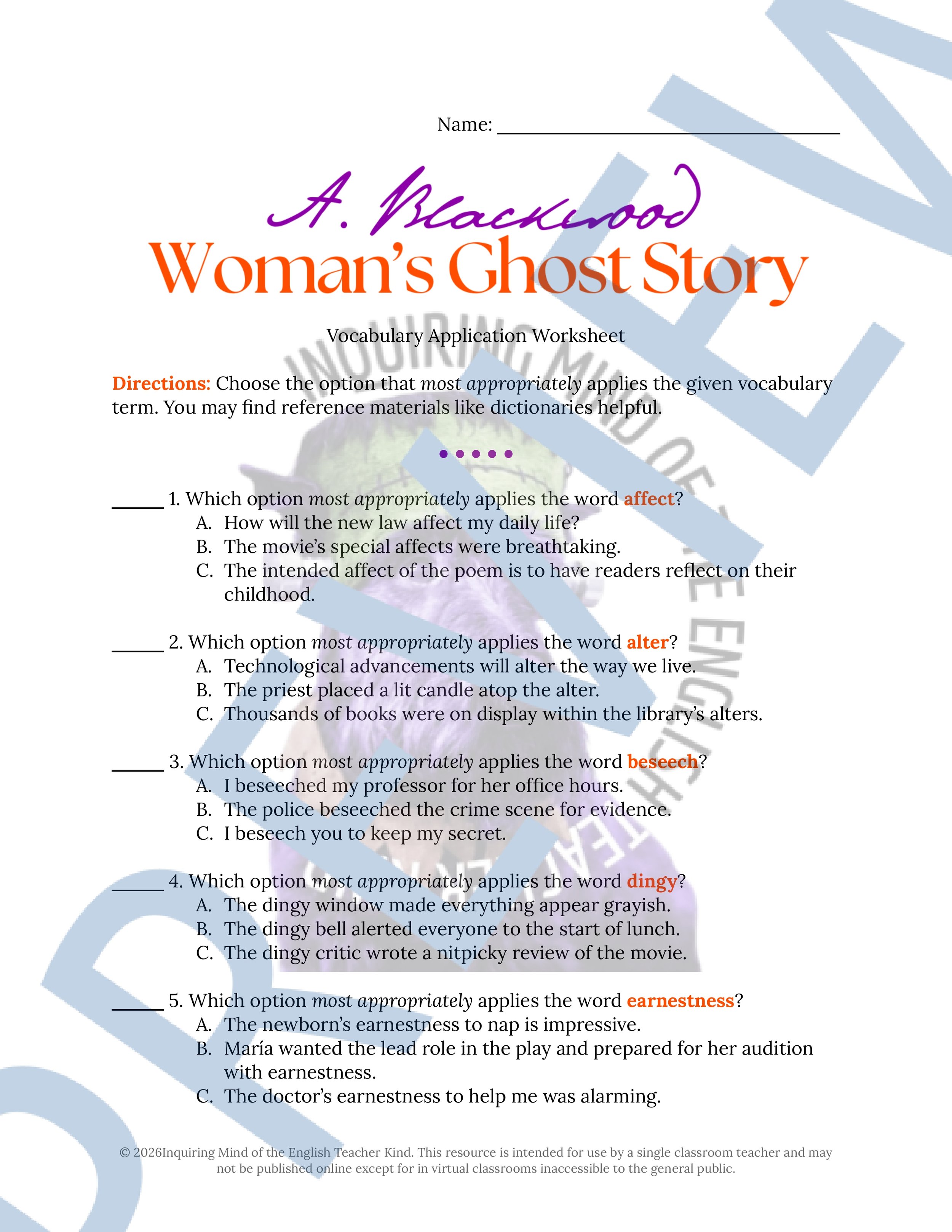
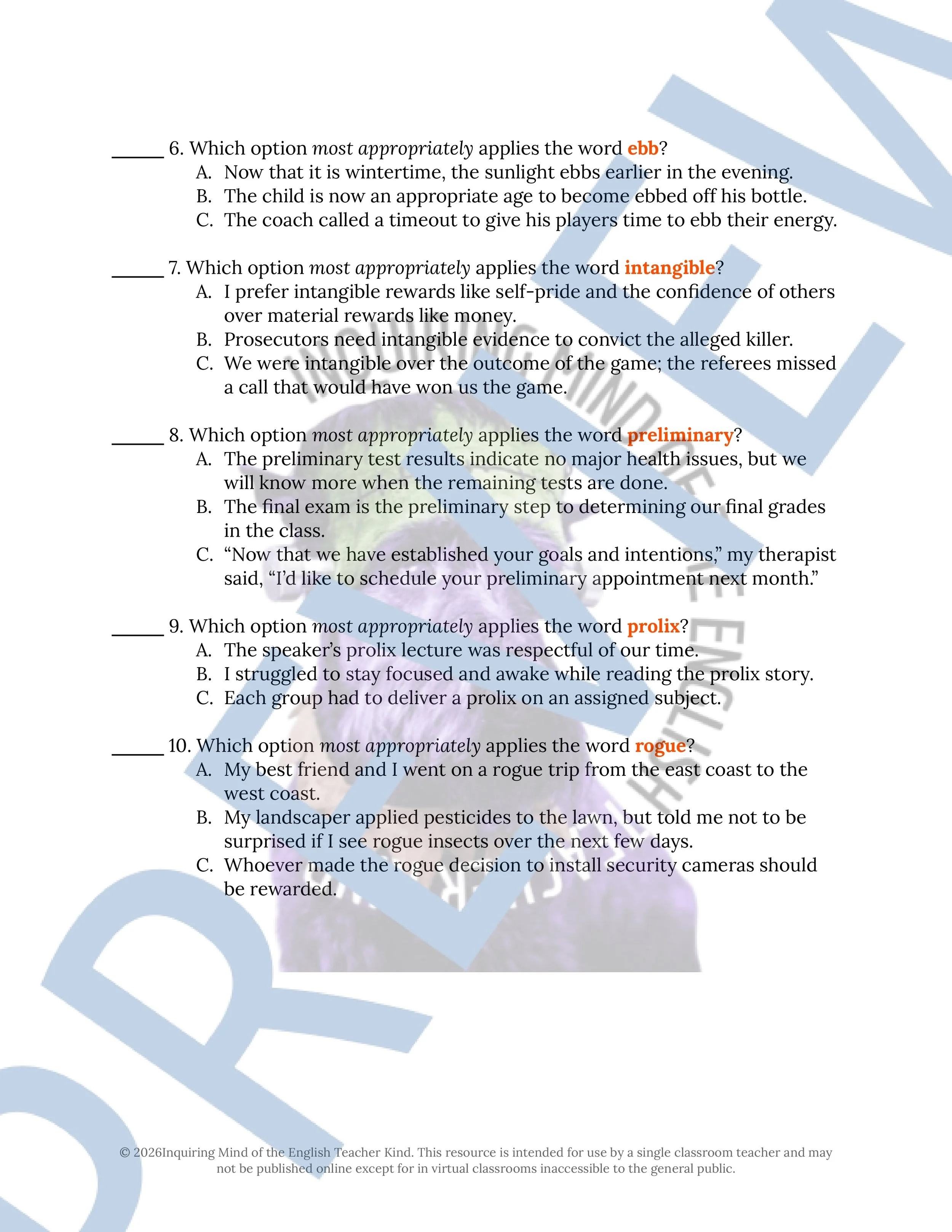
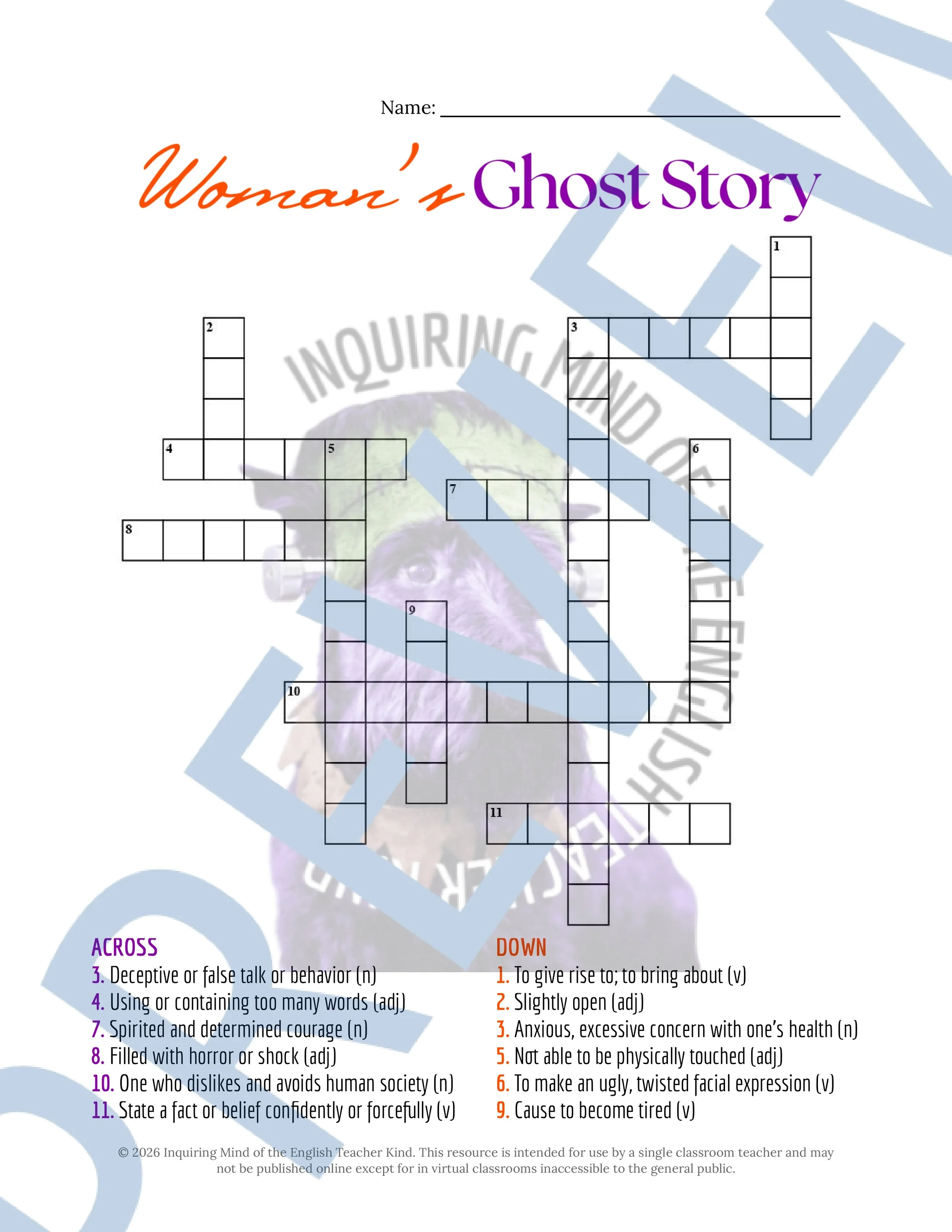
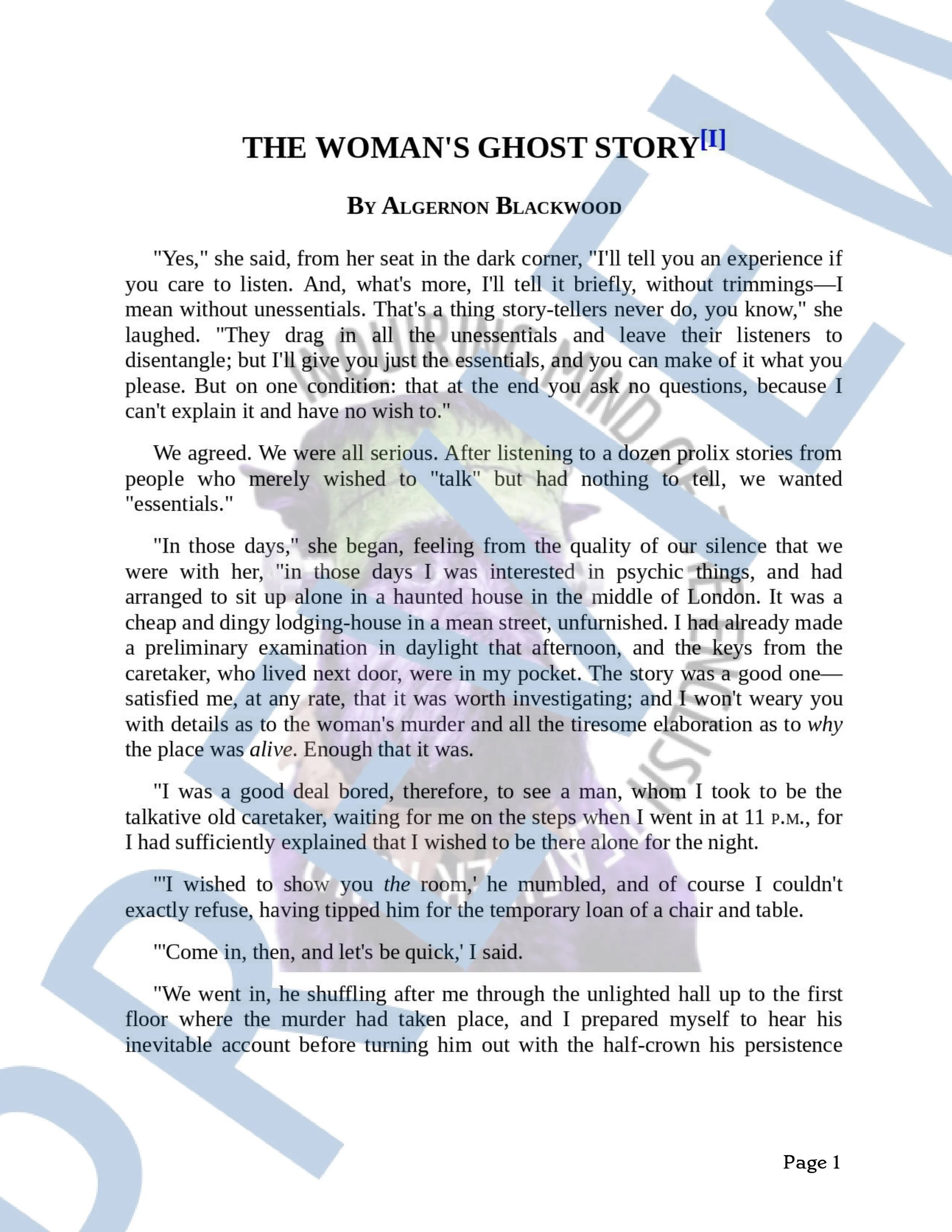
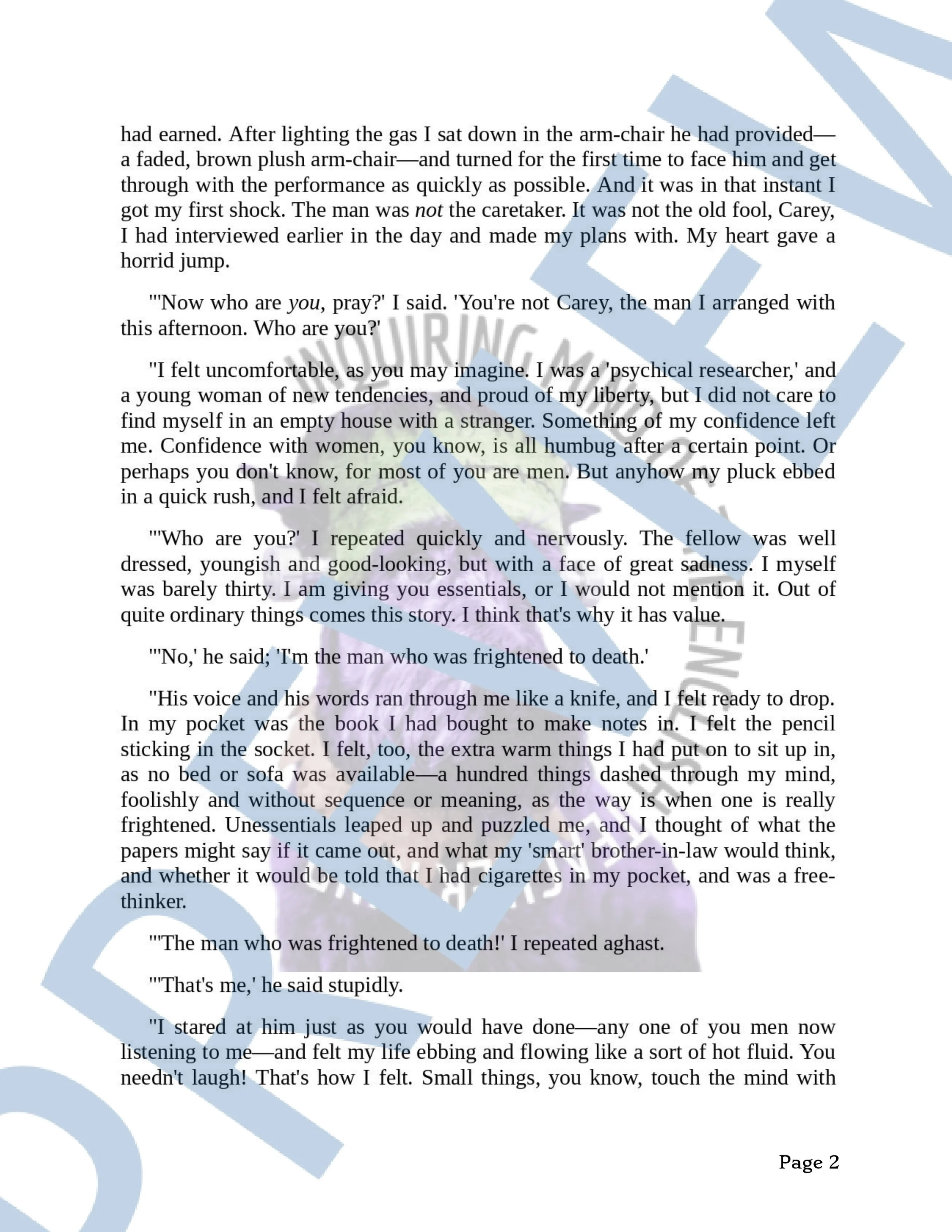
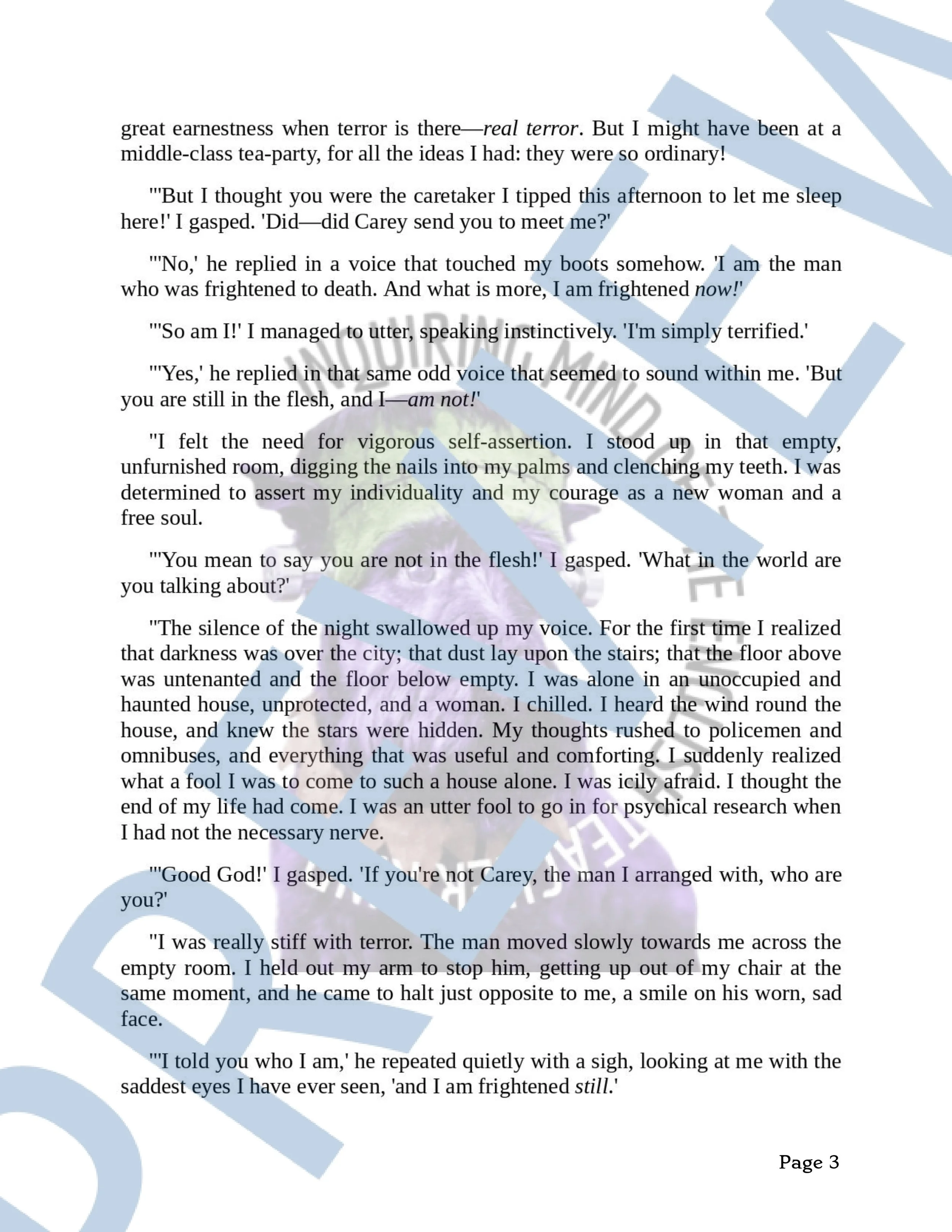
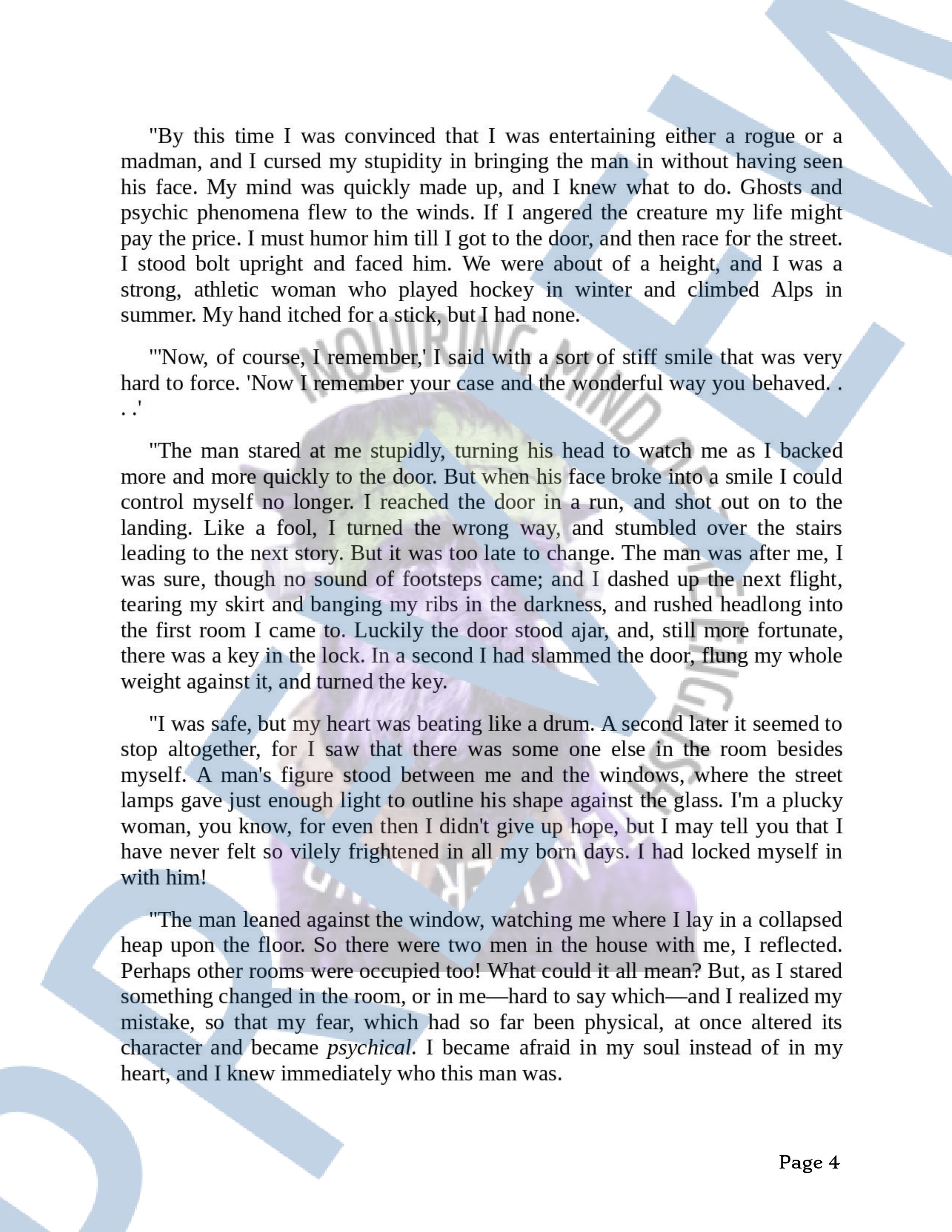
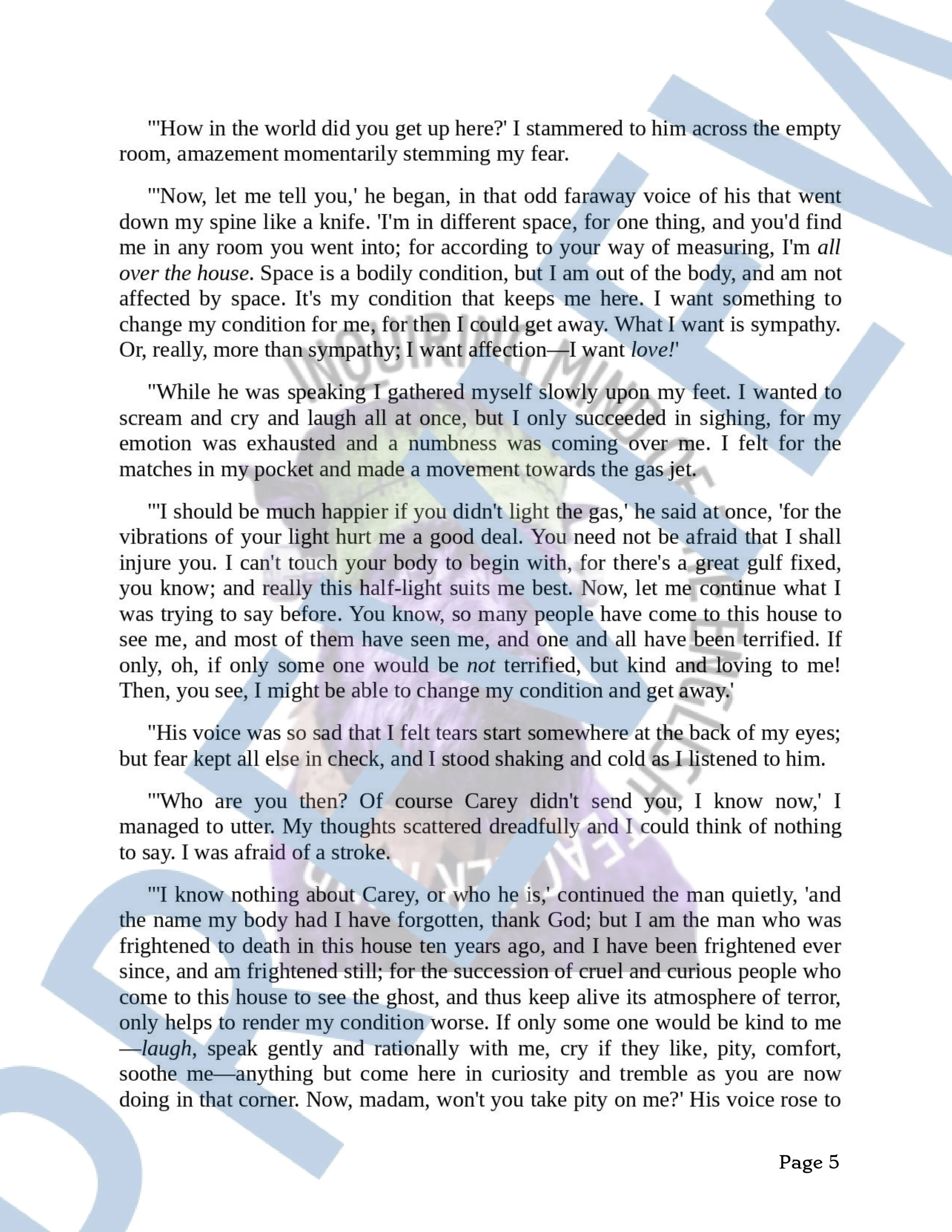
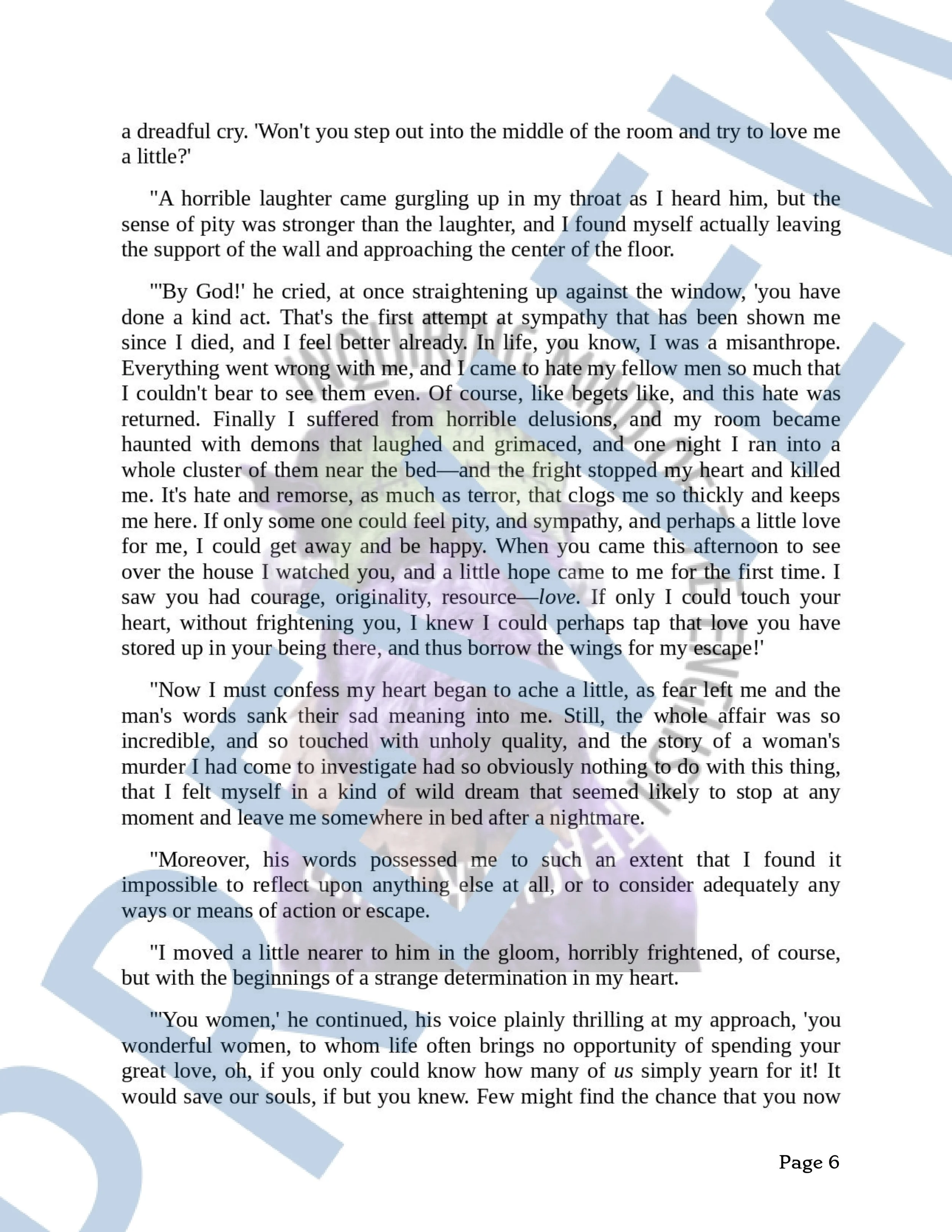
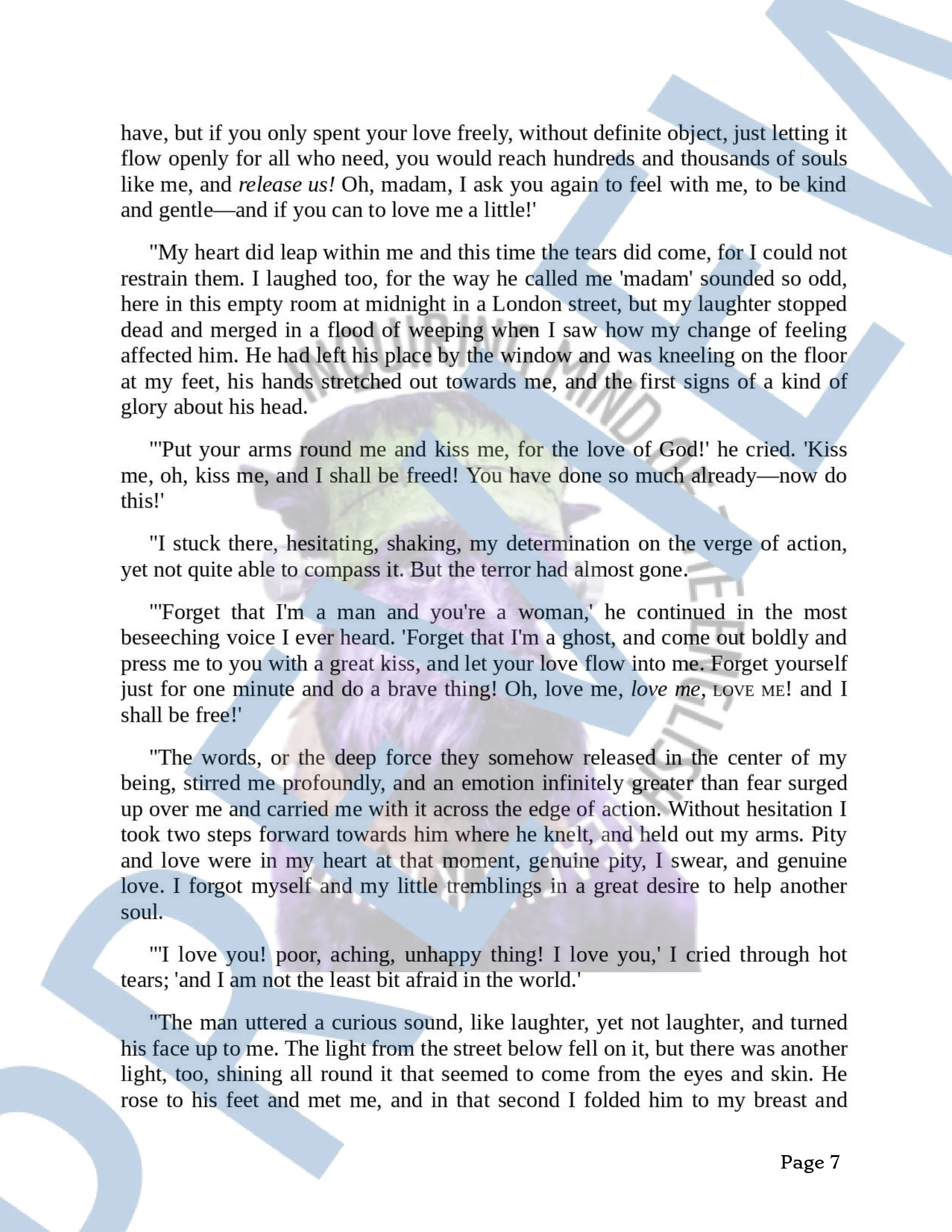
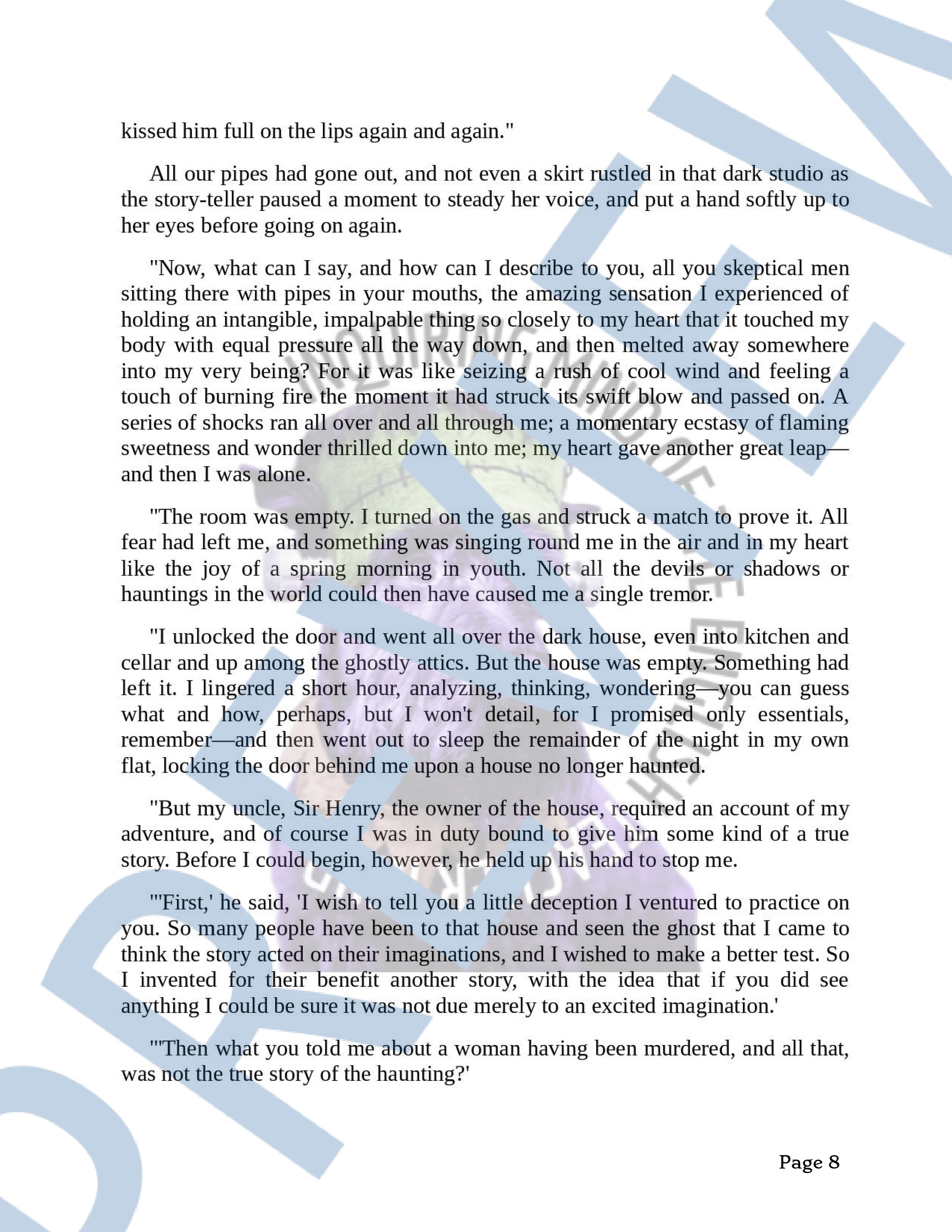
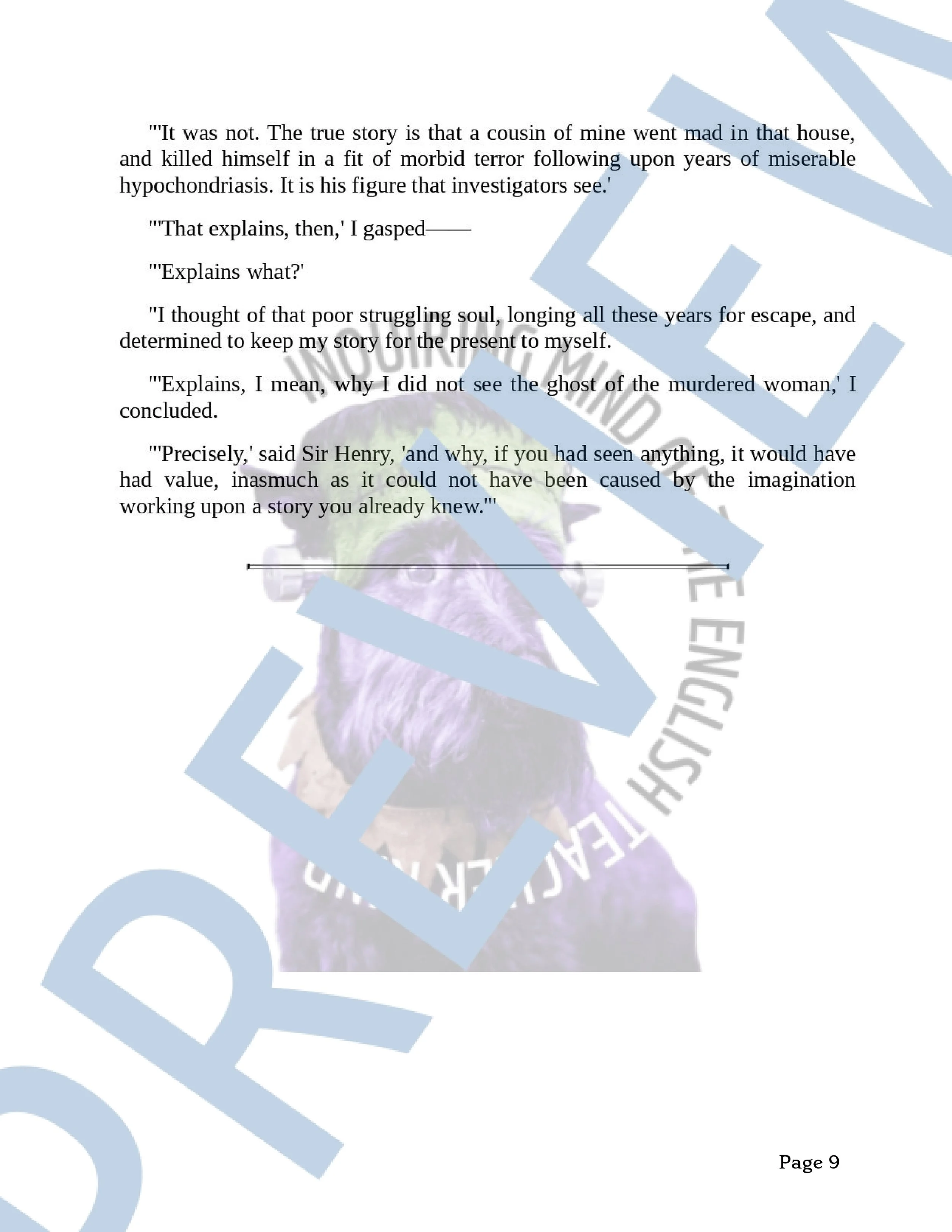
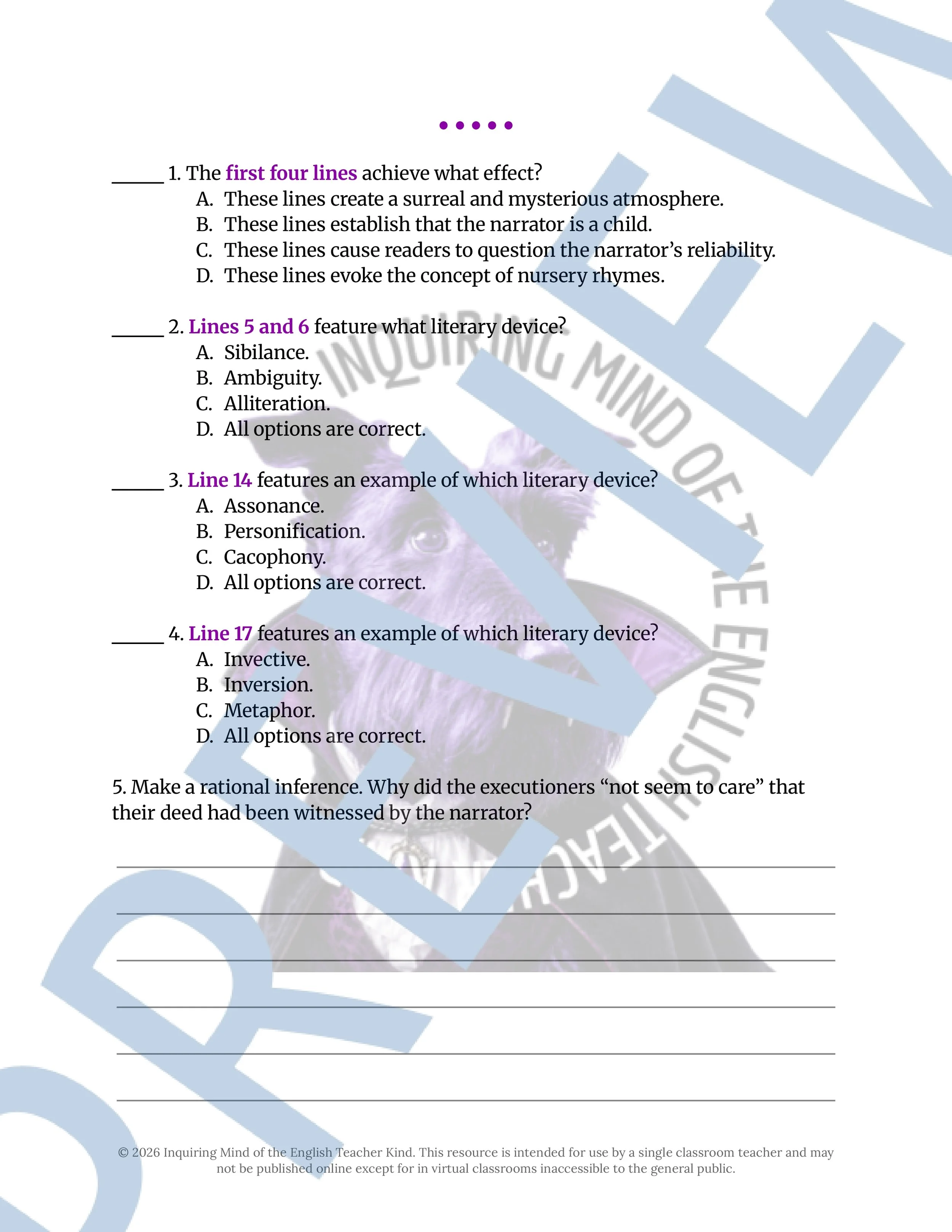
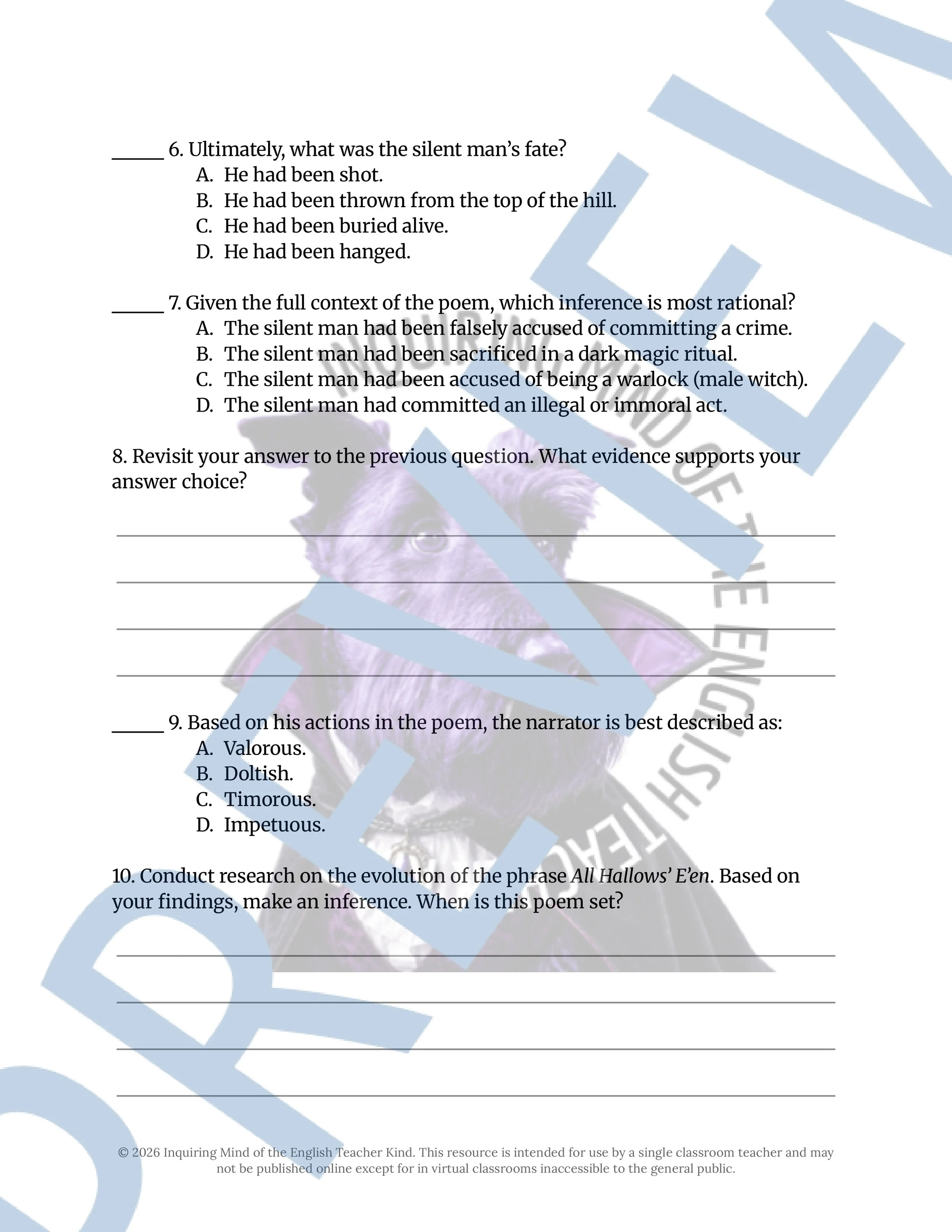
Ideal for American Literature classes and units on Gothic poetry (especially during fall/autumn and Halloween), this poem analysis worksheet helps high school readers interpret "Witch's Brew" by Dorothy Quick, a piece that portrays the turbulent sea as a magical potion, using mythical and supernatural imagery to depict its relentless power. An answer key is included. By engaging with this poetry activity, students will:
Determine the meaning of a complex word as it is used in the text (e.g., "woof").
Identify a common thread among a collection of verbs.
Interpret metaphorical language in context (e.g., "A witch's brew is the Antic Sea").
Conduct online research to ensure reading comprehension (e.g., the myth of the Augean stables).
Infer the intended effect of an allusion in context (e.g., Neptune).
Infer the intended effects of phrasing in context (e.g., "storied waves" and "the witch of time").
Apply knowledge of literary devices (e.g., personification).
Describe tone in context.
Materials are delivered in editable Word Document and printable PDF formats. (Alternatively, a Google option is available.)
More resources for the Halloween season are available:
Ideal for American Literature classes and units on Gothic poetry (especially during fall/autumn and Halloween), this poem analysis worksheet helps high school readers interpret "Witch's Brew" by Dorothy Quick, a piece that portrays the turbulent sea as a magical potion, using mythical and supernatural imagery to depict its relentless power. An answer key is included. By engaging with this poetry activity, students will:
Determine the meaning of a complex word as it is used in the text (e.g., "woof").
Identify a common thread among a collection of verbs.
Interpret metaphorical language in context (e.g., "A witch's brew is the Antic Sea").
Conduct online research to ensure reading comprehension (e.g., the myth of the Augean stables).
Infer the intended effect of an allusion in context (e.g., Neptune).
Infer the intended effects of phrasing in context (e.g., "storied waves" and "the witch of time").
Apply knowledge of literary devices (e.g., personification).
Describe tone in context.
Materials are delivered in editable Word Document and printable PDF formats. (Alternatively, a Google option is available.)
More resources for the Halloween season are available:

 Image 1 of 4
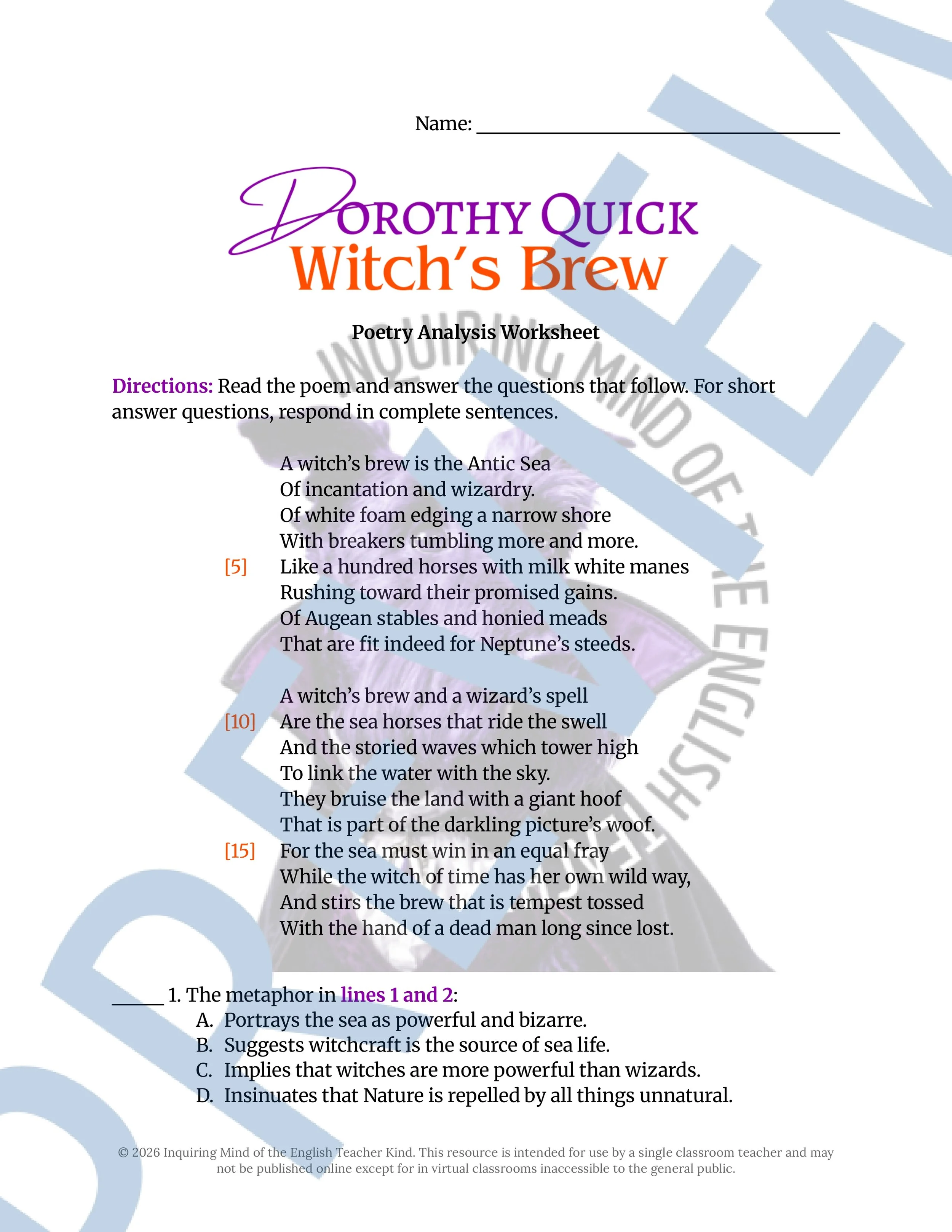 Image 2 of 4
 Image 3 of 4
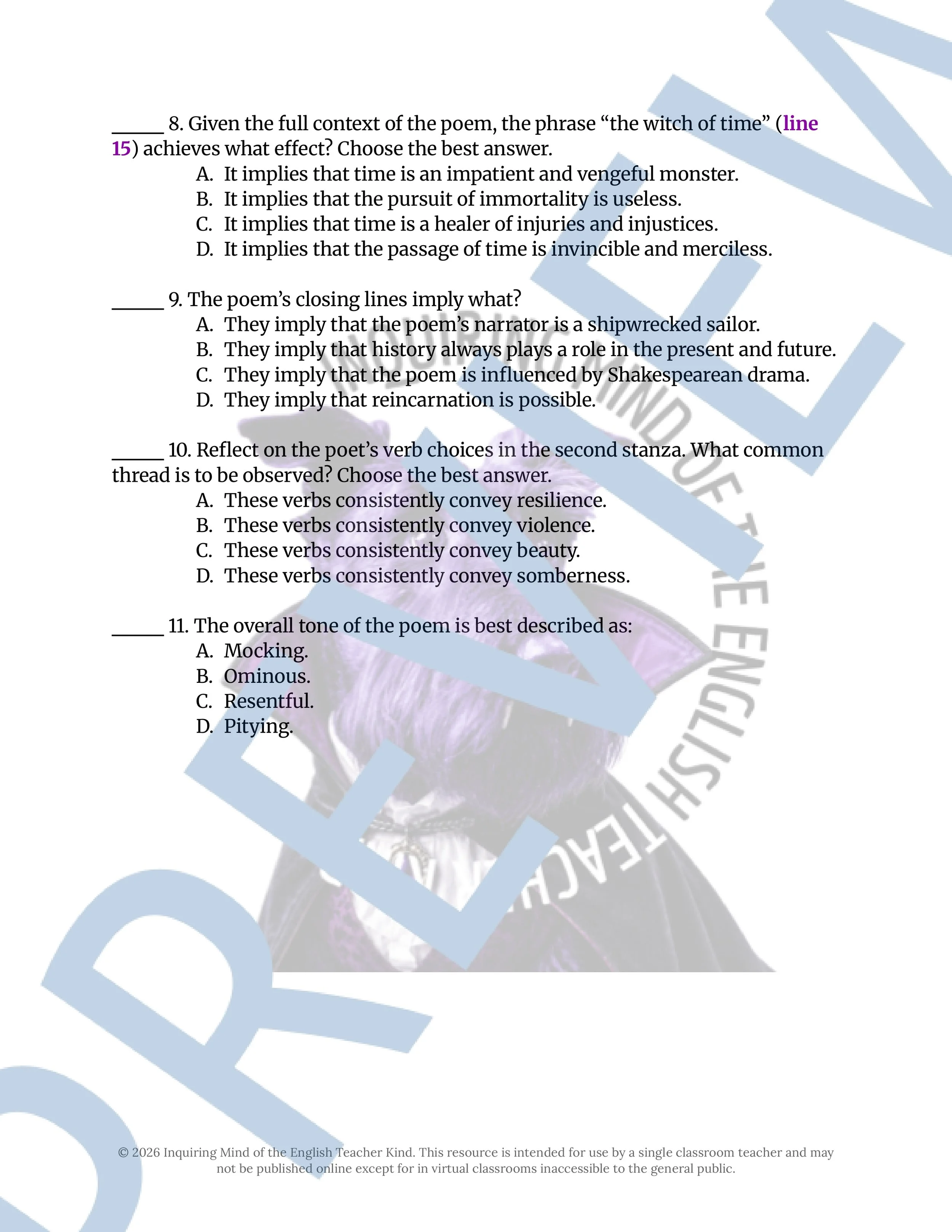 Image 4 of 4