"The Hungry Ghost" by Emil Petaja Supernatural Literature and Halloween English Activities

Sale Price: $7.65 Original Price: $8.50

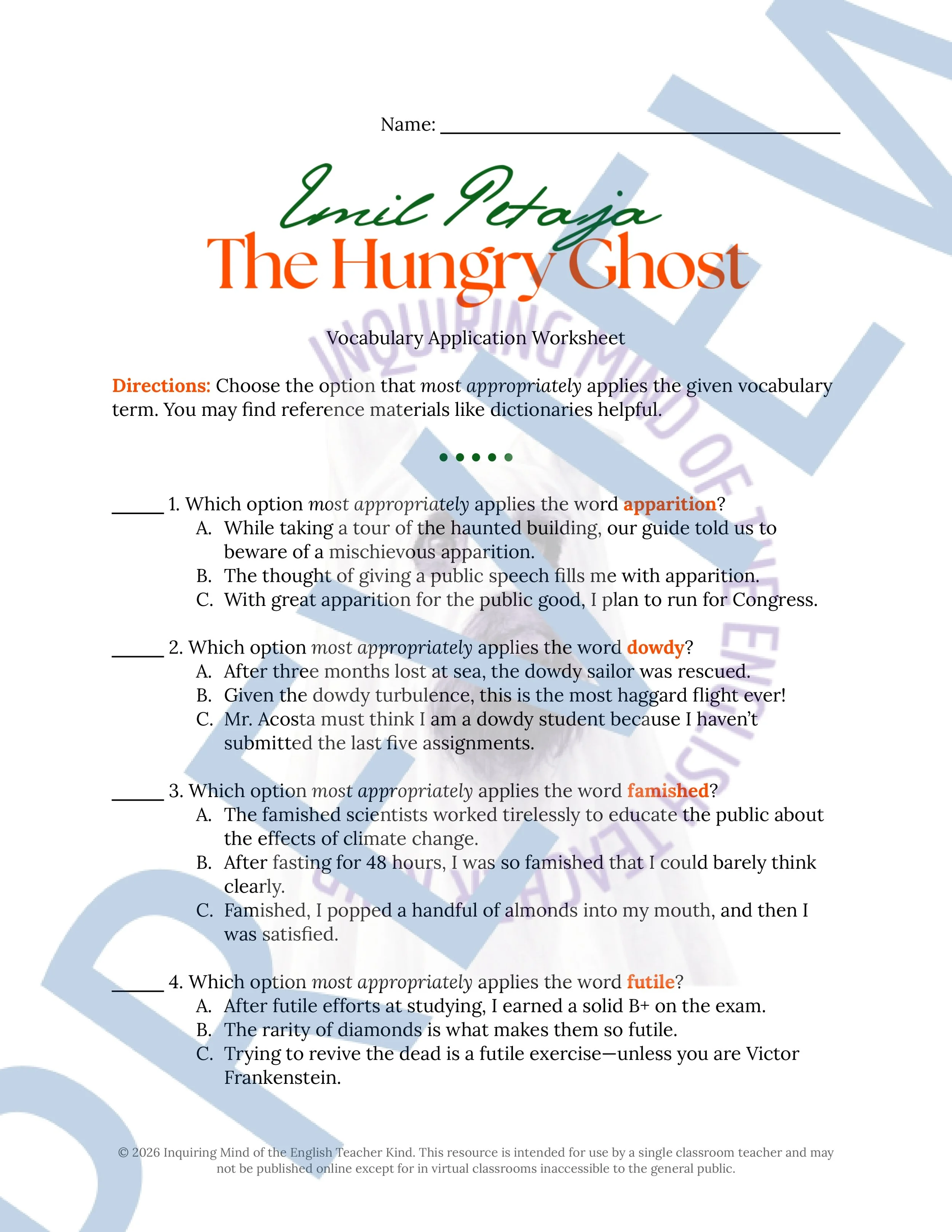
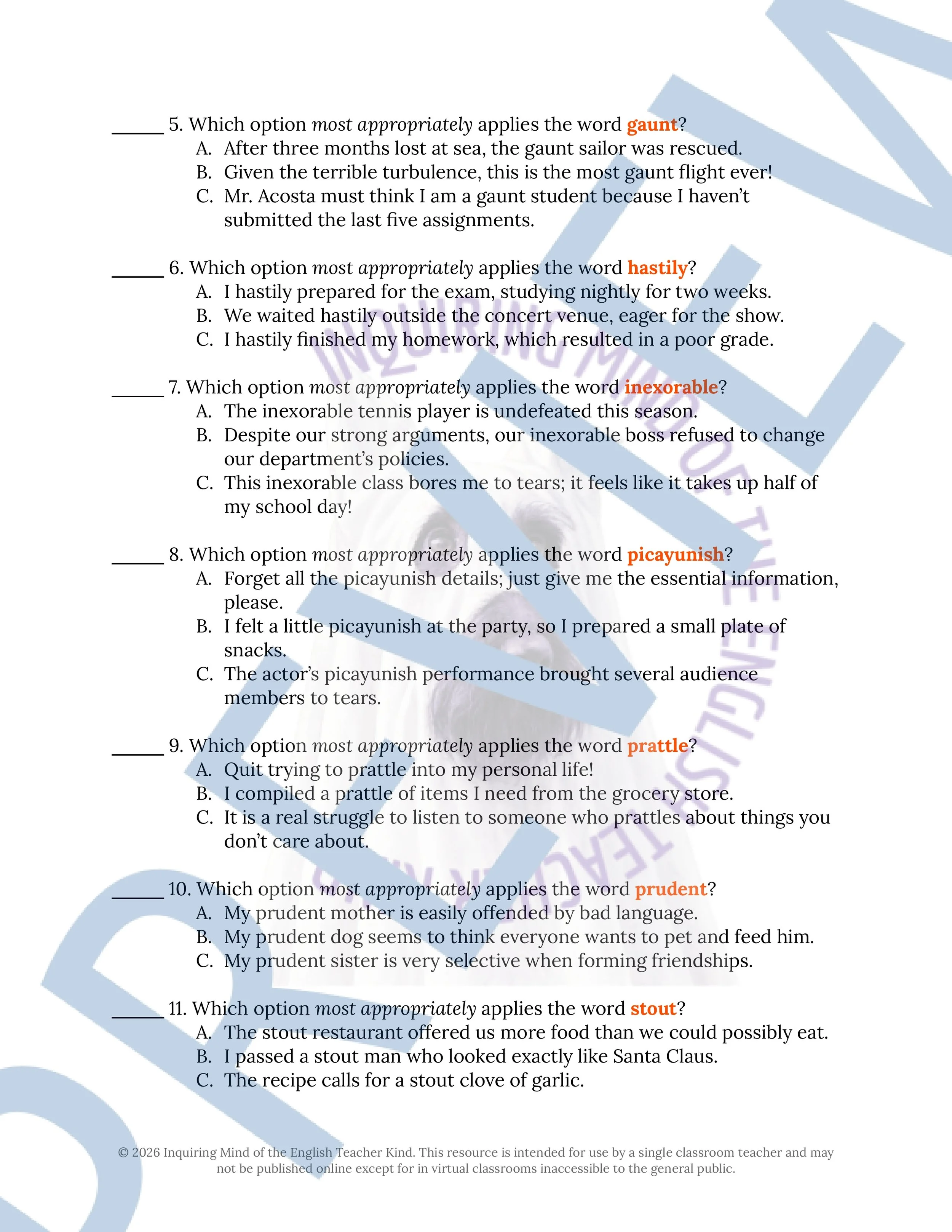
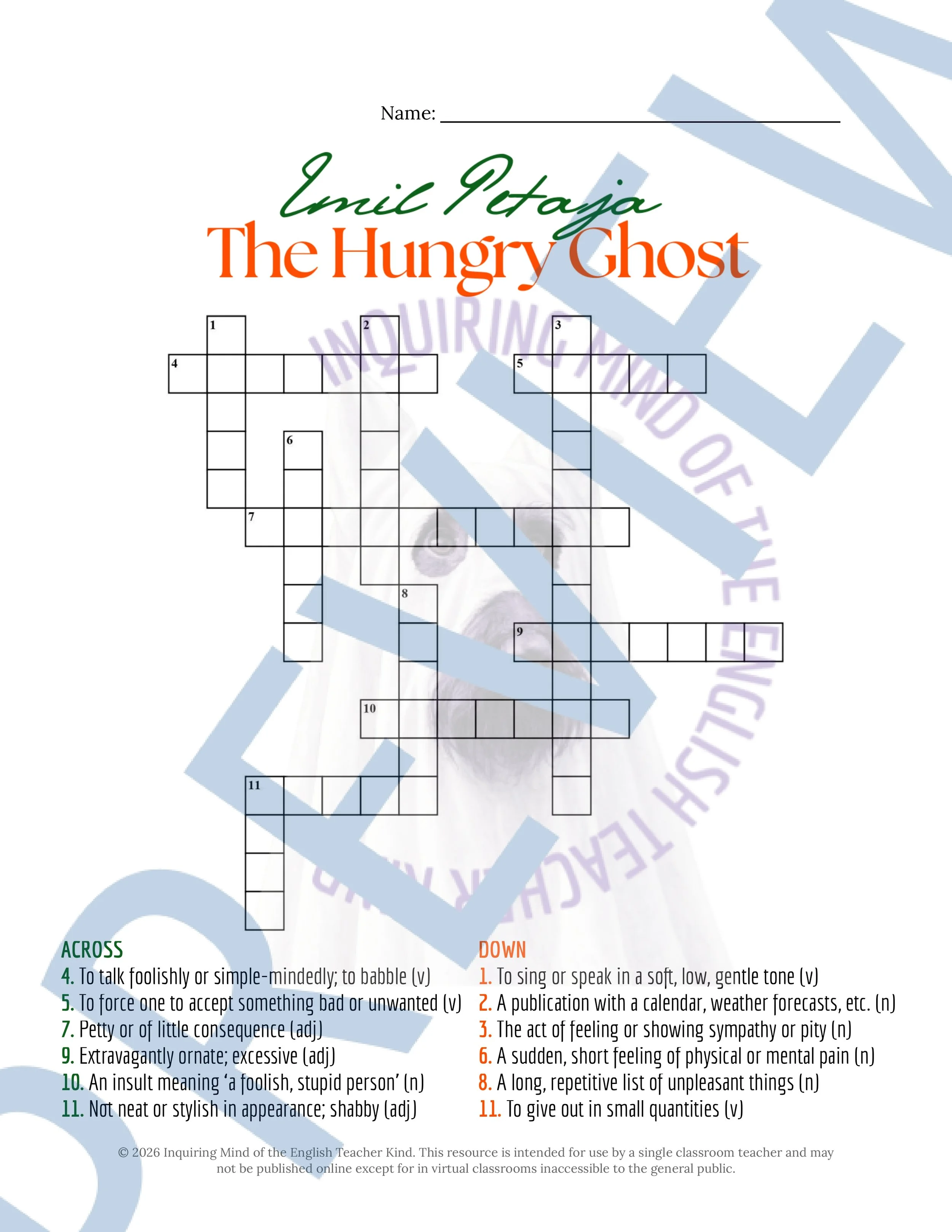
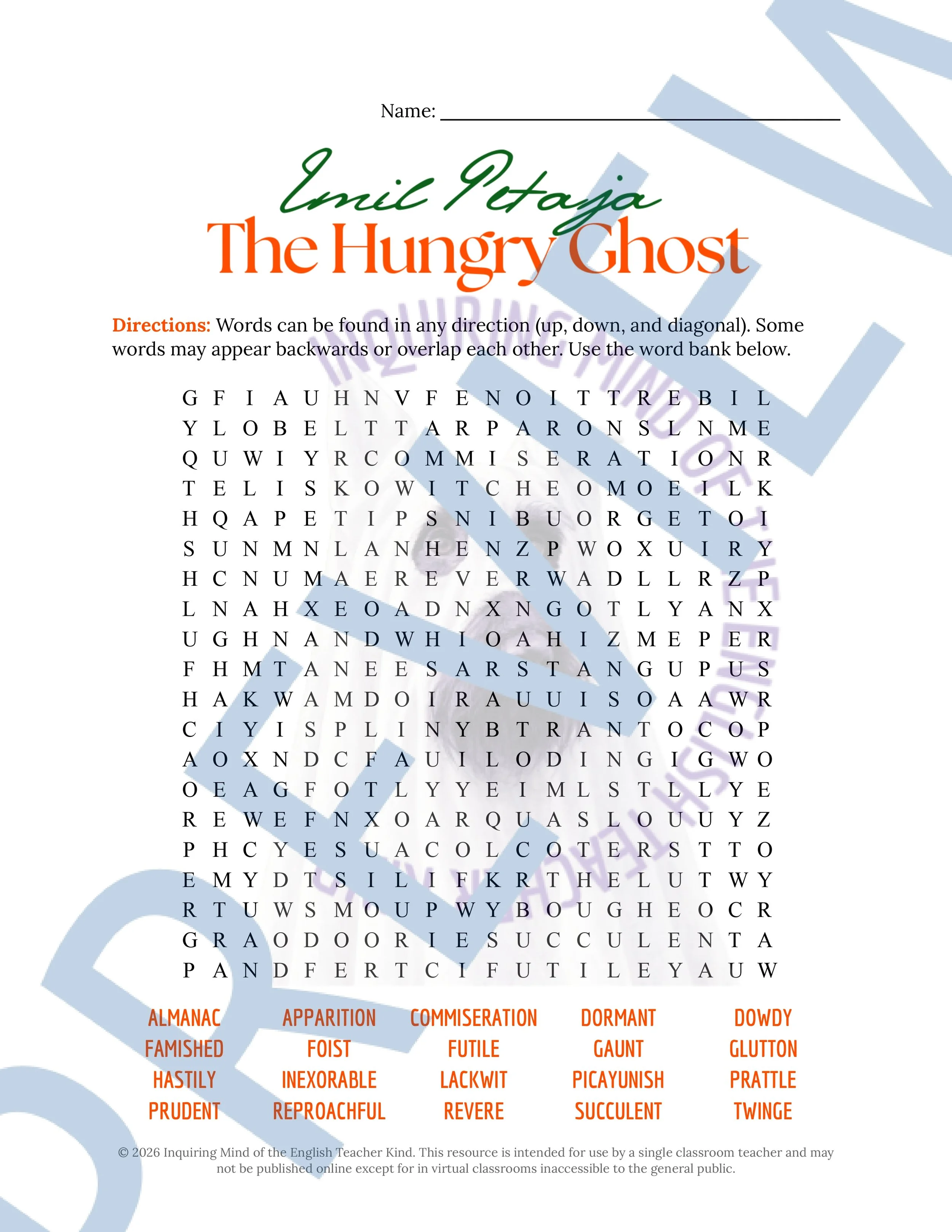
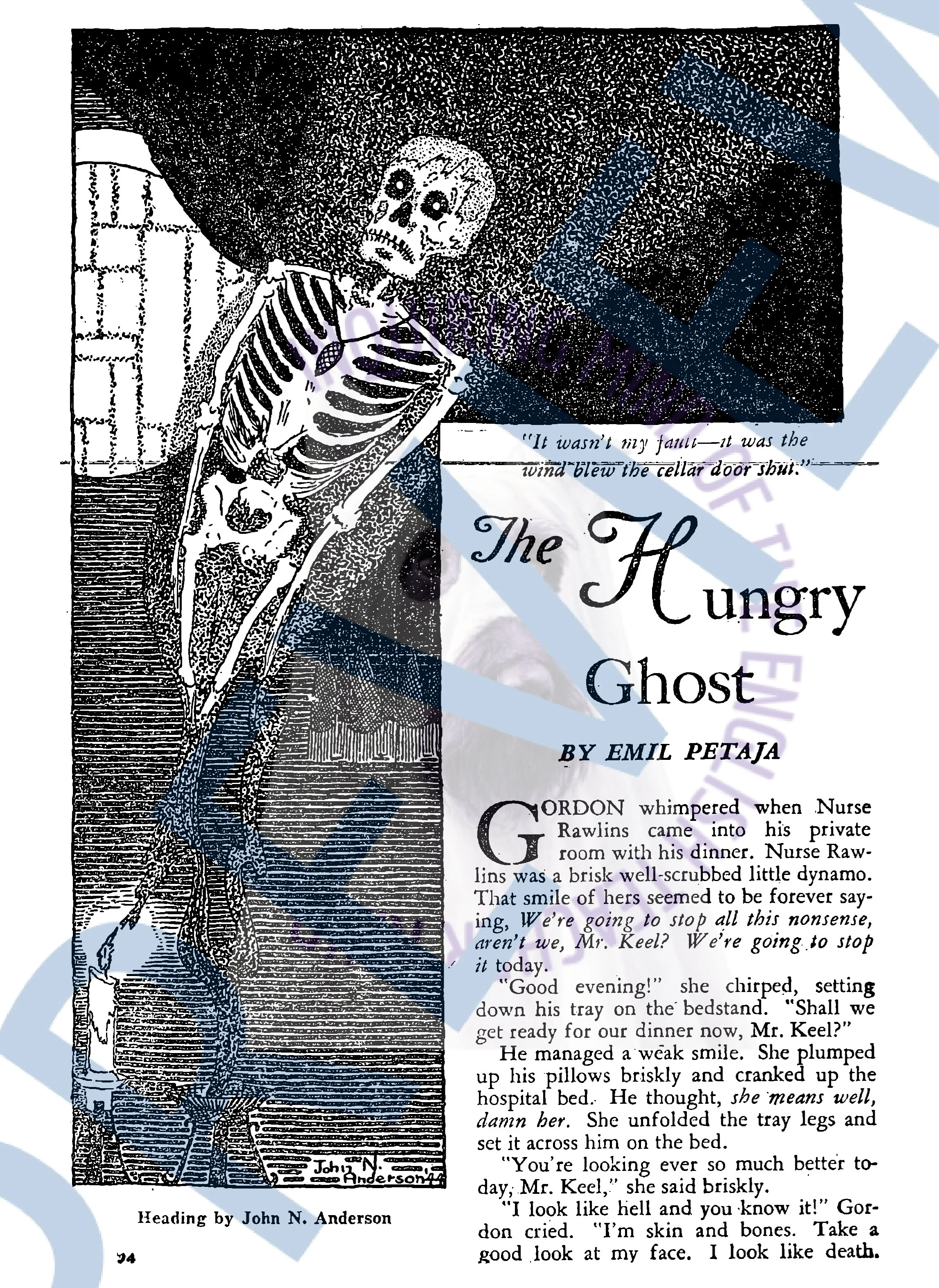
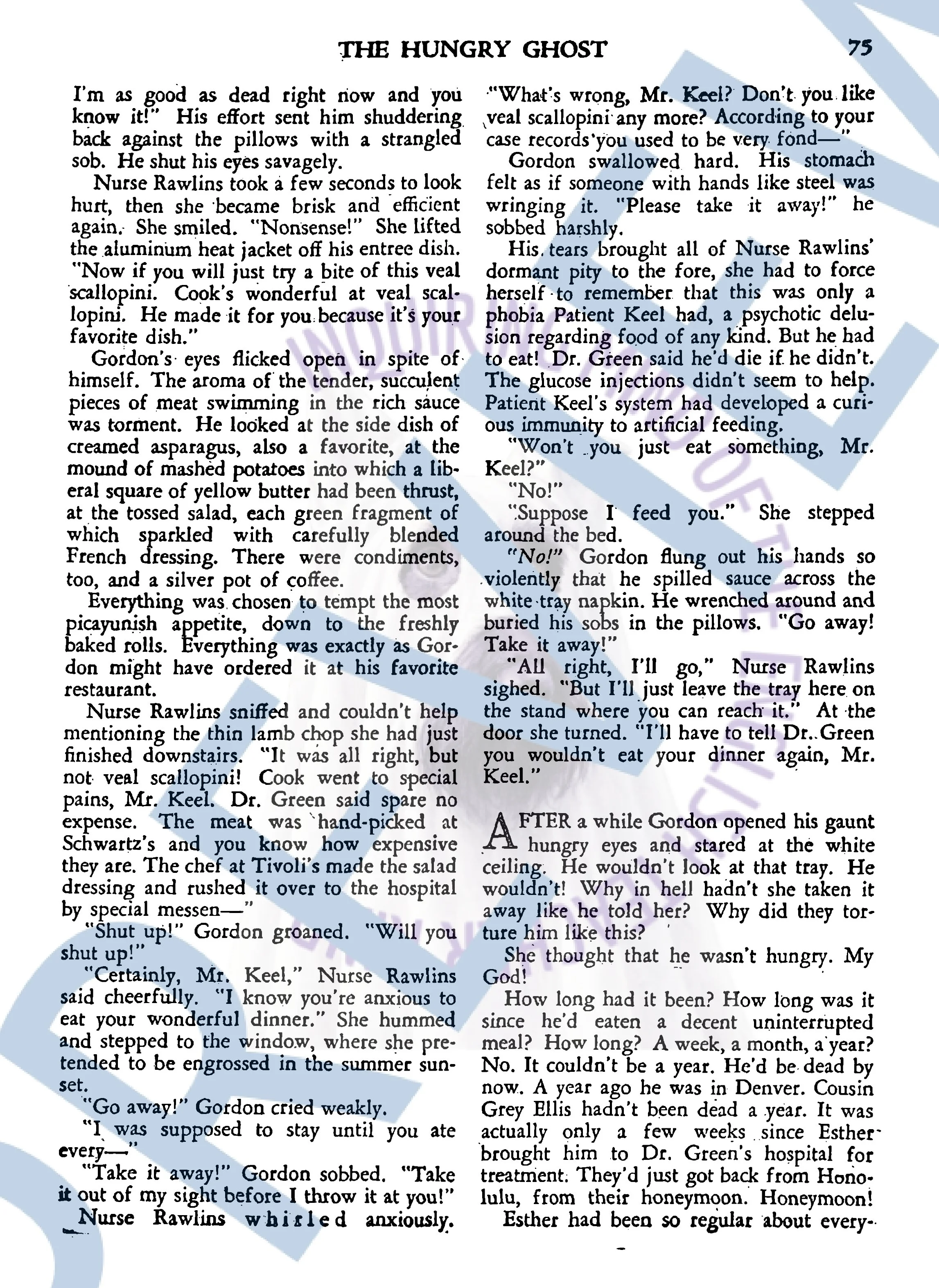
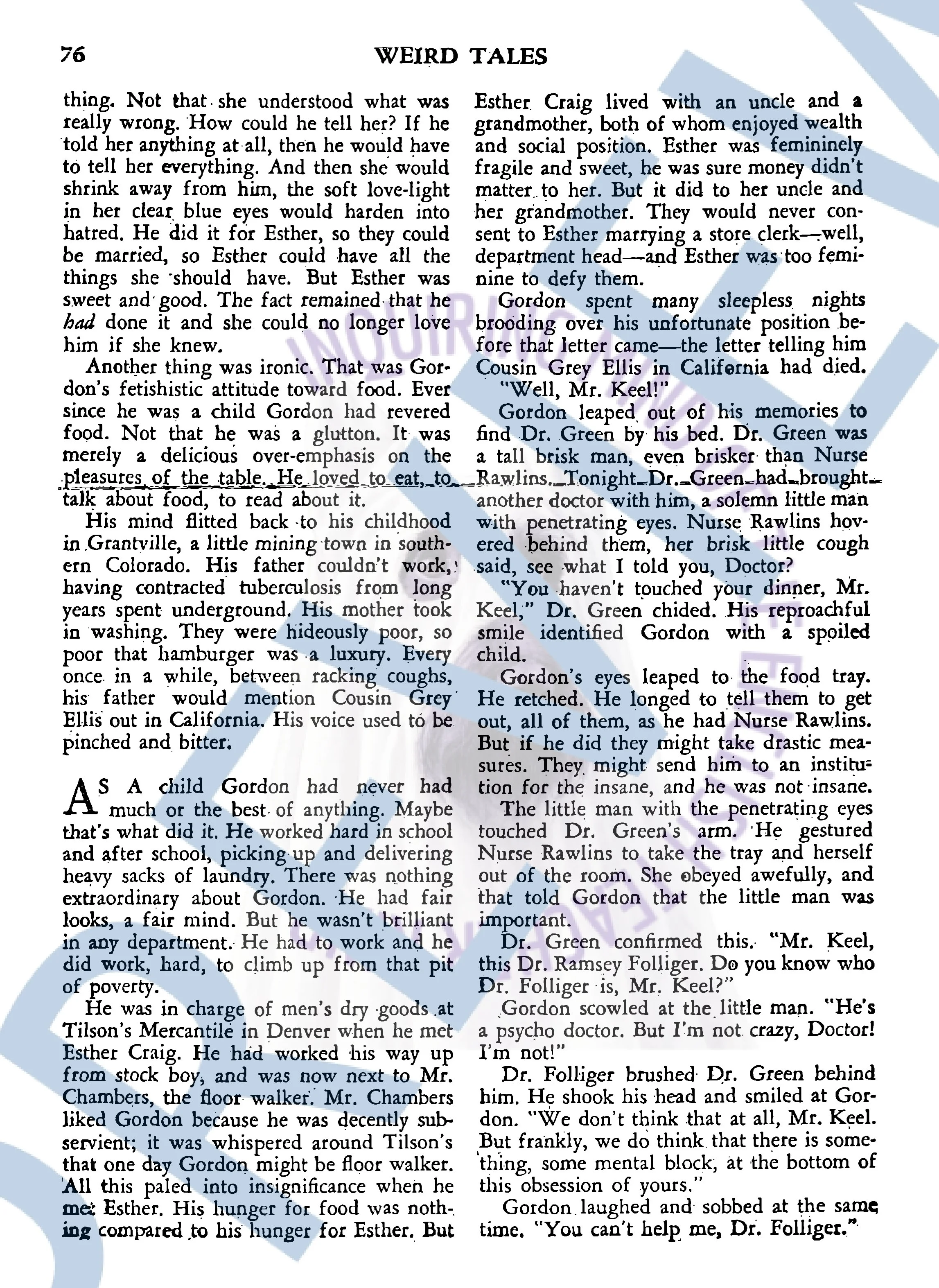
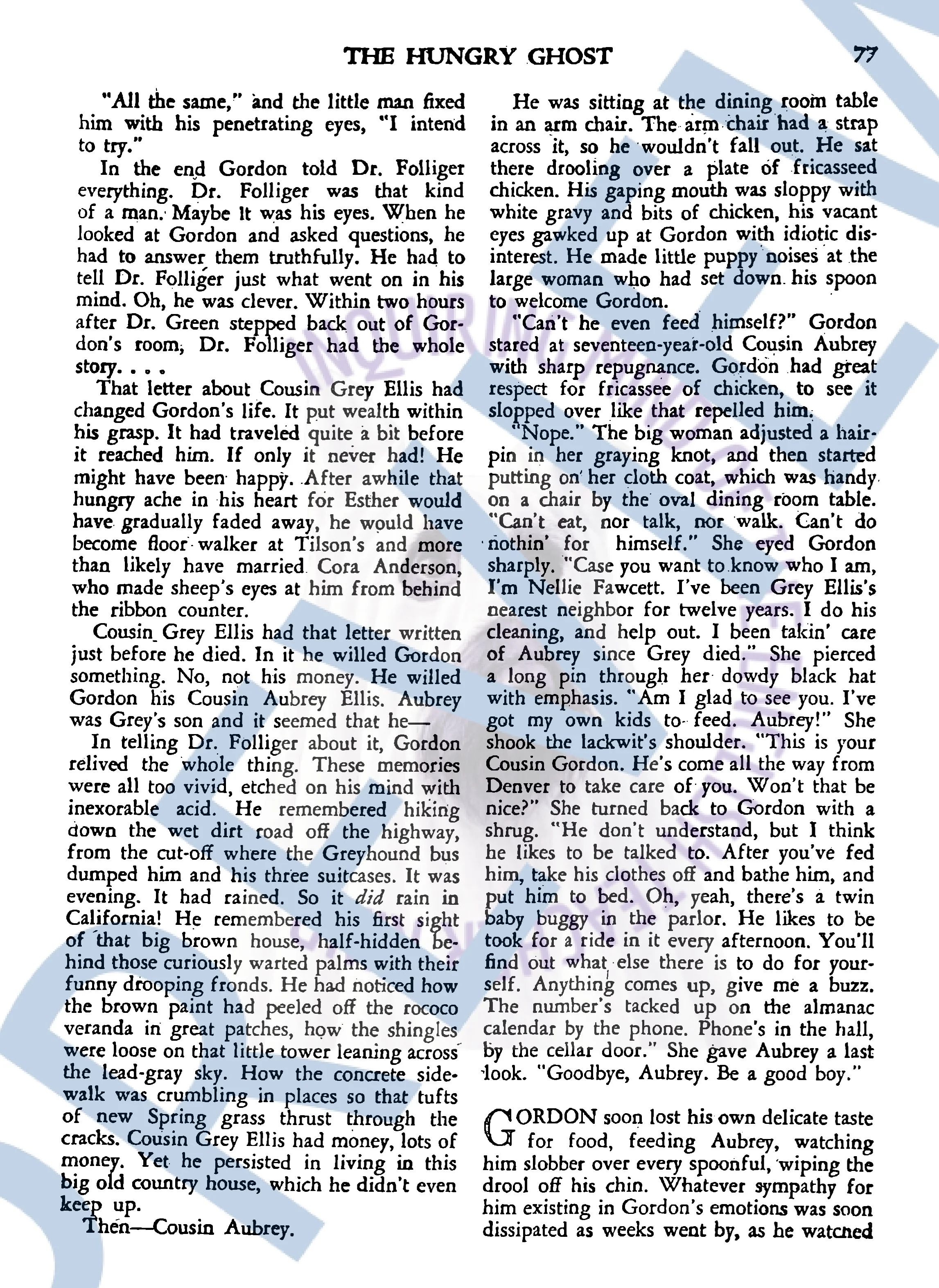
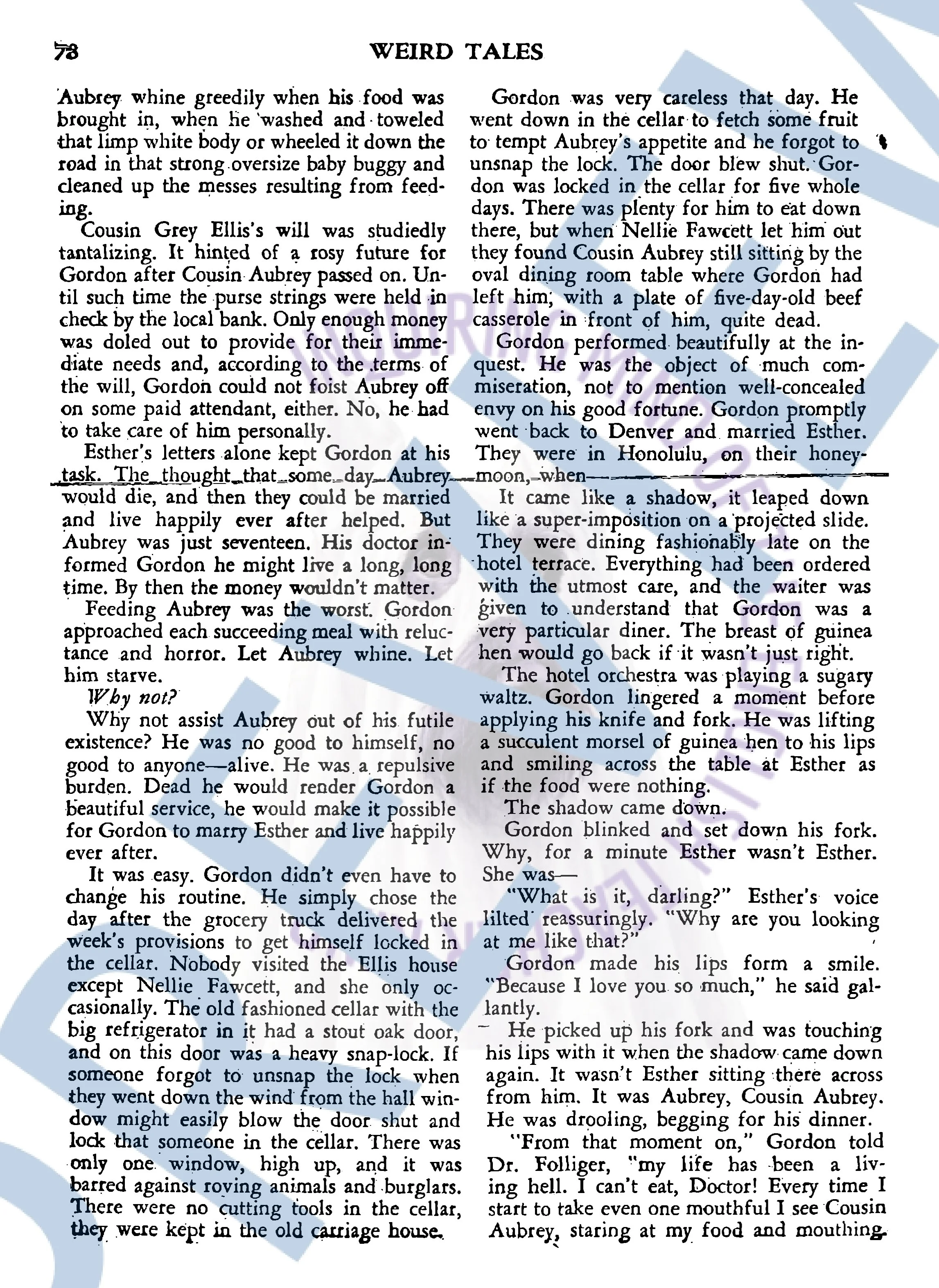
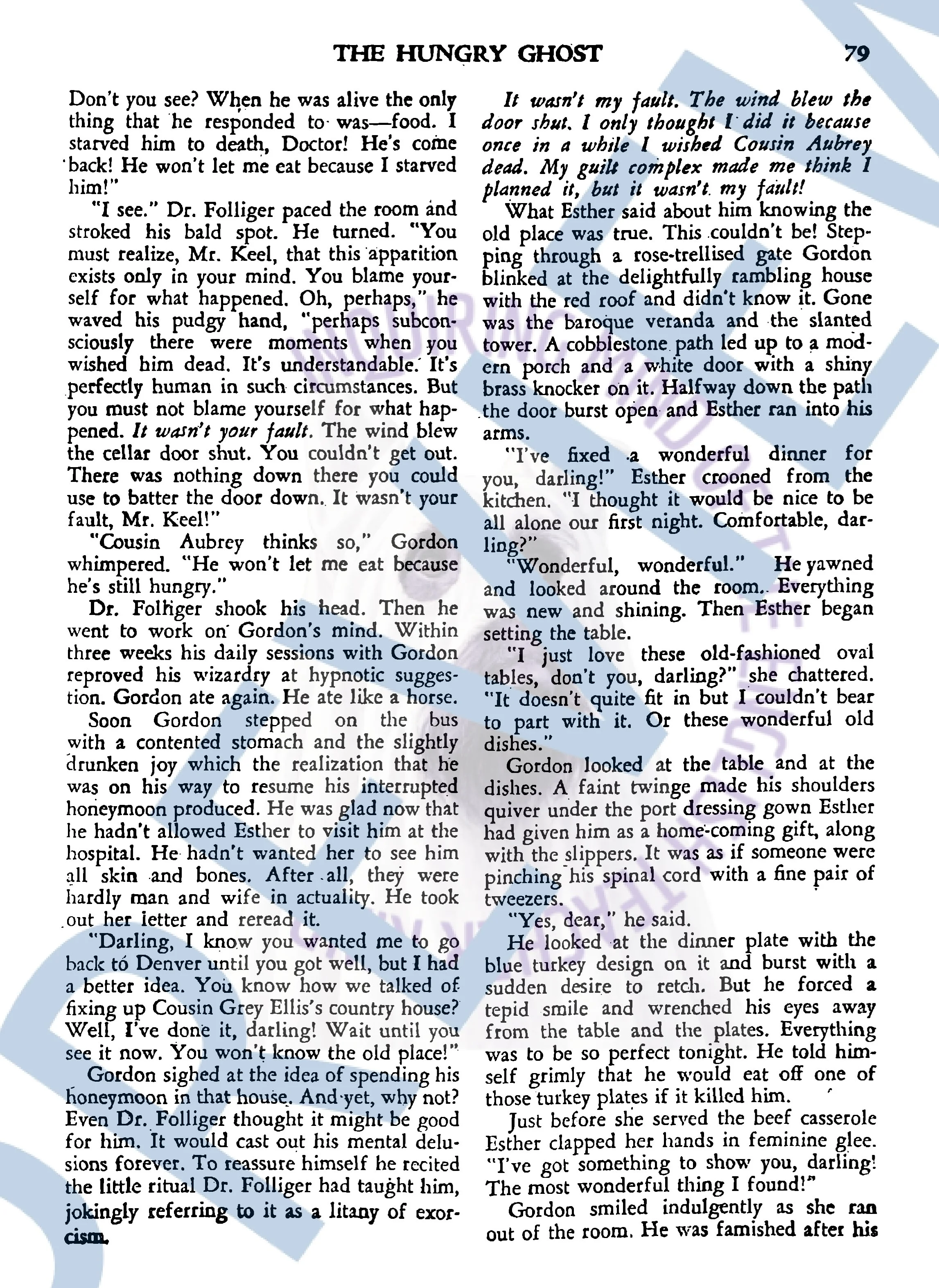
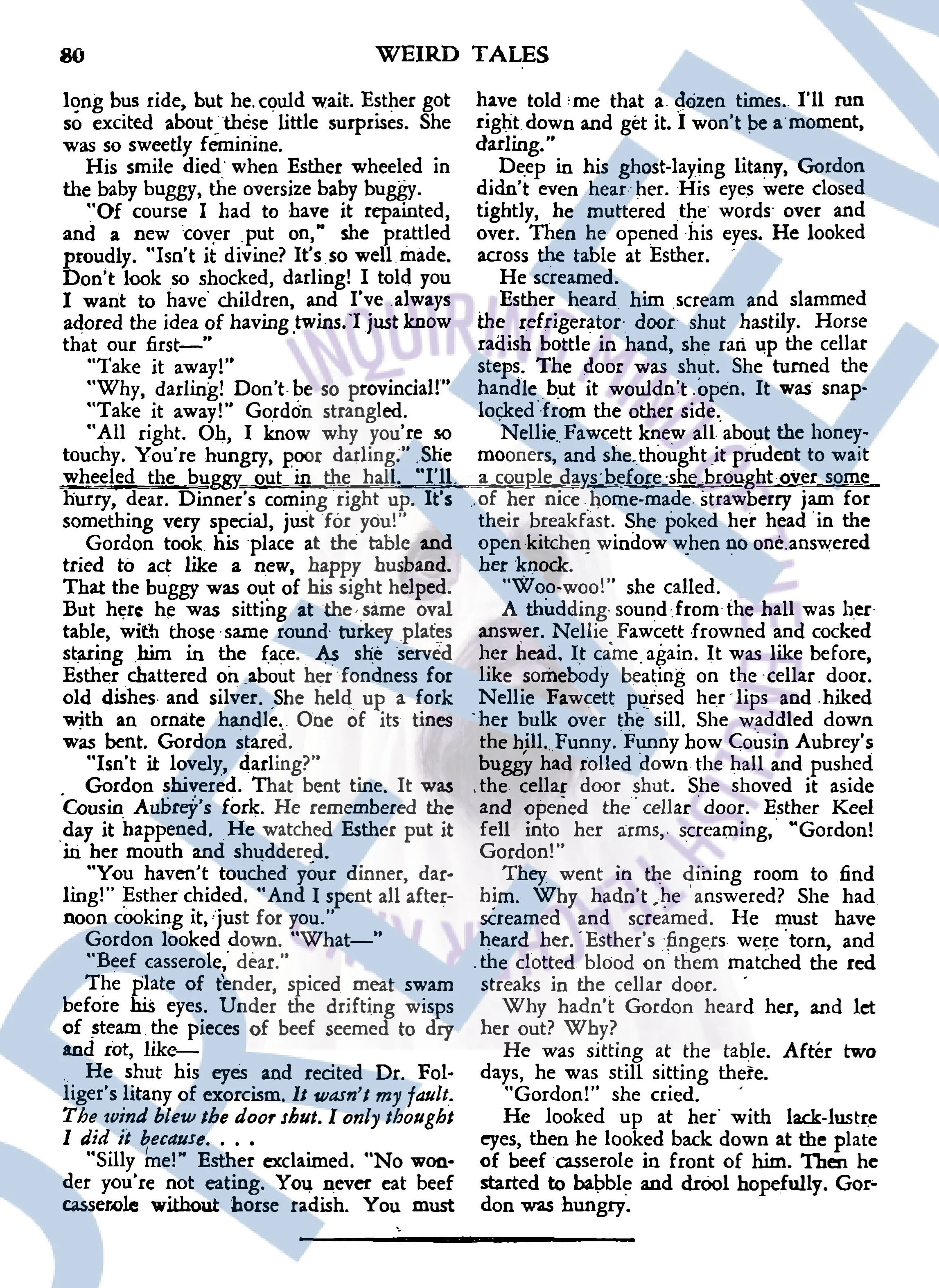
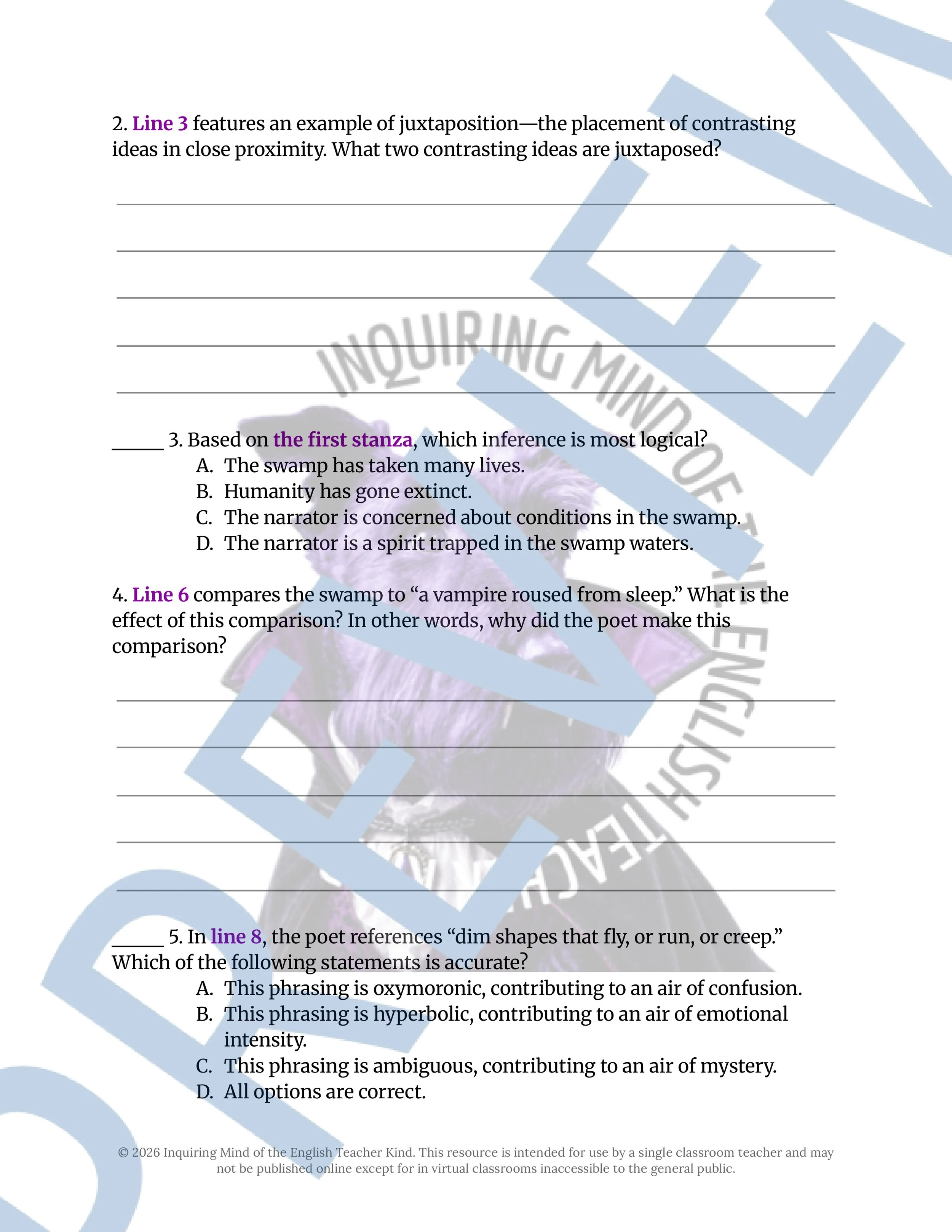
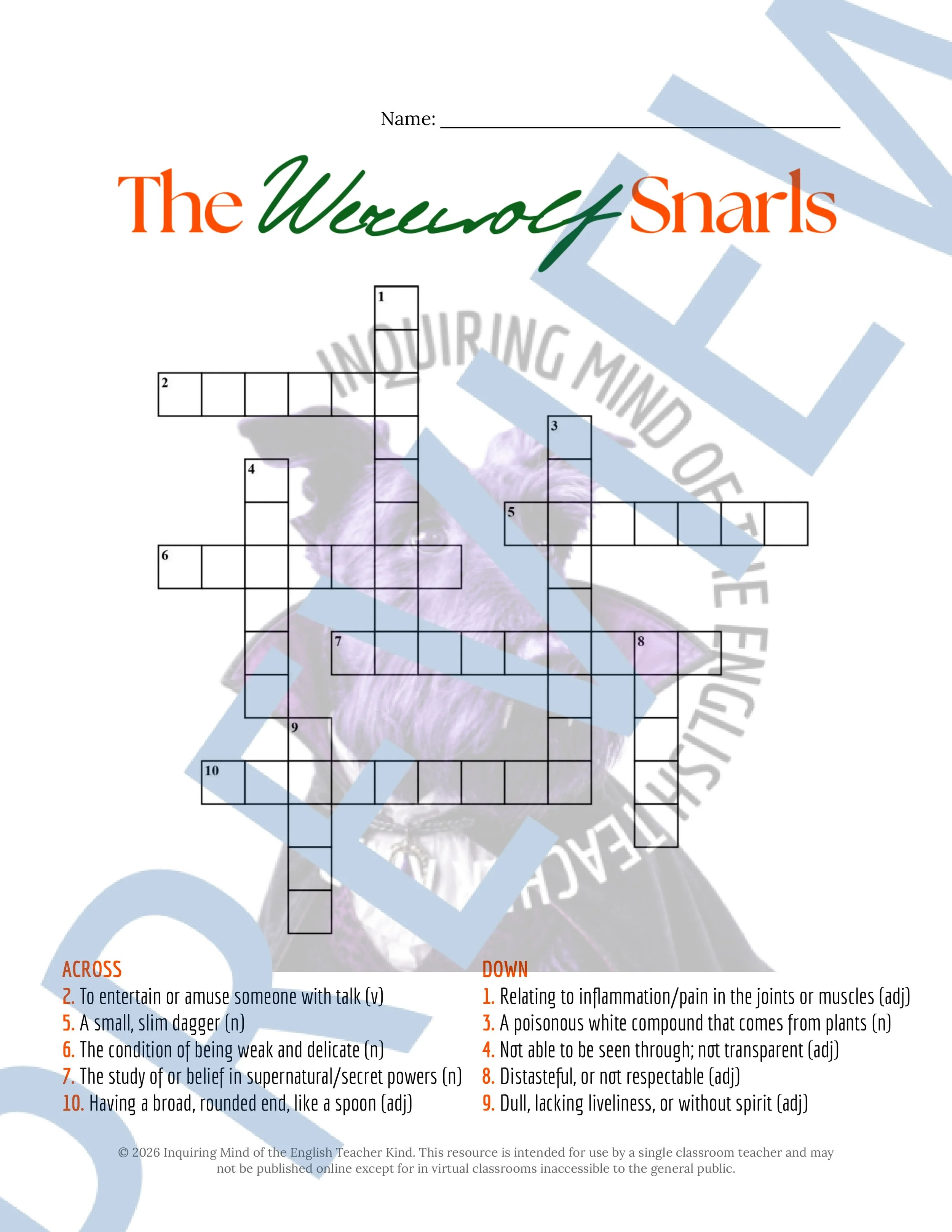
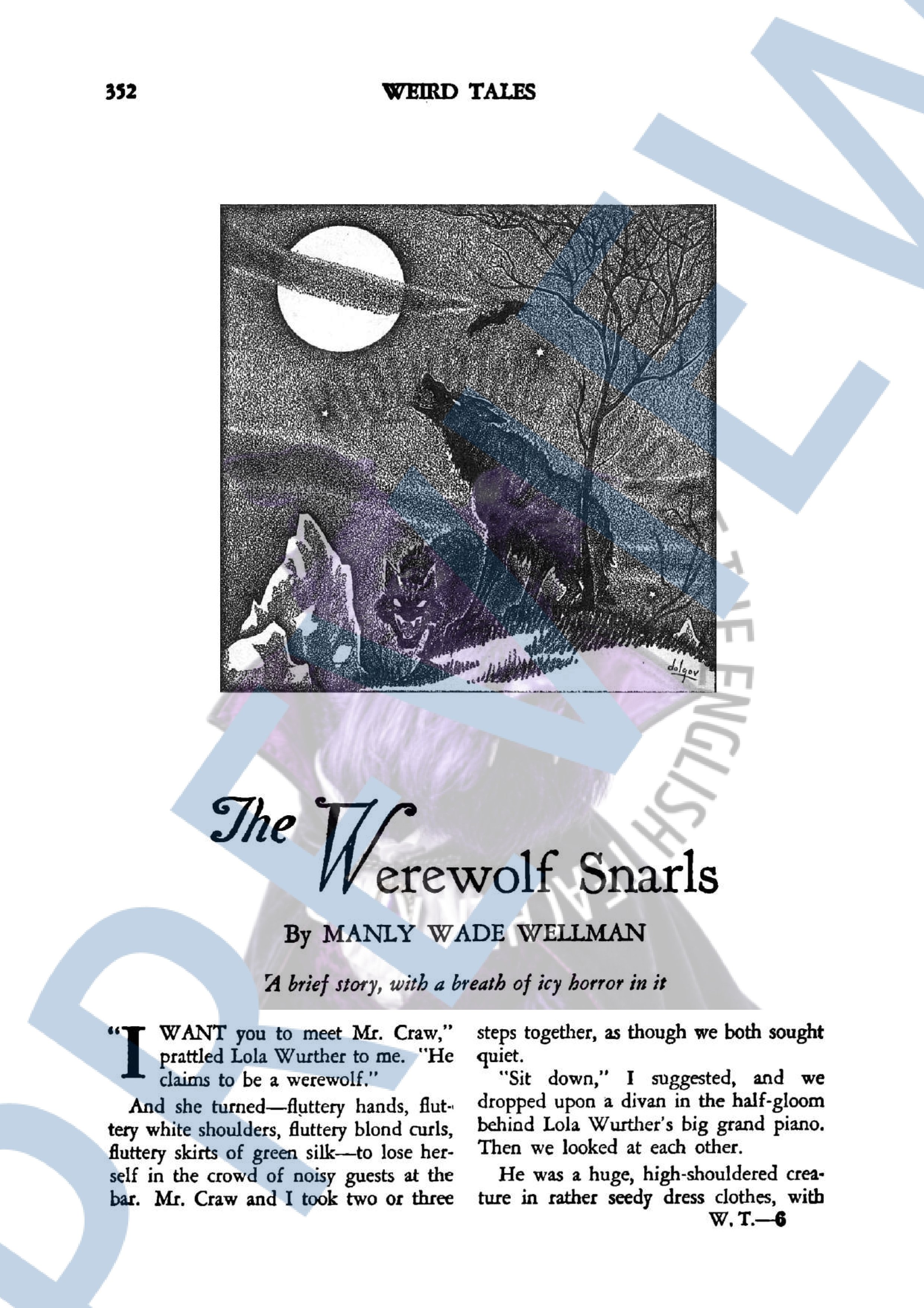
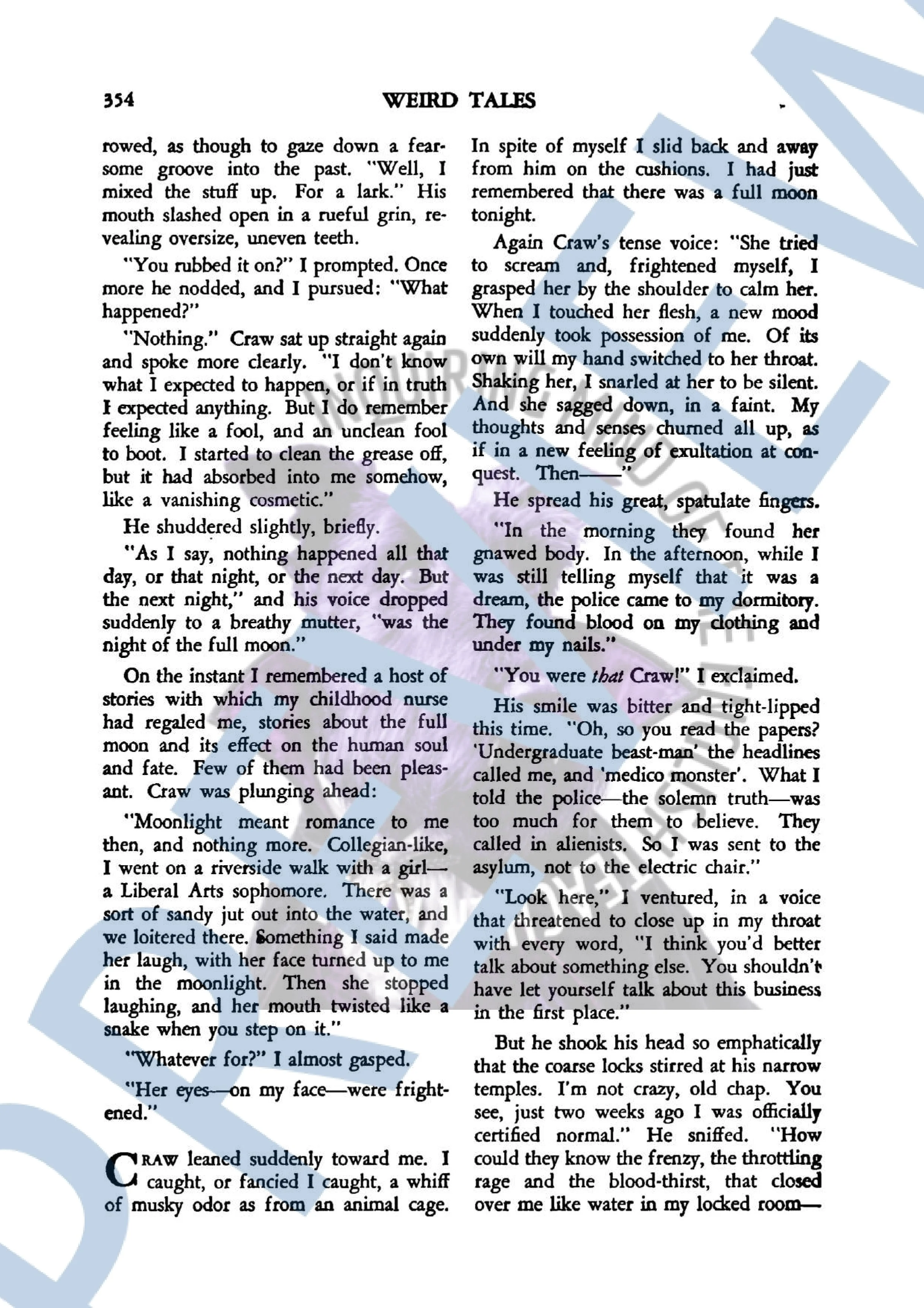
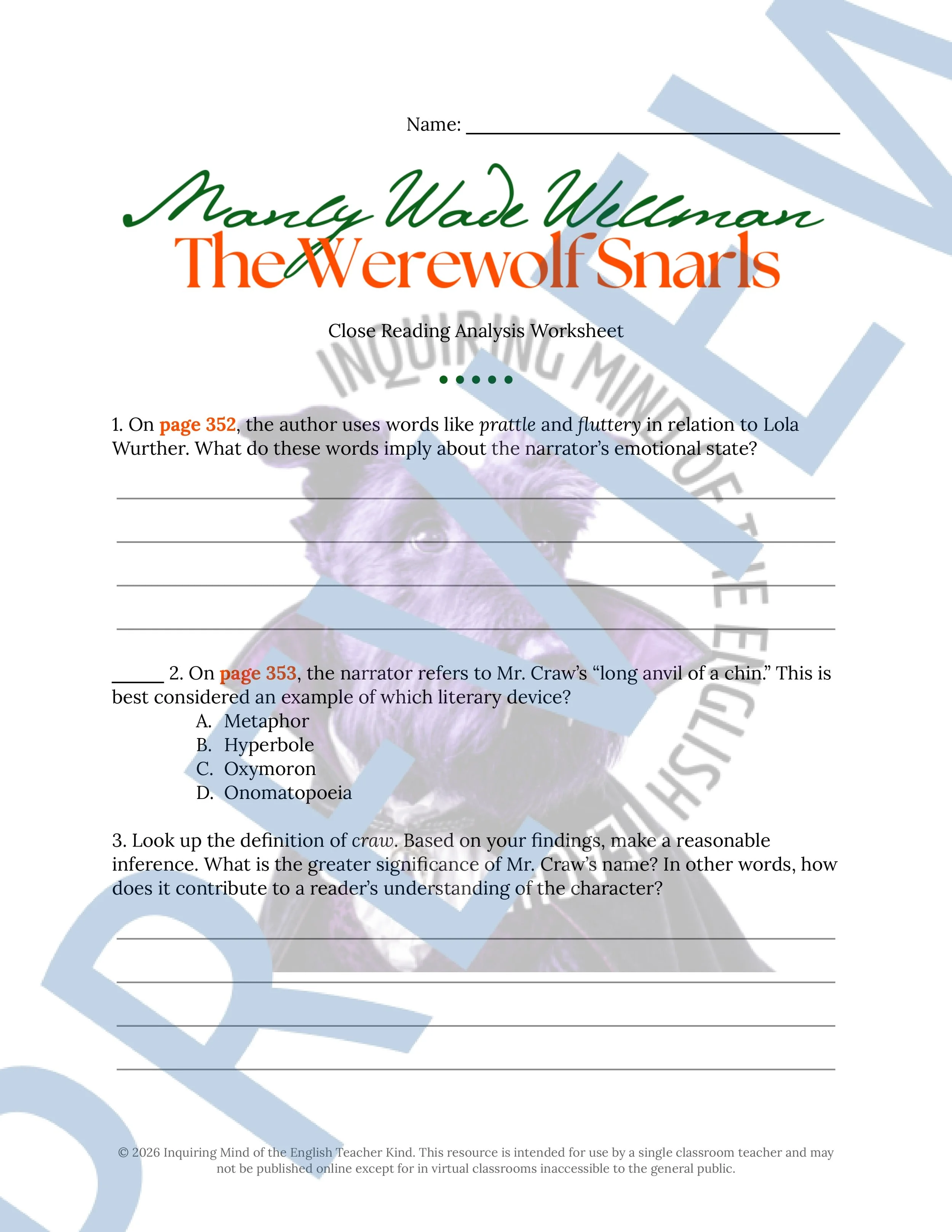
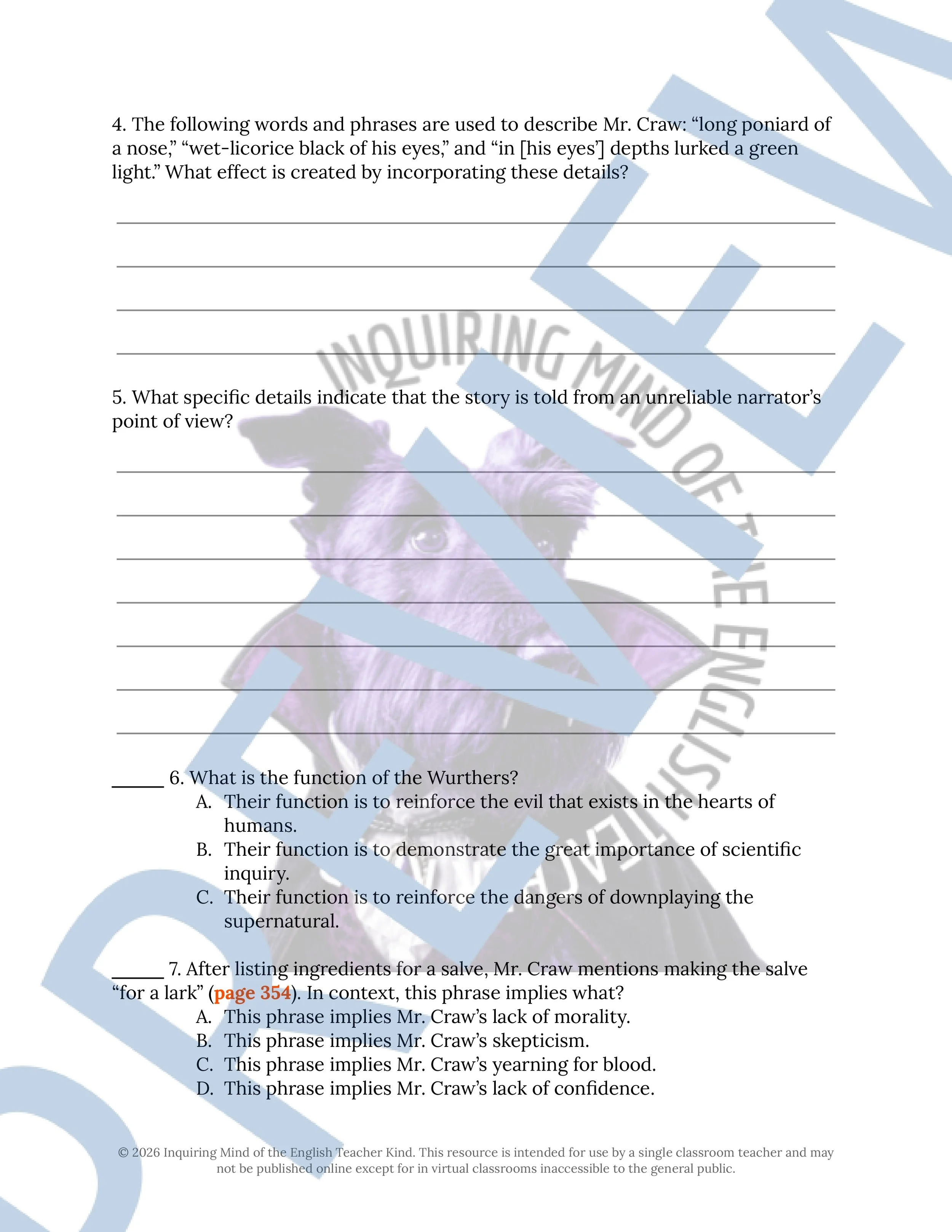
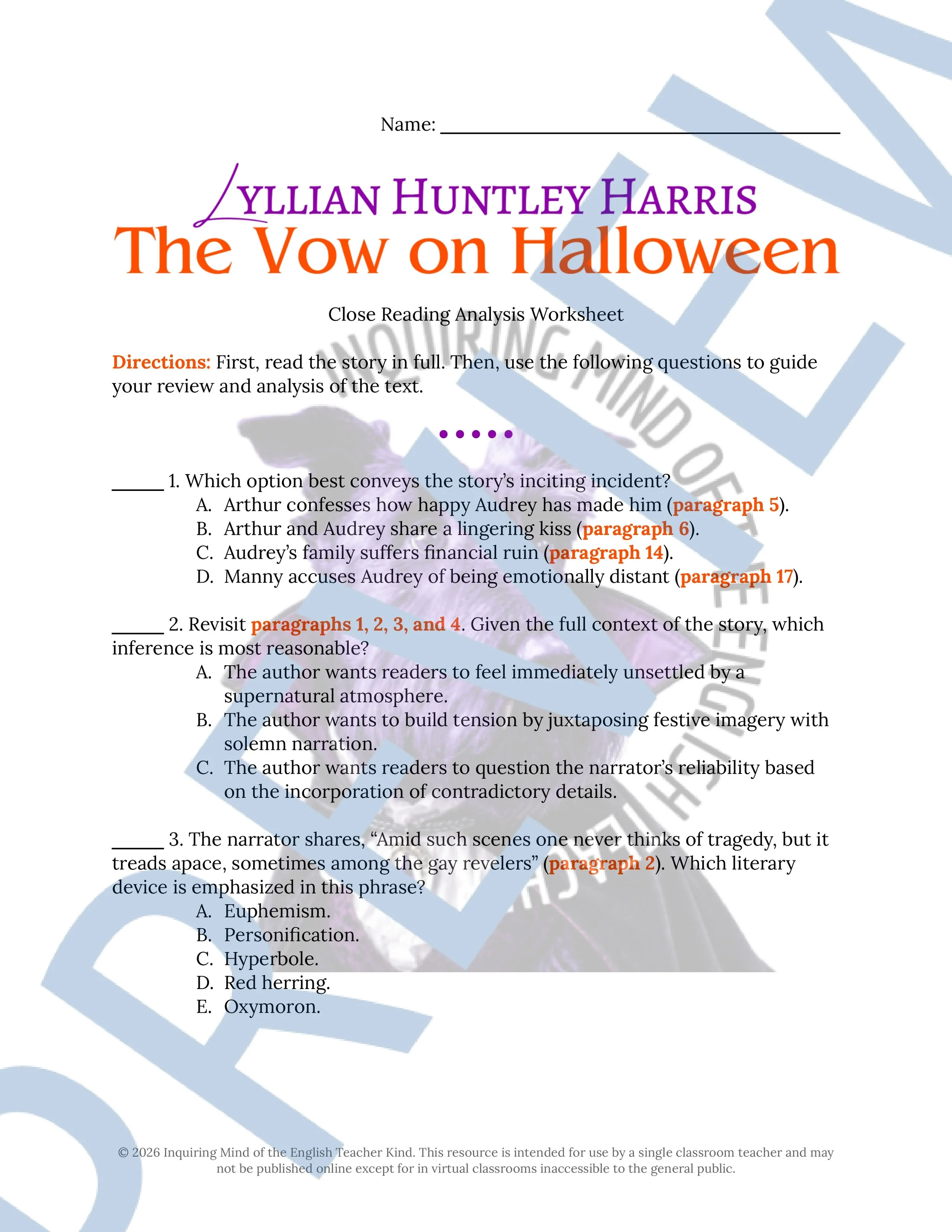
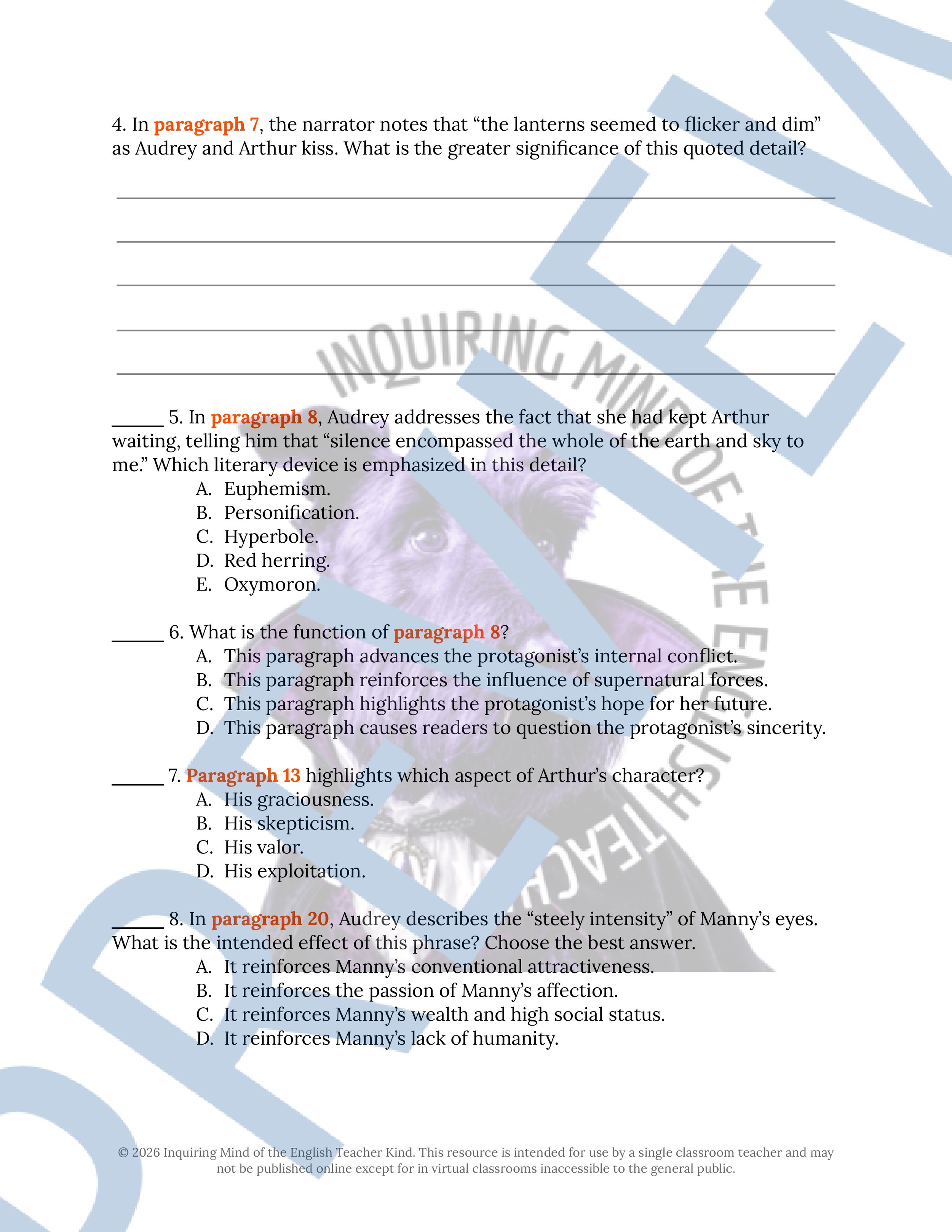
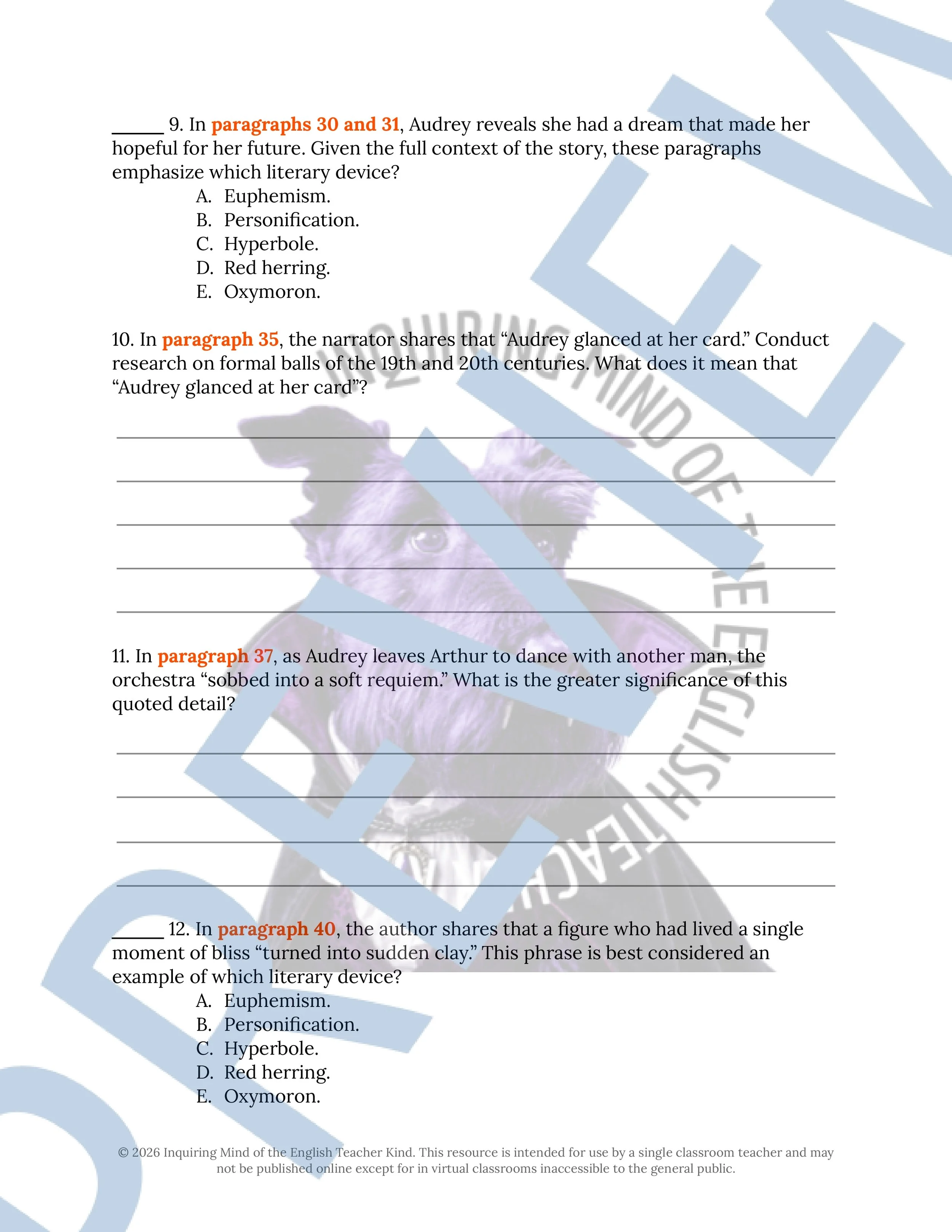
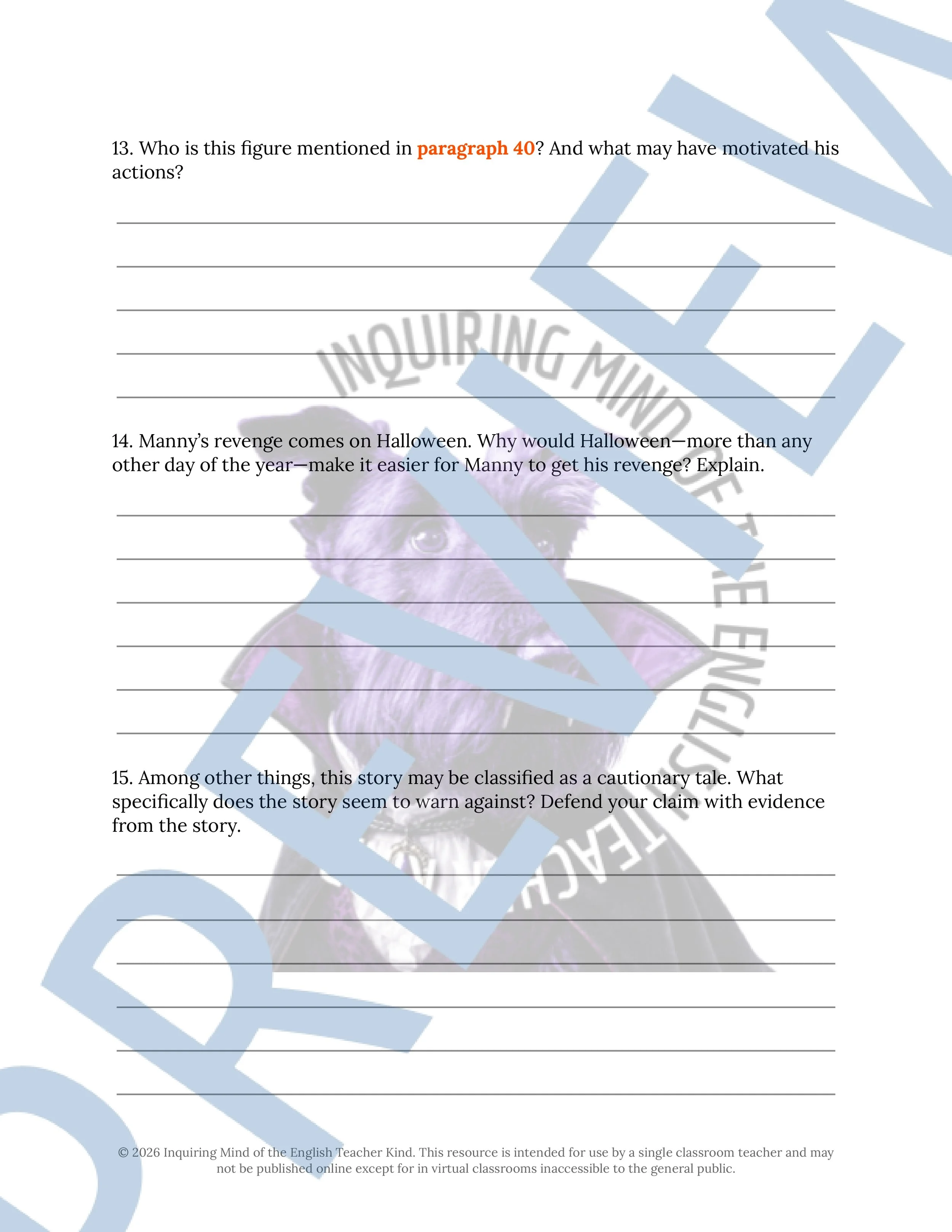
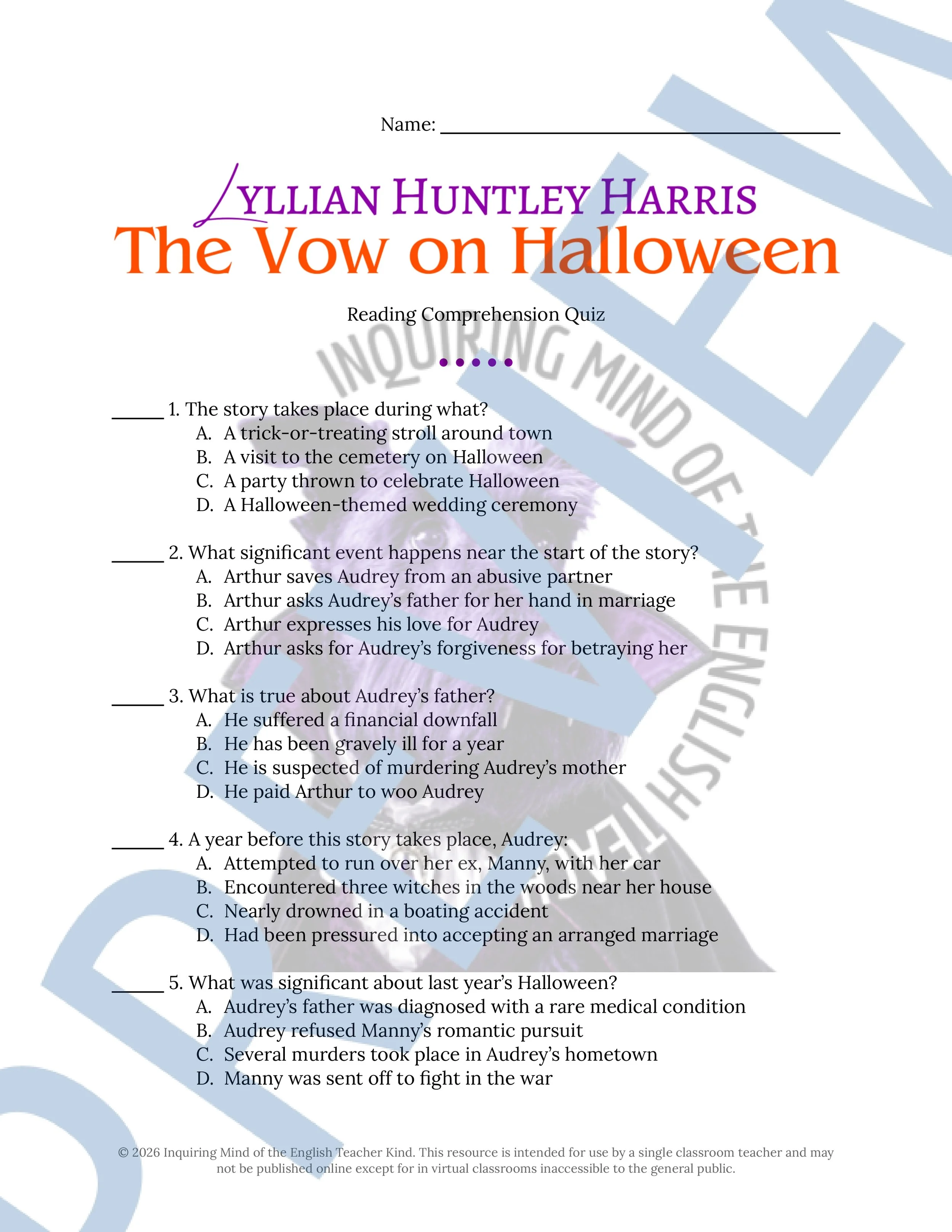
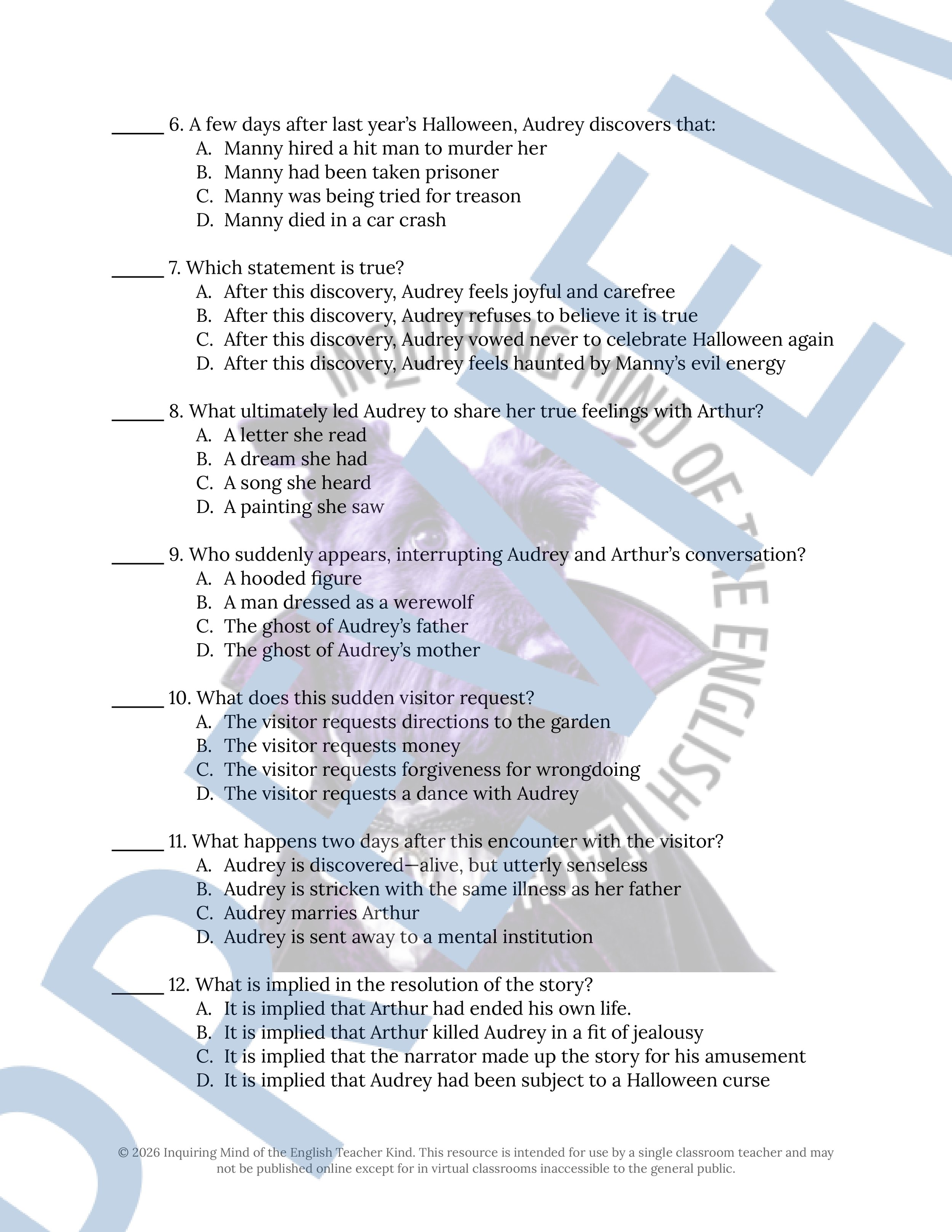
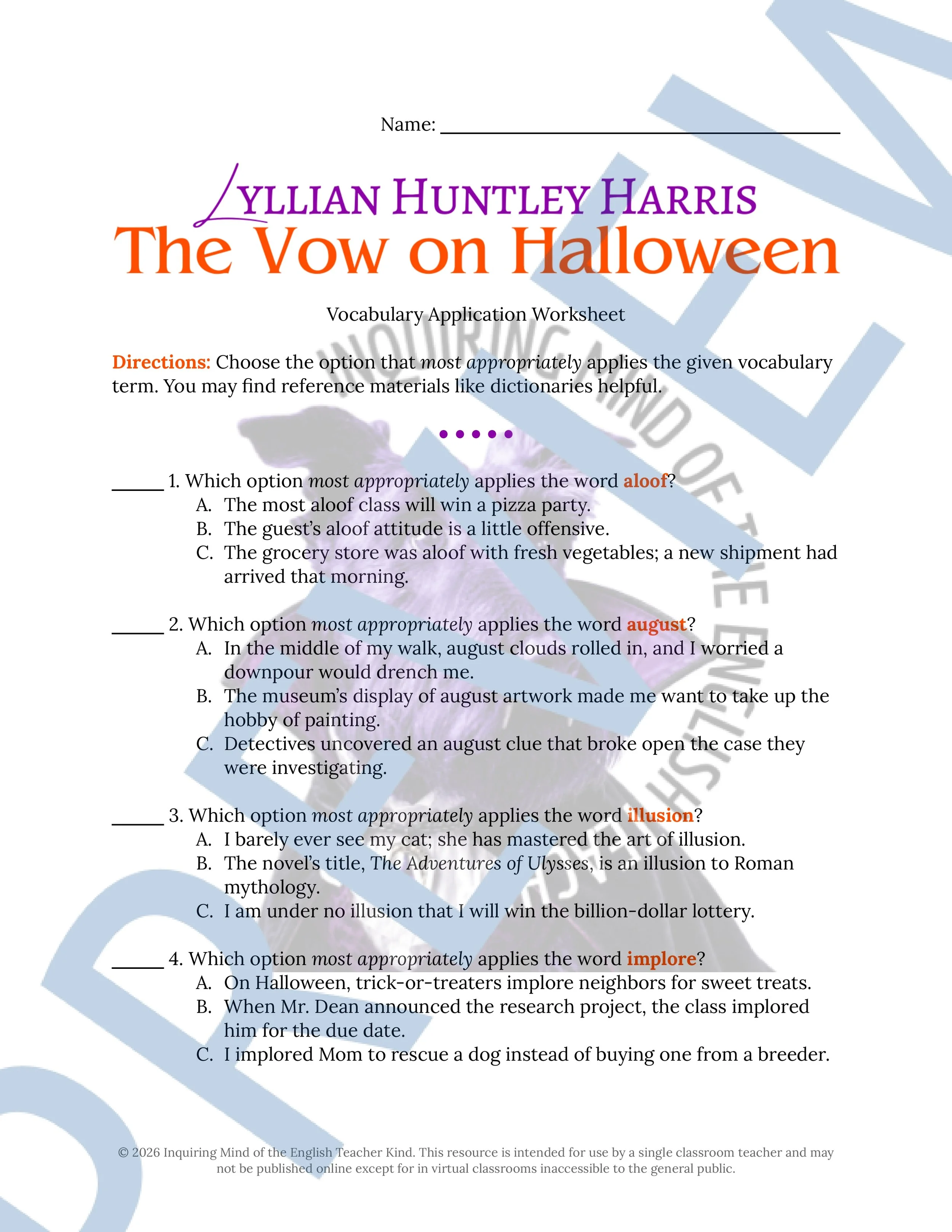
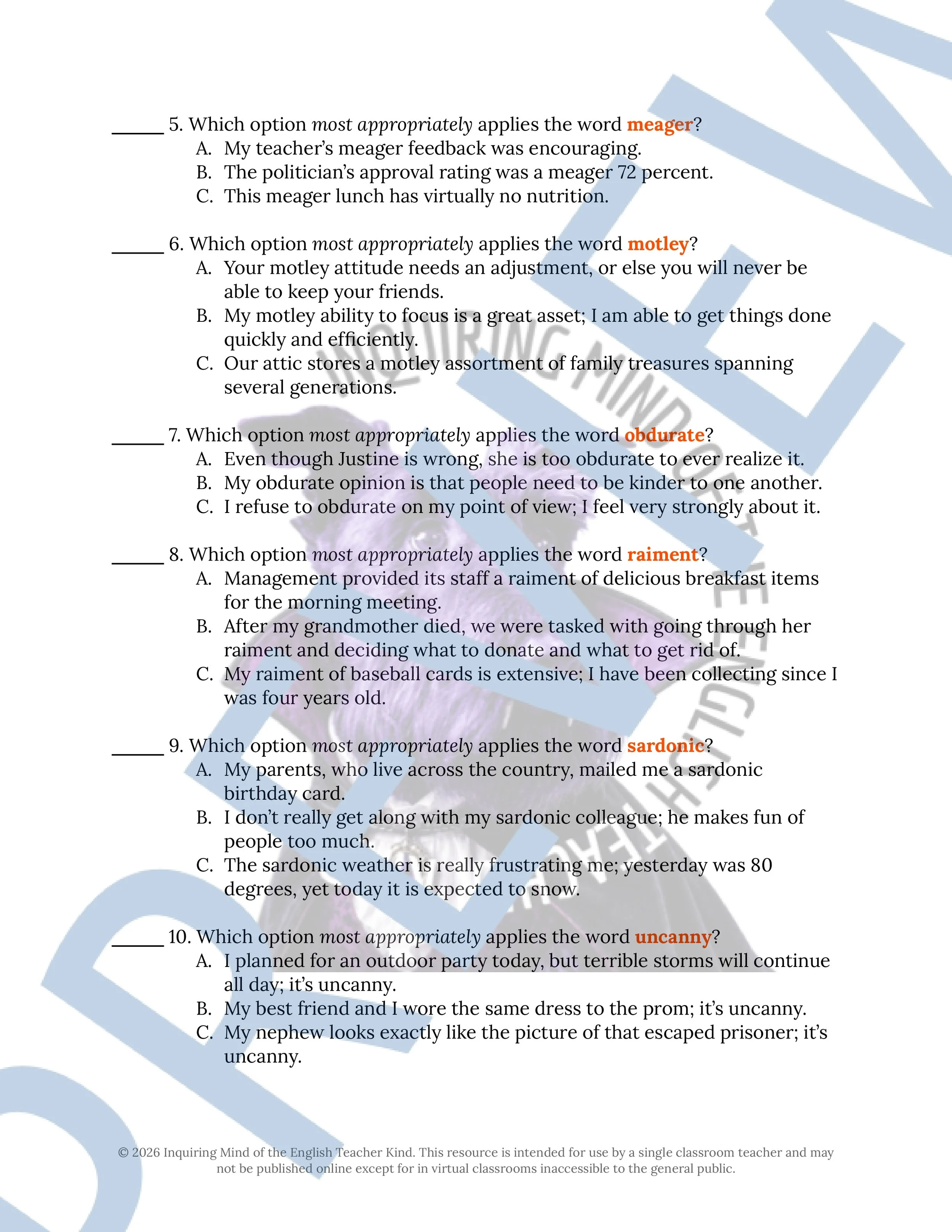
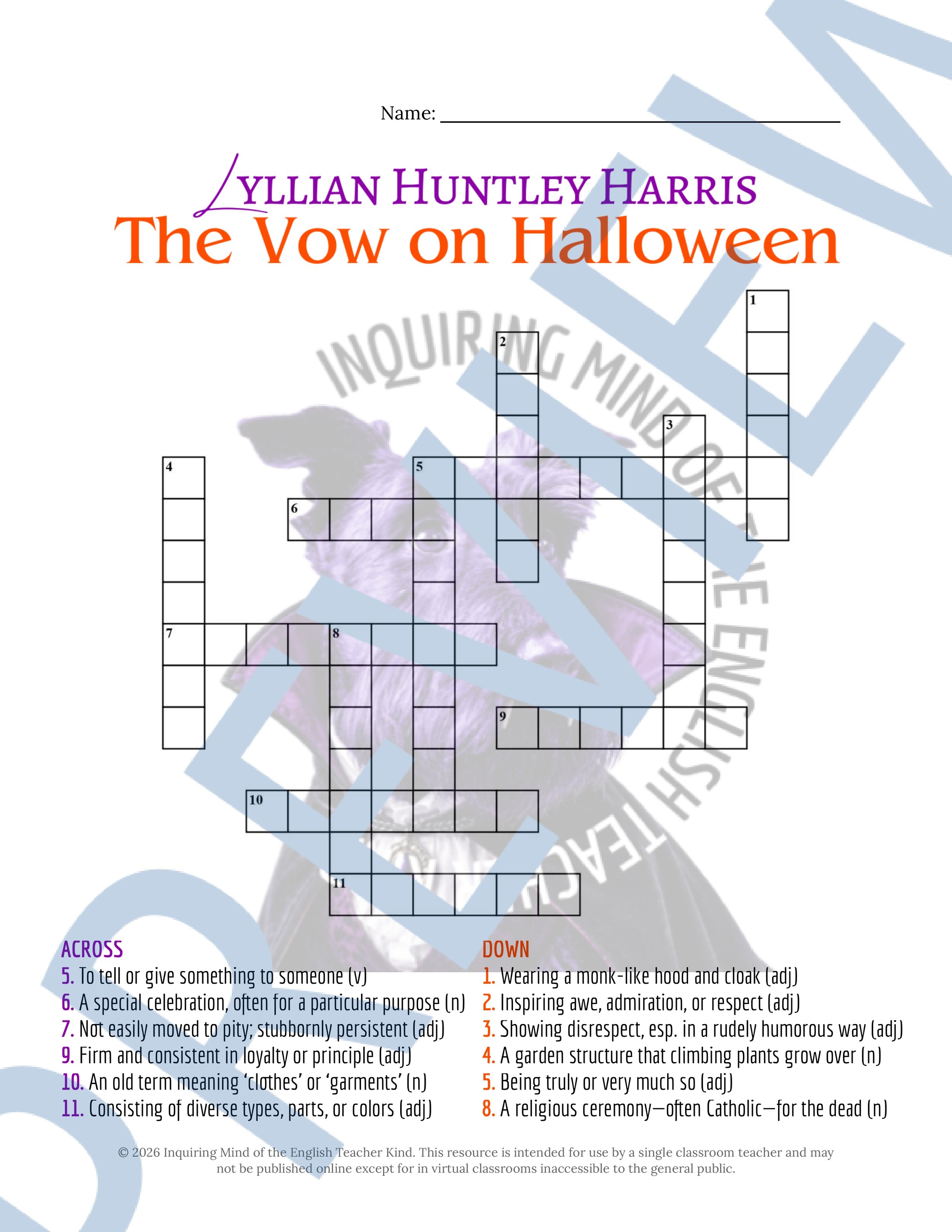
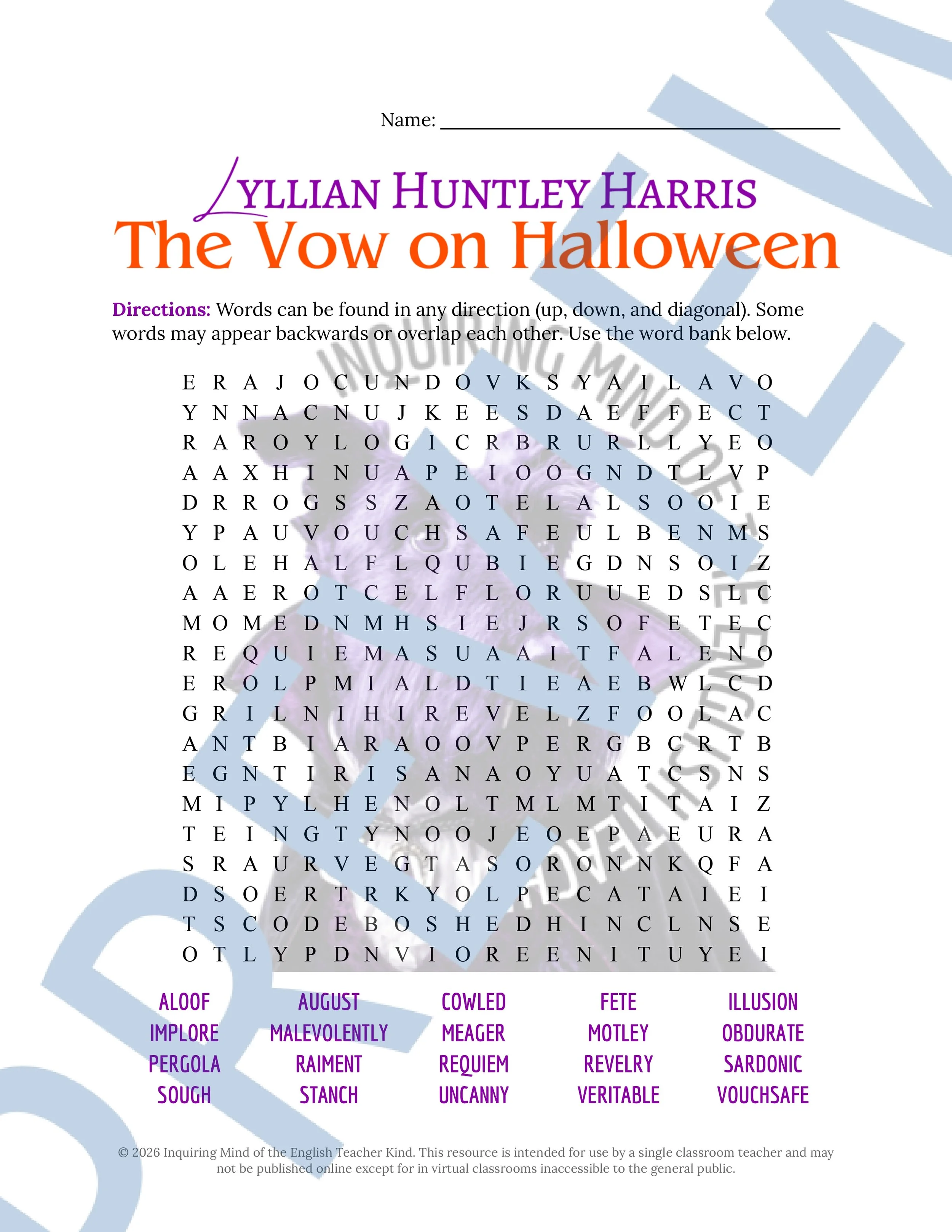
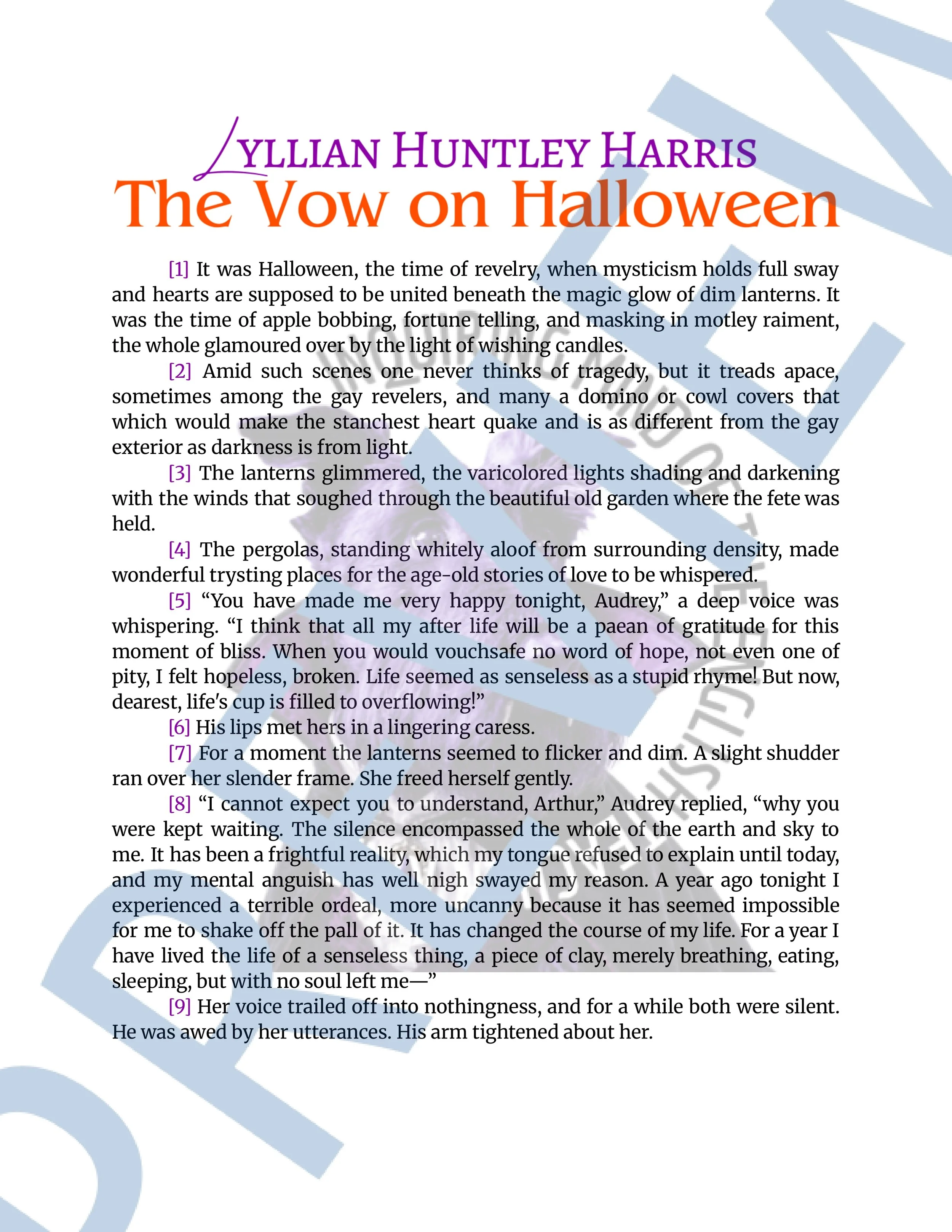
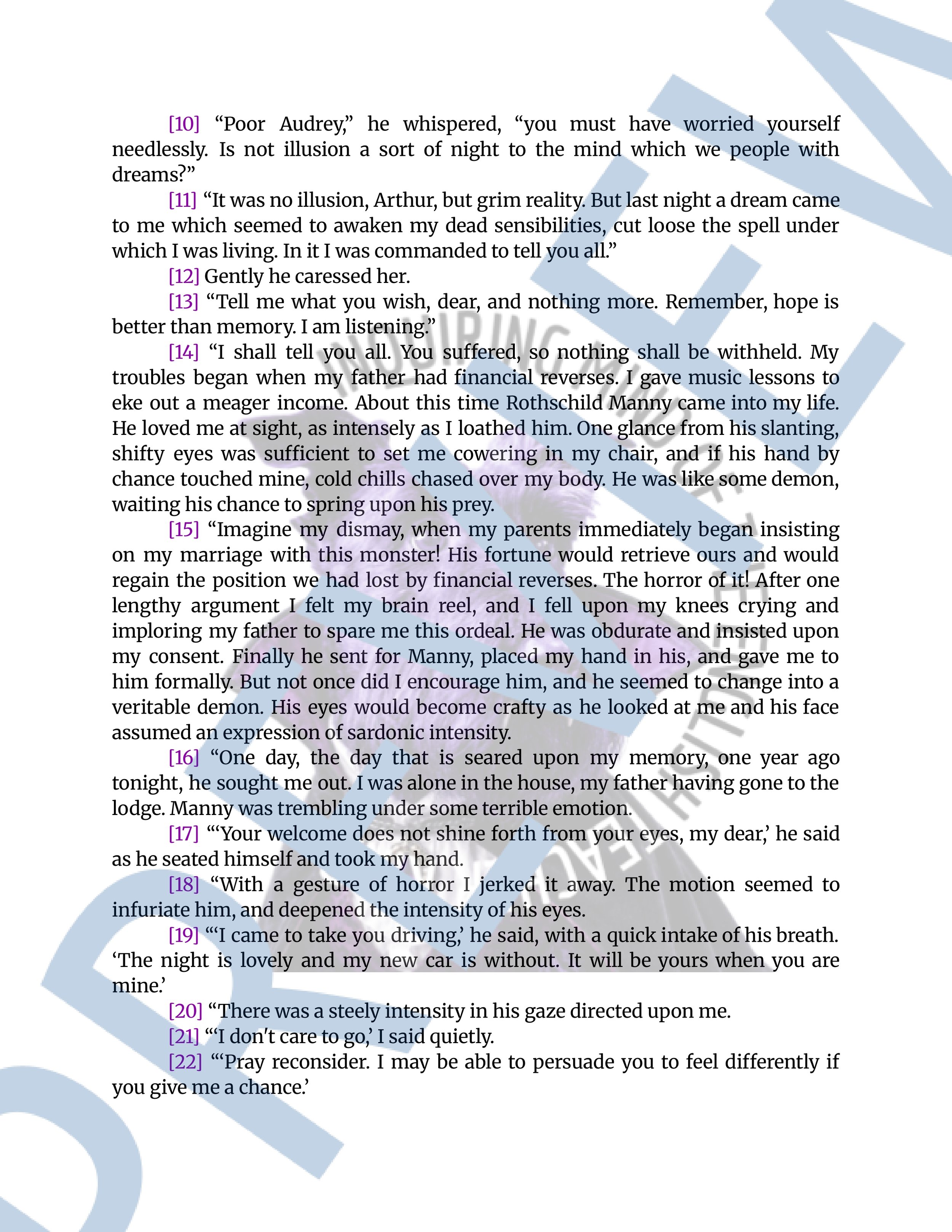
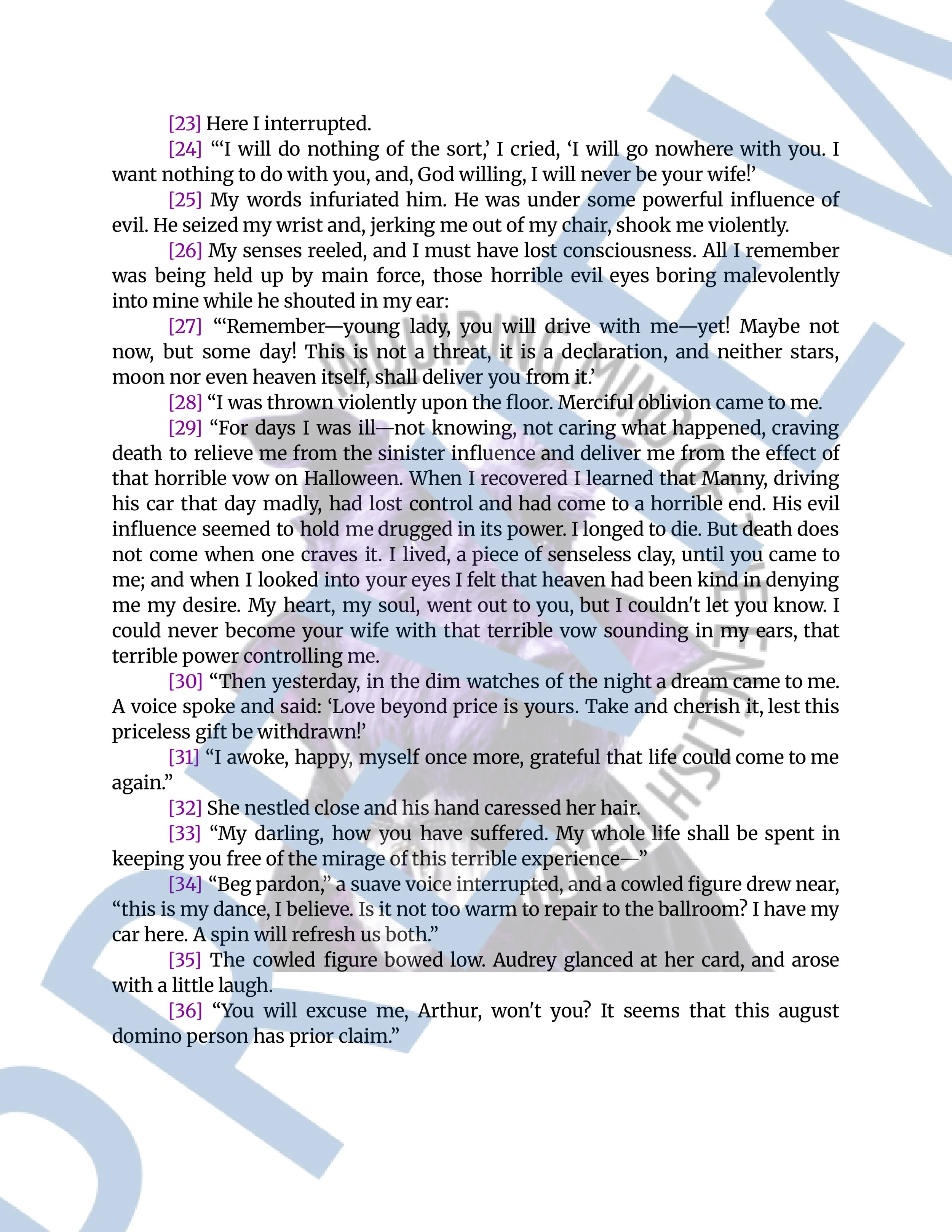
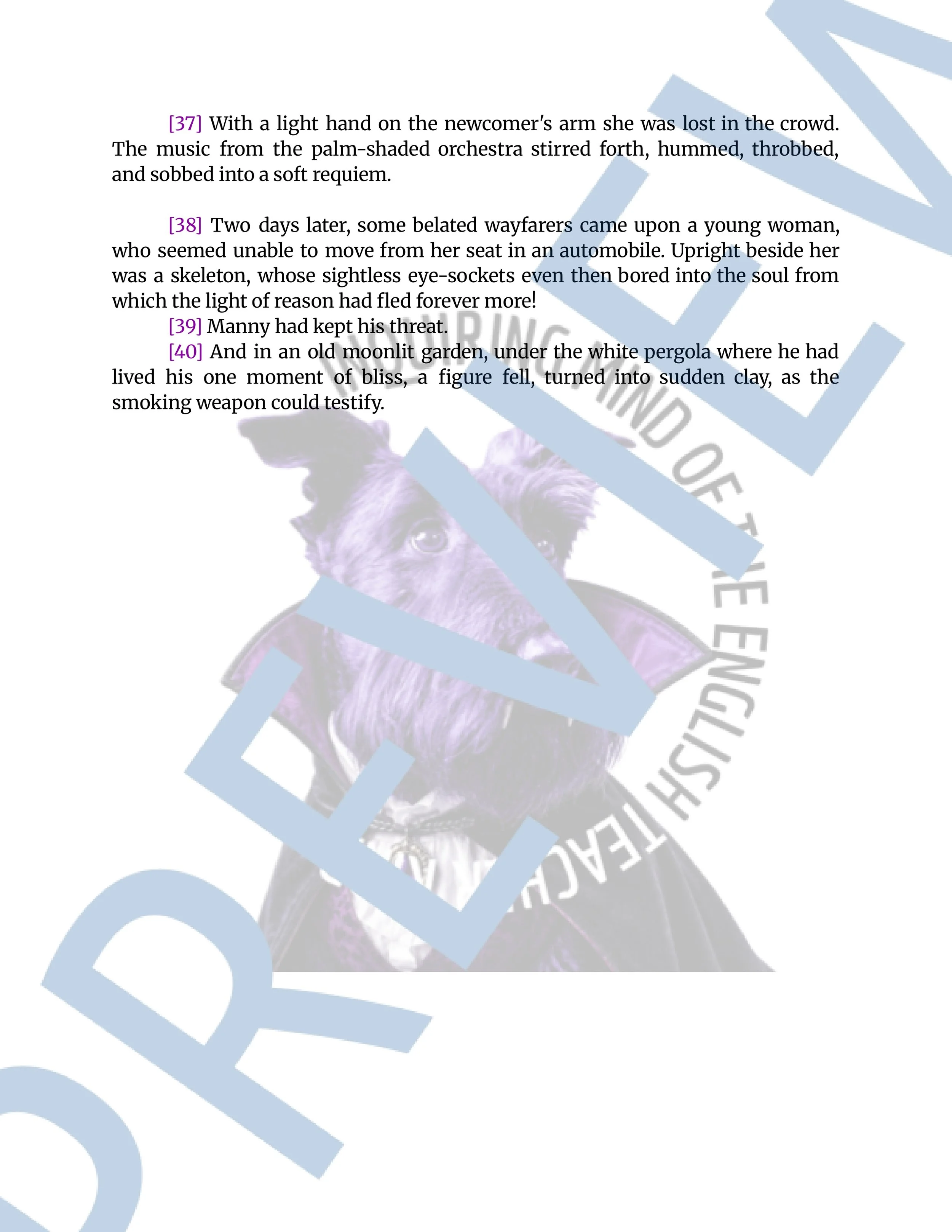
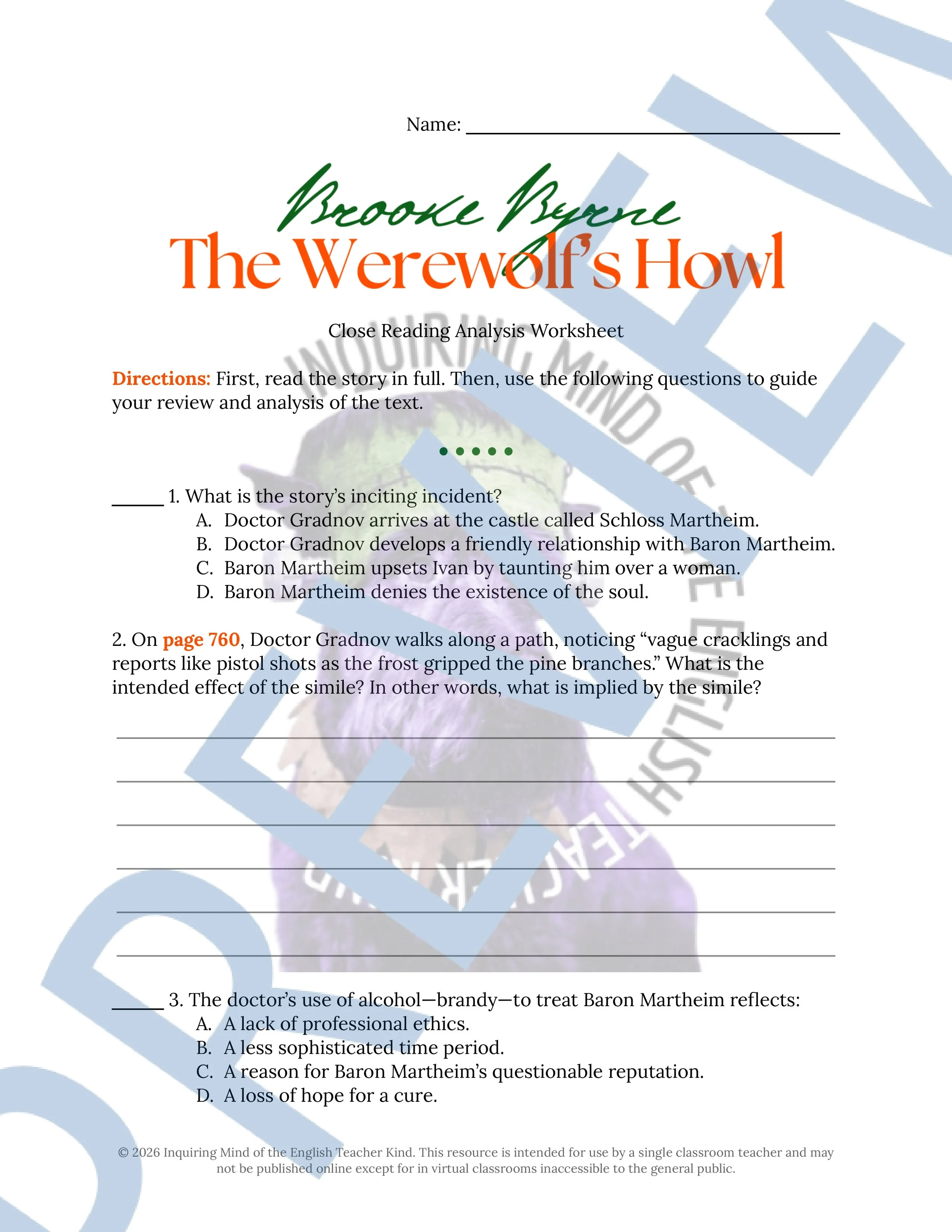
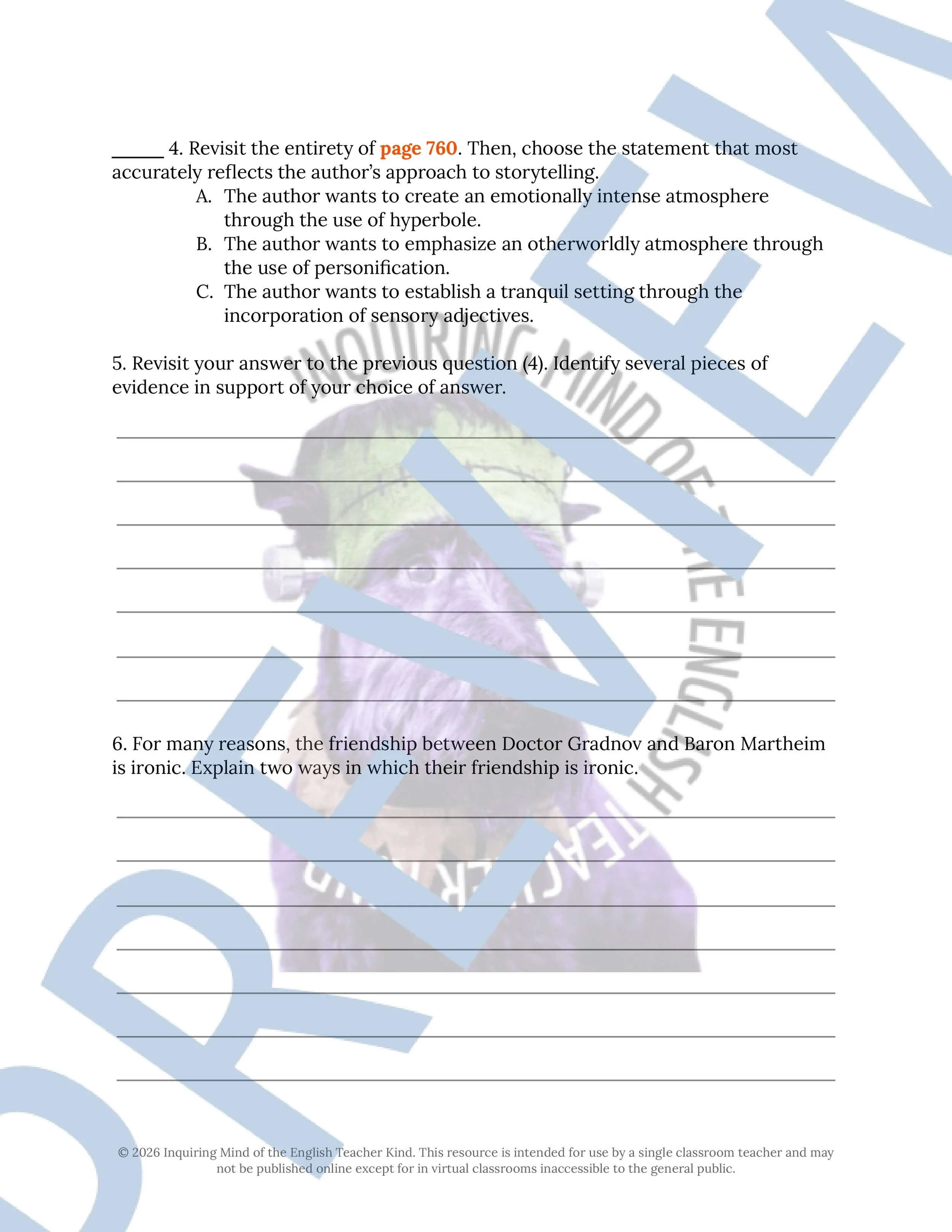
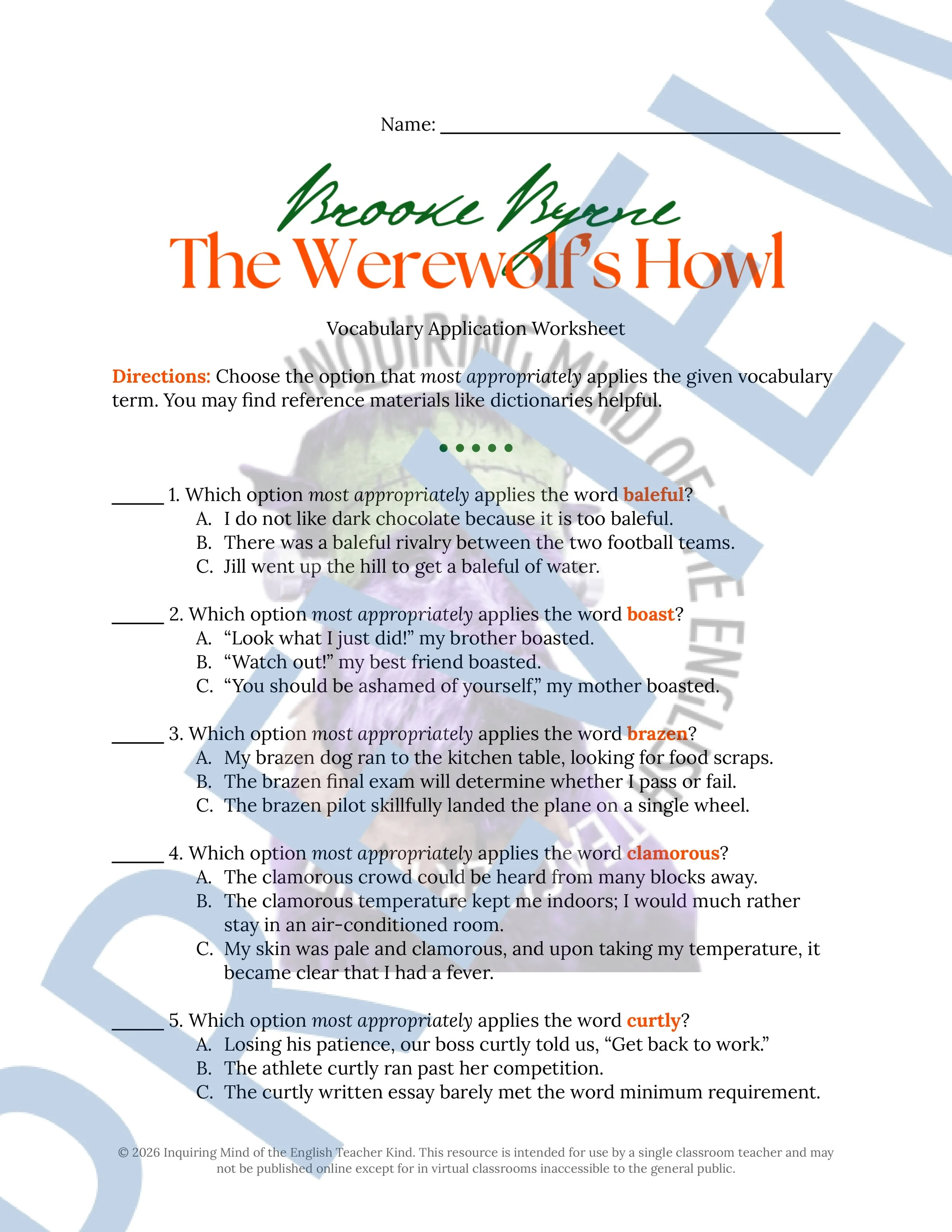
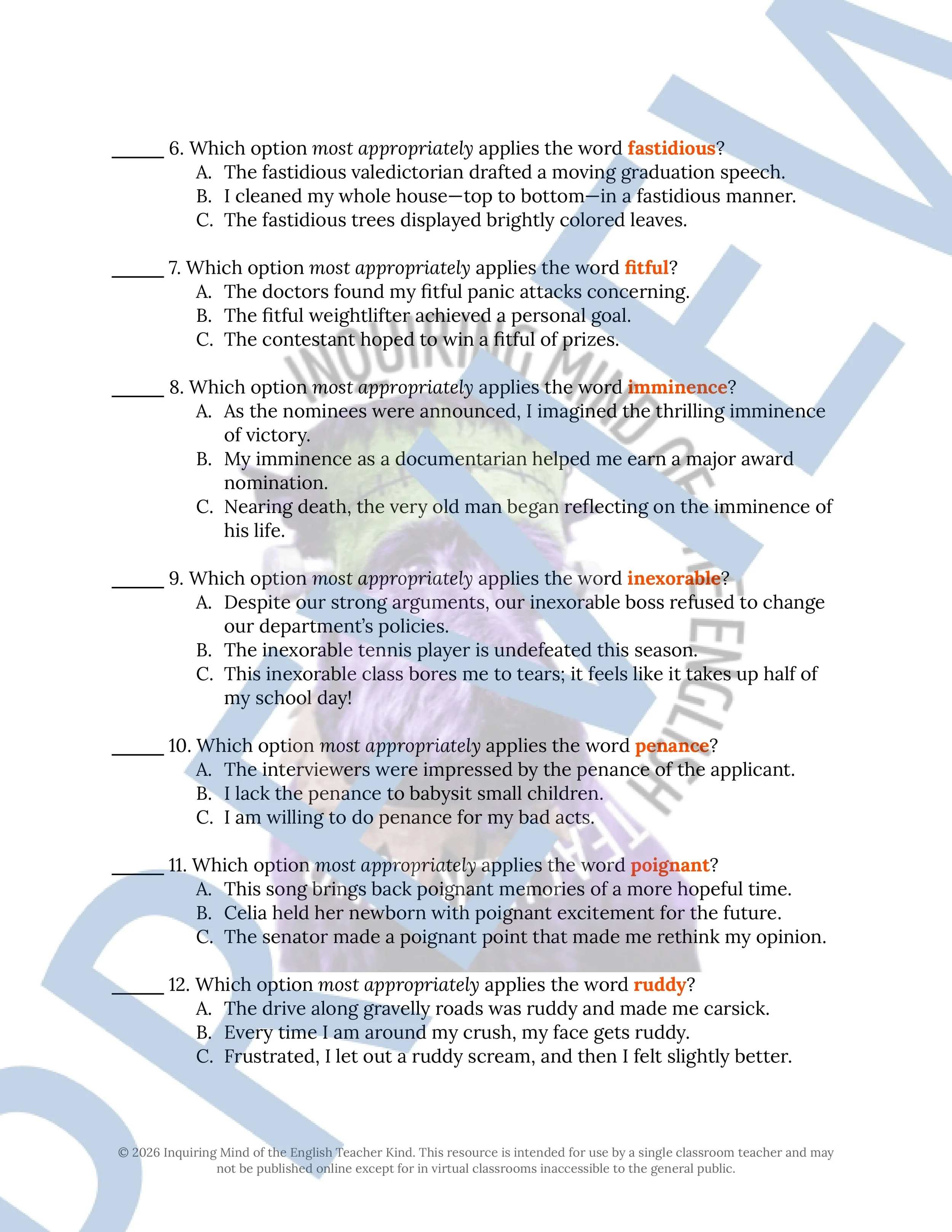
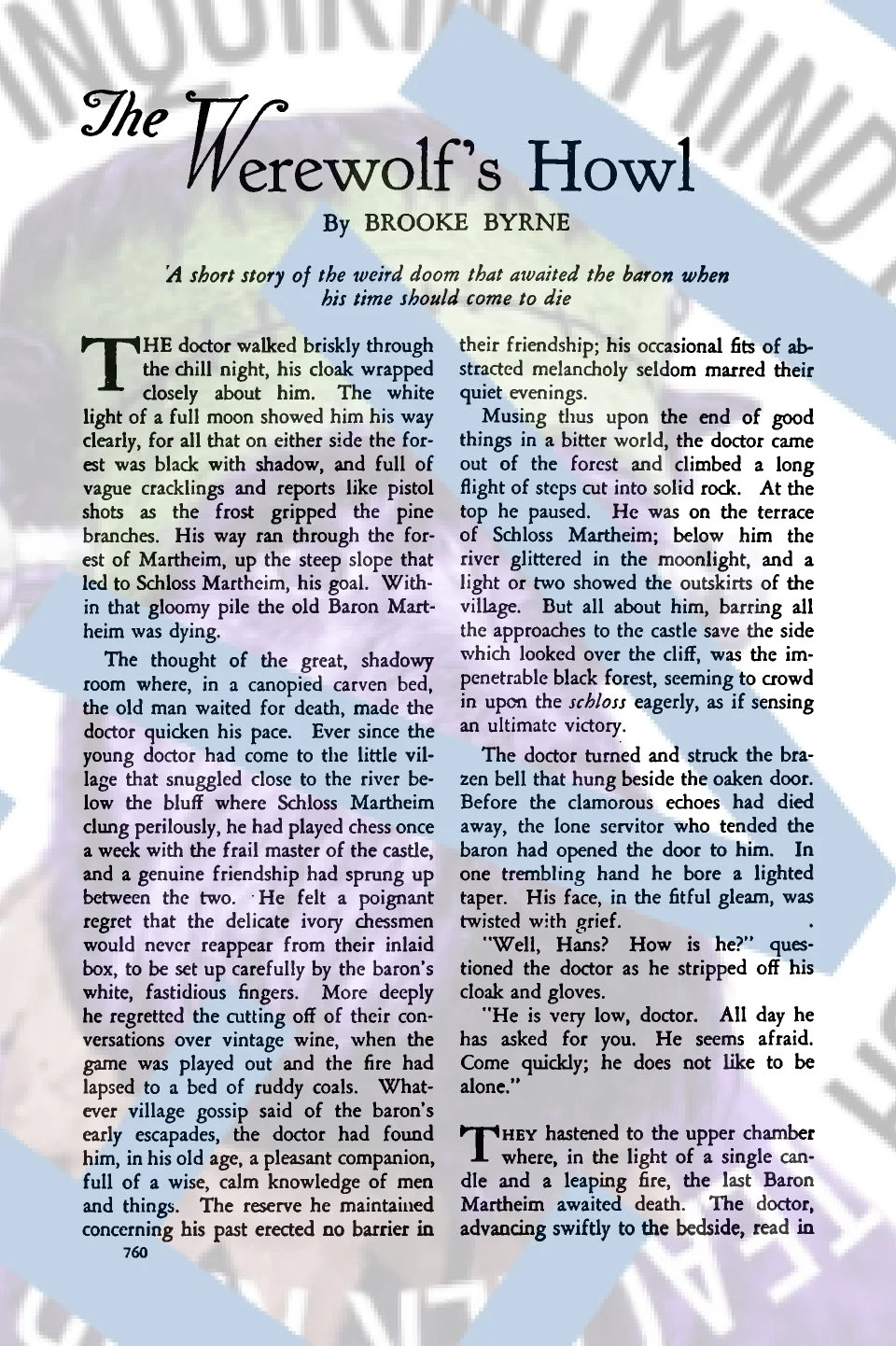
Engage high school readers with these activities and assessments for "The Hungry Ghost" by Emil Petaja, a short paranormal horror story (perfect for Halloween) that explores the effects of a man's guilty conscience after the starvation death of a relative. A reading comprehension quiz, literary analysis activity, vocabulary worksheet, crossword puzzle, word search game, copy of the narrative, and answer keys are included. By engaging with these materials, students will:

  • Identify what the text states explicitly.

  • Explore challenging vocabulary.

  • Identify the story's inciting incident.

  • Interpret idiomatic phrases (e.g., "sheep's eyes").

  • Infer the intended effects of word choices and phrases in context (e.g., "chirped" and "little puppy noises").

  • Infer the intended effects of the author's stylistic choices (e.g., repetition).

  • Apply knowledge of literary devices (e.g., euphemism, invective, paradox, and more).

  • Explain the greater significance of given details (e.g., why the author mentioned that "Gordon performed beautifully at the inquest").

  • Explain how a given detail is an example of foreshadowing (e.g., the protagonist's recitation of a "litany of exorcism").

  • Explain the irony associated with a character's actions (e.g., Esther's redecoration efforts).

  • Consider themes in context.

  • Evaluate whether the protagonist is a murderer beyond a reasonable doubt.

  • Support claims with relevant textual evidence.

The materials are delivered in editable Word Document and printable PDF formats. (Alternatively, a Google Drive bundle option is available.)

Resources are available for teaching short stories of various genres:

Engage high school readers with these activities and assessments for "The Hungry Ghost" by Emil Petaja, a short paranormal horror story (perfect for Halloween) that explores the effects of a man's guilty conscience after the starvation death of a relative. A reading comprehension quiz, literary analysis activity, vocabulary worksheet, crossword puzzle, word search game, copy of the narrative, and answer keys are included. By engaging with these materials, students will:

  • Identify what the text states explicitly.

  • Explore challenging vocabulary.

  • Identify the story's inciting incident.

  • Interpret idiomatic phrases (e.g., "sheep's eyes").

  • Infer the intended effects of word choices and phrases in context (e.g., "chirped" and "little puppy noises").

  • Infer the intended effects of the author's stylistic choices (e.g., repetition).

  • Apply knowledge of literary devices (e.g., euphemism, invective, paradox, and more).

  • Explain the greater significance of given details (e.g., why the author mentioned that "Gordon performed beautifully at the inquest").

  • Explain how a given detail is an example of foreshadowing (e.g., the protagonist's recitation of a "litany of exorcism").

  • Explain the irony associated with a character's actions (e.g., Esther's redecoration efforts).

  • Consider themes in context.

  • Evaluate whether the protagonist is a murderer beyond a reasonable doubt.

  • Support claims with relevant textual evidence.

The materials are delivered in editable Word Document and printable PDF formats. (Alternatively, a Google Drive bundle option is available.)

Resources are available for teaching short stories of various genres: