Image 1 of 10
Image 2 of 10
Image 3 of 10
Image 4 of 10
Image 5 of 10
Image 6 of 10
Image 7 of 10
Image 8 of 10
Image 9 of 10
Image 10 of 10
"A Tiger in the House" by Ruskin Bond | World Literature Activities | Story of Situational Irony
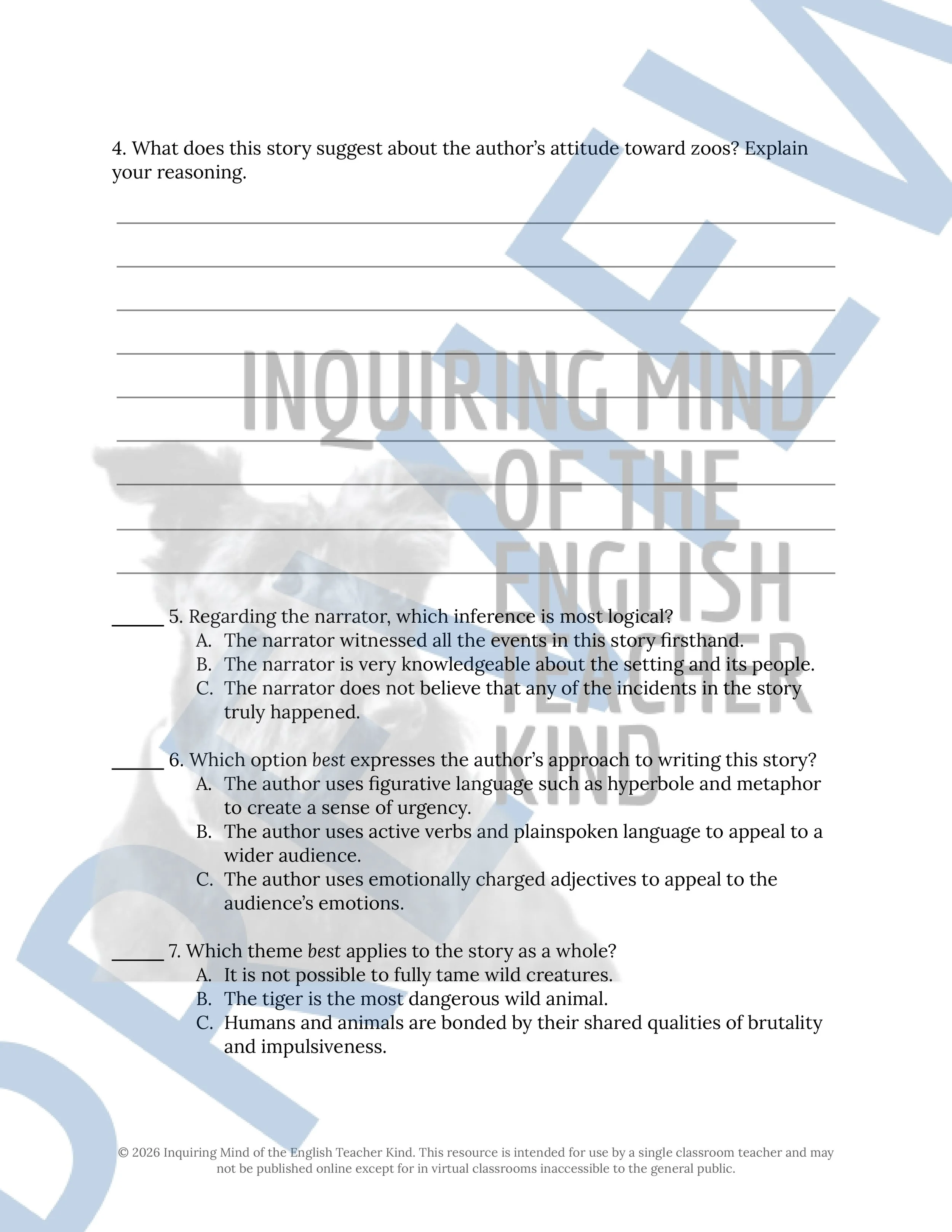
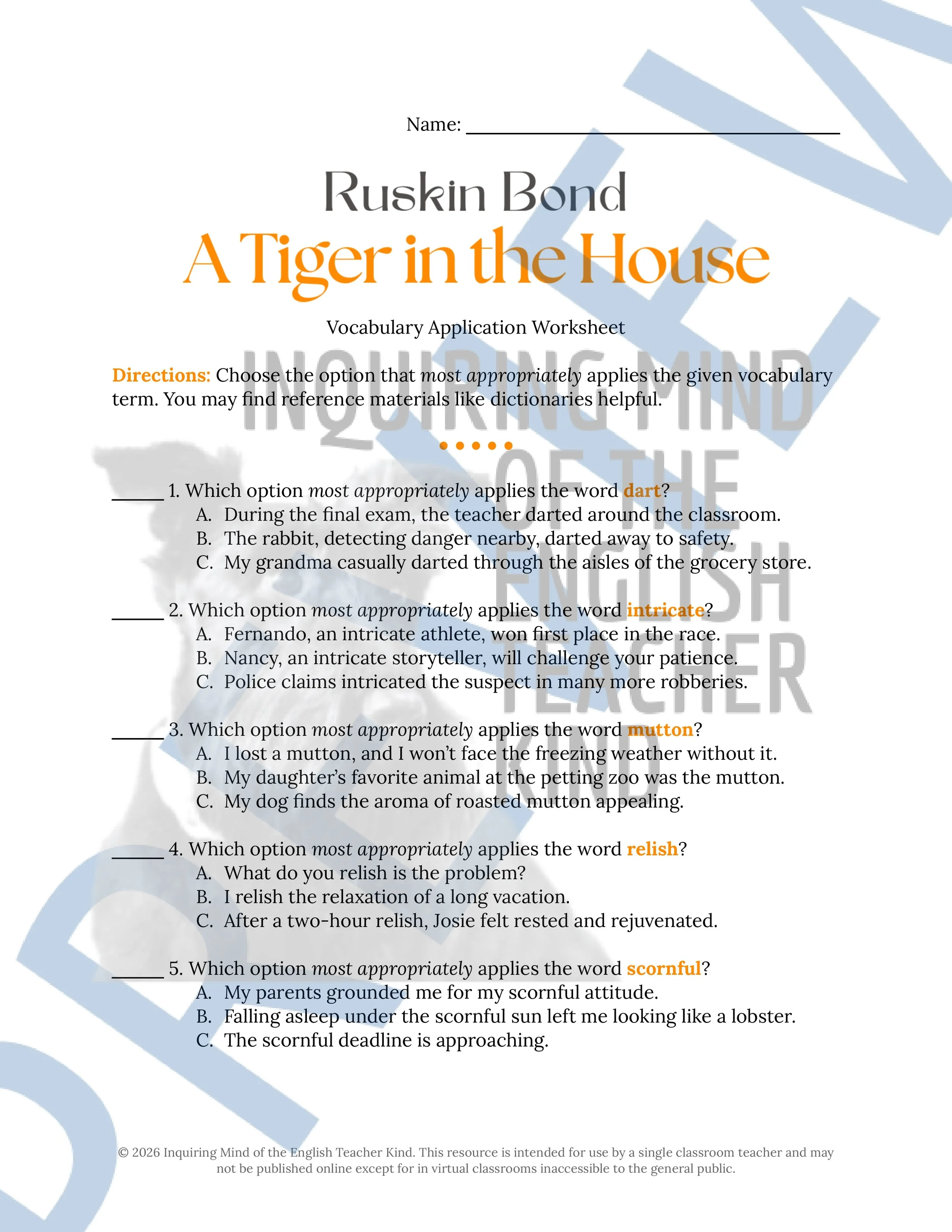
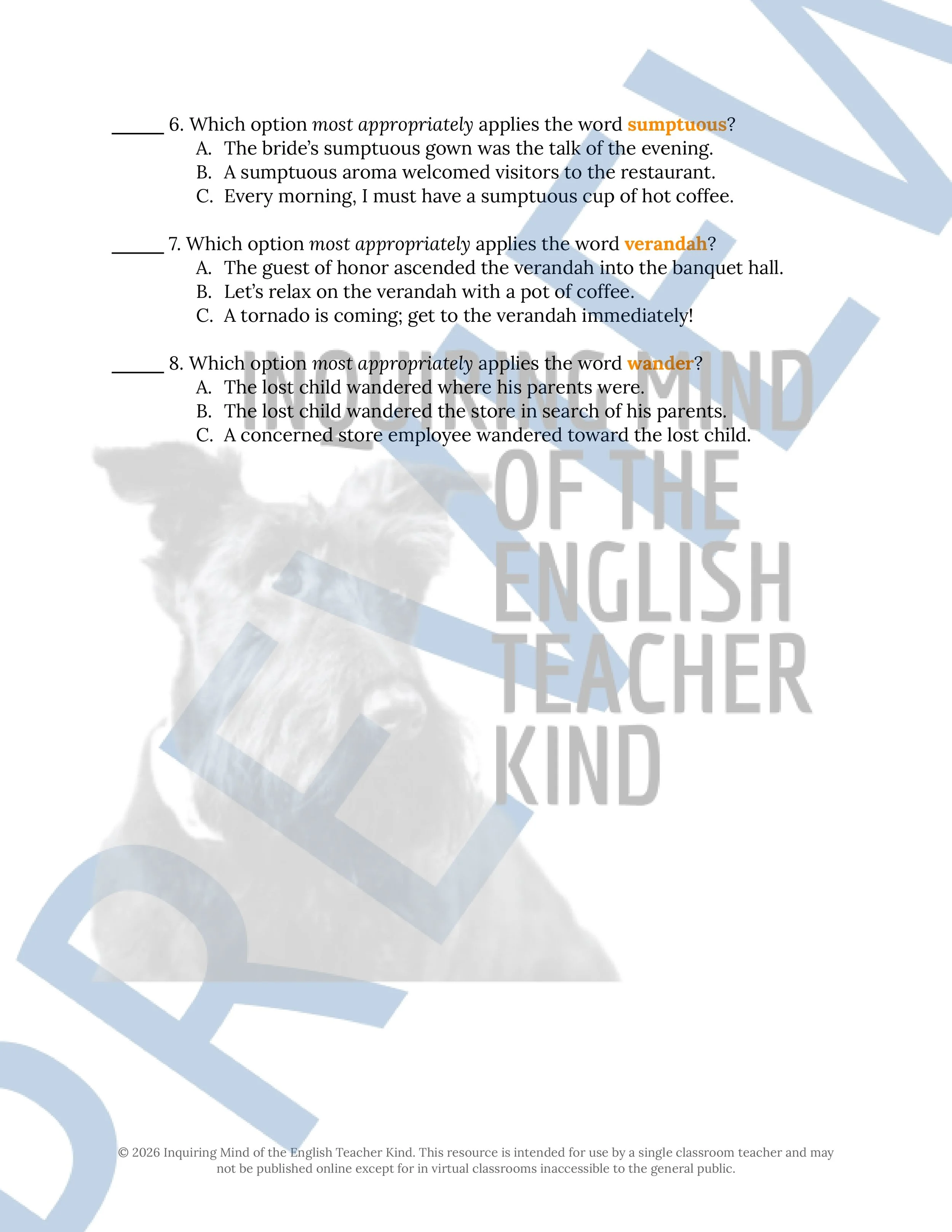
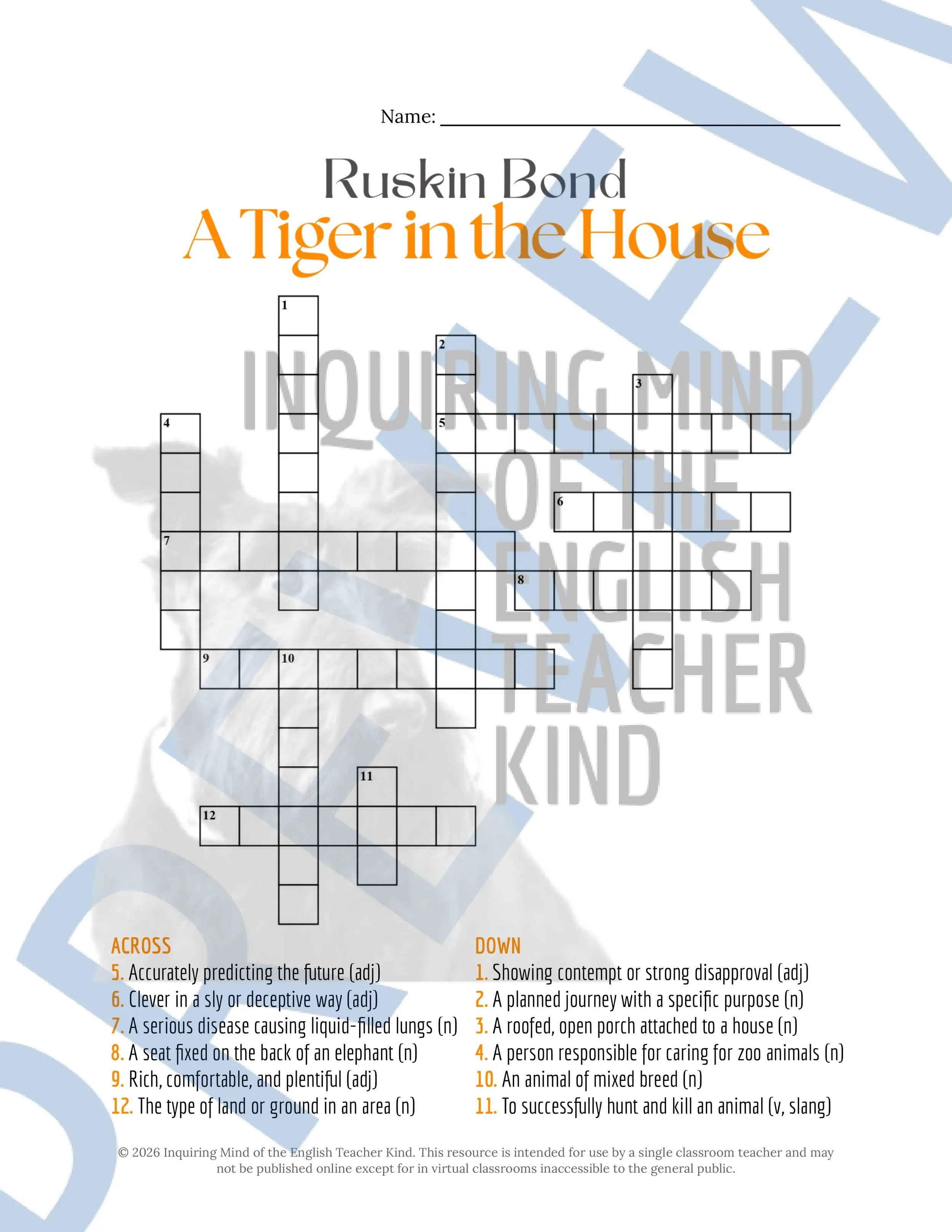
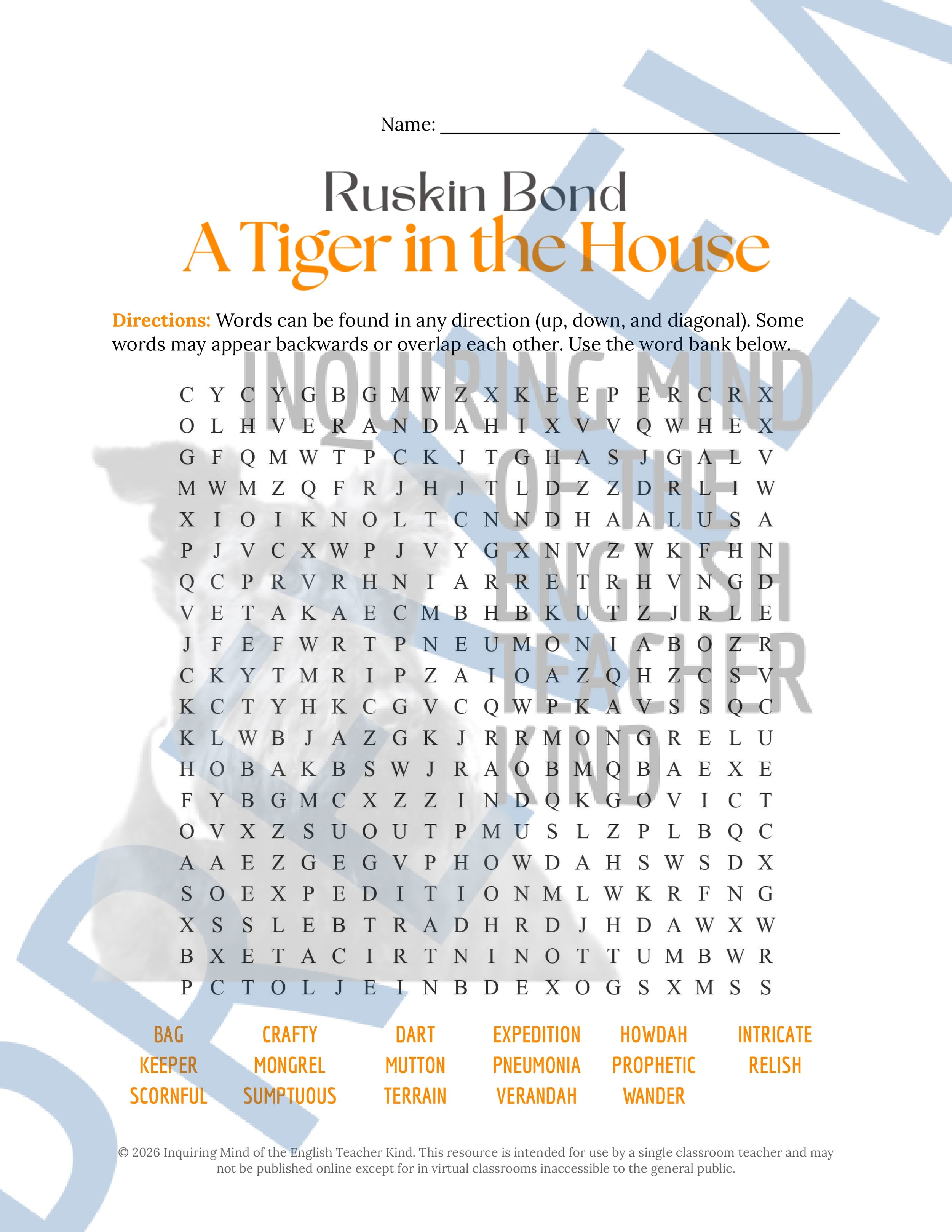
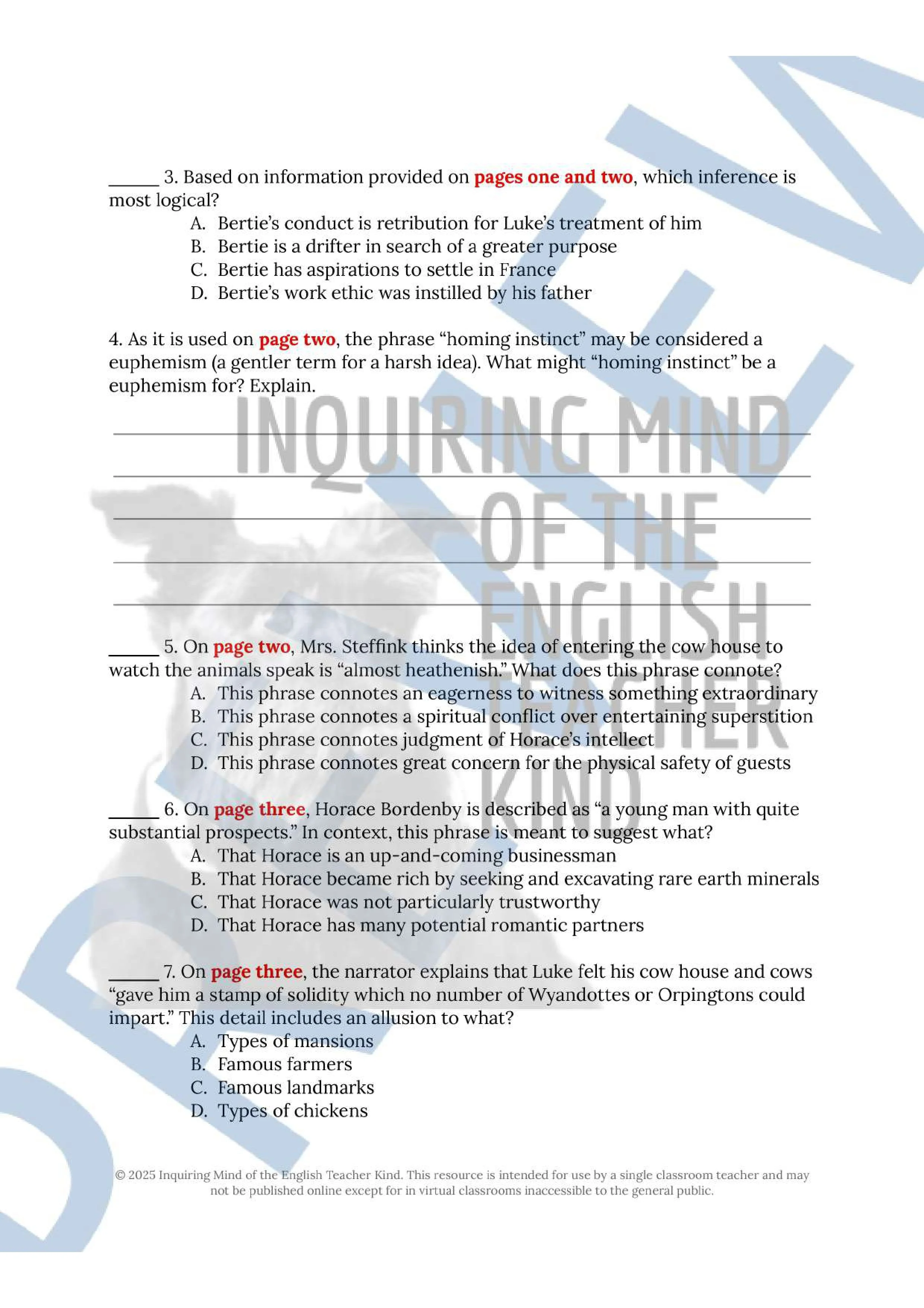
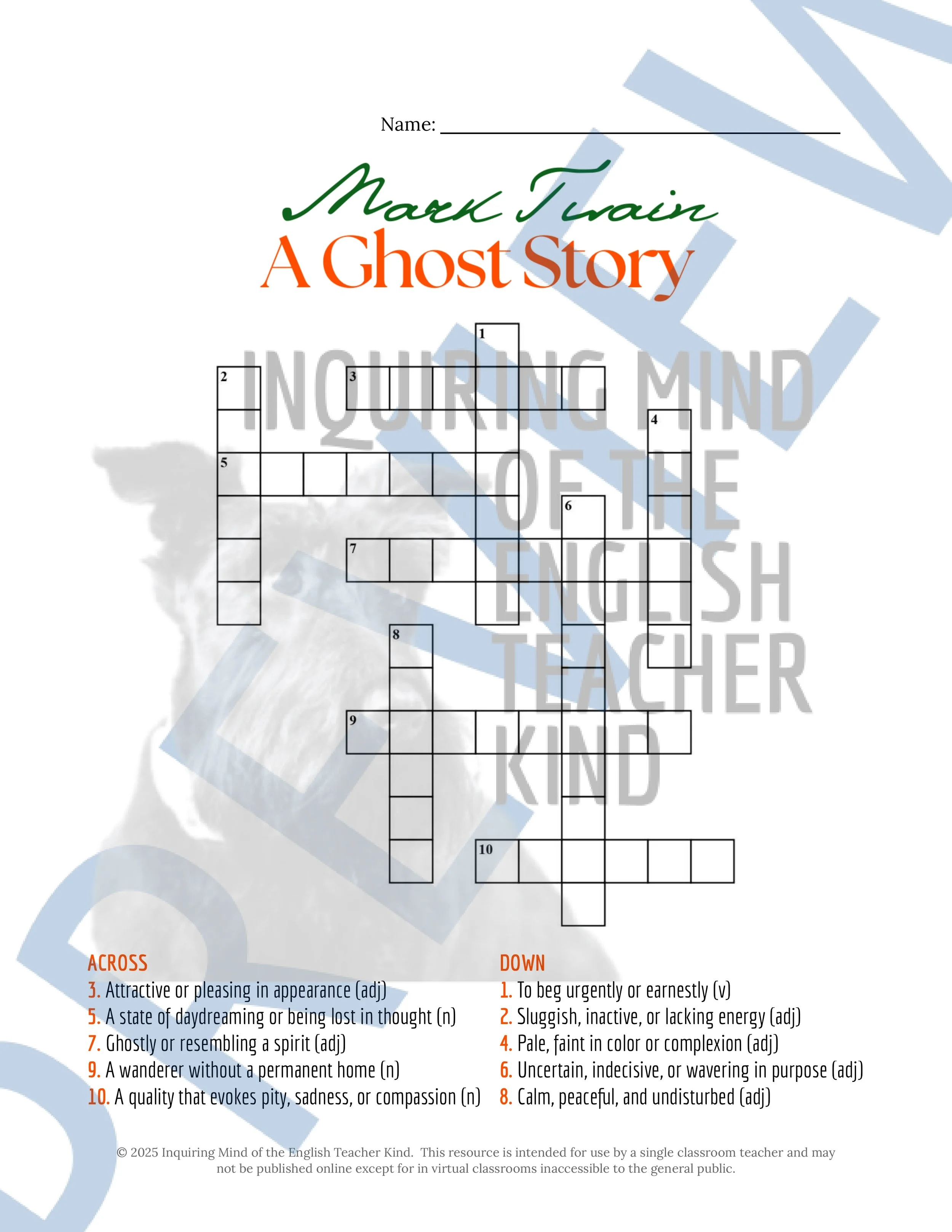
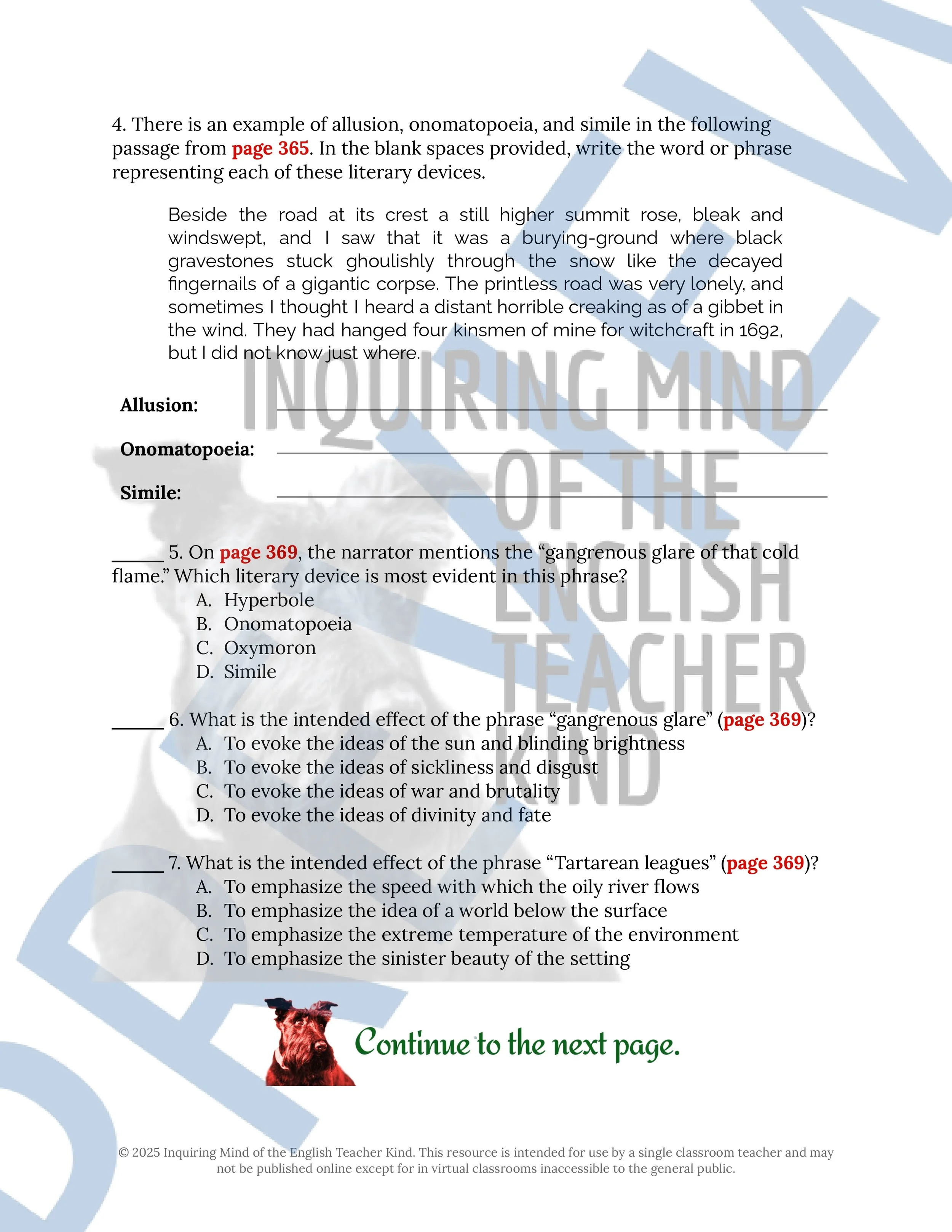
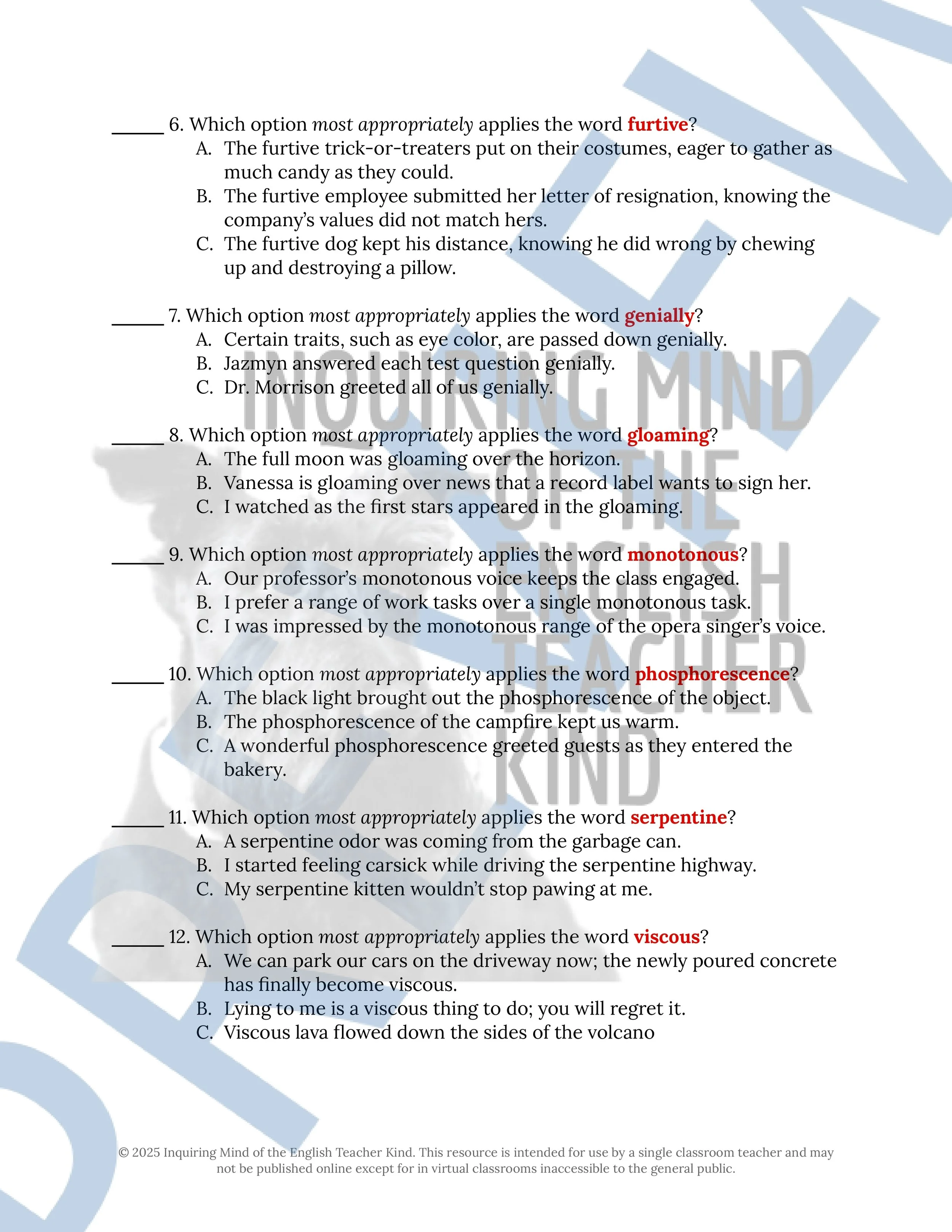
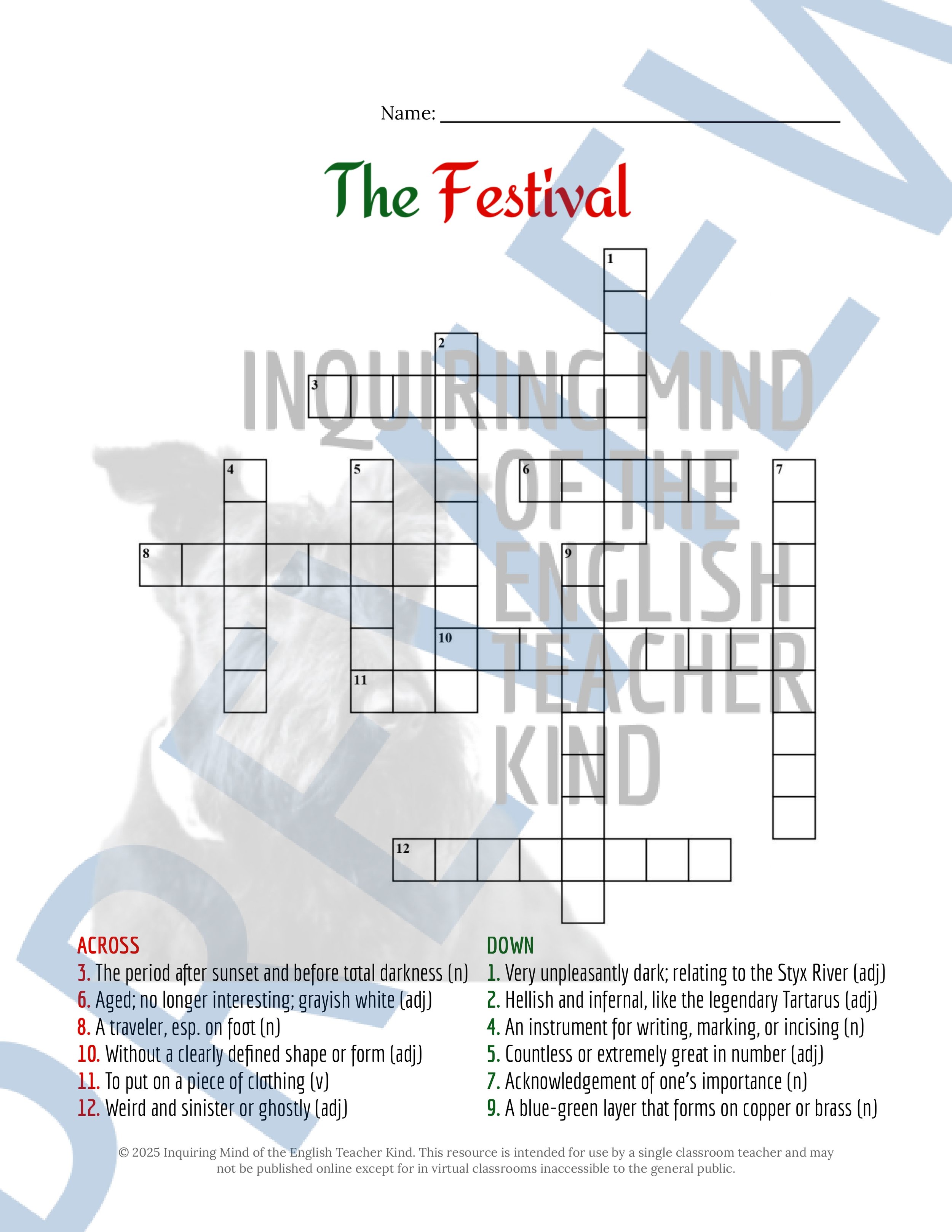
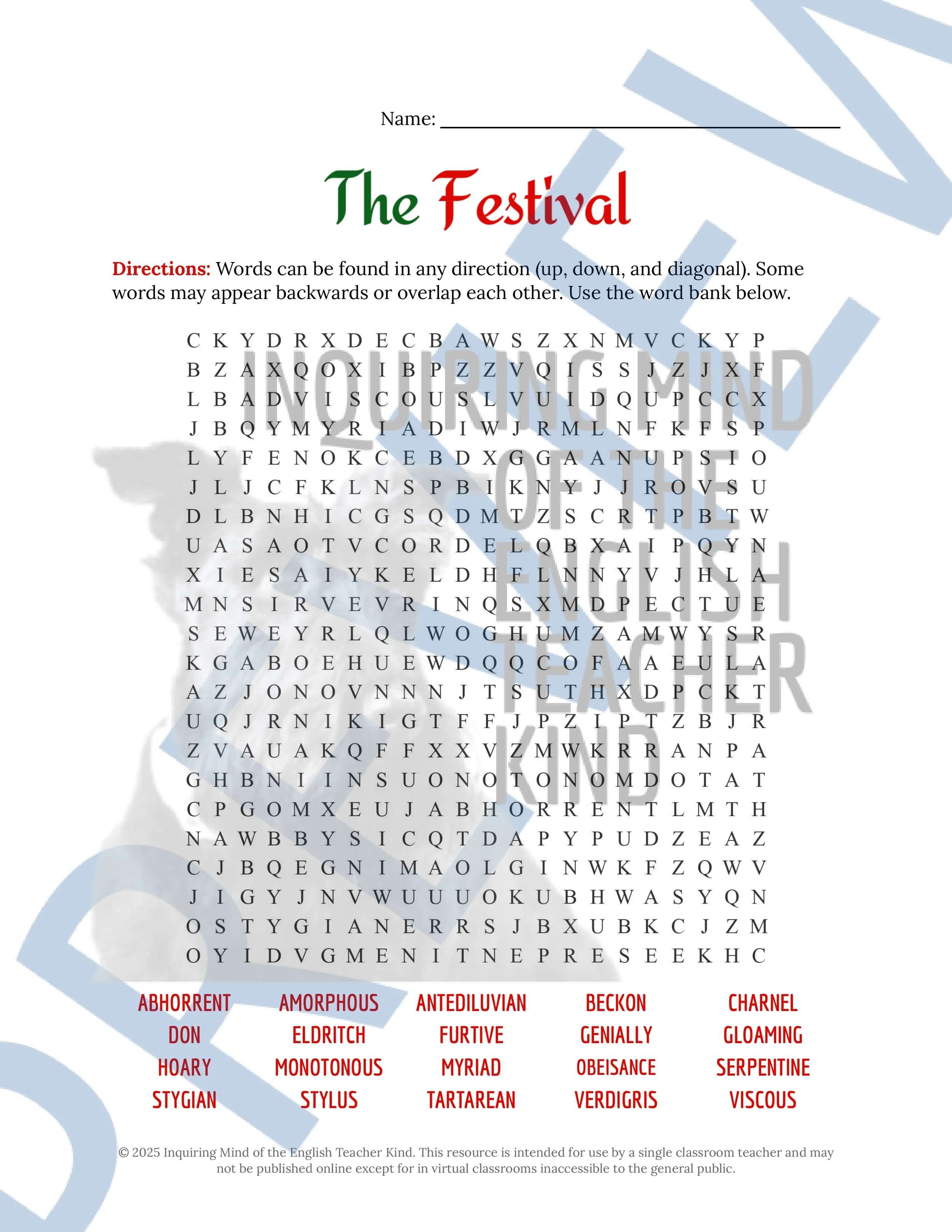
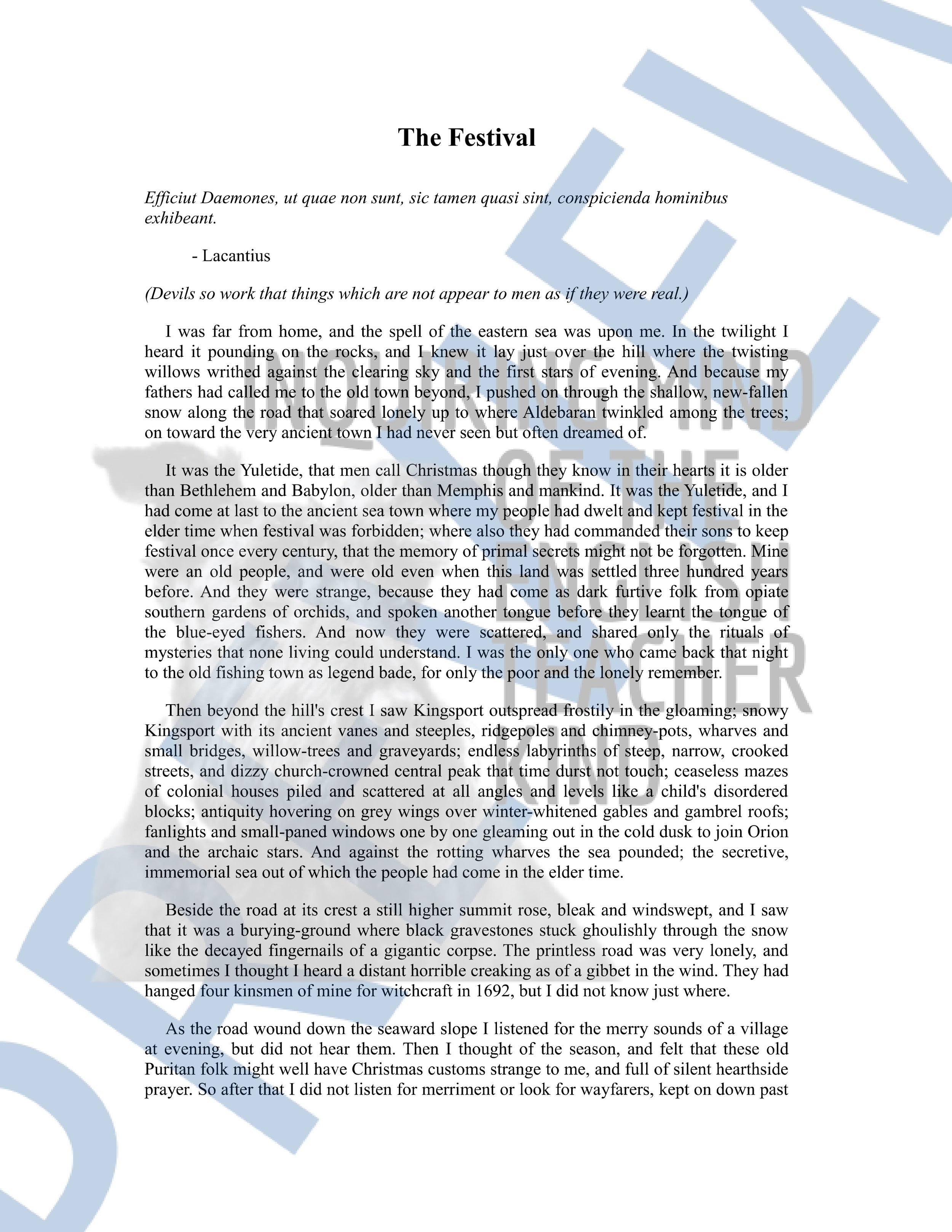
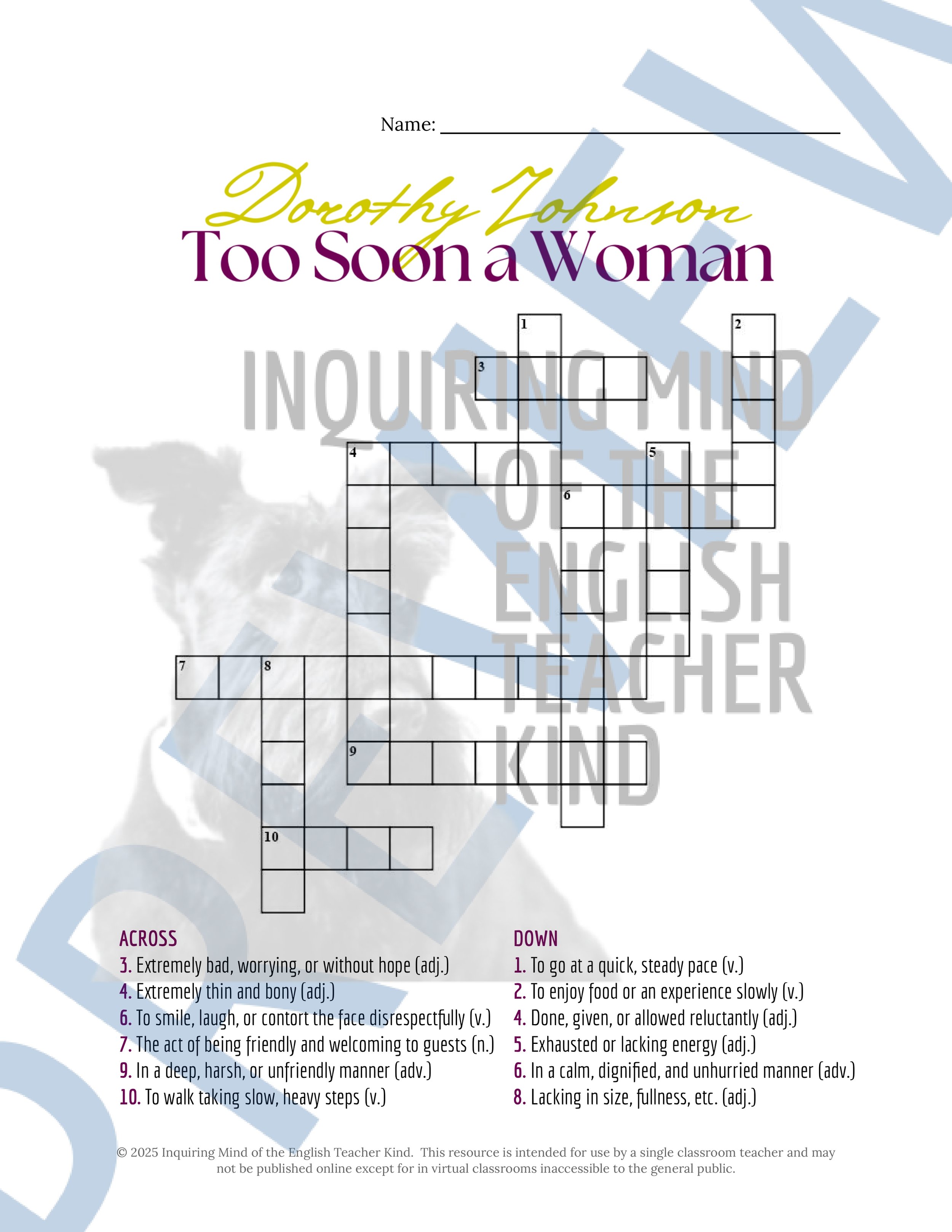
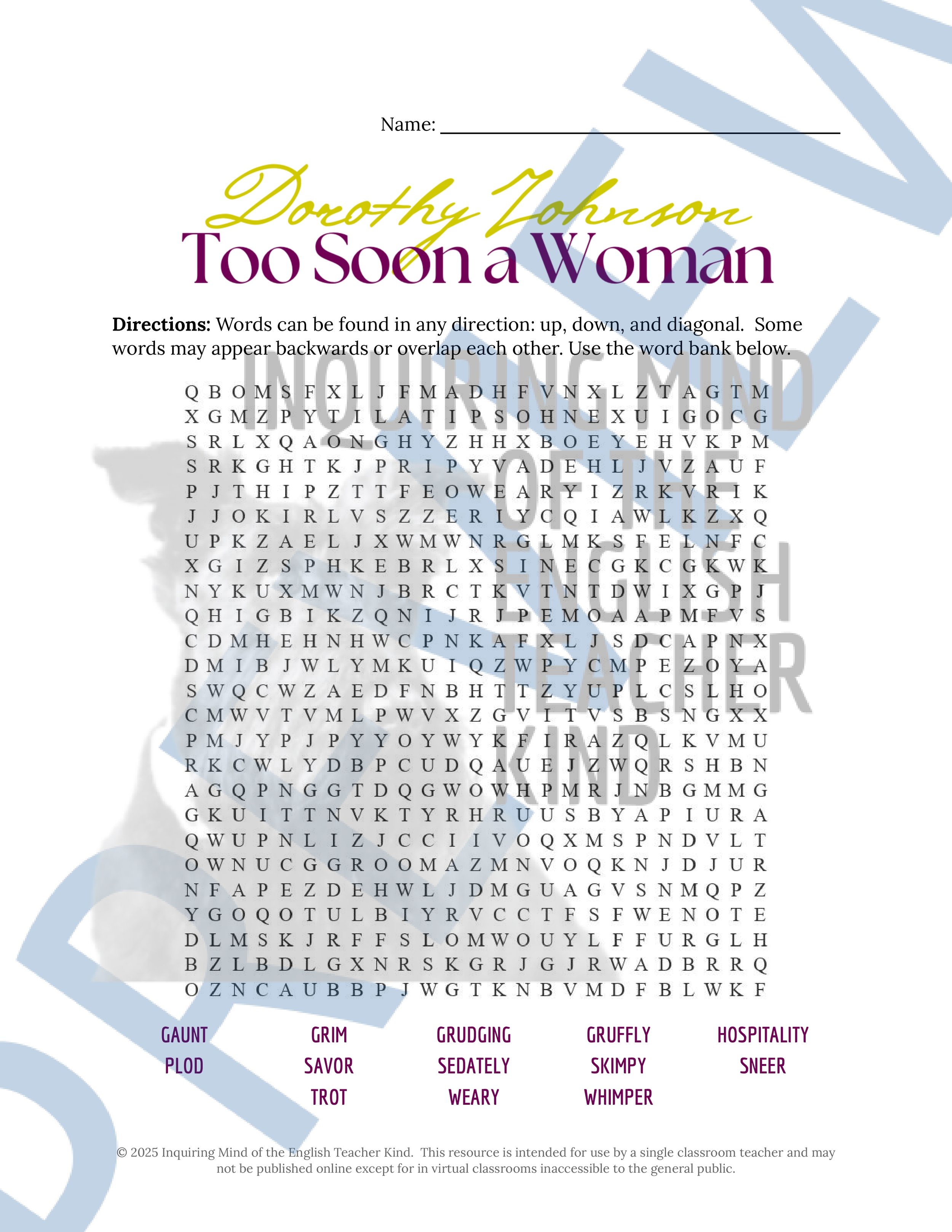
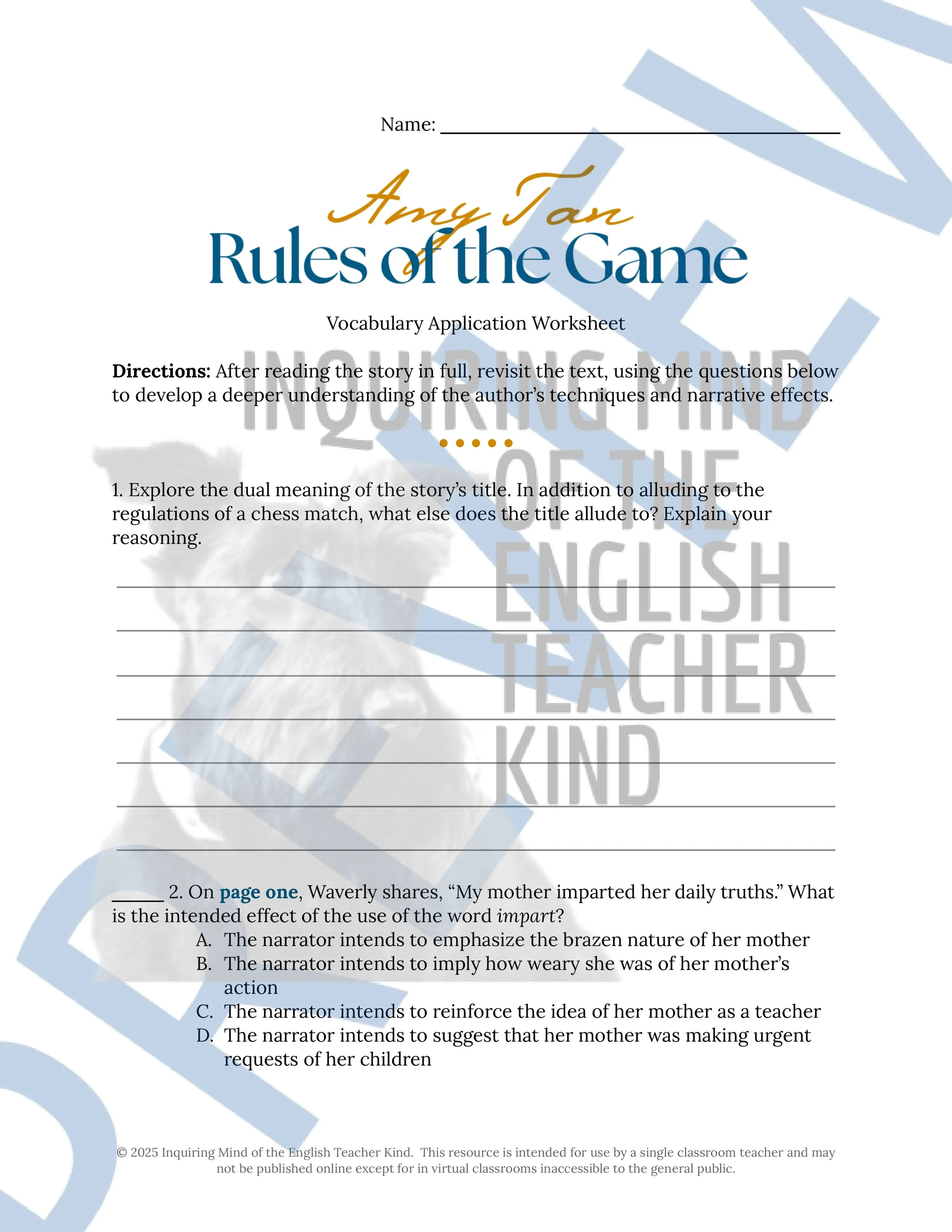
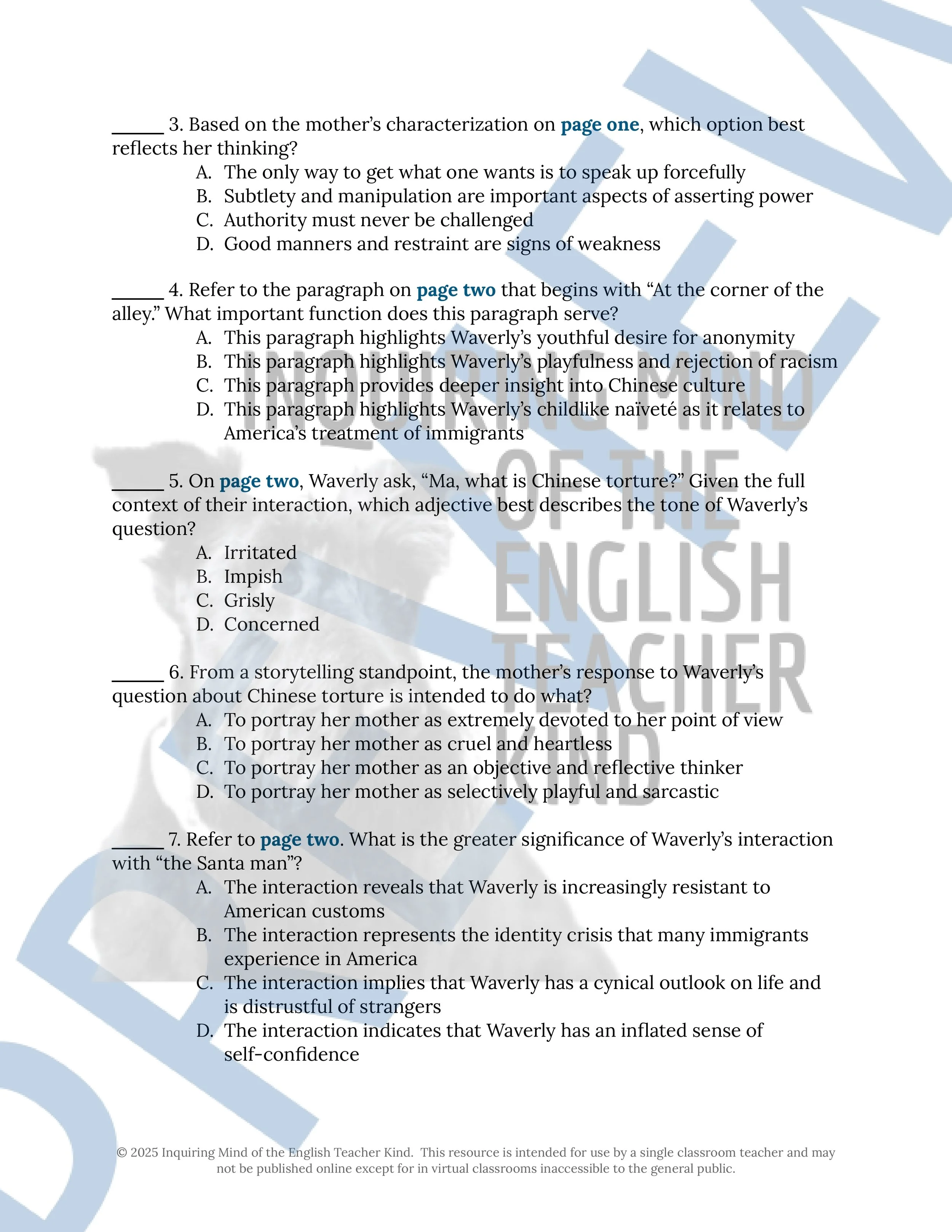
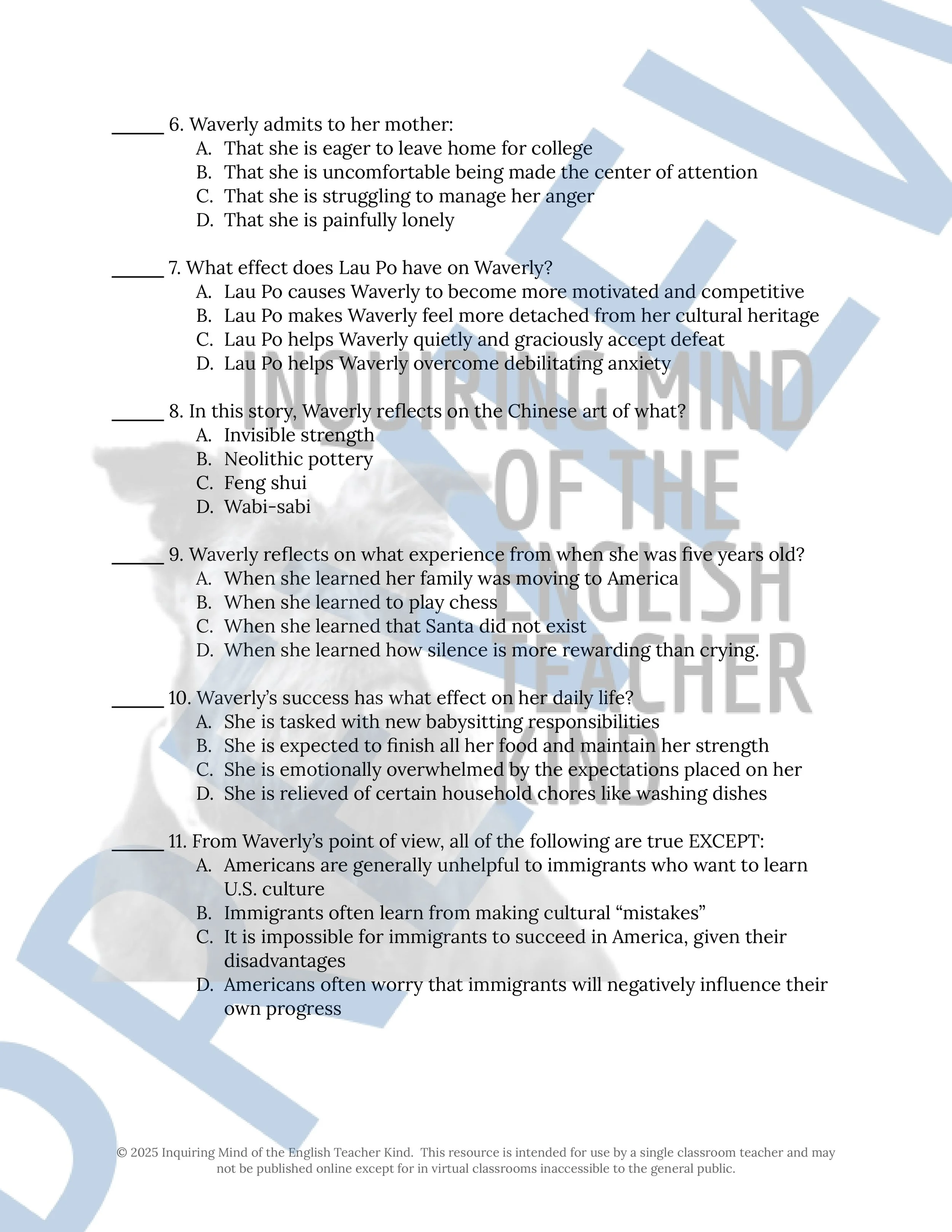
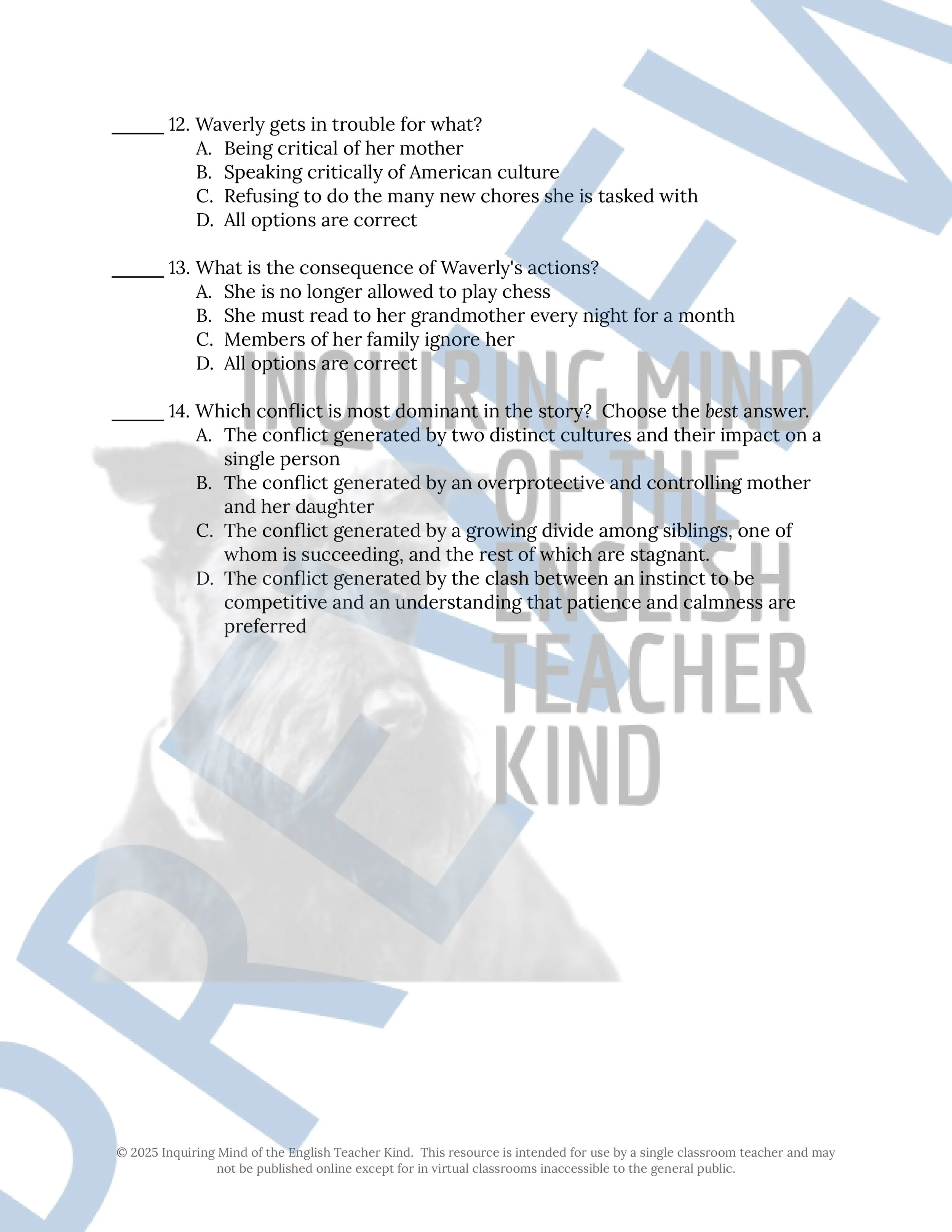
Ideal for World Literature courses highlighting fictional texts written by Indian authors, these activities complement Ruskin Bond's short story "A Tiger in the House." A reading comprehension quiz, literary analysis worksheet, vocabulary application activity, crossword puzzle, word search game, and answer keys are included. Materials are delivered in editable Word Document and printable PDF formats. (Alternatively, a Google Drive bundle option is available.) By engaging with these materials, students will:

Bolster vocabulary skills.
Use context clues to identify country in which the story is set.
Articulate how a particular detail is ironic (e.g., Grandfather having "the distinction of being the only member of the party to have bagged any game").
Identify the intended effect of irony in the context of the narrative.
Make a logical inference about the author's attitude toward zoos.
Explore word choices and narrative techniques to better understand the author's approach to writing the story.
Identify a relevant theme.
Conduct research on a relevant topic to develop deeper understanding of historical context (e.g., the viceroys).
Support claims and inferences with relevant textual evidence.
Information about the selection:
A grandfather discovers a tiger club in the jungle, who becomes a family pet until he is sent to a zoo. When the grandfather later visits the zoo, he comes to a sad and ironic realization about the tiger he housed.
Resources are available for teaching short stories of various genres:
Ideal for World Literature courses highlighting fictional texts written by Indian authors, these activities complement Ruskin Bond's short story "A Tiger in the House." A reading comprehension quiz, literary analysis worksheet, vocabulary application activity, crossword puzzle, word search game, and answer keys are included. Materials are delivered in editable Word Document and printable PDF formats. (Alternatively, a Google Drive bundle option is available.) By engaging with these materials, students will:
Bolster vocabulary skills.
Use context clues to identify country in which the story is set.
Articulate how a particular detail is ironic (e.g., Grandfather having "the distinction of being the only member of the party to have bagged any game").
Identify the intended effect of irony in the context of the narrative.
Make a logical inference about the author's attitude toward zoos.
Explore word choices and narrative techniques to better understand the author's approach to writing the story.
Identify a relevant theme.
Conduct research on a relevant topic to develop deeper understanding of historical context (e.g., the viceroys).
Support claims and inferences with relevant textual evidence.
Information about the selection:
A grandfather discovers a tiger club in the jungle, who becomes a family pet until he is sent to a zoo. When the grandfather later visits the zoo, he comes to a sad and ironic realization about the tiger he housed.
Resources are available for teaching short stories of various genres:
Preview this resource:
Ideal for World Literature courses highlighting fictional texts written by Indian authors, these activities complement Ruskin Bond's short story "A Tiger in the House." A reading comprehension quiz, literary analysis worksheet, vocabulary application activity, crossword puzzle, word search game, and answer keys are included.