Image 1 of 100
 Image 2 of 100
 Image 3 of 100
 Image 4 of 100
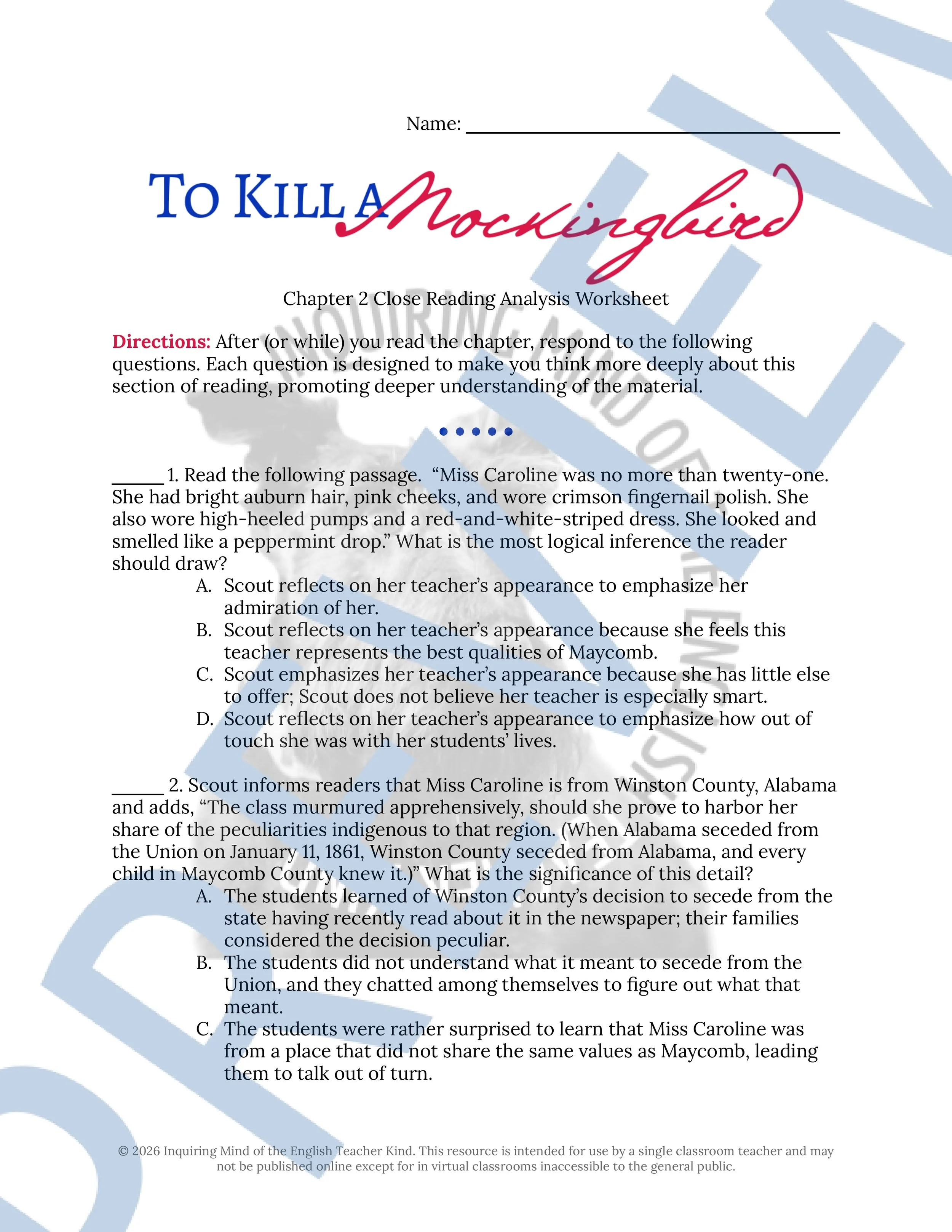 Image 5 of 100
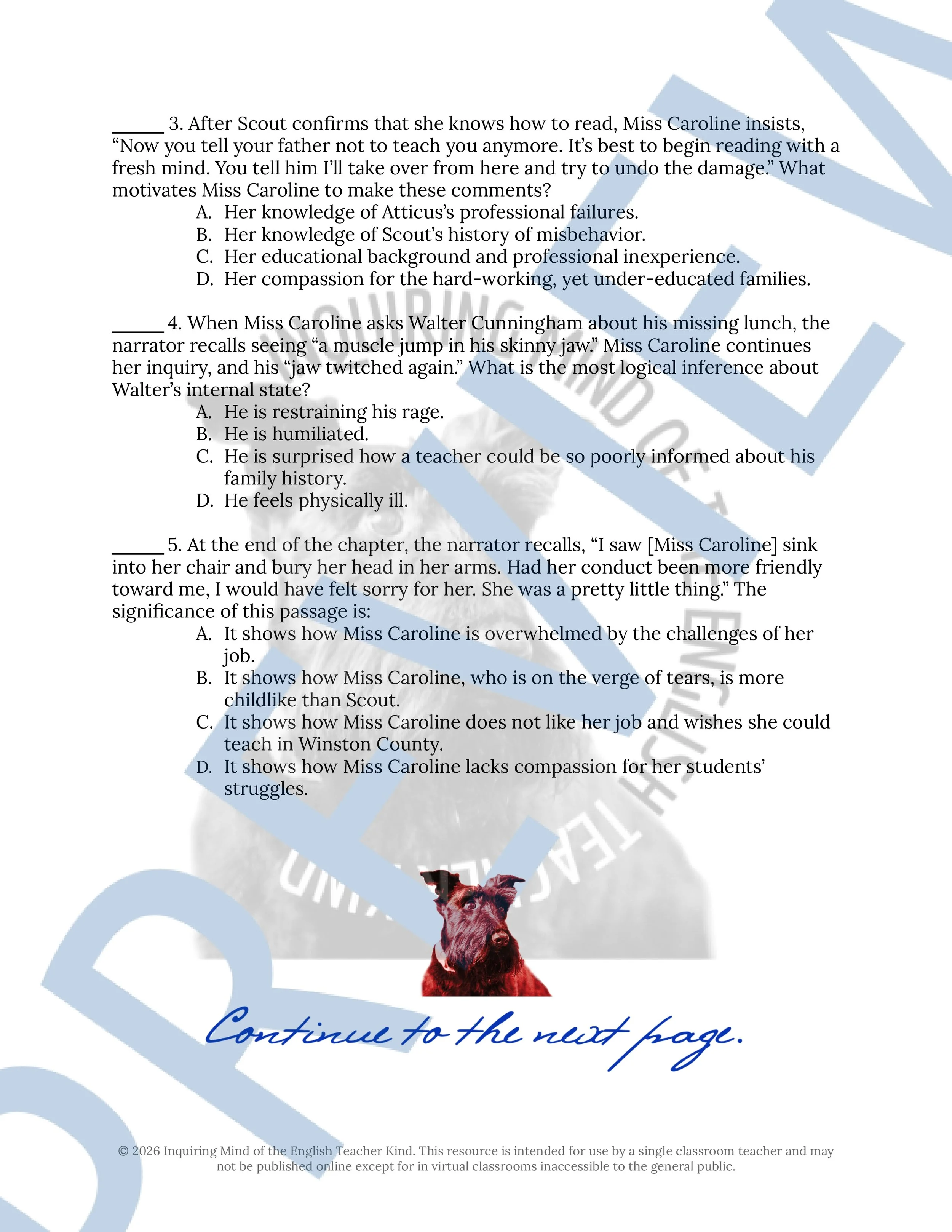 Image 6 of 100
 Image 7 of 100
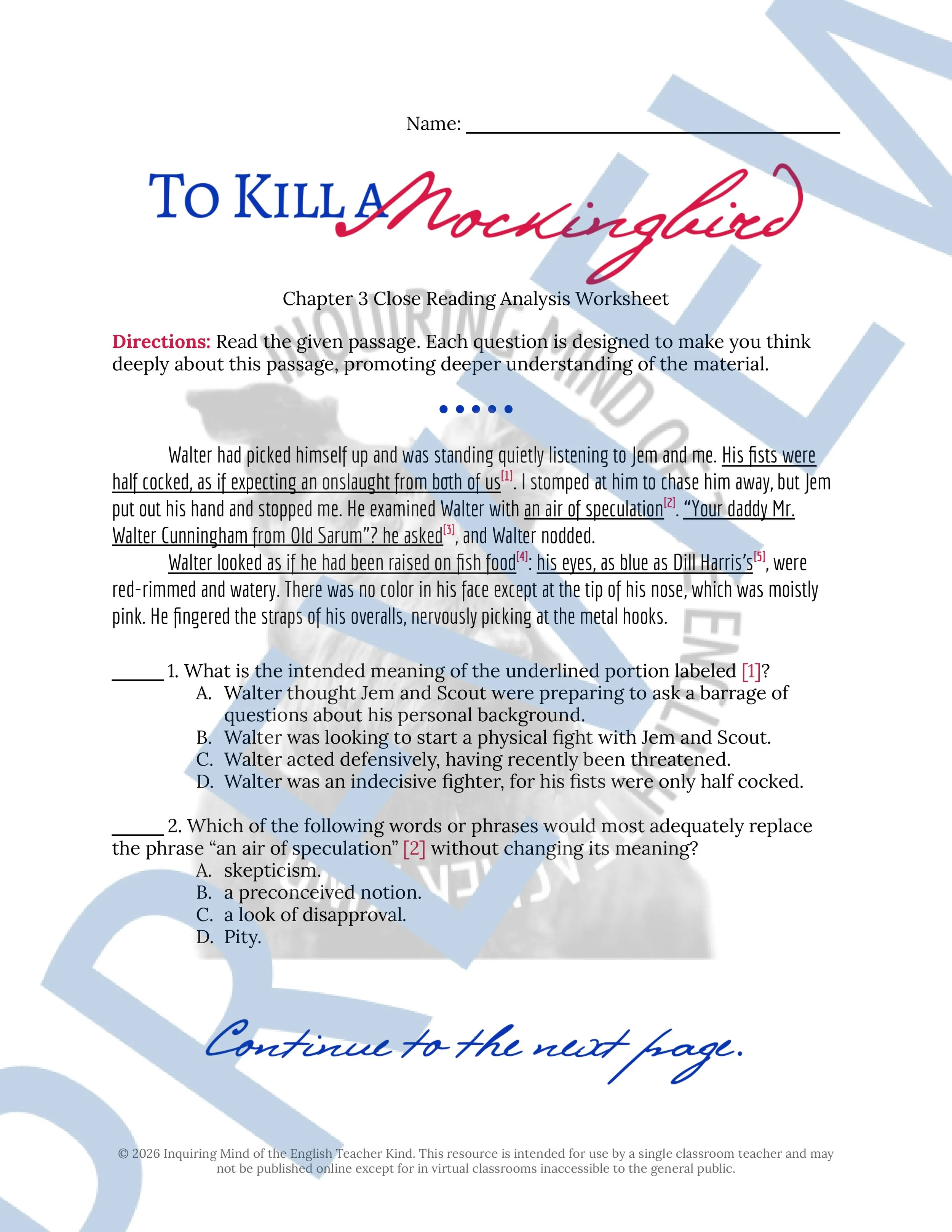 Image 8 of 100
 Image 9 of 100
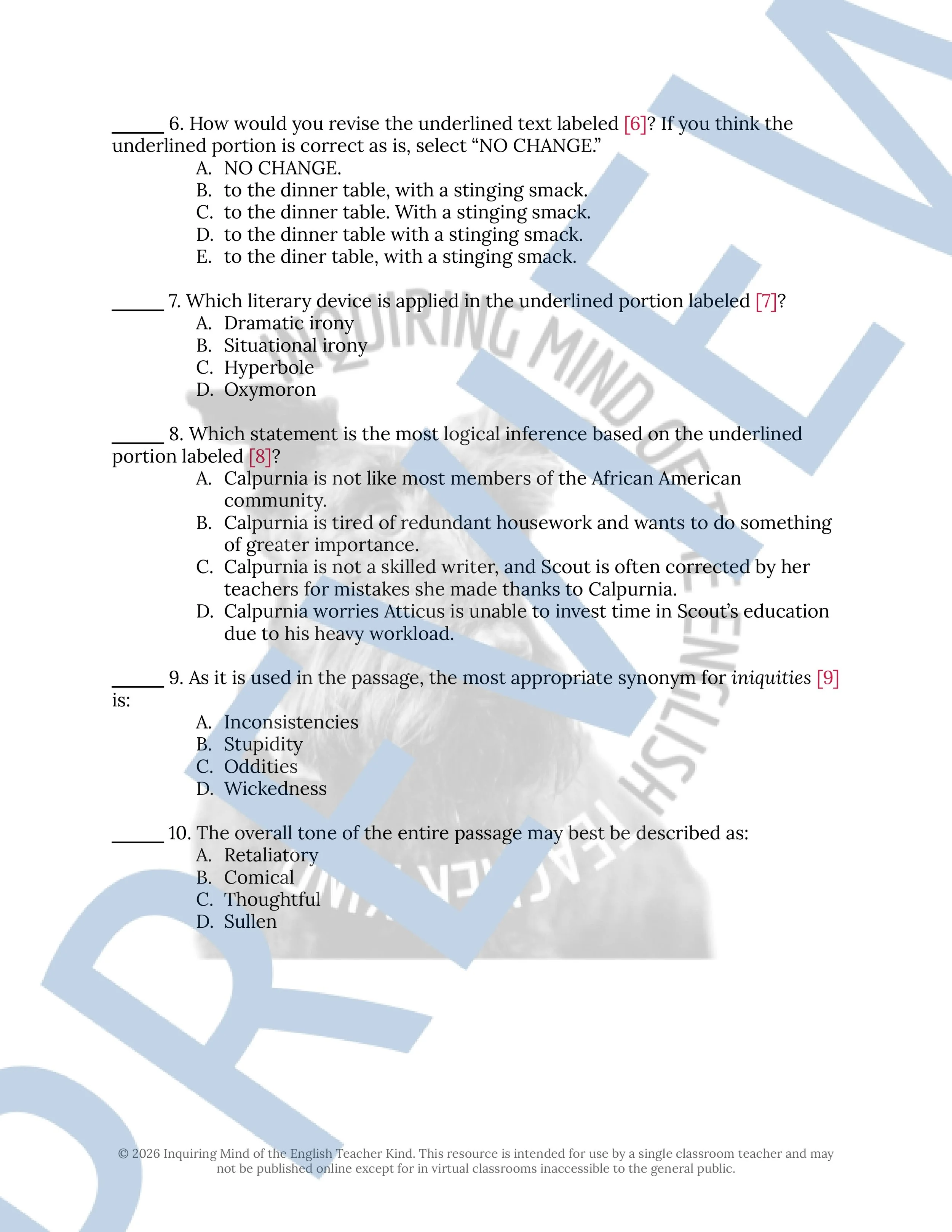 Image 10 of 100
 Image 11 of 100
 Image 12 of 100
 Image 13 of 100
 Image 14 of 100
 Image 15 of 100
 Image 16 of 100
 Image 17 of 100
 Image 18 of 100
 Image 19 of 100
 Image 20 of 100
 Image 21 of 100
 Image 22 of 100
 Image 23 of 100
 Image 24 of 100
 Image 25 of 100
 Image 26 of 100
 Image 27 of 100
 Image 28 of 100
 Image 29 of 100
 Image 30 of 100
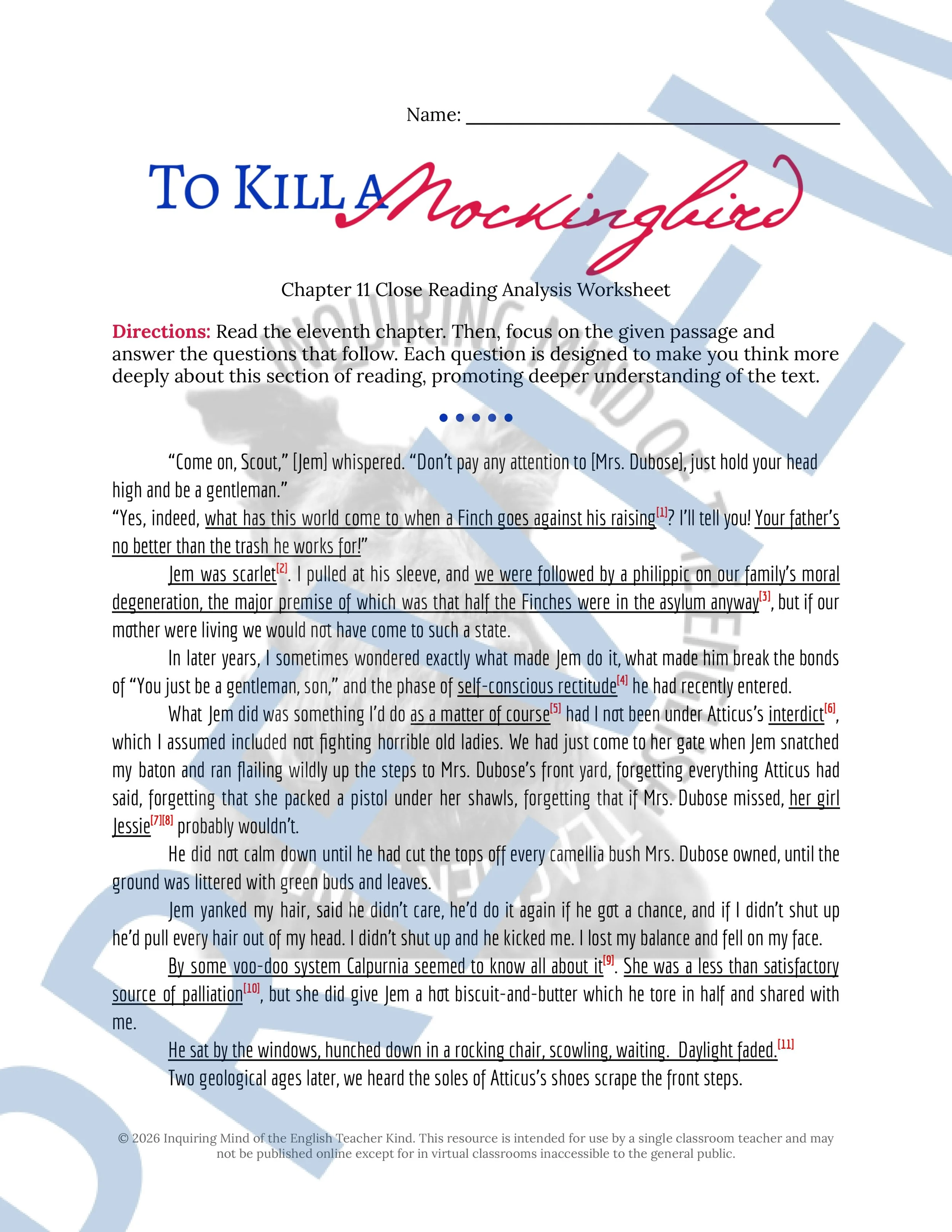 Image 31 of 100
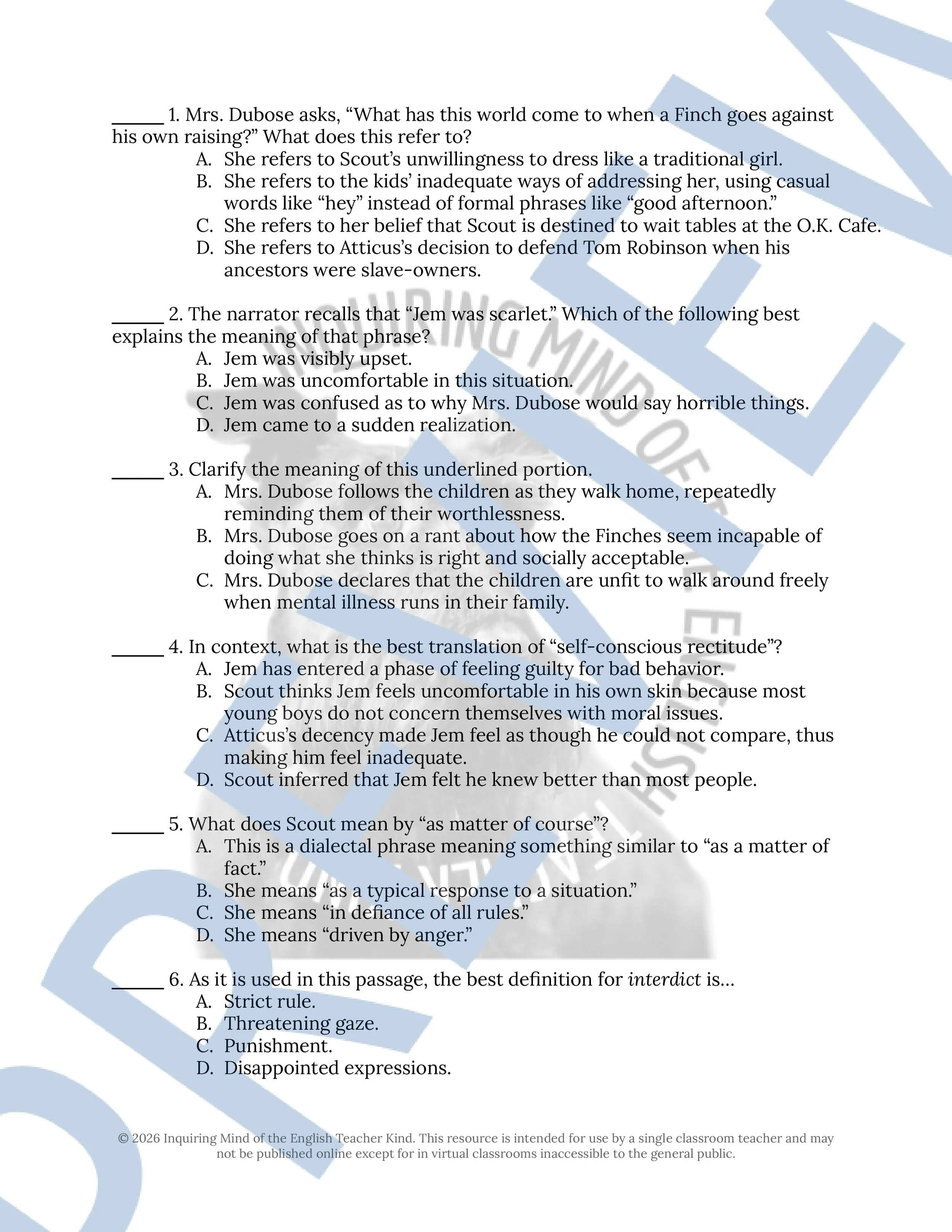 Image 32 of 100
 Image 33 of 100
 Image 34 of 100
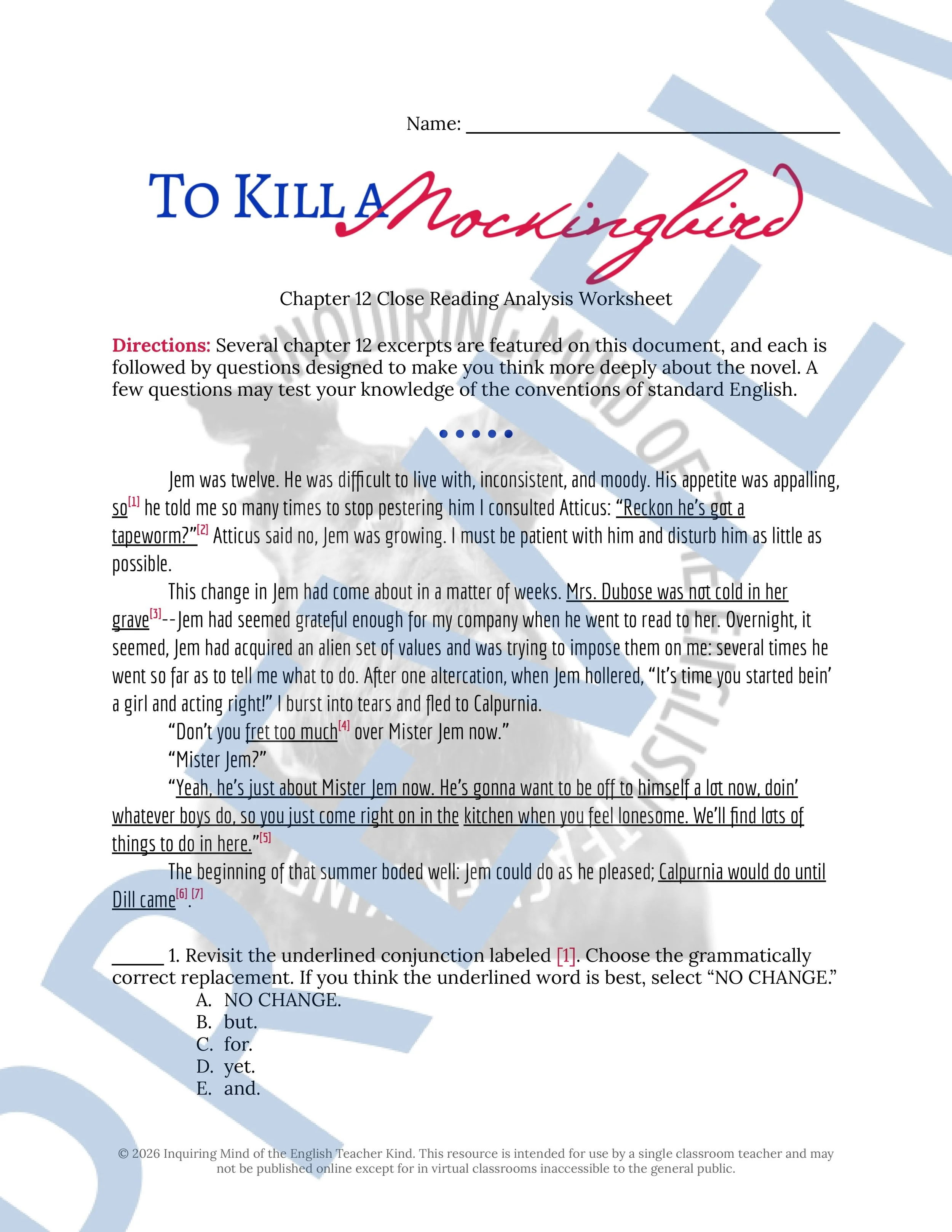 Image 35 of 100
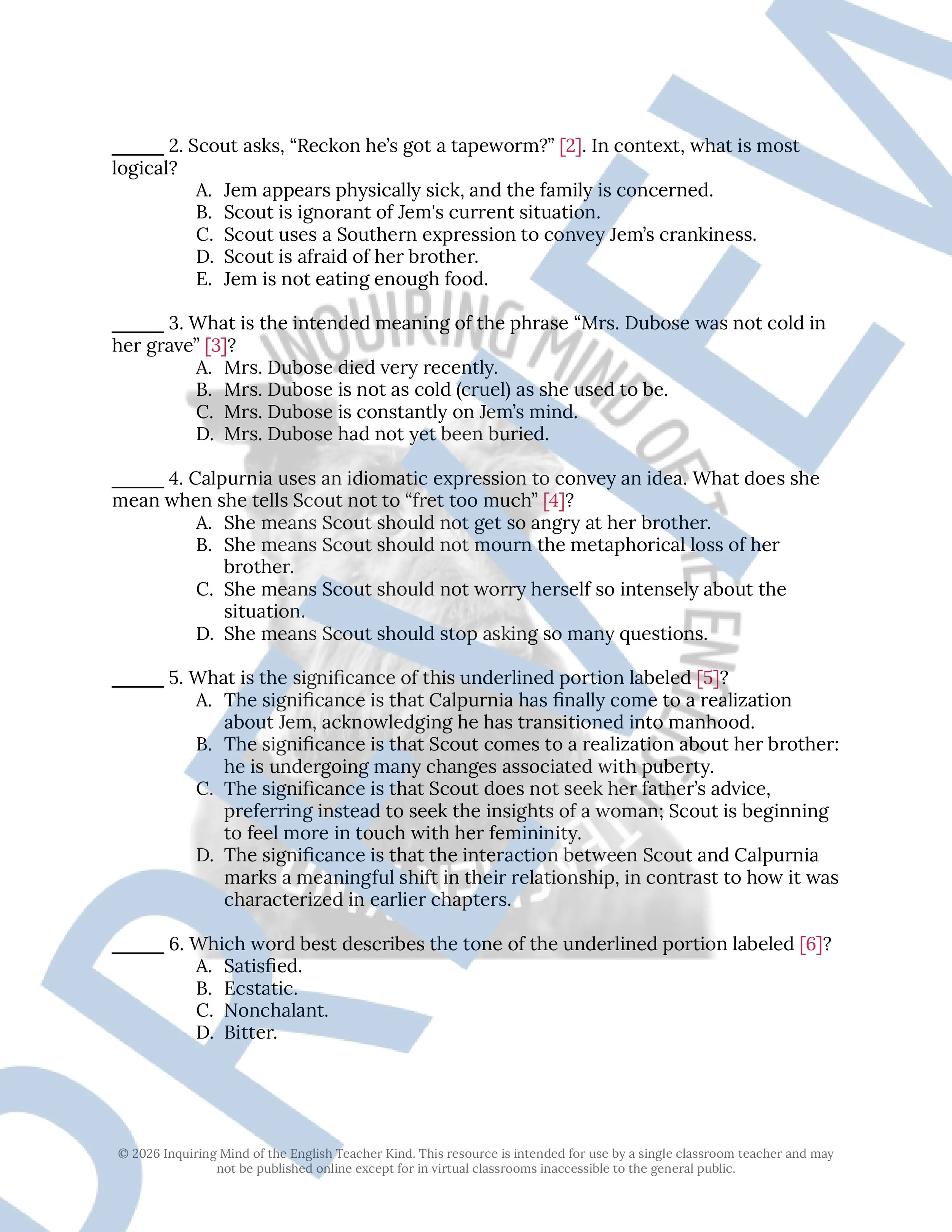 Image 36 of 100
 Image 37 of 100
 Image 38 of 100
 Image 39 of 100
 Image 40 of 100
 Image 41 of 100
 Image 42 of 100
 Image 43 of 100
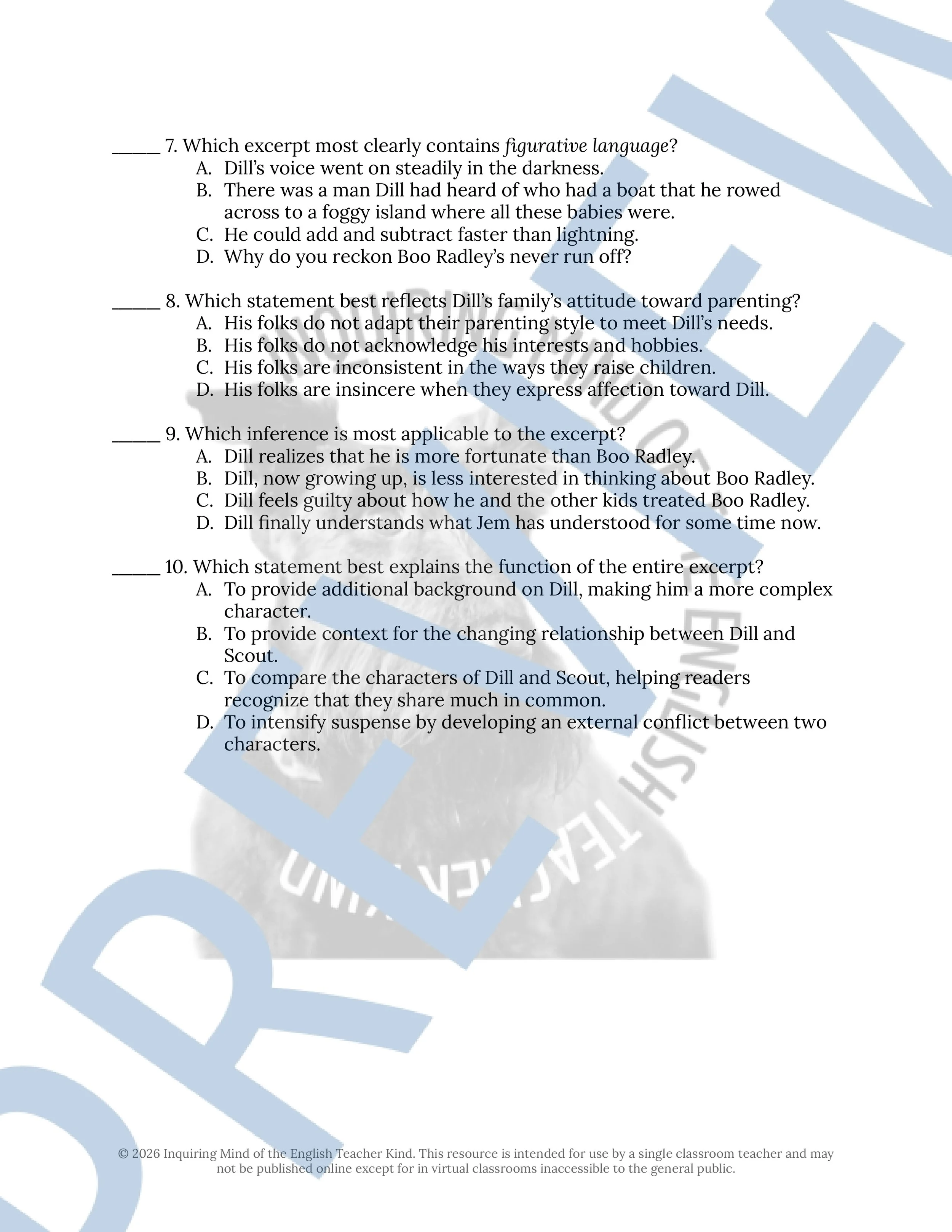 Image 44 of 100
 Image 45 of 100
 Image 46 of 100
 Image 47 of 100
 Image 48 of 100
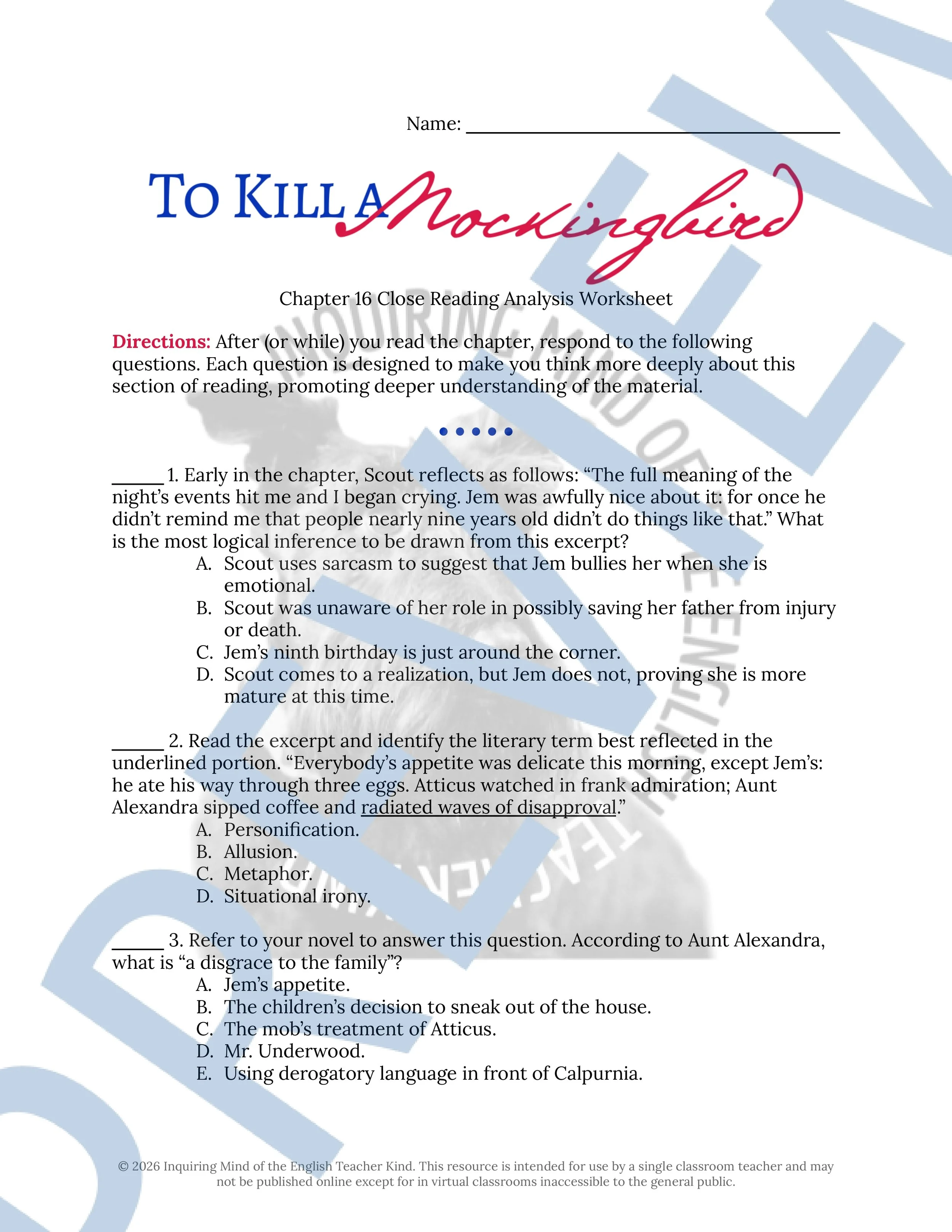 Image 49 of 100
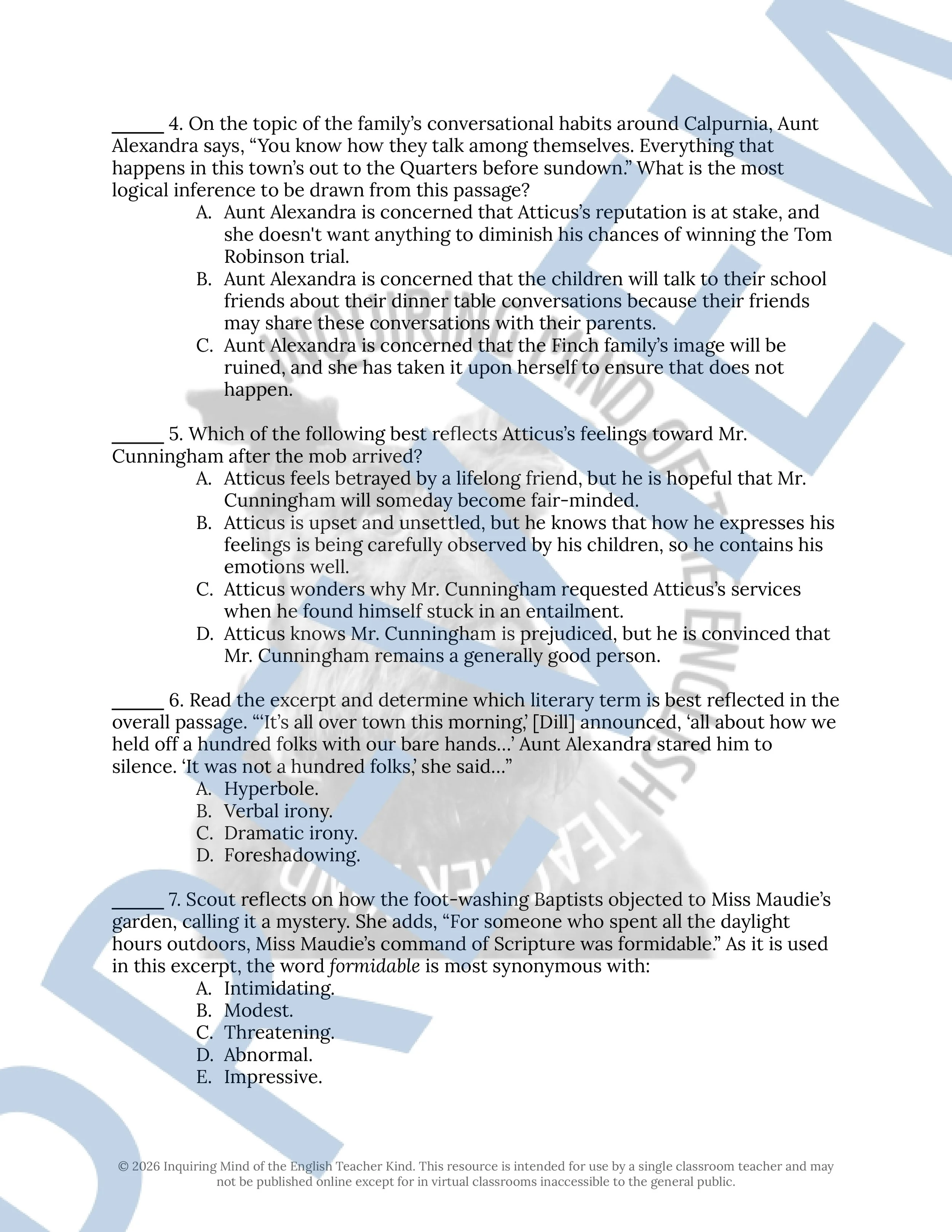 Image 50 of 100
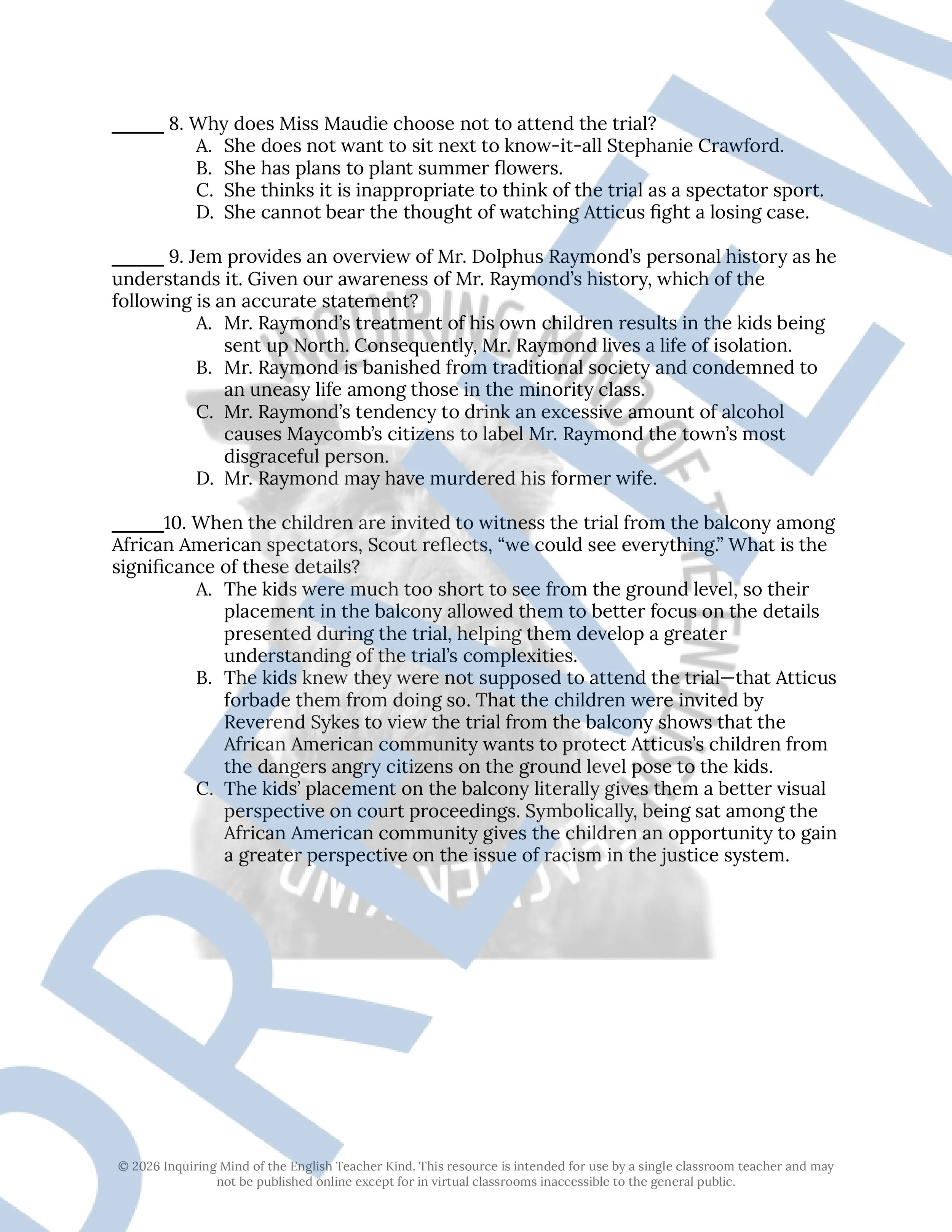 Image 51 of 100
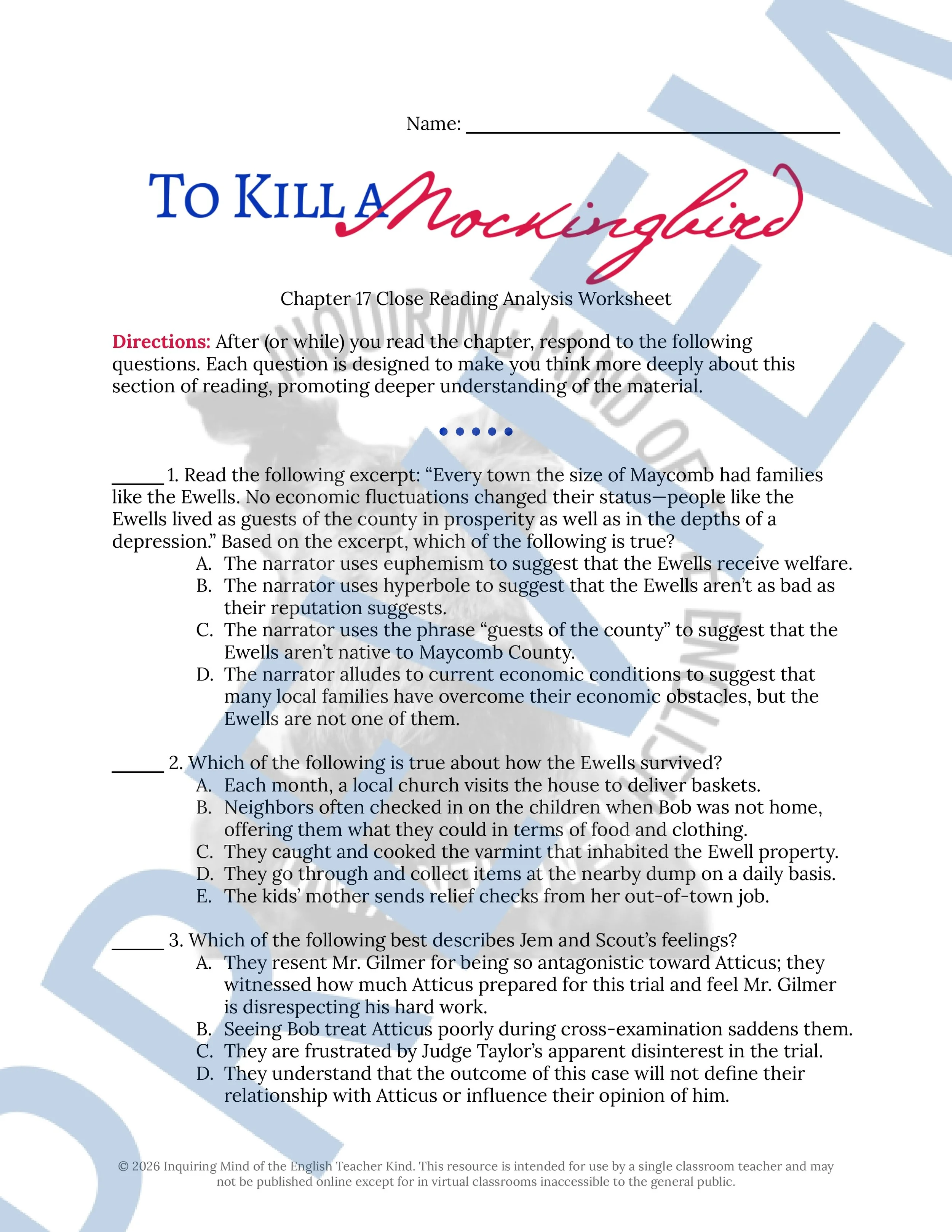 Image 52 of 100
 Image 53 of 100
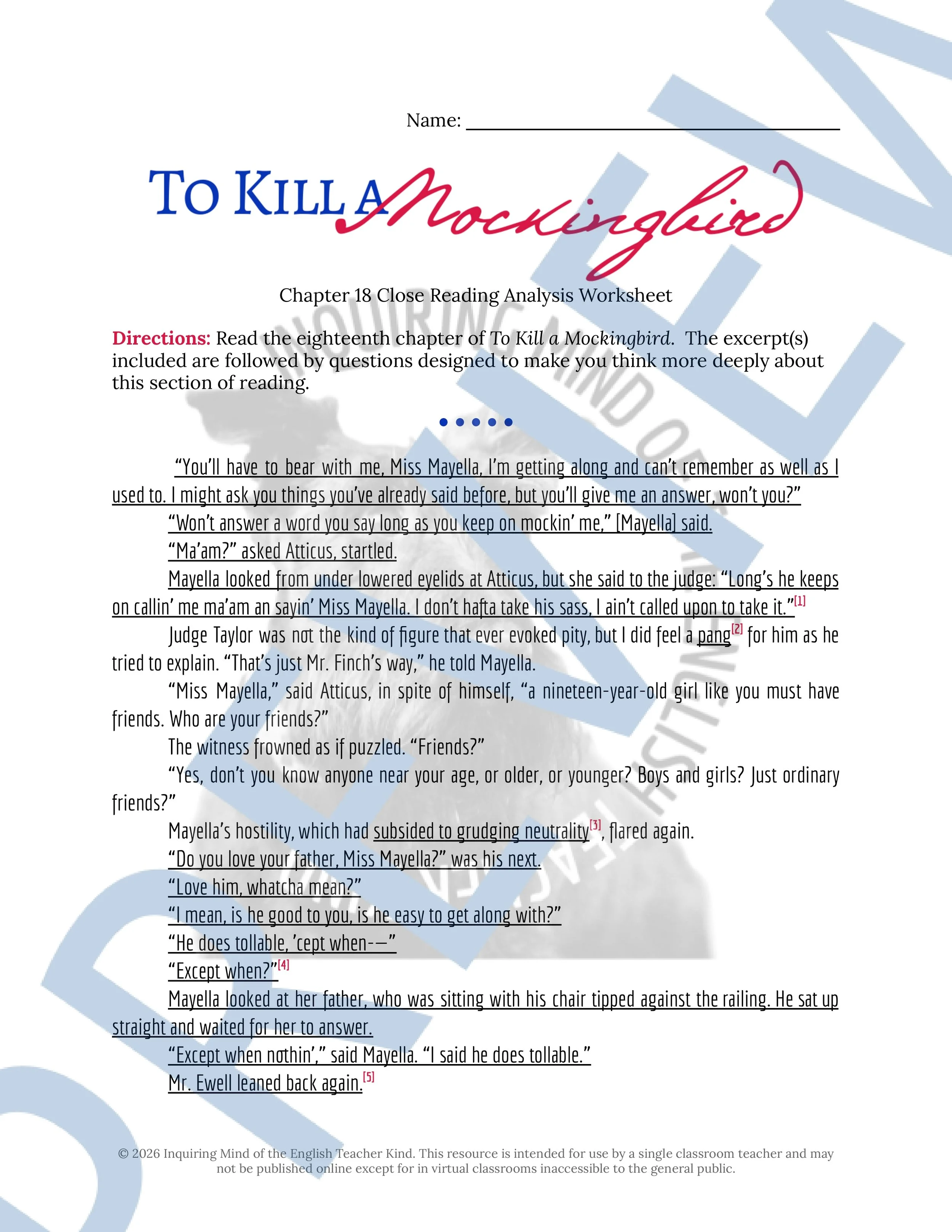 Image 54 of 100
 Image 55 of 100
 Image 56 of 100
 Image 57 of 100
 Image 58 of 100
 Image 59 of 100
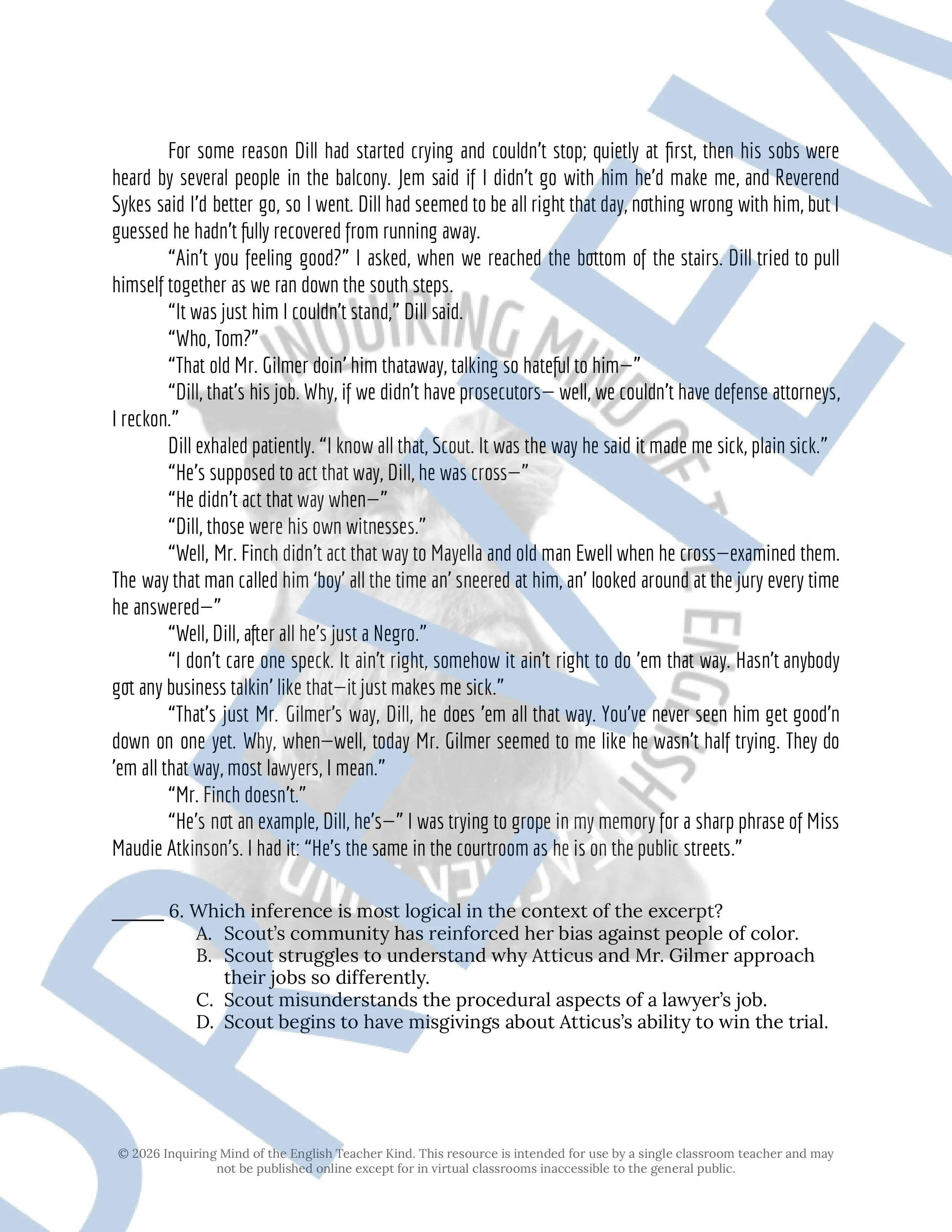 Image 60 of 100
 Image 61 of 100
 Image 62 of 100
 Image 63 of 100
 Image 64 of 100
 Image 65 of 100
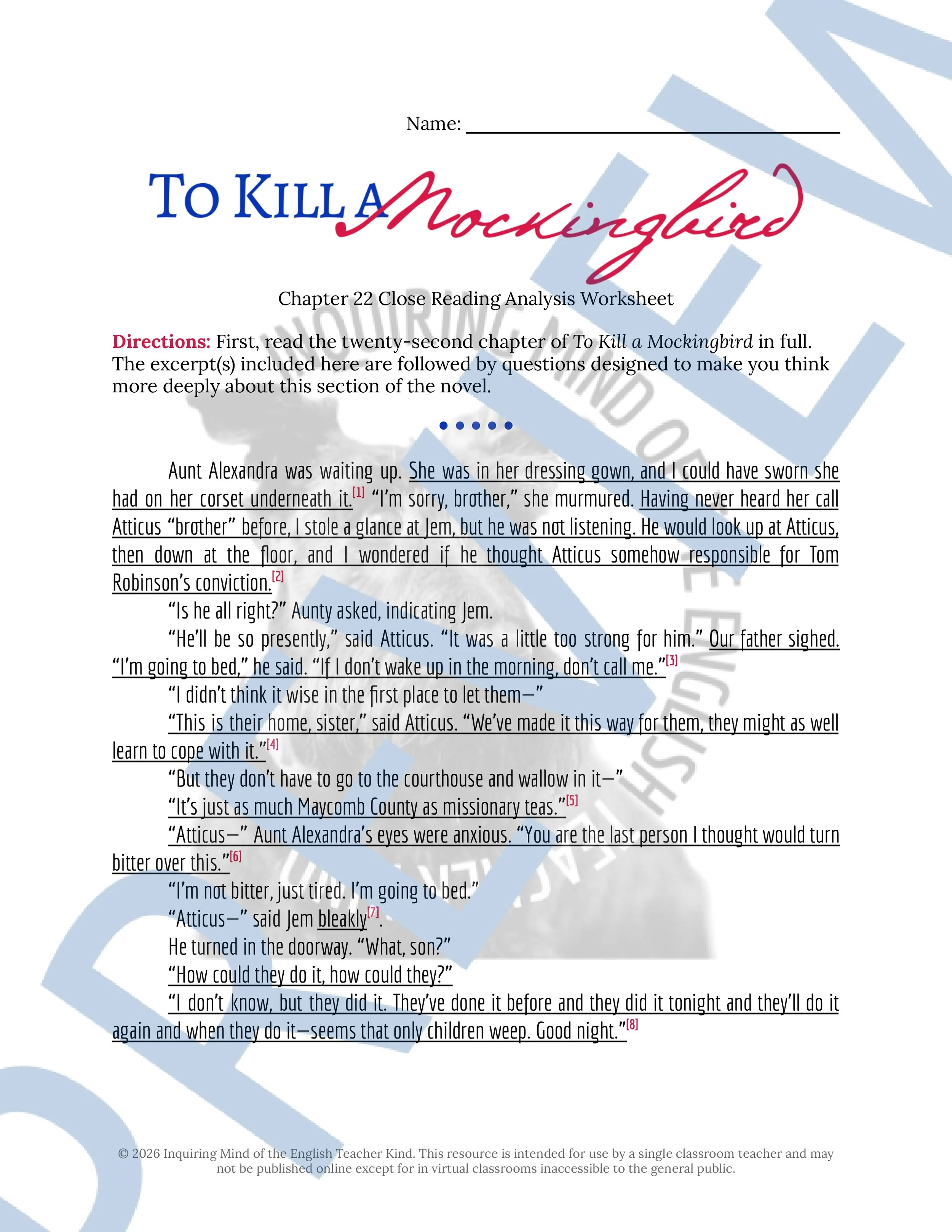 Image 66 of 100
 Image 67 of 100
 Image 68 of 100
 Image 69 of 100
 Image 70 of 100
 Image 71 of 100
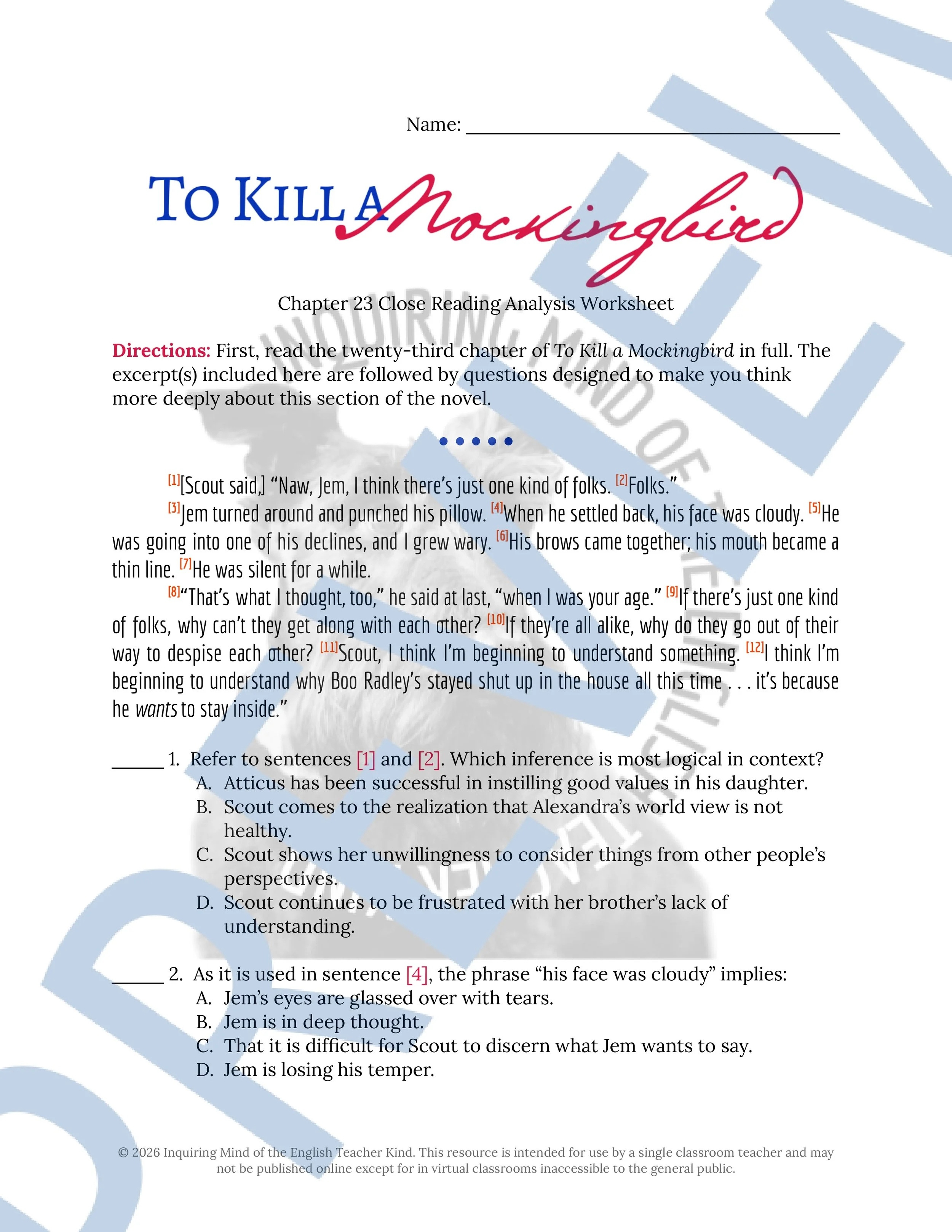 Image 72 of 100
 Image 73 of 100
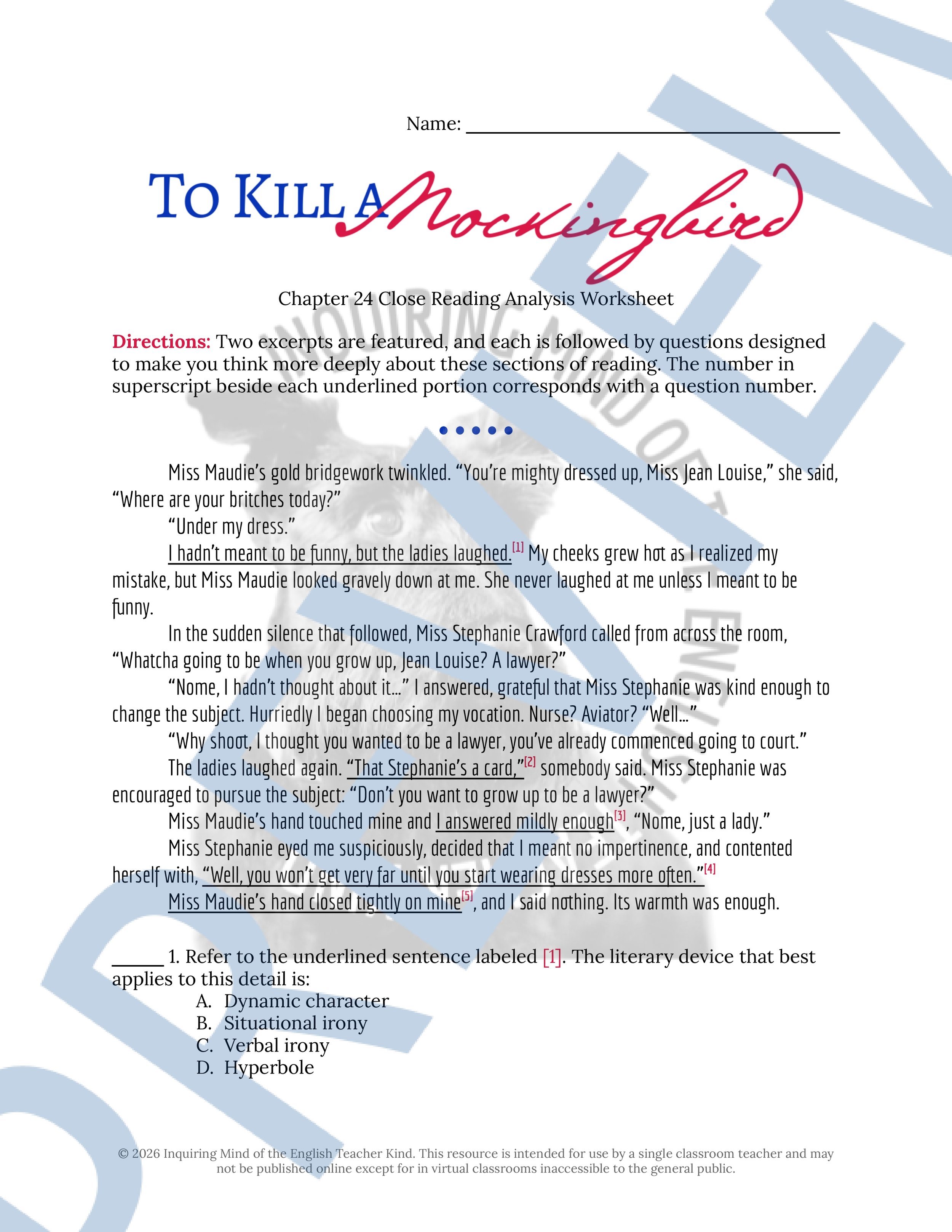 Image 74 of 100
 Image 75 of 100
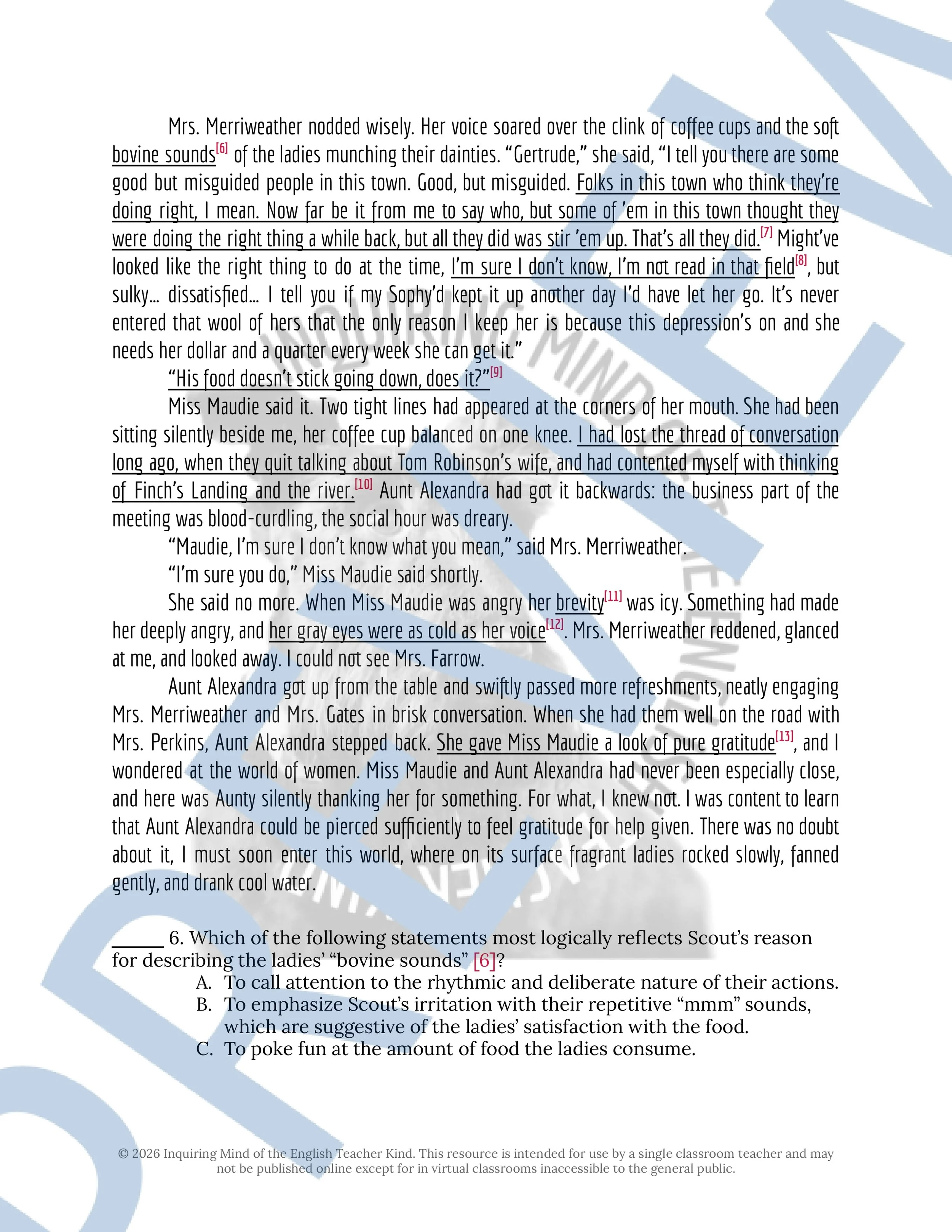 Image 76 of 100
 Image 77 of 100
 Image 78 of 100
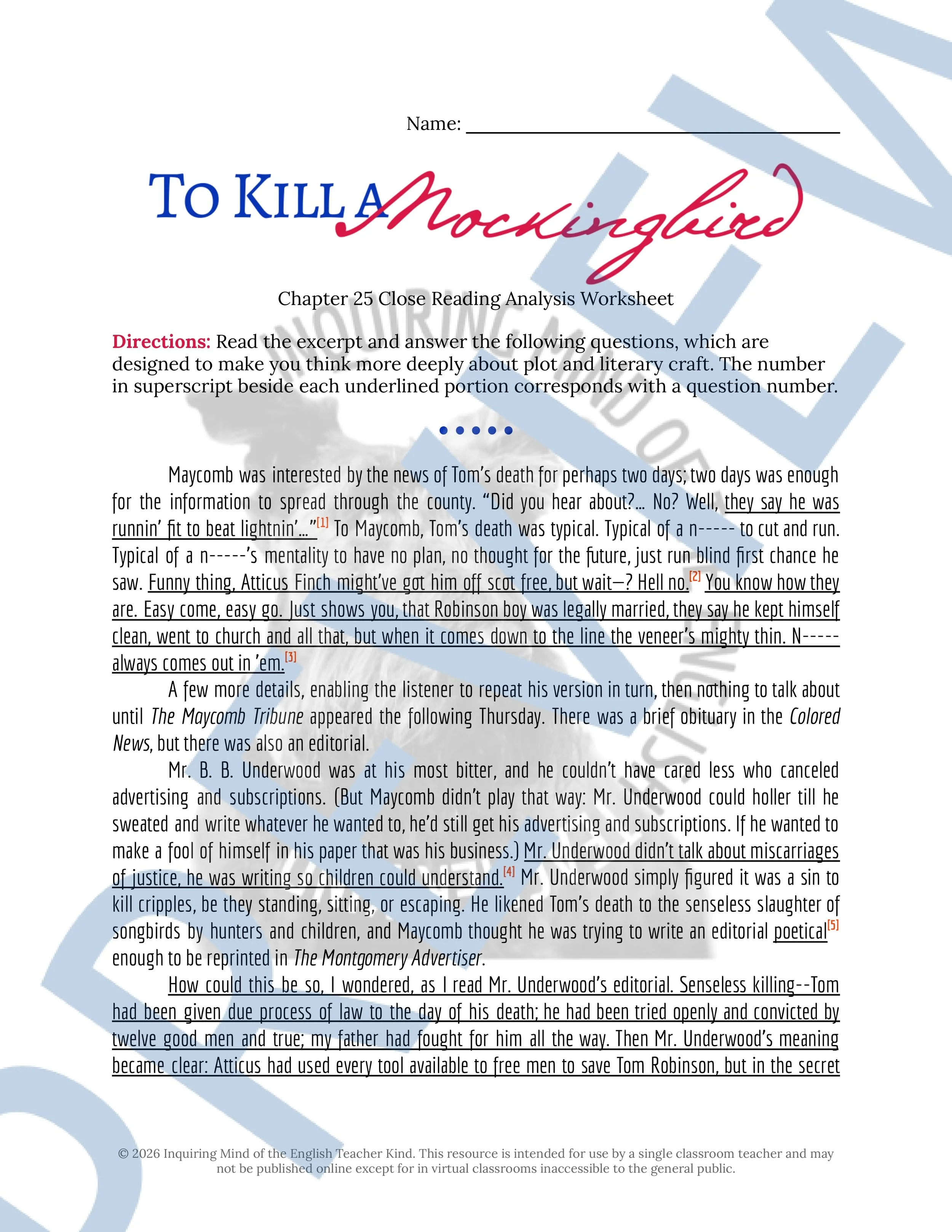 Image 79 of 100
 Image 80 of 100
 Image 81 of 100
 Image 82 of 100
 Image 83 of 100
 Image 84 of 100
 Image 85 of 100
 Image 86 of 100
 Image 87 of 100
 Image 88 of 100
 Image 89 of 100
 Image 90 of 100
 Image 91 of 100
 Image 92 of 100
 Image 93 of 100
 Image 94 of 100
 Image 95 of 100
 Image 96 of 100
 Image 97 of 100
 Image 98 of 100
 Image 99 of 100
 Image 100 of 100
To Kill a Mockingbird Close Reading Analysis Worksheets Bundle with Answer Keys
Sale Price:
$25.00
Original Price:
$93.00
To Kill a Mockingbird Quiz & Answer Key Bundle | American Literature Assessments
Sale Price:
$13.00
Original Price:
$32.50
Preview this resource:
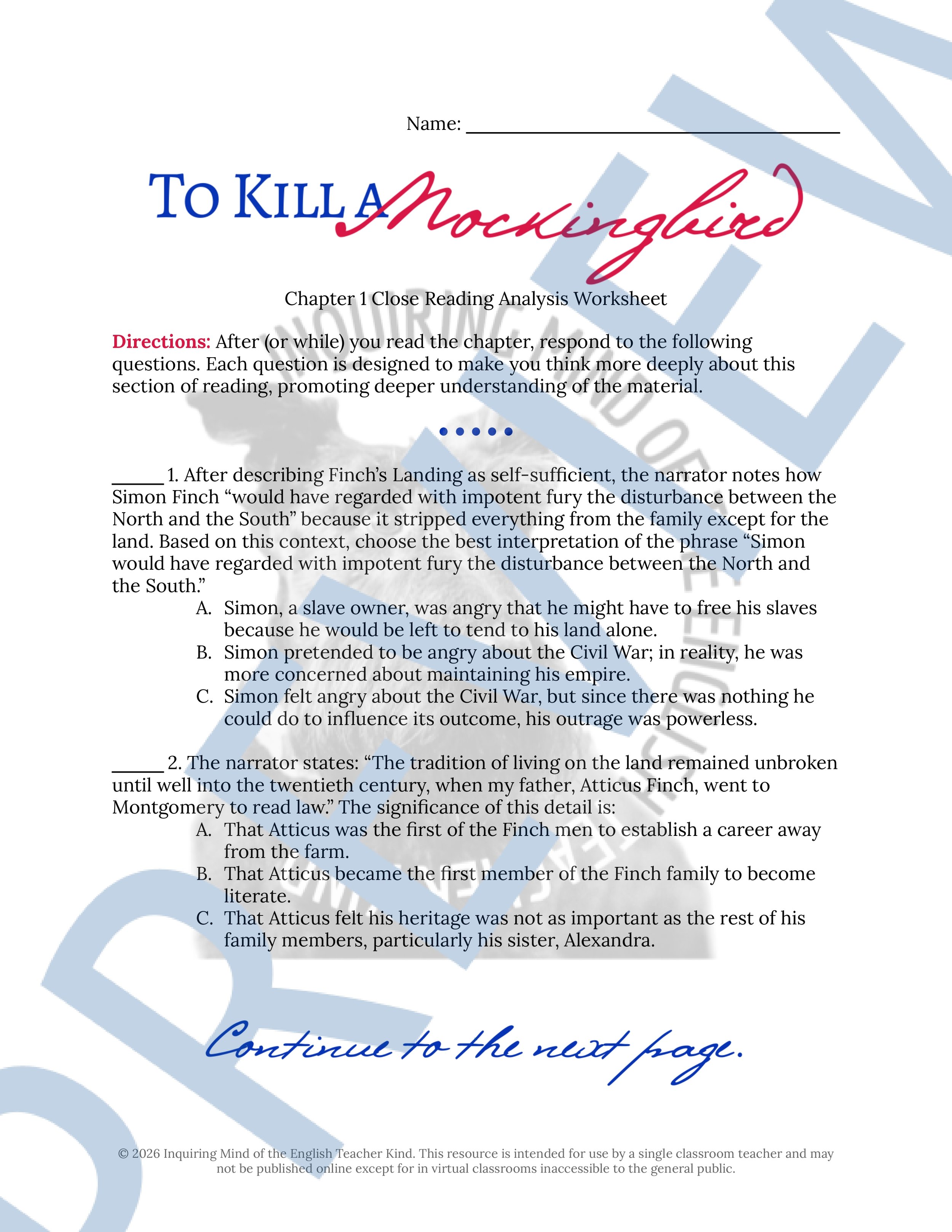
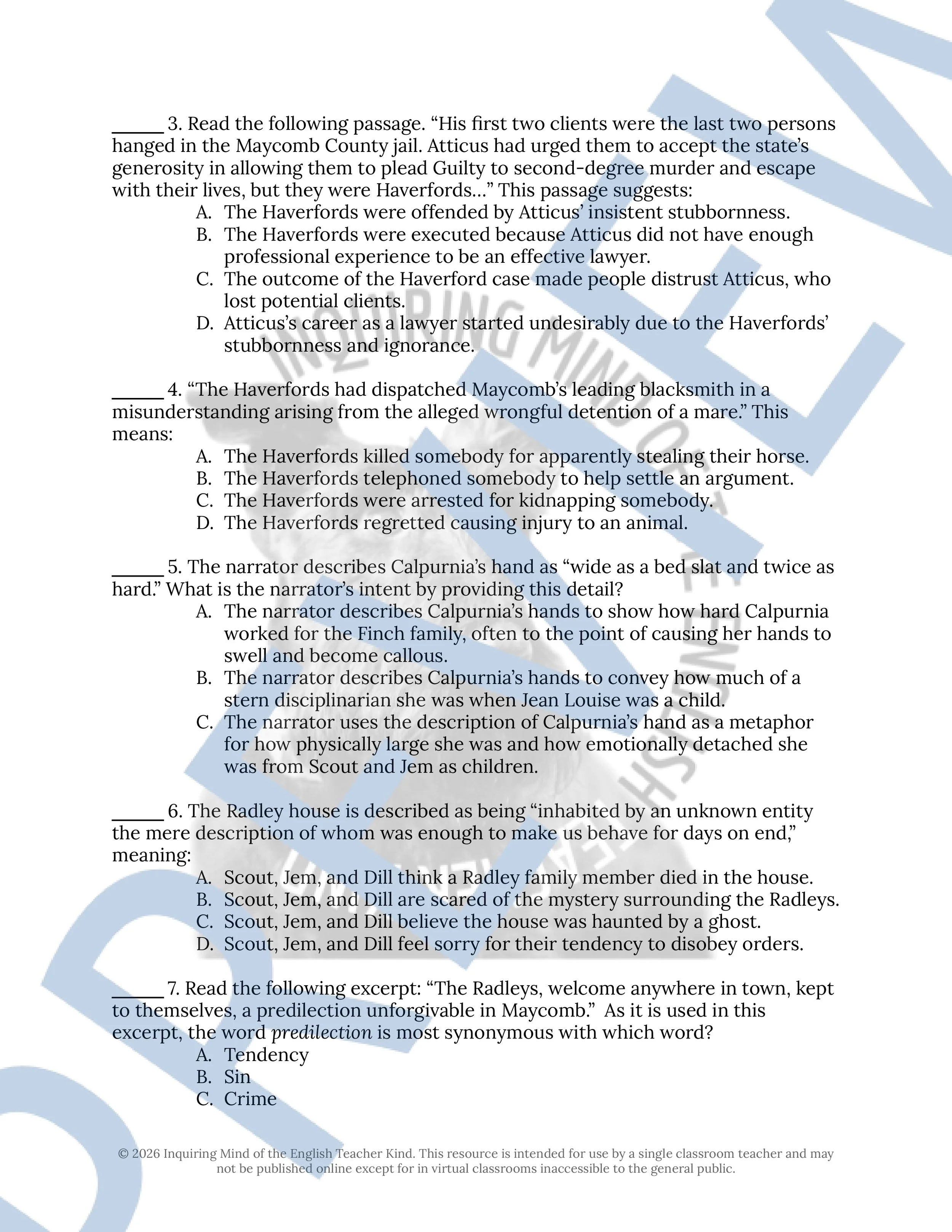
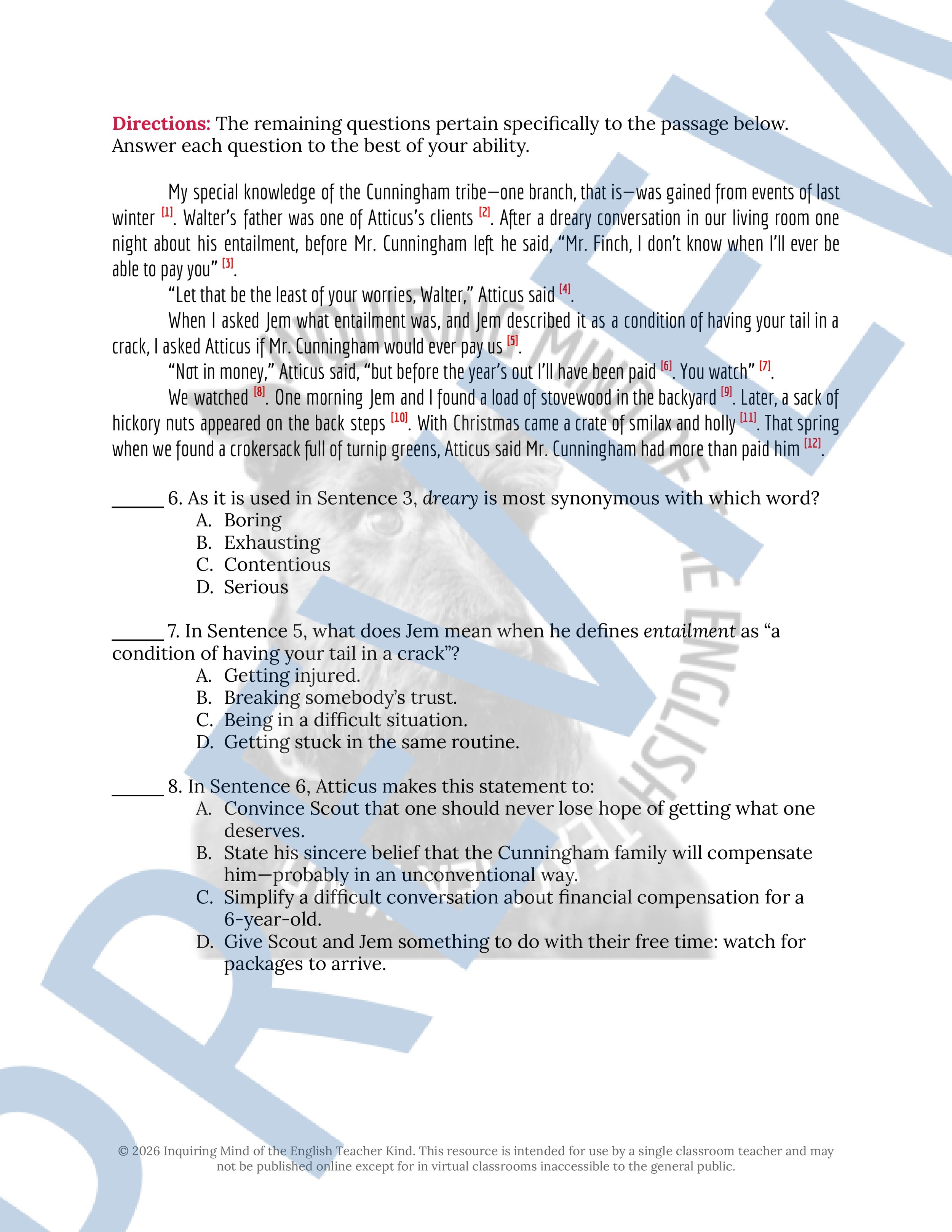
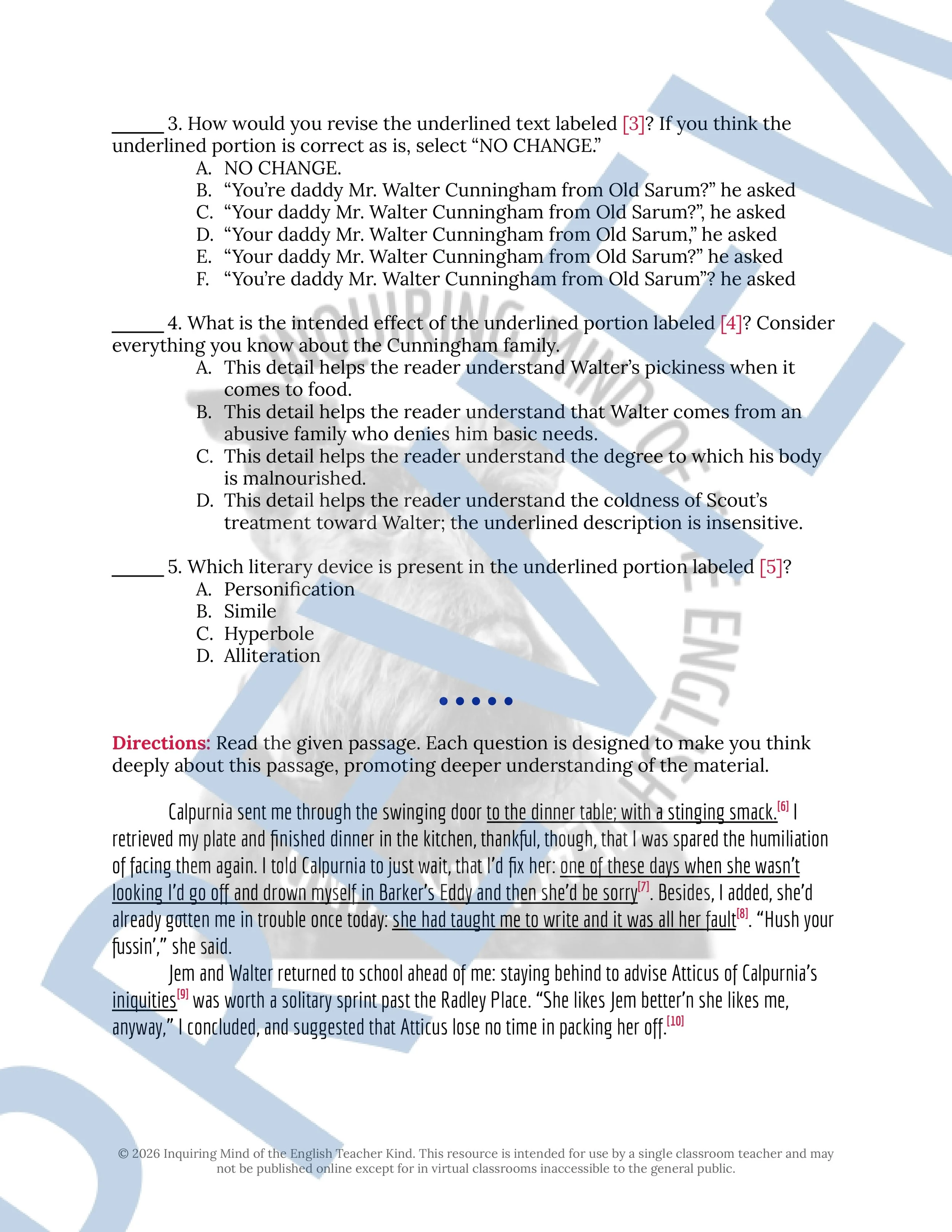
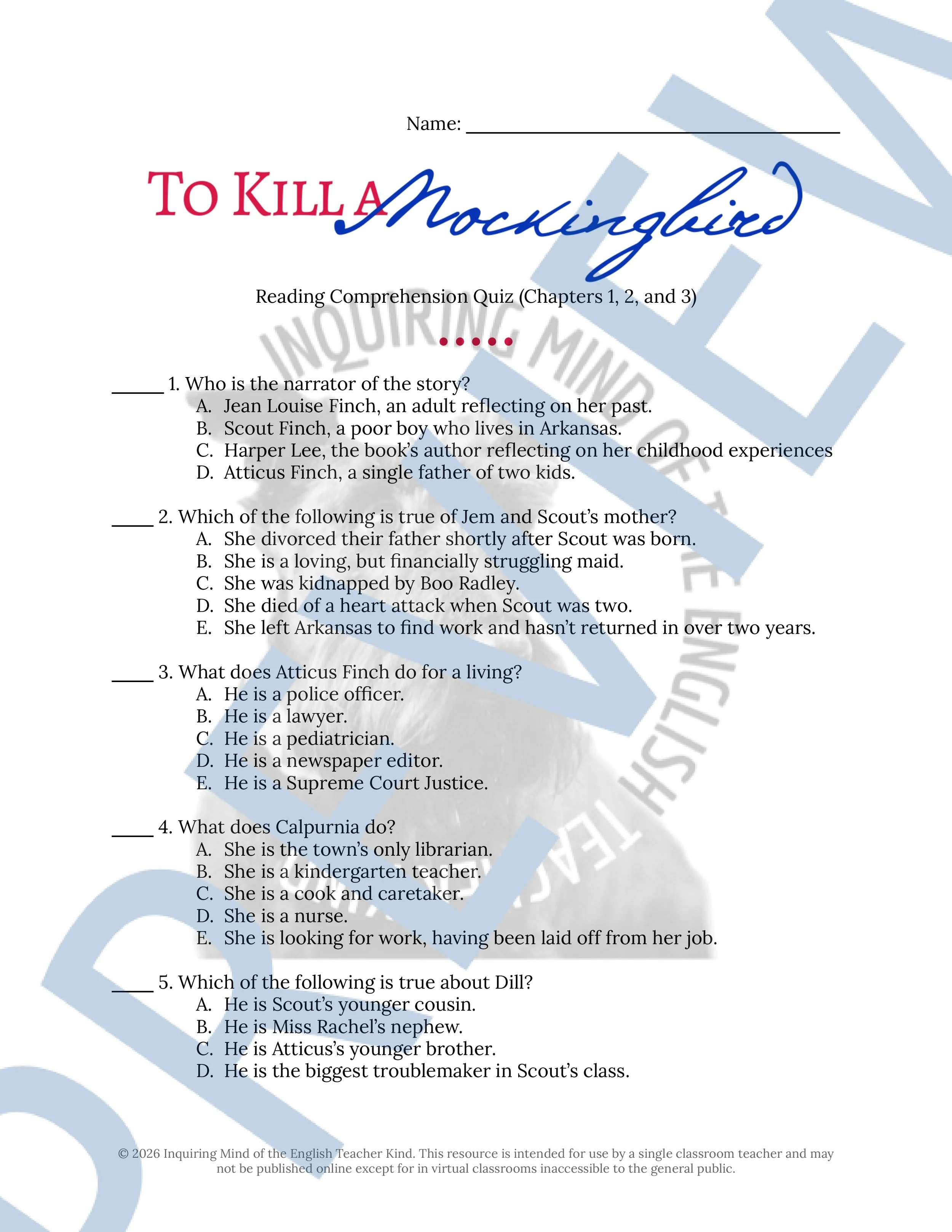
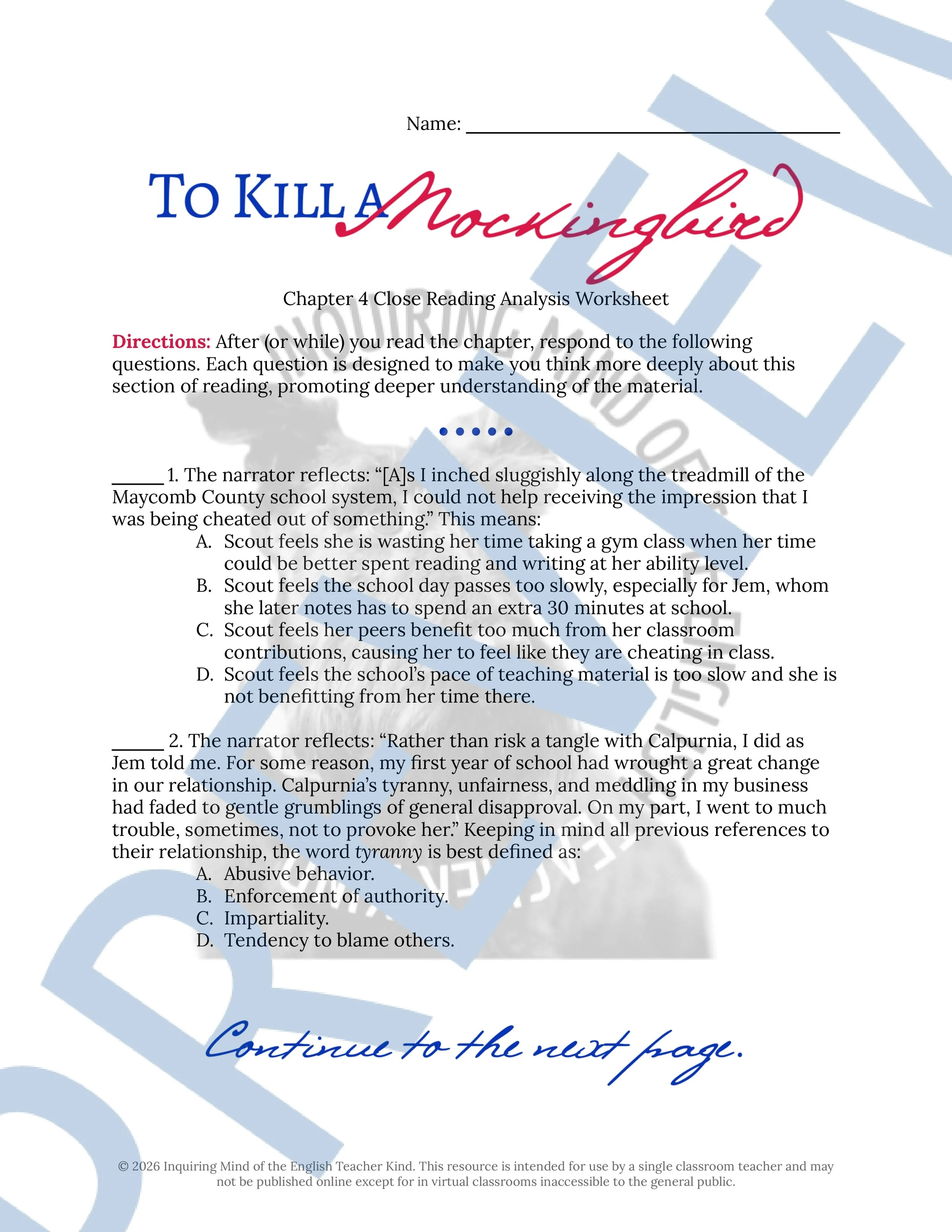
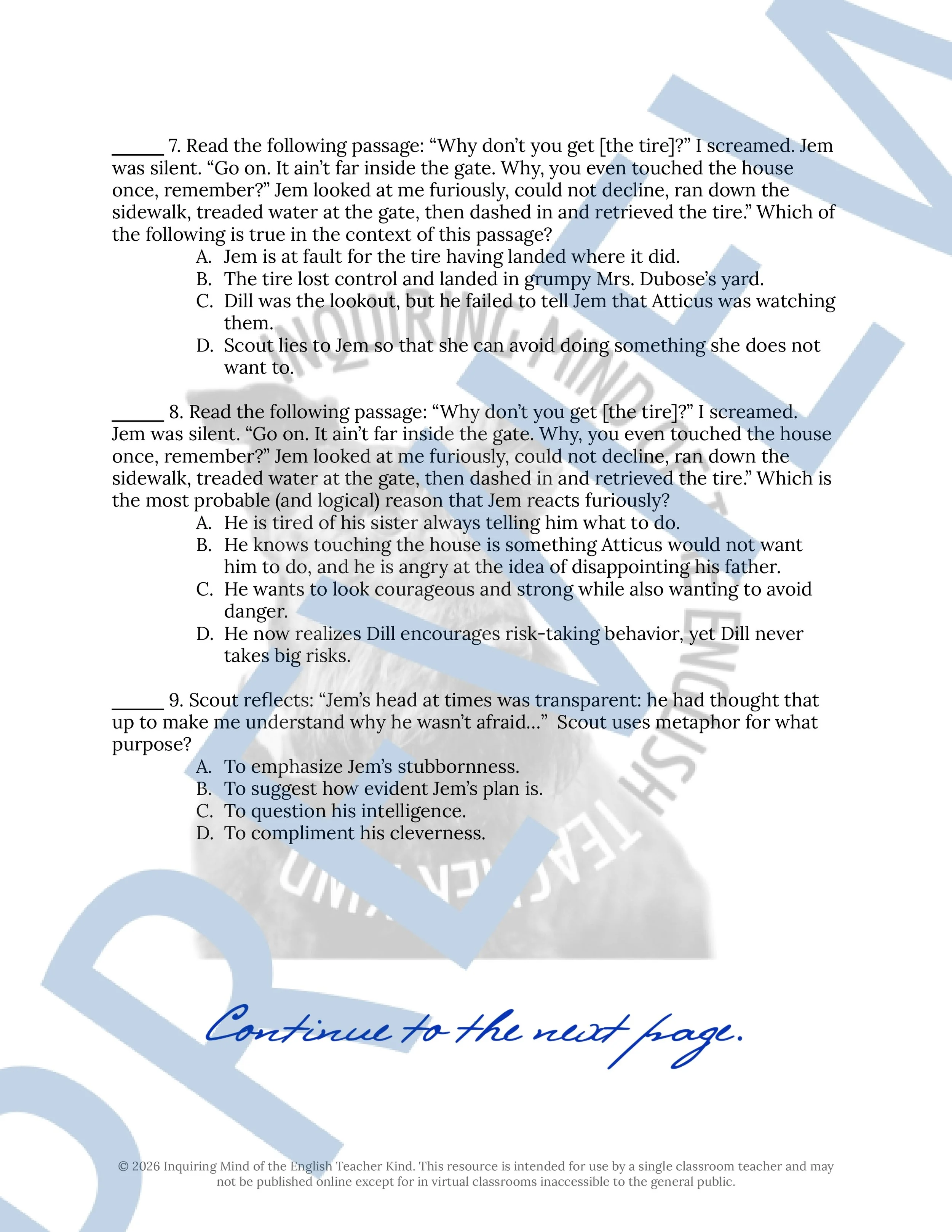
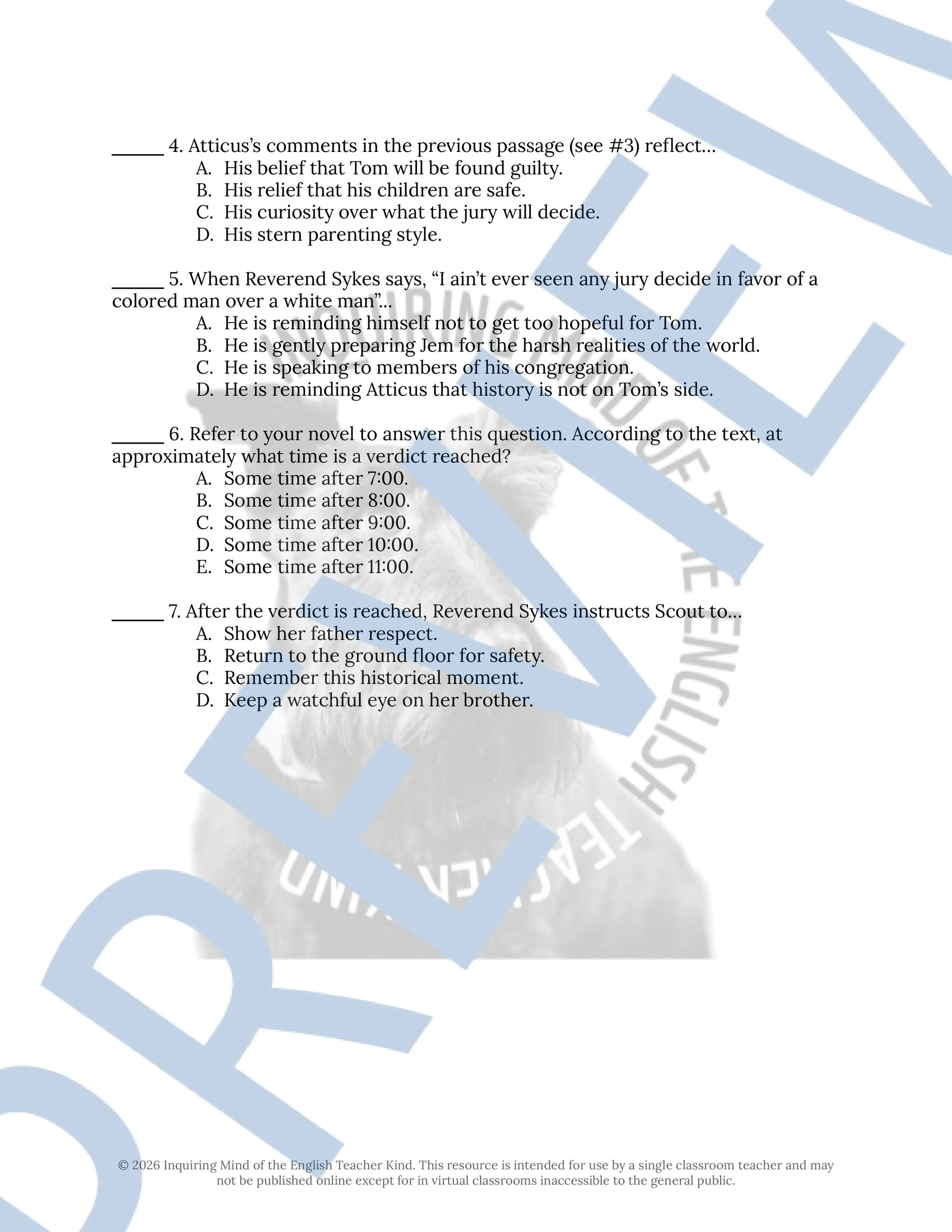
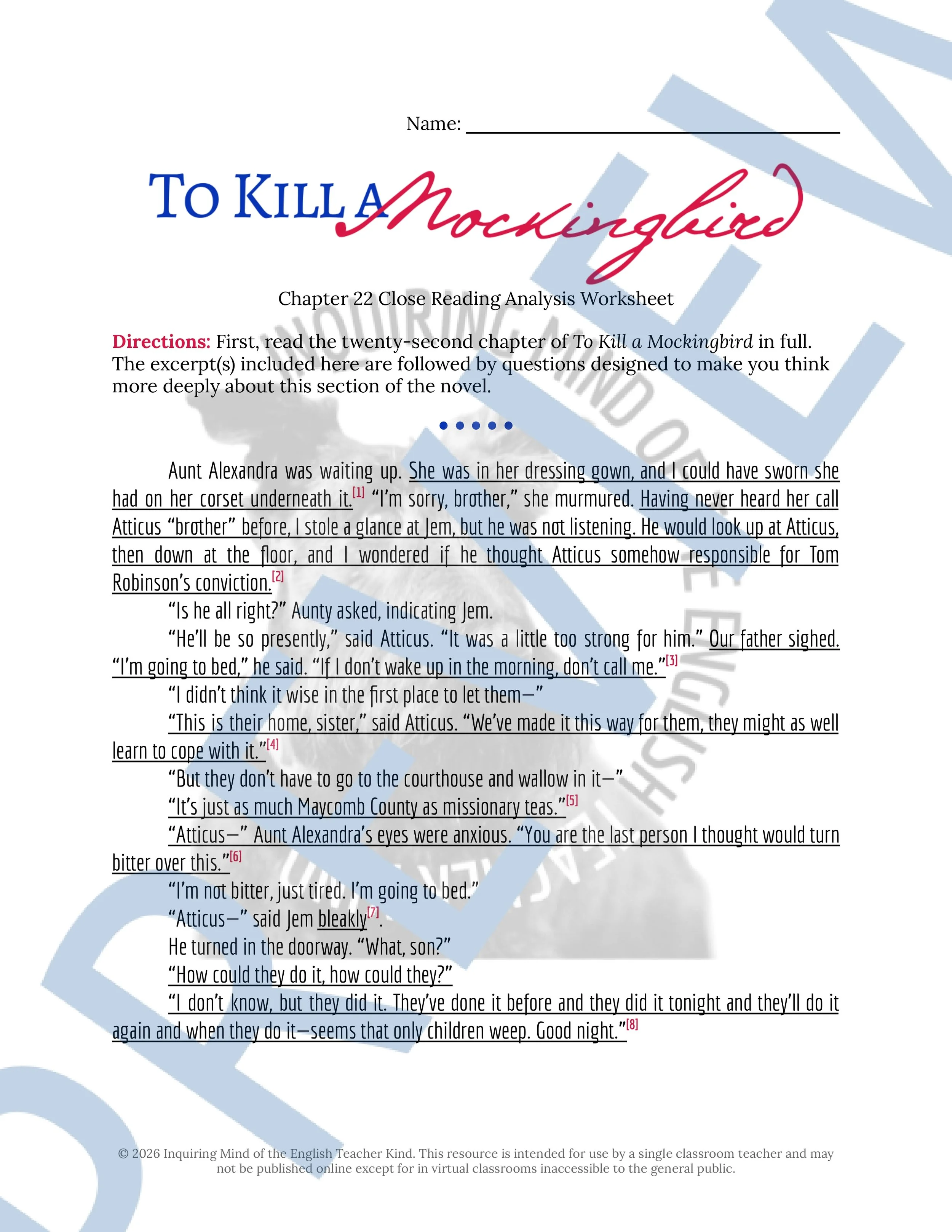
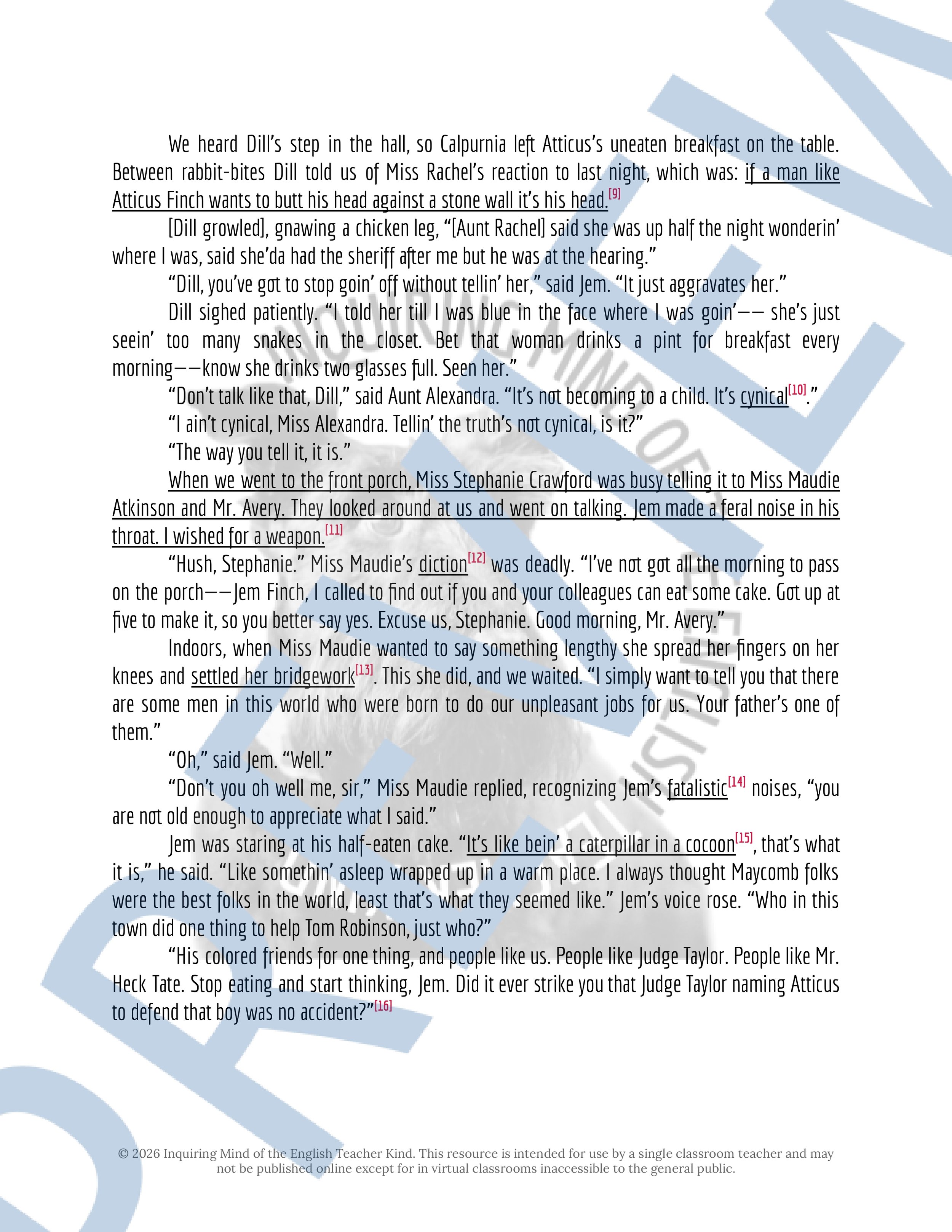
Challenge middle and high school students to push beyond basic reading comprehension and exercise close reading analysis skills while engaging with To Kill a Mockingbird by Harper Lee. Given the objective nature of the multiple choice questions, each close reading activity is rigorous enough for students to find deeper meaning in the novel, yet convenient enough for teachers to quickly and efficiently gather data on their students' textual analysis skills.