Image 1 of 42
Image 2 of 42
Image 3 of 42
Image 4 of 42
Image 5 of 42
Image 6 of 42
Image 7 of 42
Image 8 of 42
Image 9 of 42
Image 10 of 42
Image 11 of 42
Image 12 of 42
Image 13 of 42
Image 14 of 42
Image 15 of 42
Image 16 of 42
Image 17 of 42
Image 18 of 42
Image 19 of 42
Image 20 of 42
Image 21 of 42
Image 22 of 42
Image 23 of 42
Image 24 of 42
Image 25 of 42
Image 26 of 42
Image 27 of 42
Image 28 of 42
Image 29 of 42
Image 30 of 42
Image 31 of 42
Image 32 of 42
Image 33 of 42
Image 34 of 42
Image 35 of 42
Image 36 of 42
Image 37 of 42
Image 38 of 42
Image 39 of 42
Image 40 of 42
Image 41 of 42
Image 42 of 42
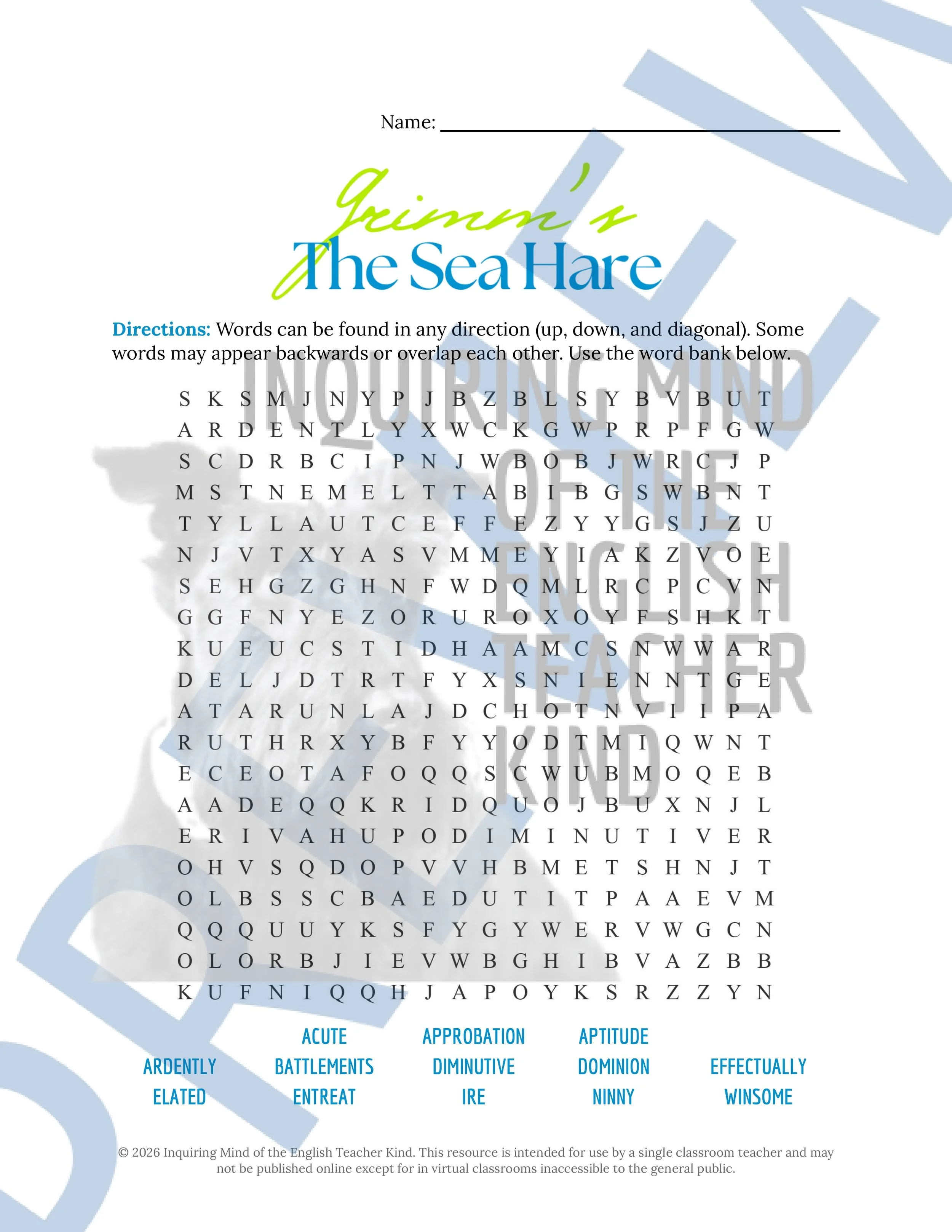
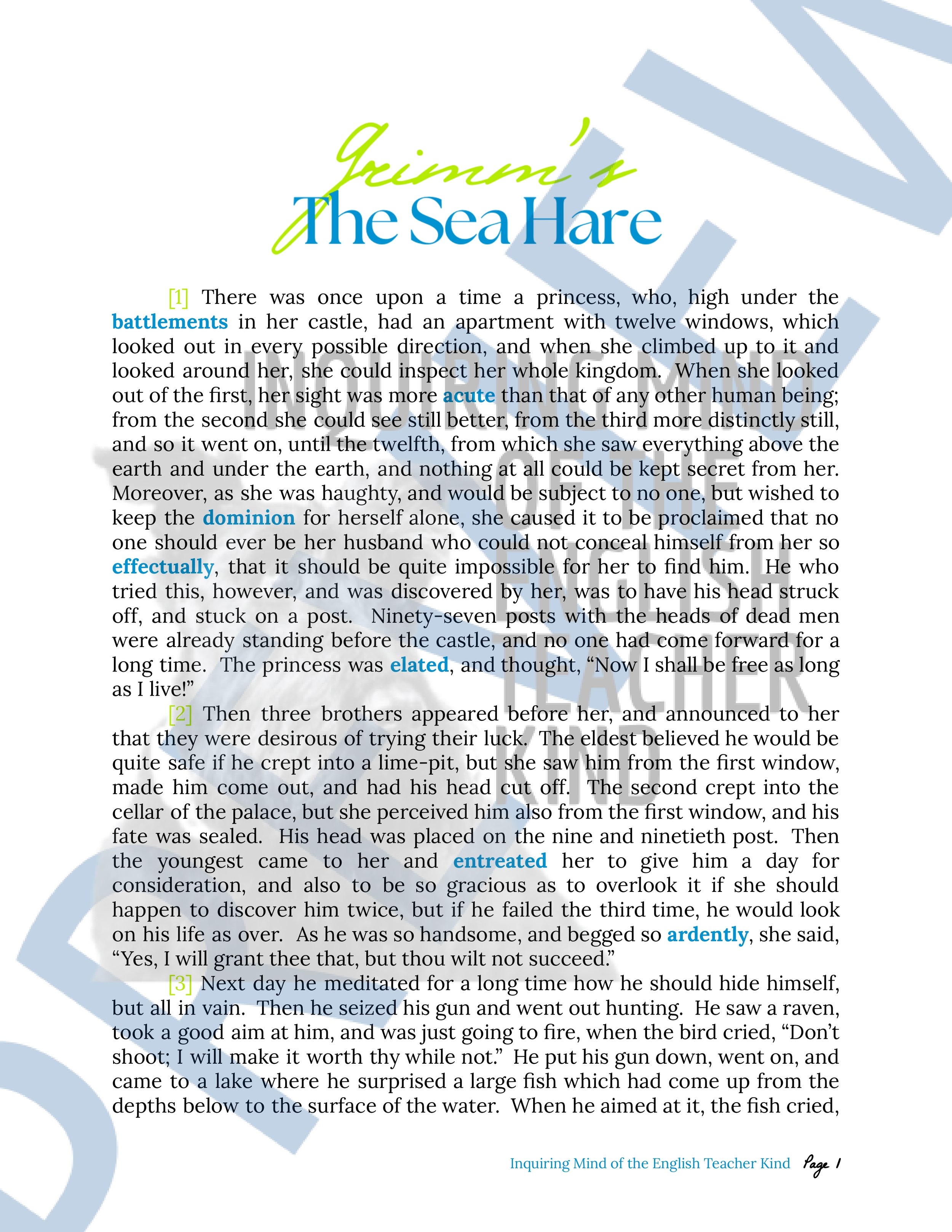
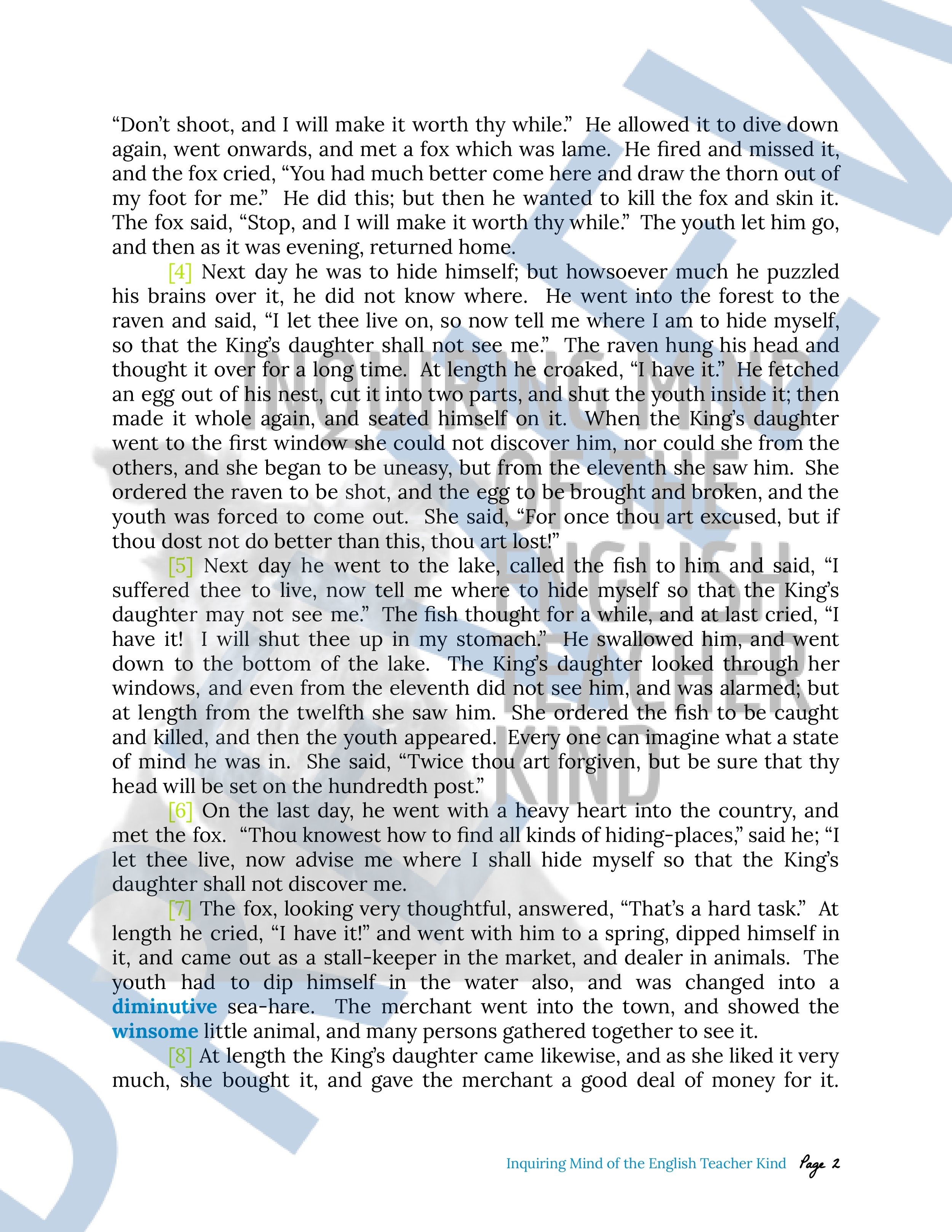
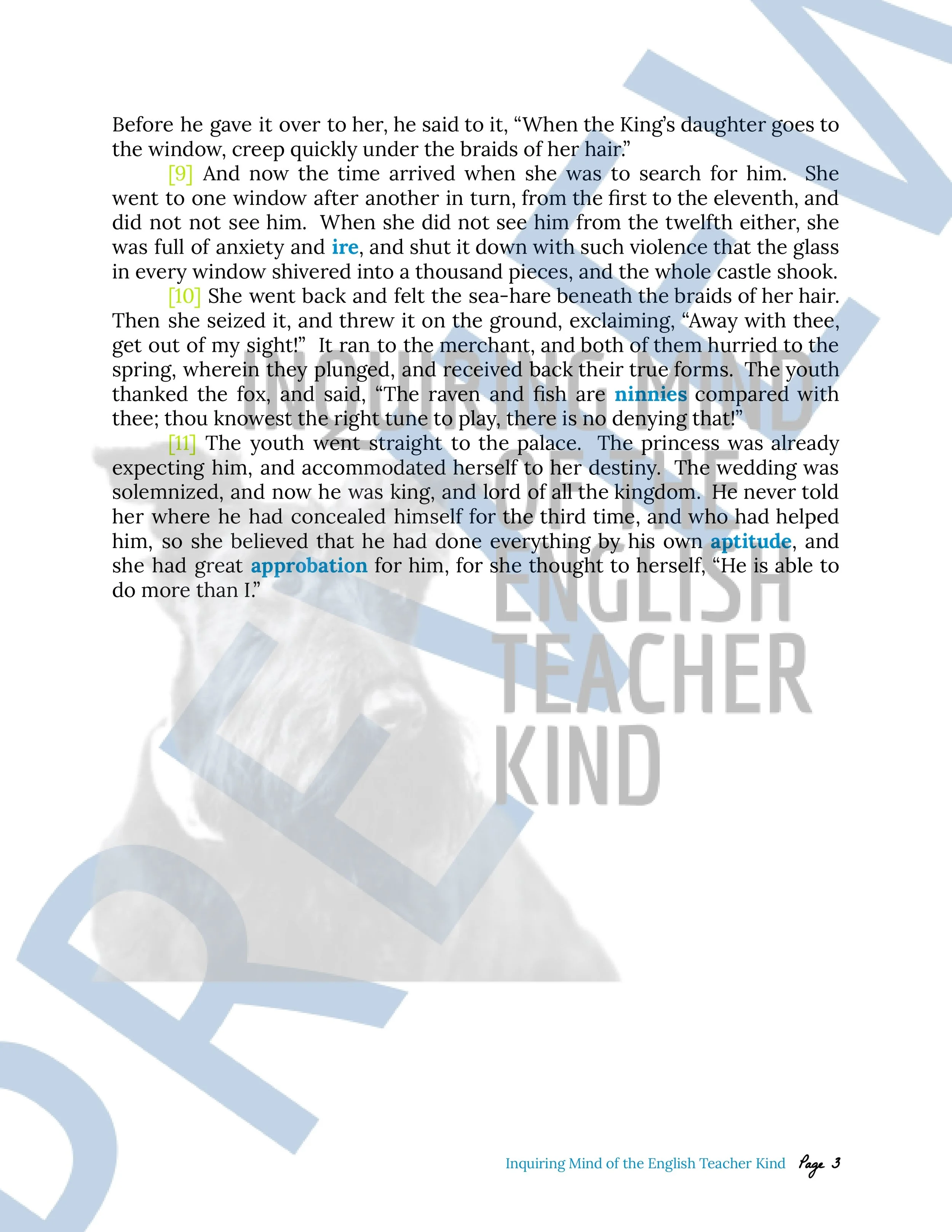
"The Most Dangerous Game" Quiz, Reading Activities, and Vocabulary Games Bundle
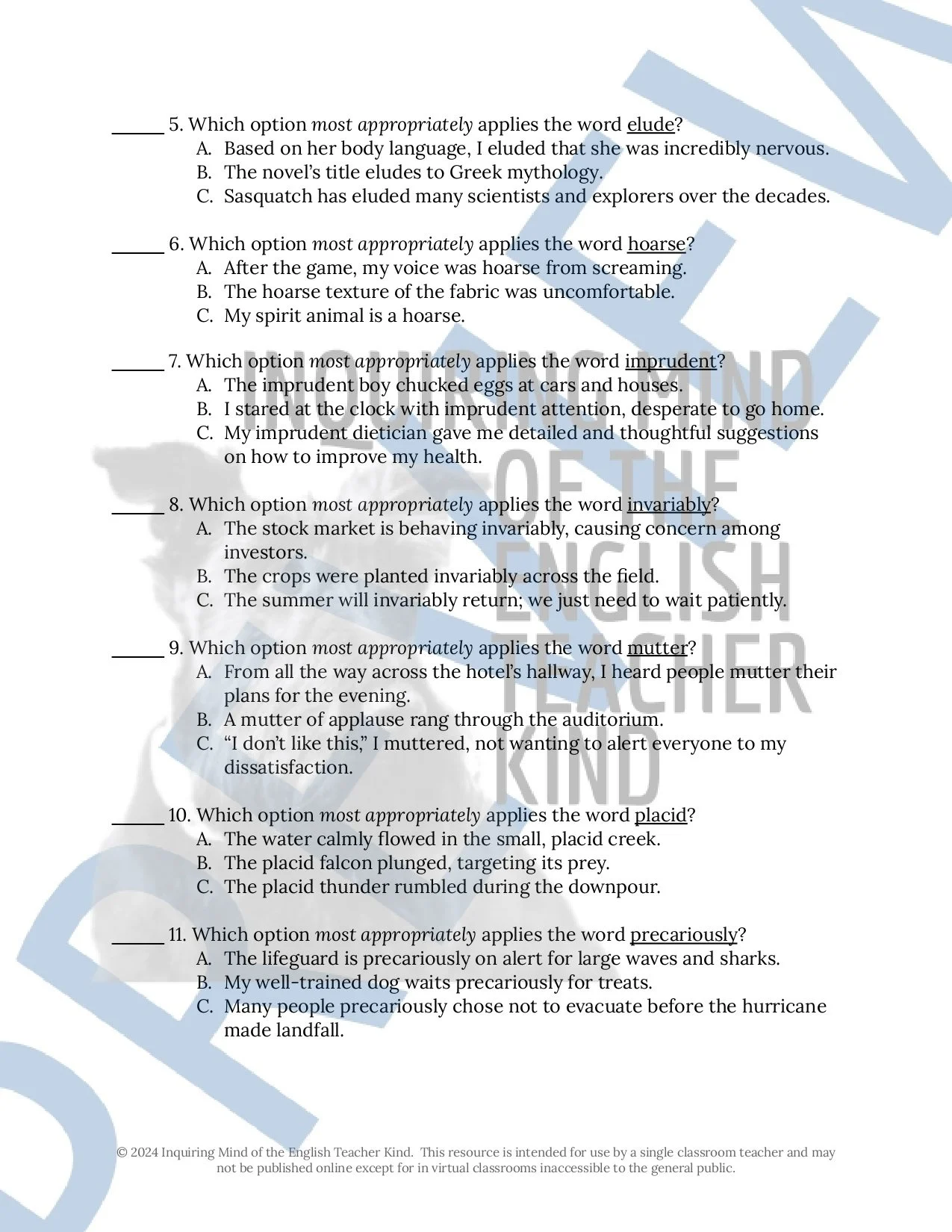
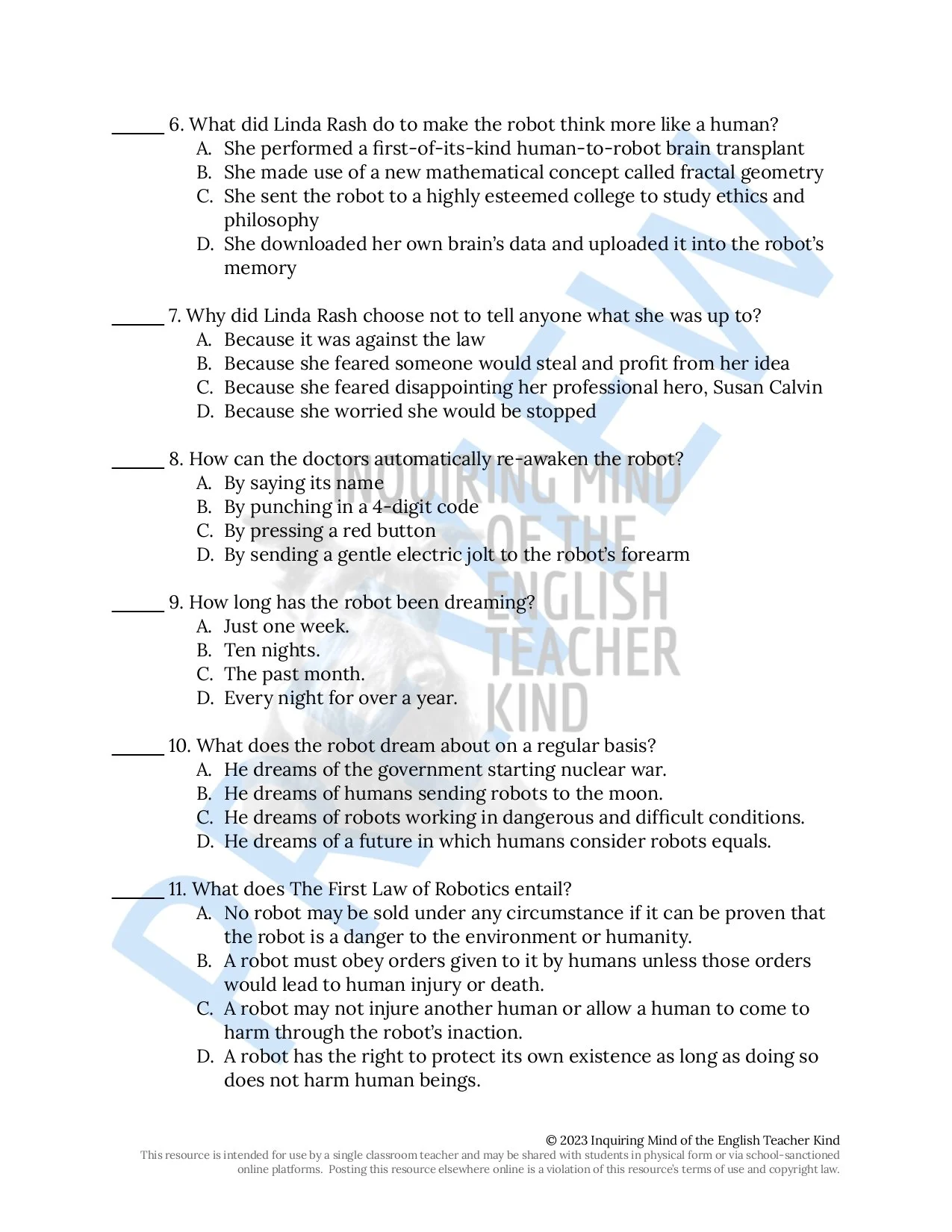
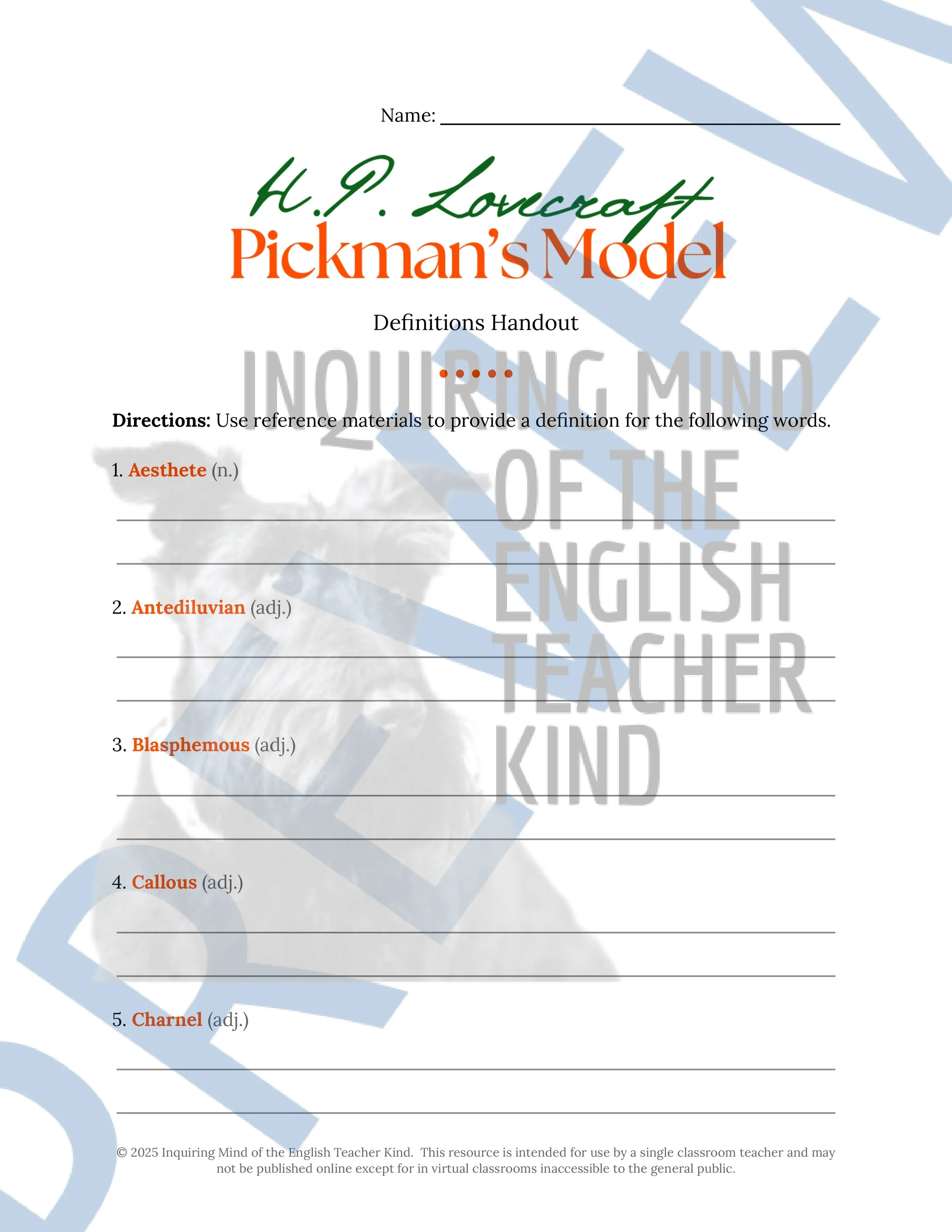
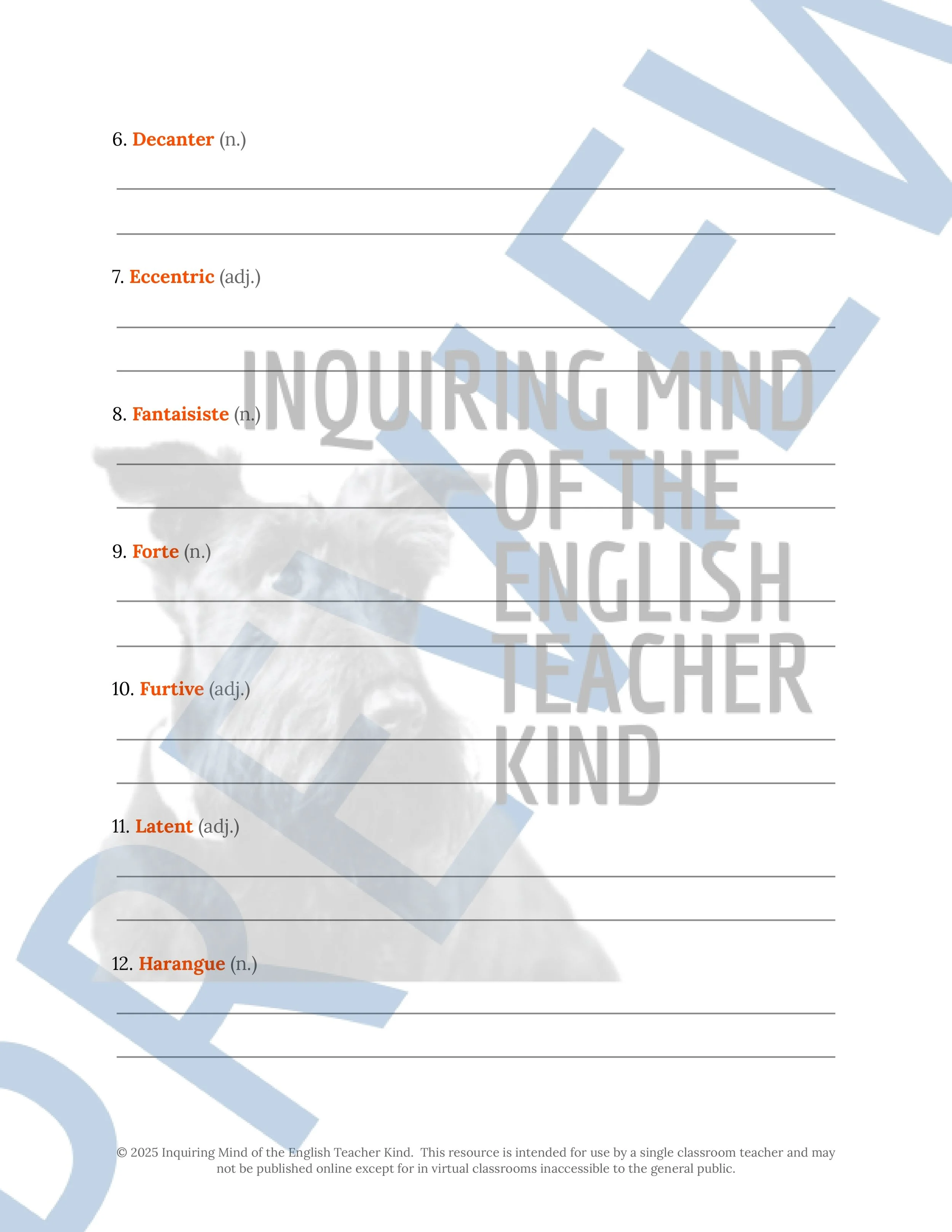
Evaluate general reading comprehension, facilitate vocabulary development, and sharpen critical thinking and literary craft analysis skills with this bundle of materials for teaching the short story "The Most Dangerous Game" by Richard Connell. A plot-based quiz, a close reading inference worksheet, a literary craft analysis activity, a literary device application handout, a vocabulary application exercise, a crossword puzzle, a word search game, and answer keys are provided. Materials are delivered in editable Word Document and printable PDF formats. (Alternatively, a Google Drive bundle option is available.) By engaging with these activities, students will:
Read for literal comprehension
Consult reference materials to learn and verify word meanings as needed
Choose the most proper application of words as they are used in sentences
Infer the intended effects of the authors' word choices and narrative techniques
Determine the function of a given detail
Discern tone in context
Explore how complex characters think, behave, interact, and develop
Compare and contrast two characters (Zaroff and Rainsford)
Apply knowledge of literary devices including allusion, dramatic irony, euphemism, personification, situational irony, verbal irony, and more
Make a rational prediction about the protagonist's future behavior given the full context of the narrative
Support claims and inferences with sound reasoning and relevant evidence
Write about fiction with clarity, accuracy, and precision
Come to class better prepared to discuss literature
This resource may facilitate small-group discussions in which students decode language and pose/respond to questions relating to plot, broad topics, and character development. Using this resource for structured guidance, students will improve their ability to present information, conclusions, and supporting textual evidence clearly and convincingly.
Resources are available for teaching short stories of various genres:
Evaluate general reading comprehension, facilitate vocabulary development, and sharpen critical thinking and literary craft analysis skills with this bundle of materials for teaching the short story "The Most Dangerous Game" by Richard Connell. A plot-based quiz, a close reading inference worksheet, a literary craft analysis activity, a literary device application handout, a vocabulary application exercise, a crossword puzzle, a word search game, and answer keys are provided. Materials are delivered in editable Word Document and printable PDF formats. (Alternatively, a Google Drive bundle option is available.) By engaging with these activities, students will:
Read for literal comprehension
Consult reference materials to learn and verify word meanings as needed
Choose the most proper application of words as they are used in sentences
Infer the intended effects of the authors' word choices and narrative techniques
Determine the function of a given detail
Discern tone in context
Explore how complex characters think, behave, interact, and develop
Compare and contrast two characters (Zaroff and Rainsford)
Apply knowledge of literary devices including allusion, dramatic irony, euphemism, personification, situational irony, verbal irony, and more
Make a rational prediction about the protagonist's future behavior given the full context of the narrative
Support claims and inferences with sound reasoning and relevant evidence
Write about fiction with clarity, accuracy, and precision
Come to class better prepared to discuss literature
This resource may facilitate small-group discussions in which students decode language and pose/respond to questions relating to plot, broad topics, and character development. Using this resource for structured guidance, students will improve their ability to present information, conclusions, and supporting textual evidence clearly and convincingly.
Resources are available for teaching short stories of various genres:
Preview this resource:
Evaluate general reading comprehension, facilitate vocabulary development, and sharpen critical thinking and literary craft analysis skills with this bundle of materials for teaching the short story "The Most Dangerous Game" by Richard Connell. A plot-based quiz, a close reading inference worksheet, a literary craft analysis activity, a literary device application handout, a vocabulary application exercise, a crossword puzzle, a word search game, and answer keys are provided.