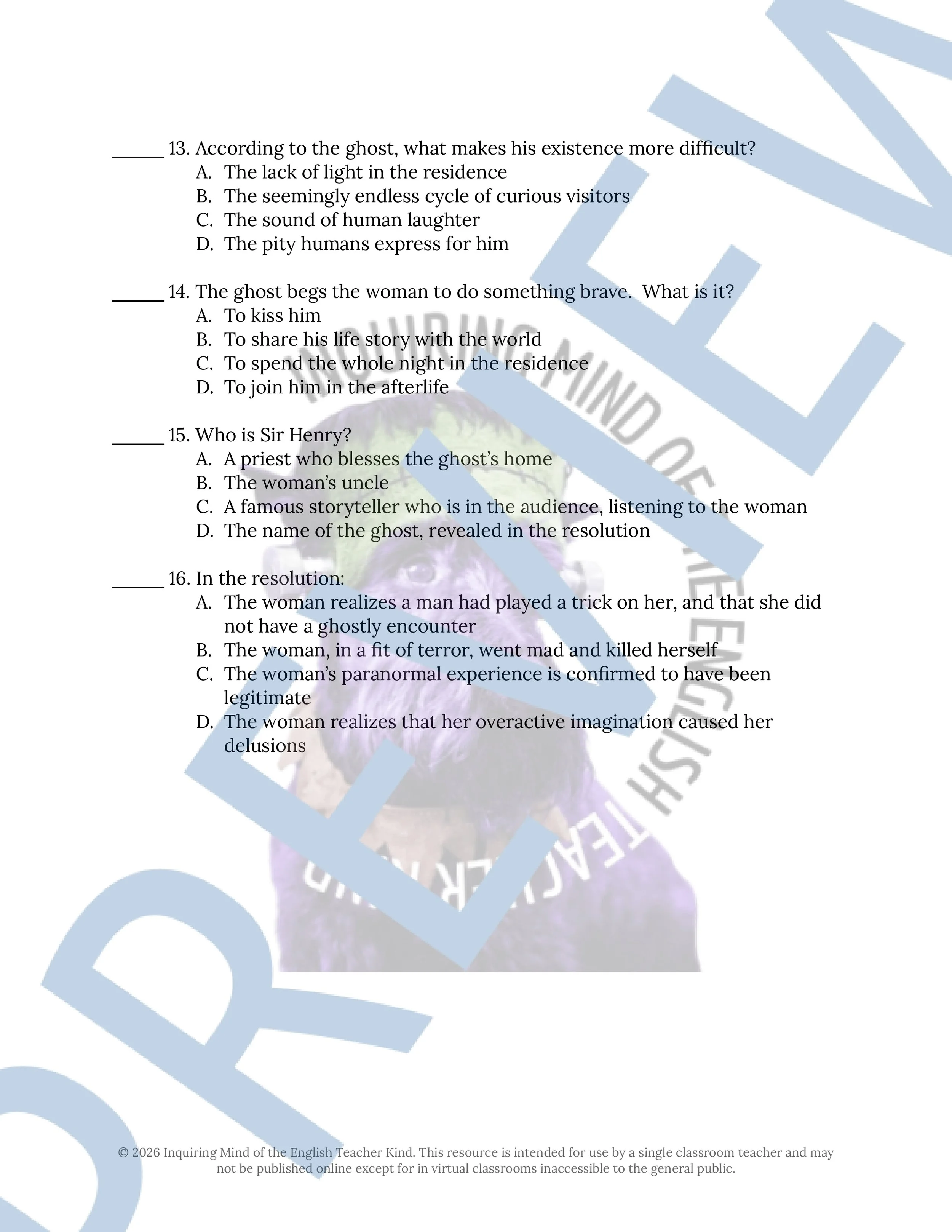
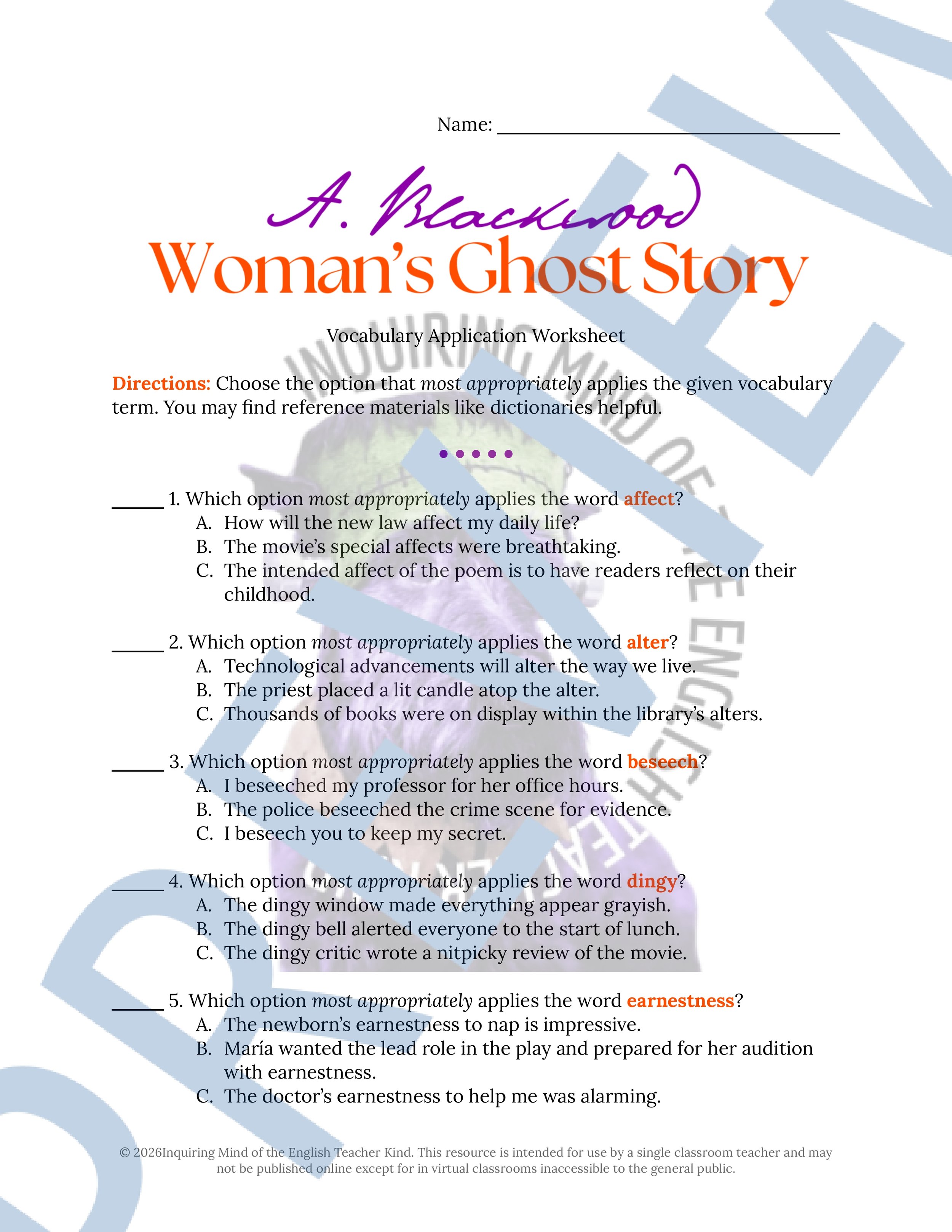
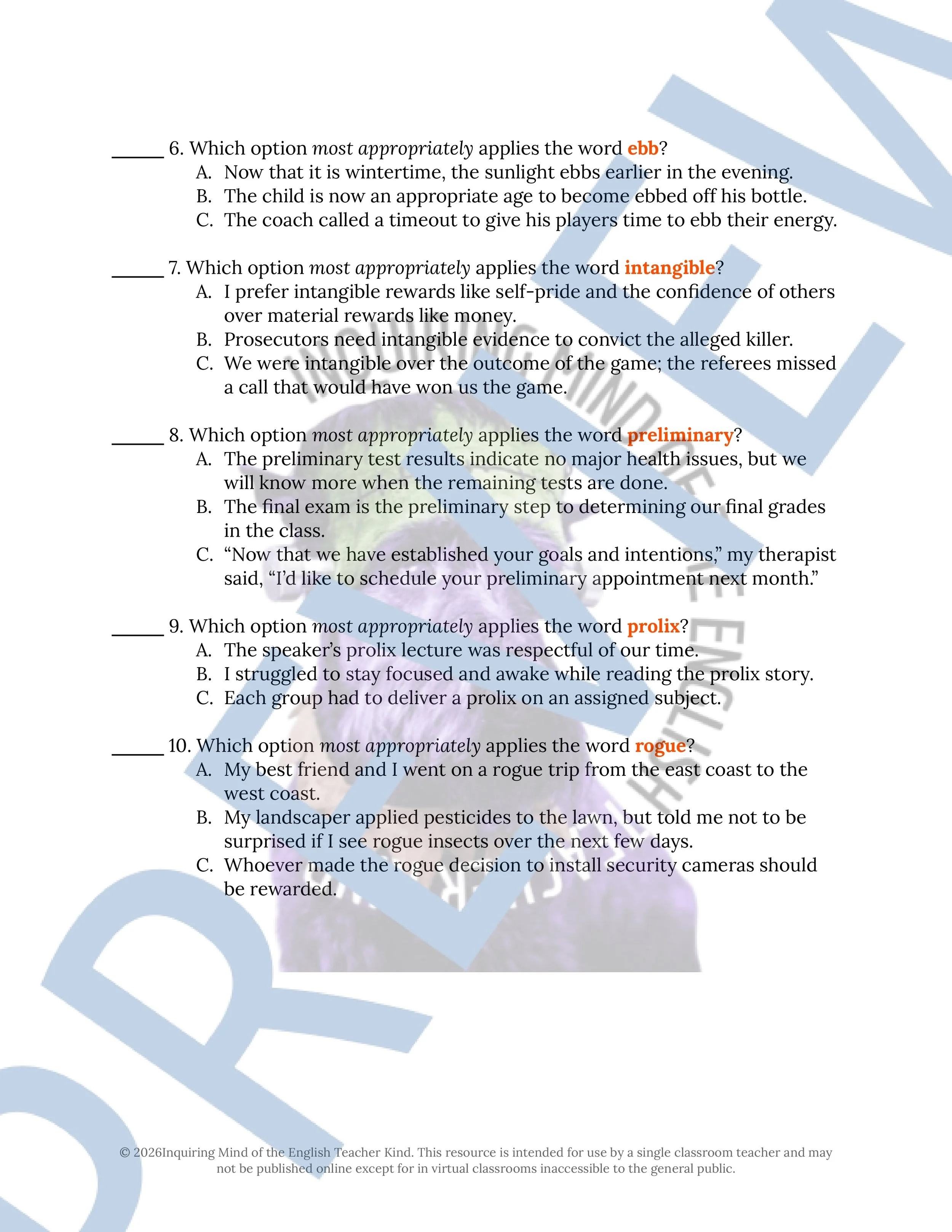
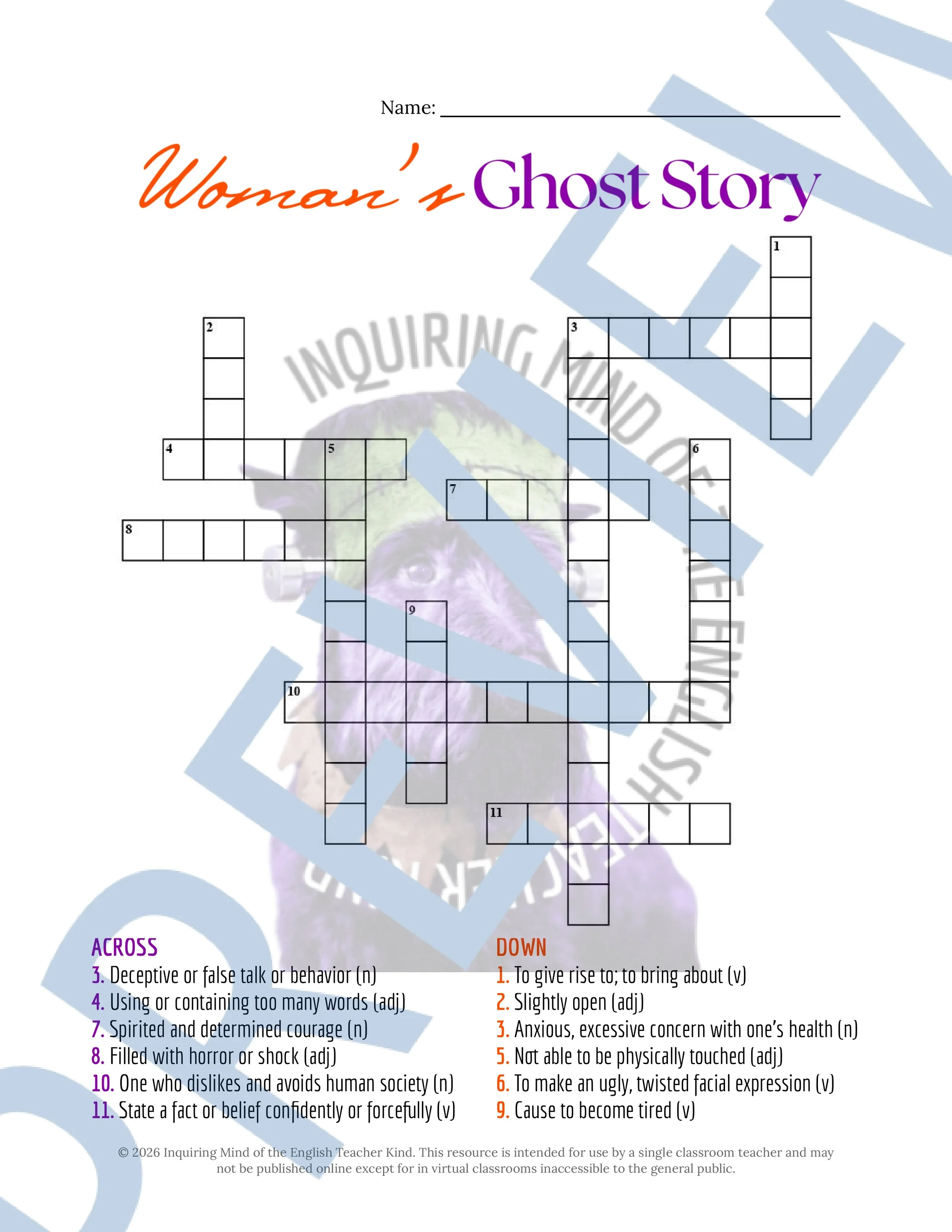
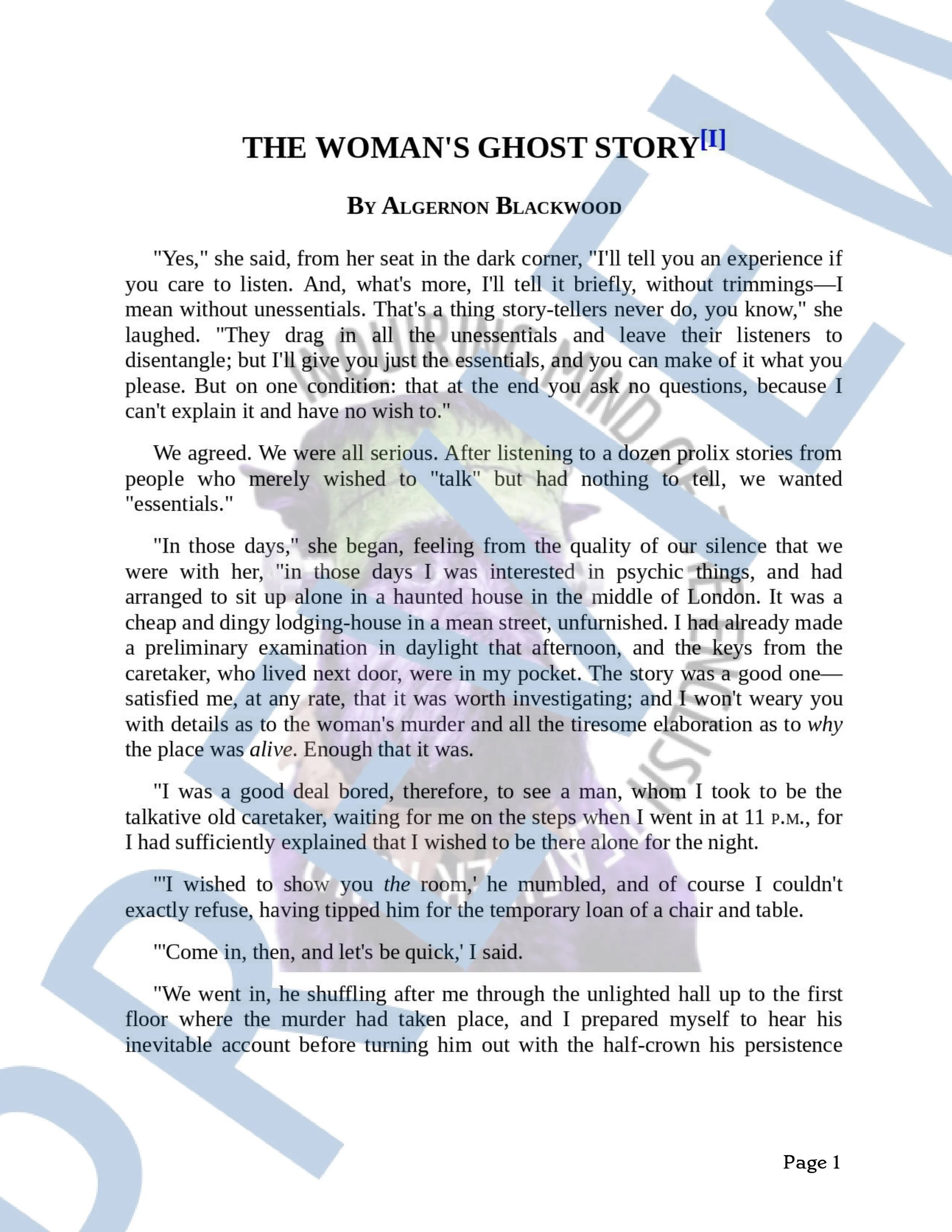
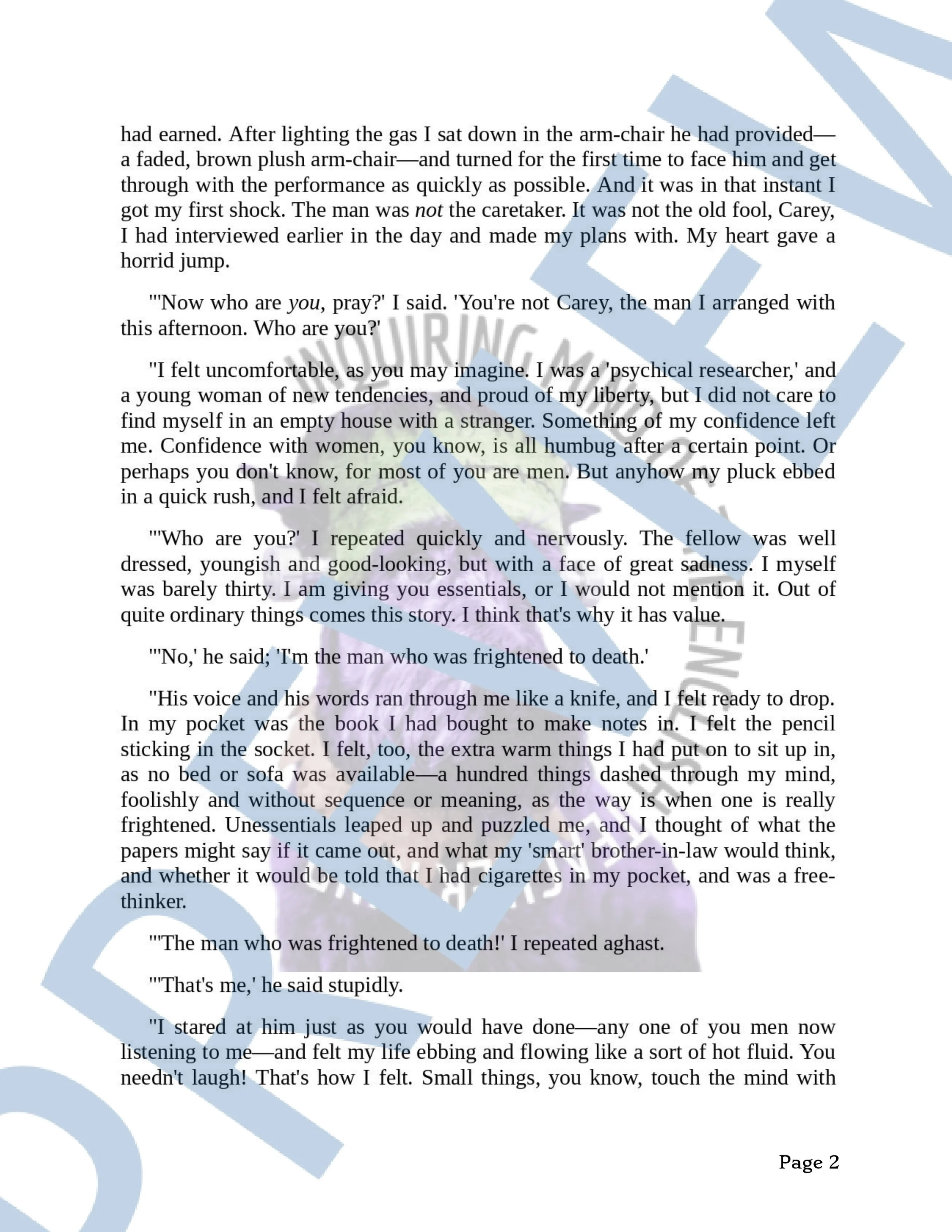
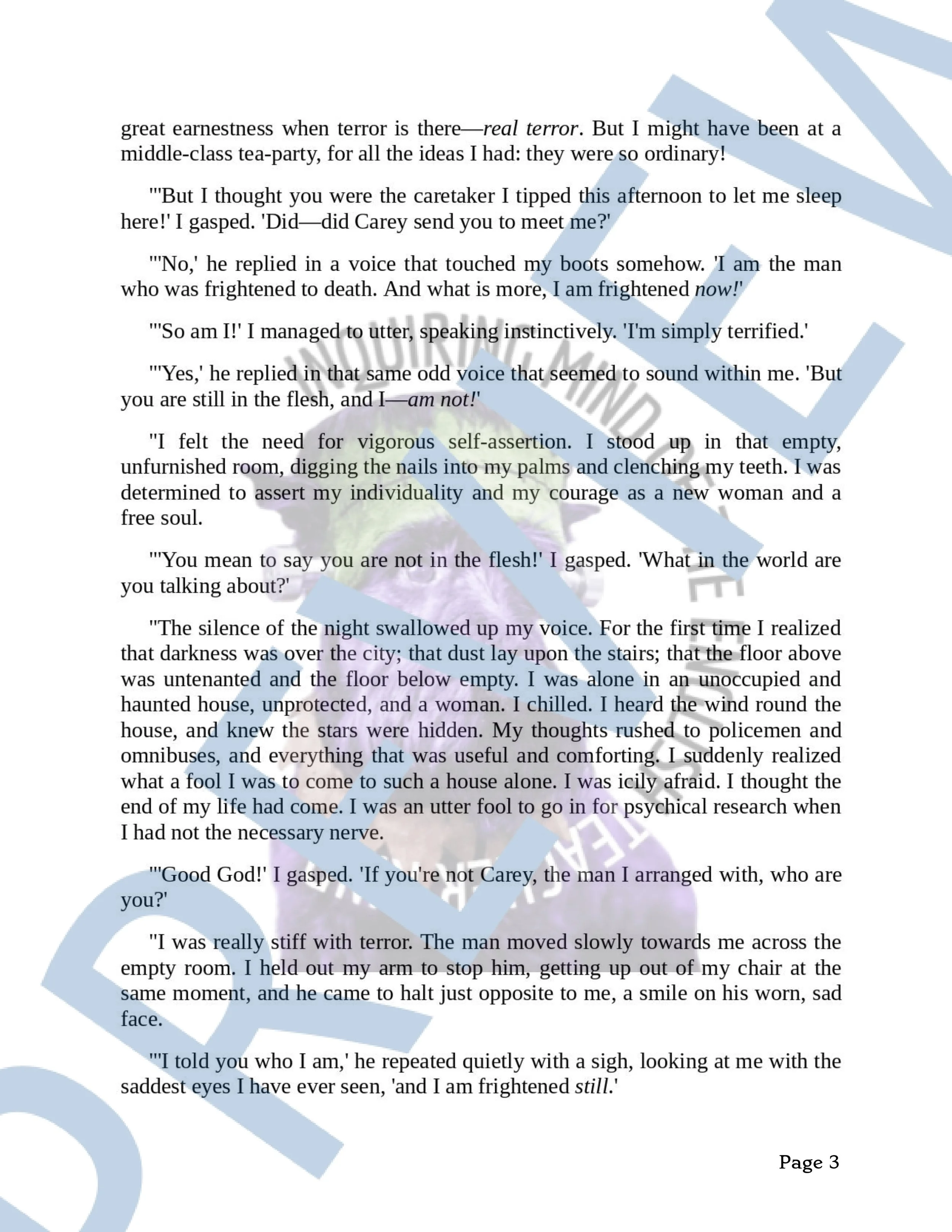
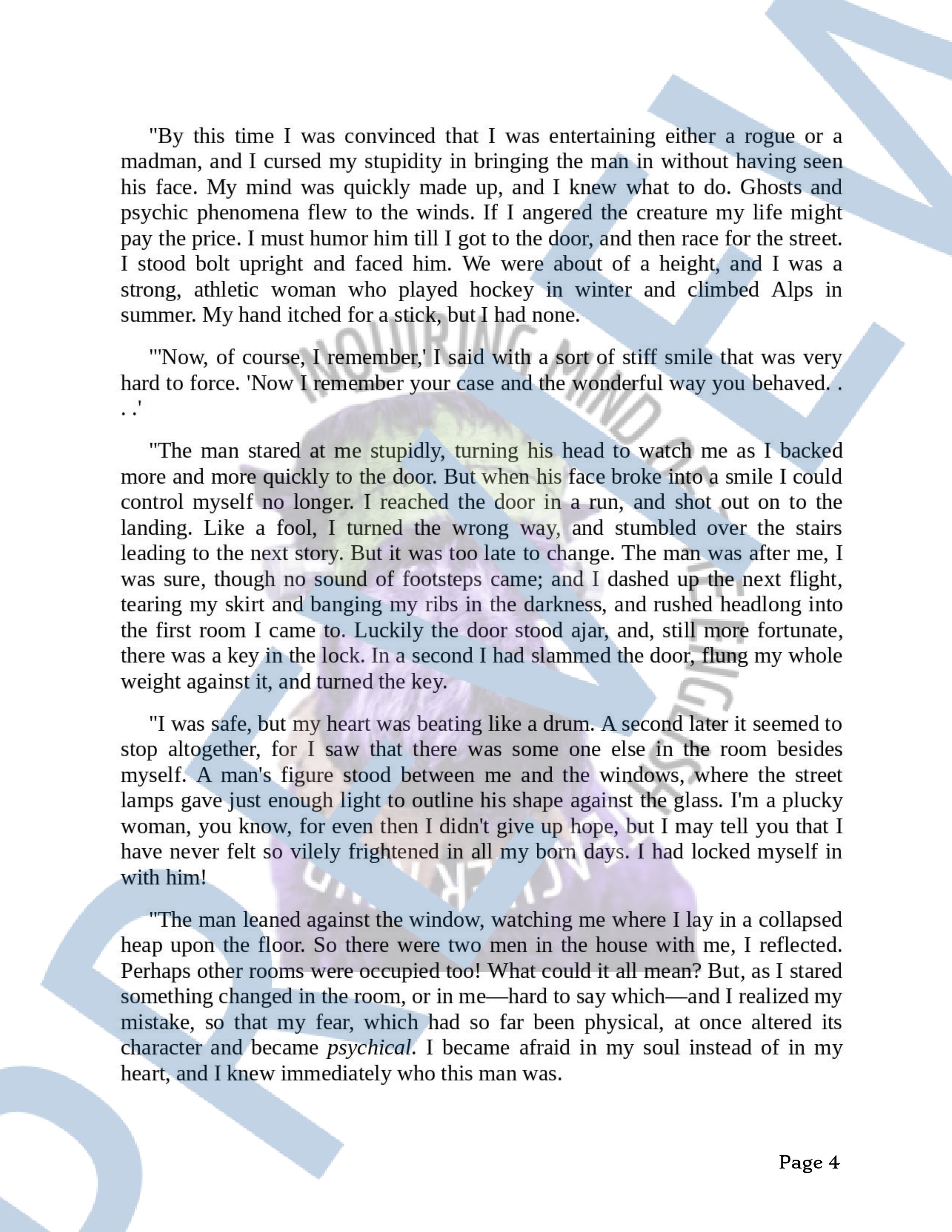
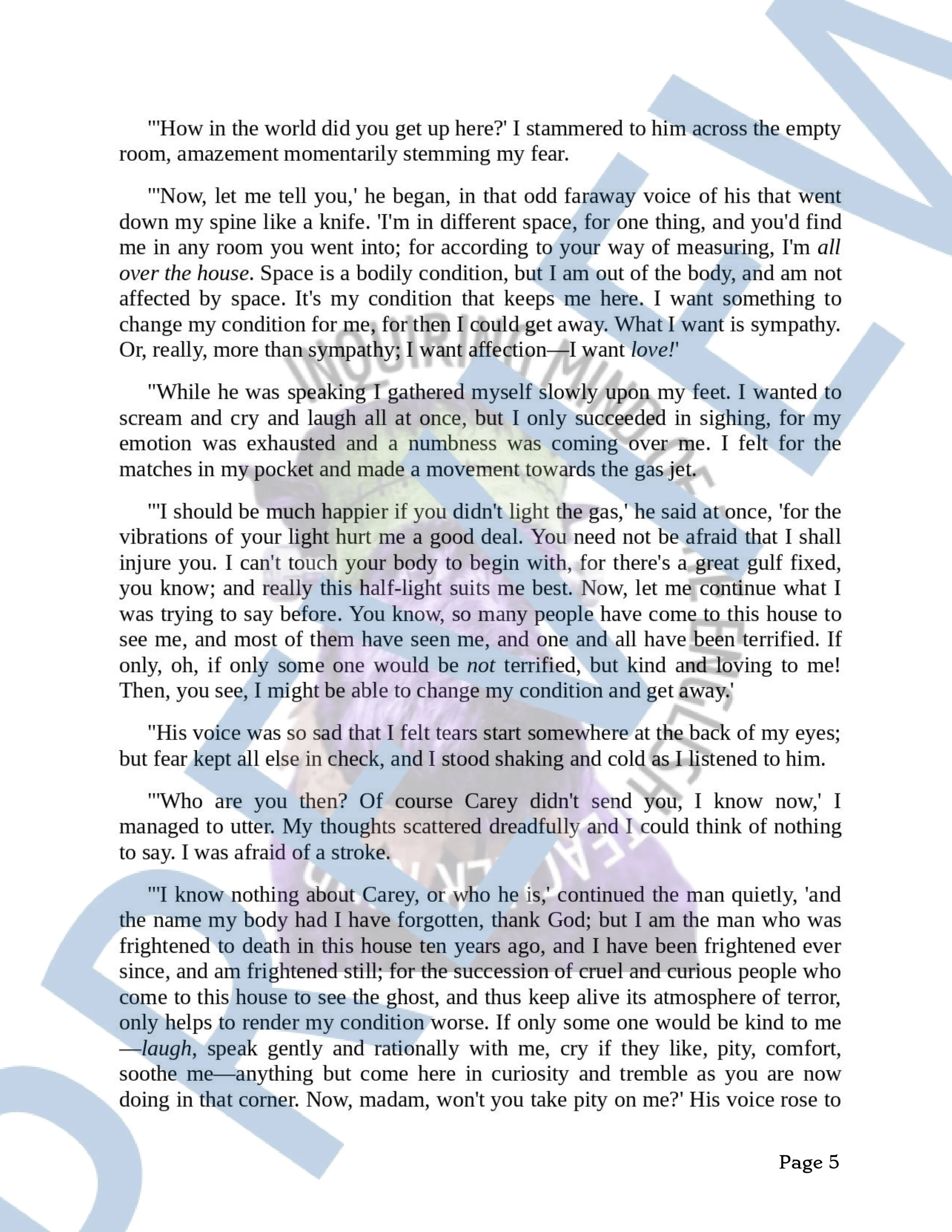
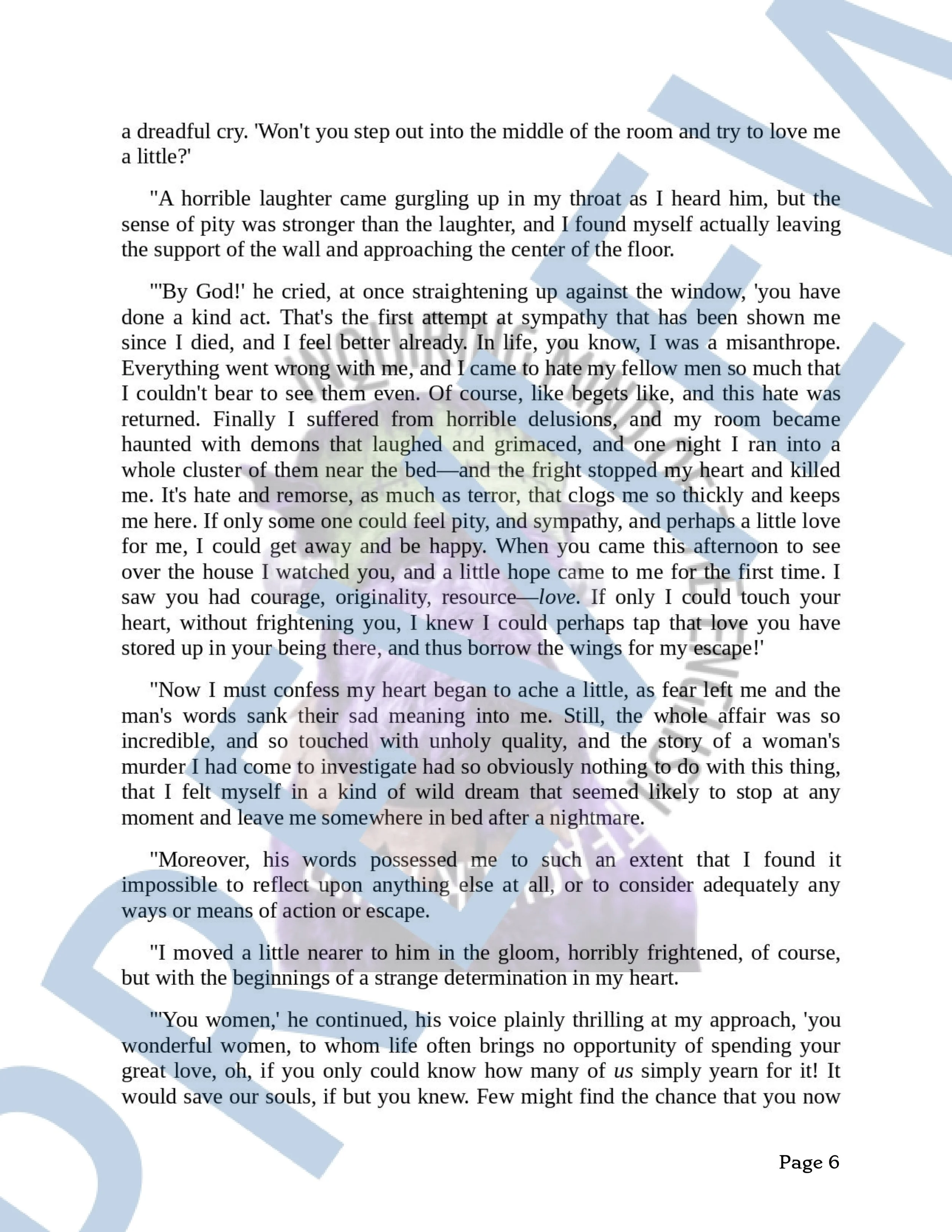
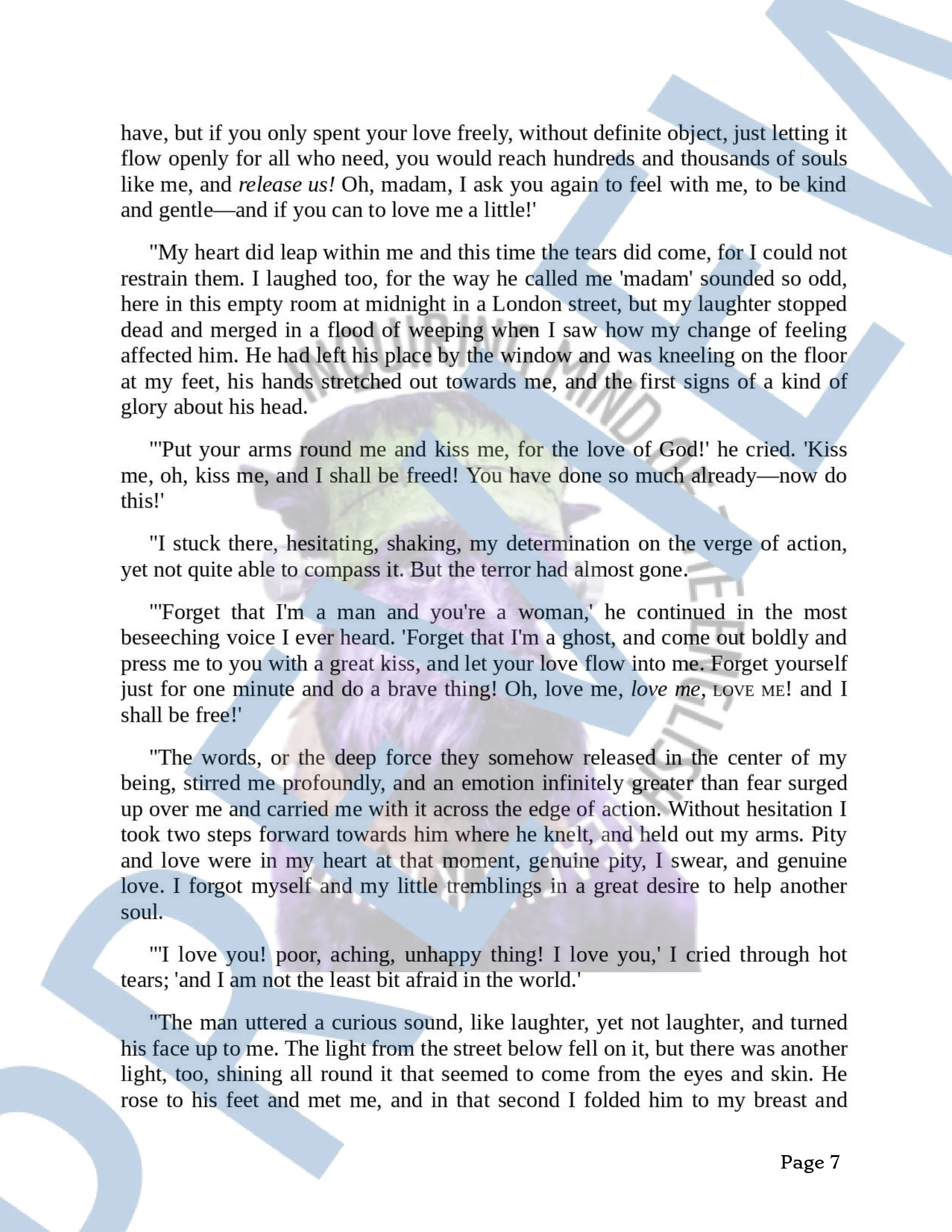
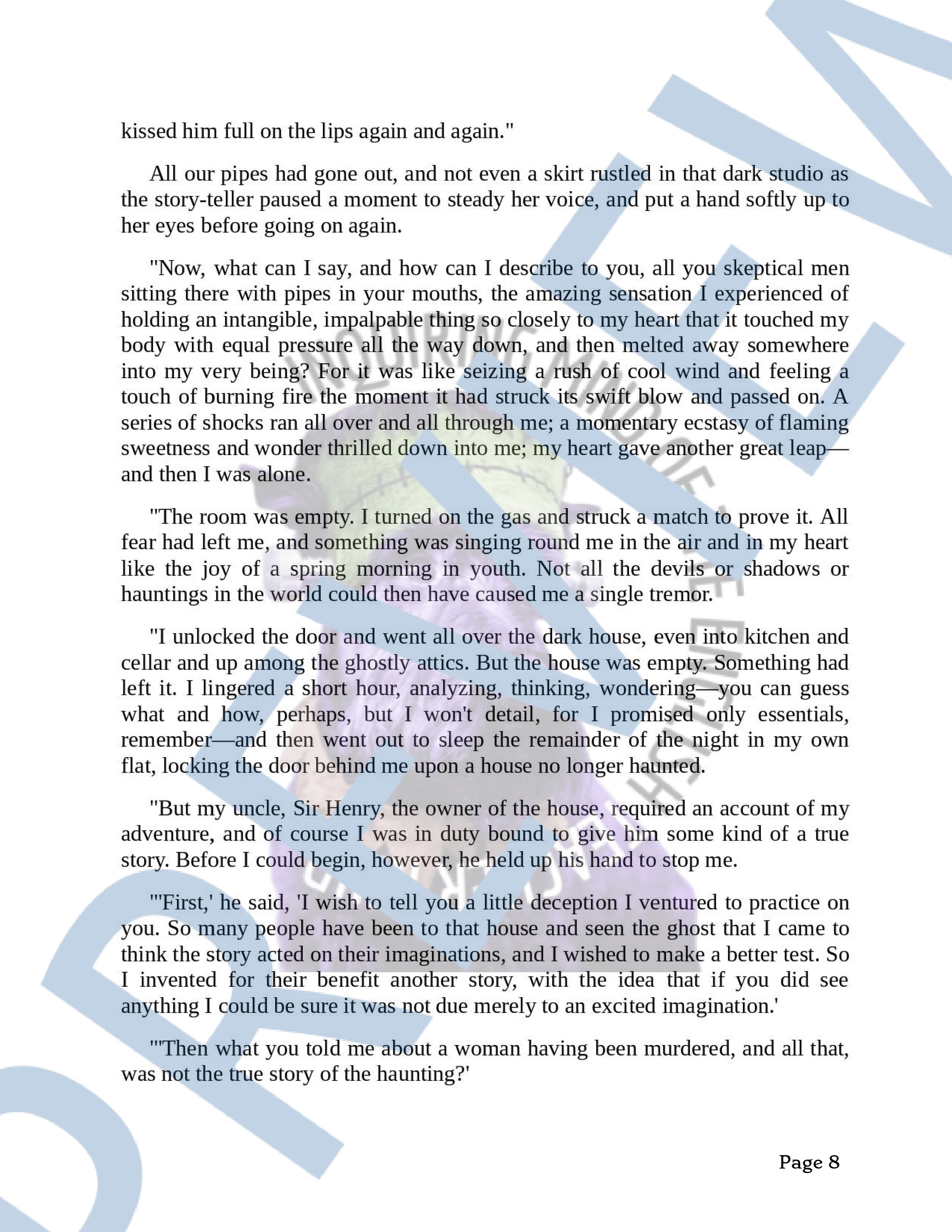
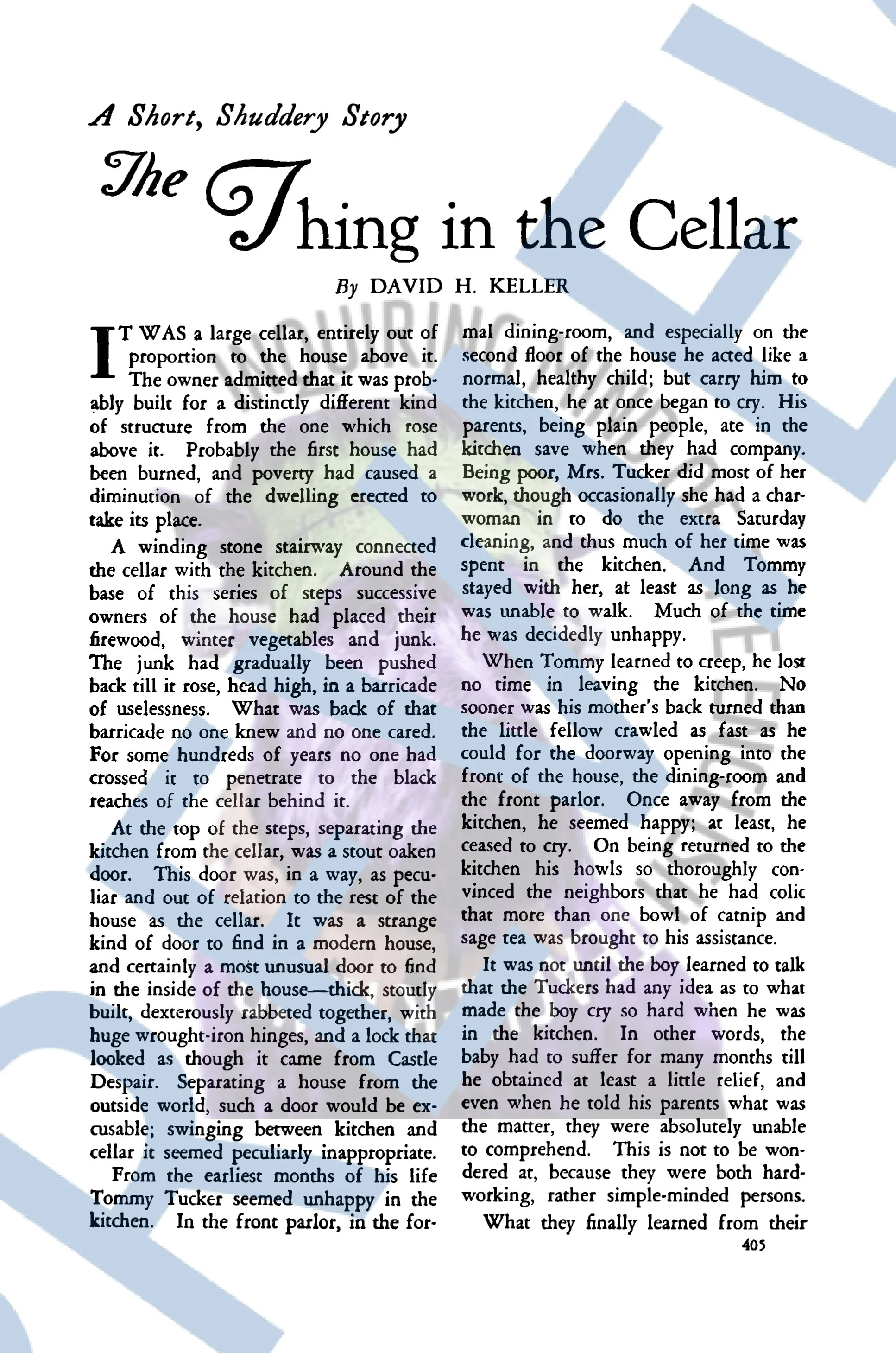
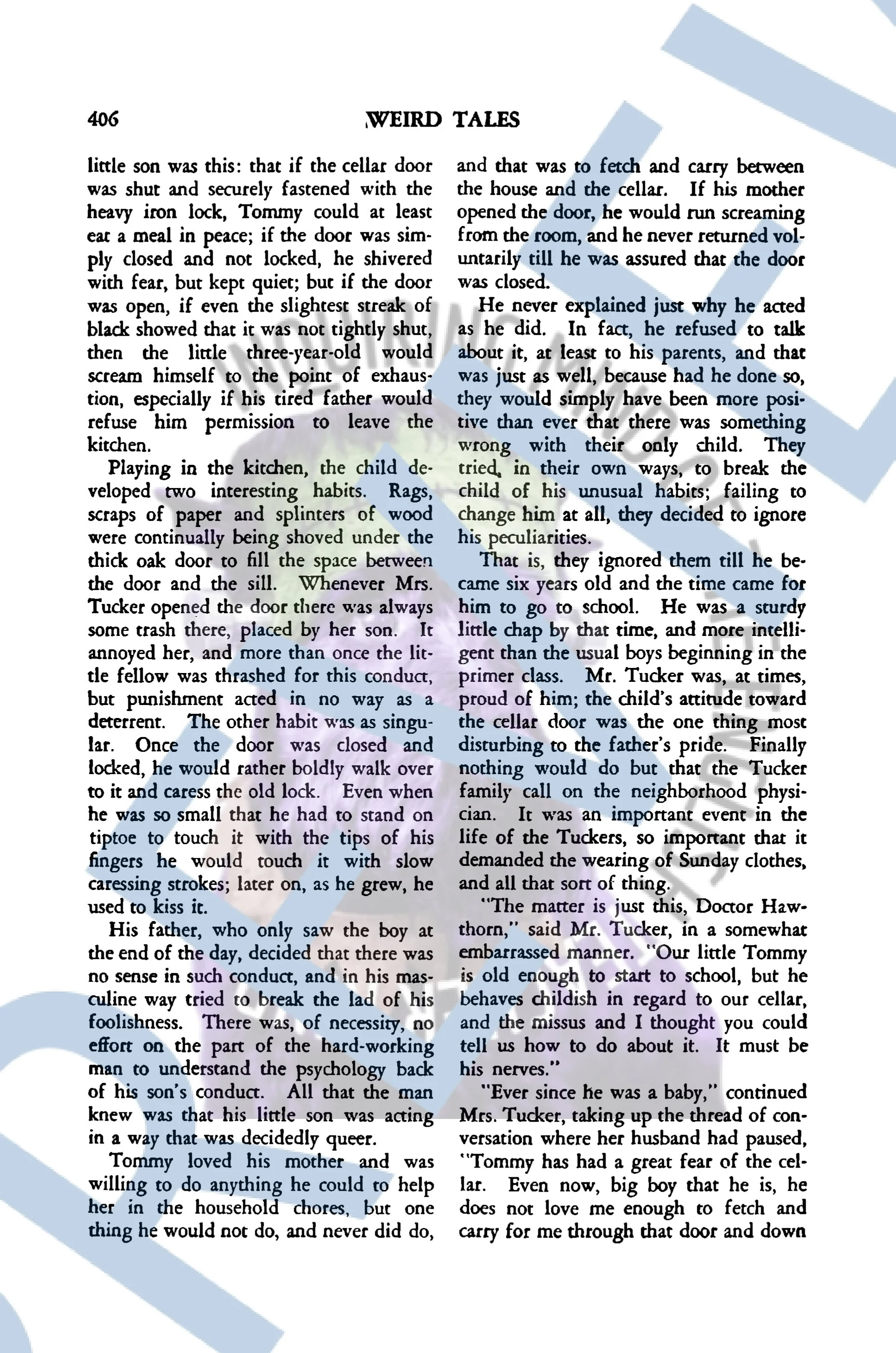
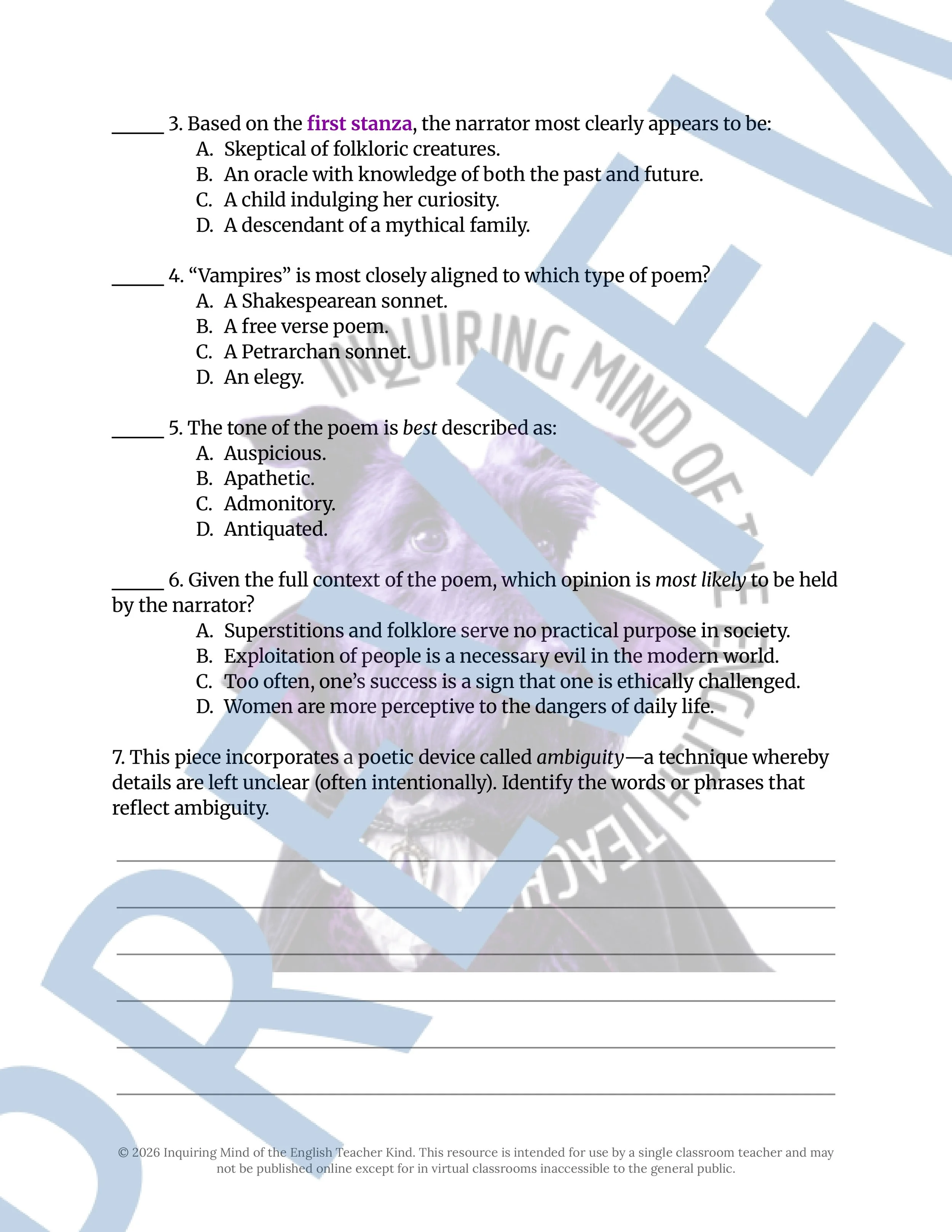
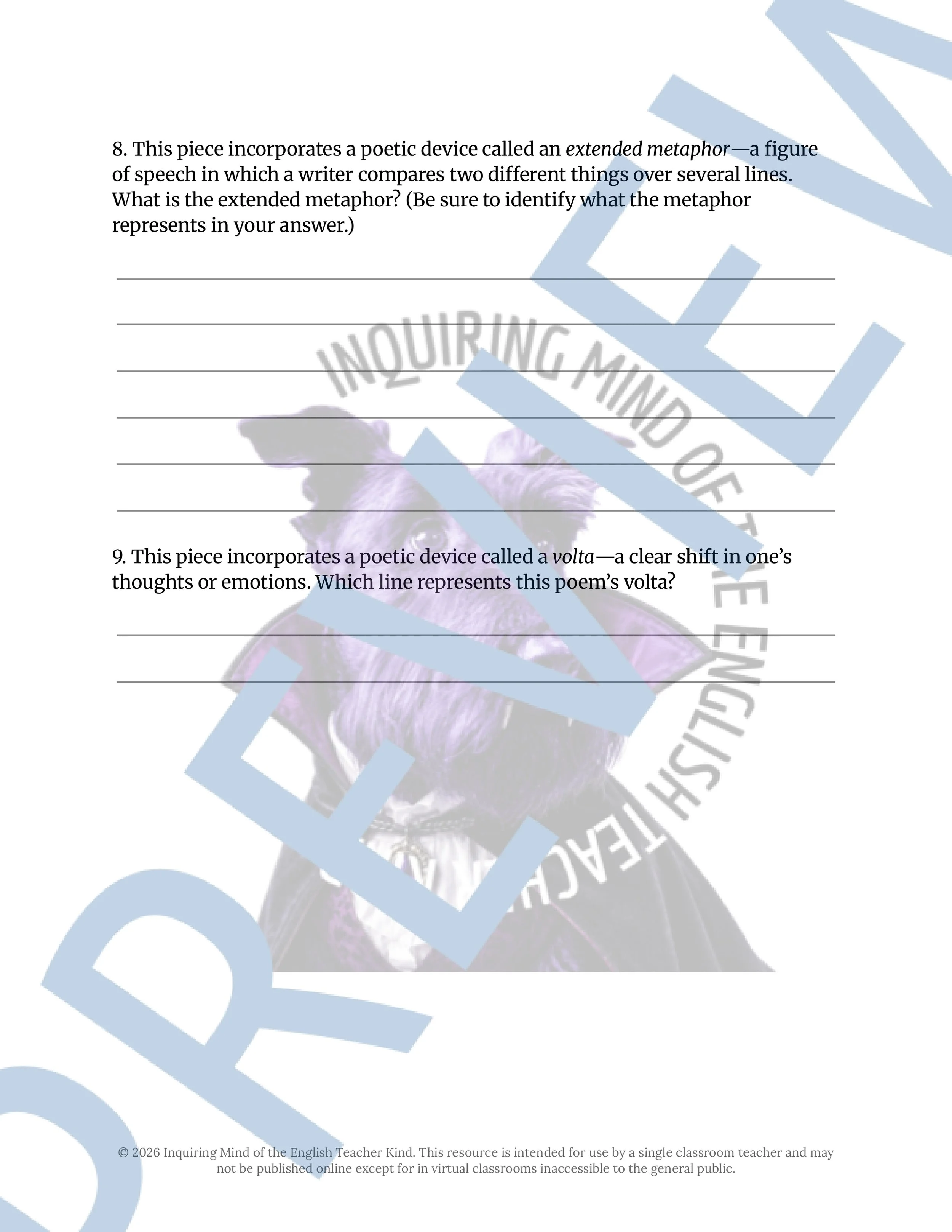
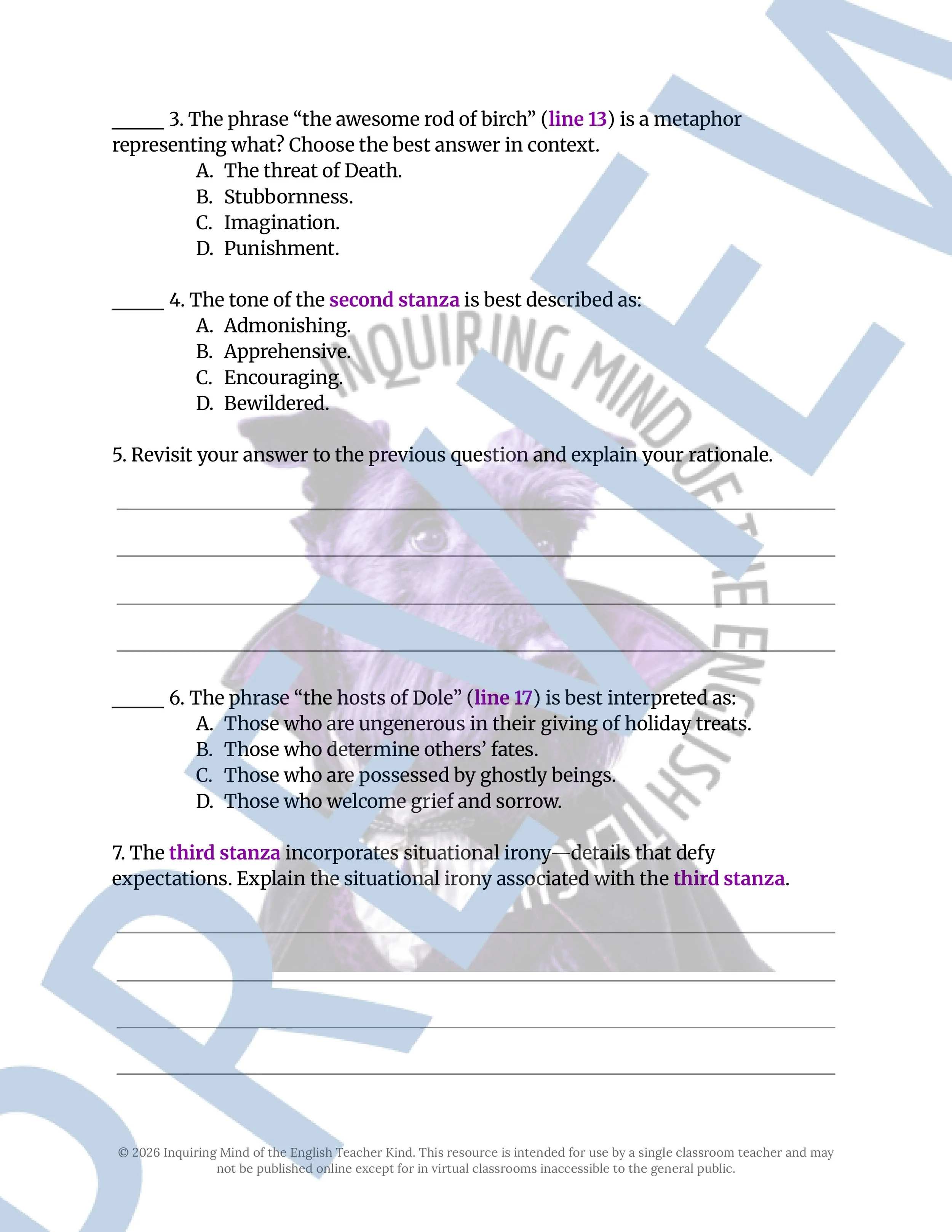
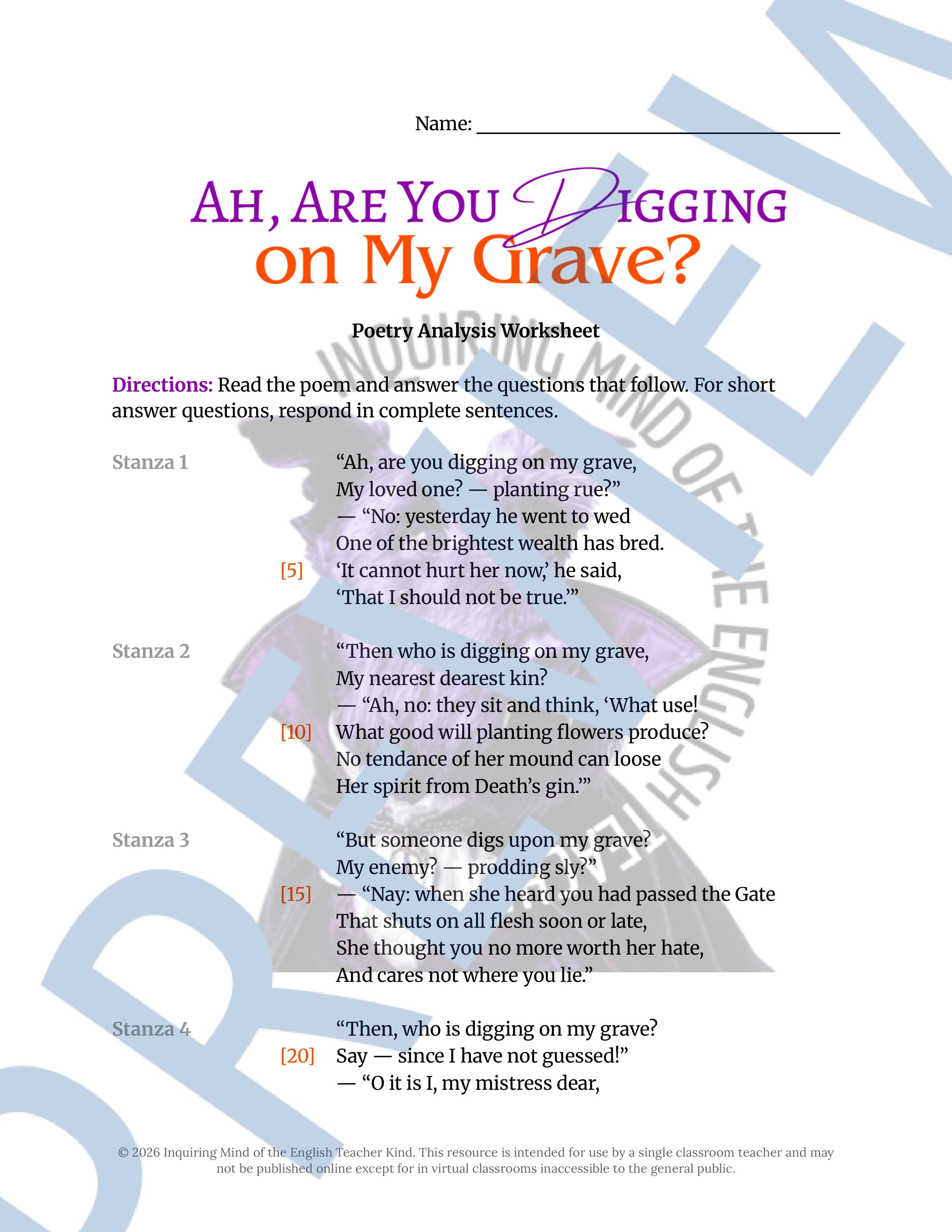
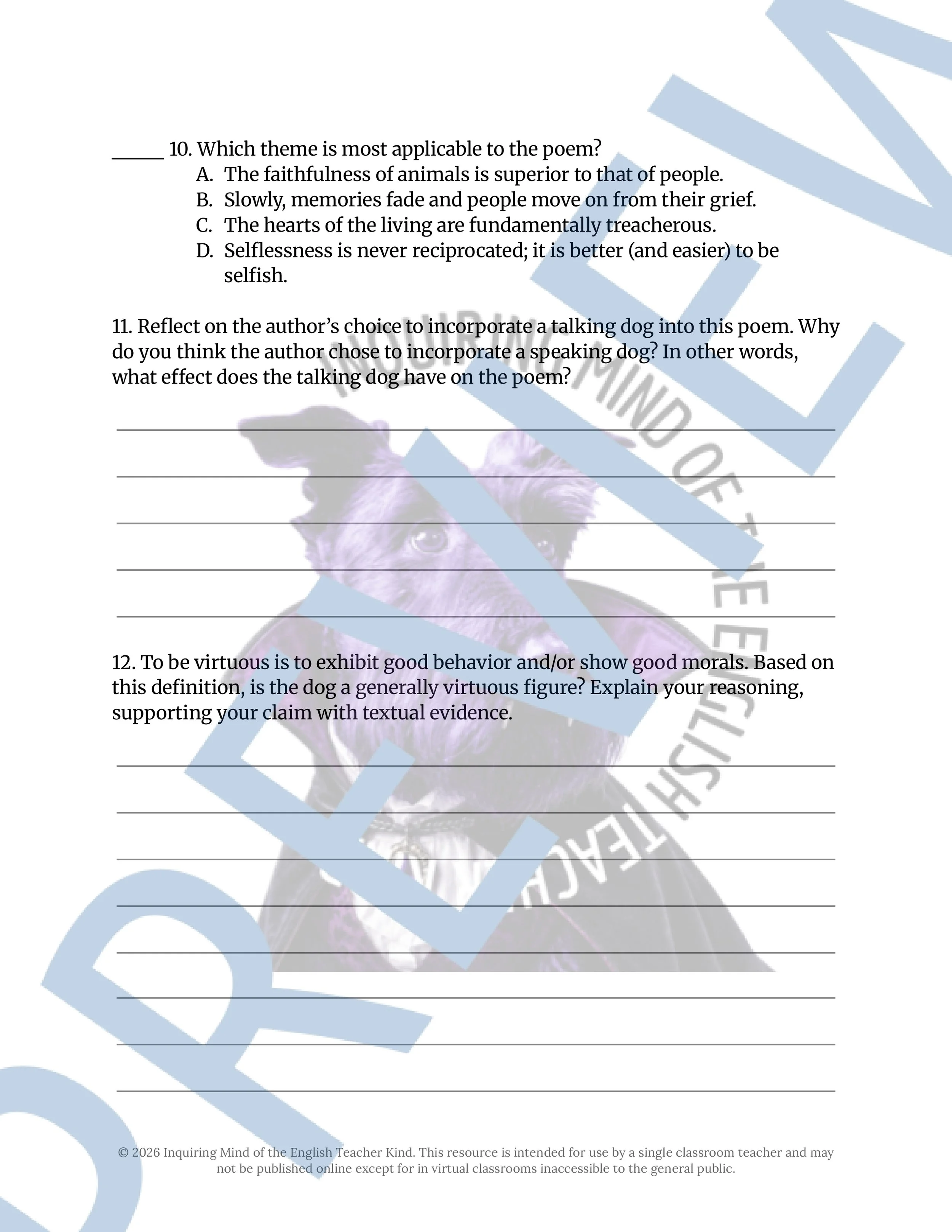
Use this poetry analysis worksheet to enhance reading comprehension associated with Edgar Allan Poe's poem "Spirits of the Dead," which is ideal for the Halloween, fall/autumn, and back-to-school seasons. An answer key is included. This brief piece addresses the mysteries of death in the minds of the living, as well as the relationship between those long deceased and those newly departed. The brevity of the piece makes it an appropriate selection for bell ringer activities and awkward gaps in the teaching schedule. By engaging with this poetry activity, students will:
Discern the meaning of slightly ambiguous phrases in context (e.g., "all the crowd").
Determine the functions of given stanzas.
Apply knowledge of literary devices (e.g., euphemism, personification, symbolism, etc.).
Infer the intended meaning of figurative language in context (e.g., "like dew-drop from the grass").
Articulate the intended effects of the author's stylistic techniques (e.g., use of em-dashes, loose rhymes, repetition, etc.).
Consider themes in context.
Support claims and inferences with relevant evidence.
Materials are delivered in editable Word Document and printable PDF formats. (Alternatively, a Google option is available.)
More Weird Tales resources for the Halloween season are available:
Use this poetry analysis worksheet to enhance reading comprehension associated with Edgar Allan Poe's poem "Spirits of the Dead," which is ideal for the Halloween, fall/autumn, and back-to-school seasons. An answer key is included. This brief piece addresses the mysteries of death in the minds of the living, as well as the relationship between those long deceased and those newly departed. The brevity of the piece makes it an appropriate selection for bell ringer activities and awkward gaps in the teaching schedule. By engaging with this poetry activity, students will:
Discern the meaning of slightly ambiguous phrases in context (e.g., "all the crowd").
Determine the functions of given stanzas.
Apply knowledge of literary devices (e.g., euphemism, personification, symbolism, etc.).
Infer the intended meaning of figurative language in context (e.g., "like dew-drop from the grass").
Articulate the intended effects of the author's stylistic techniques (e.g., use of em-dashes, loose rhymes, repetition, etc.).
Consider themes in context.
Support claims and inferences with relevant evidence.
Materials are delivered in editable Word Document and printable PDF formats. (Alternatively, a Google option is available.)
More Weird Tales resources for the Halloween season are available:

 Image 1 of 5
 Image 2 of 5
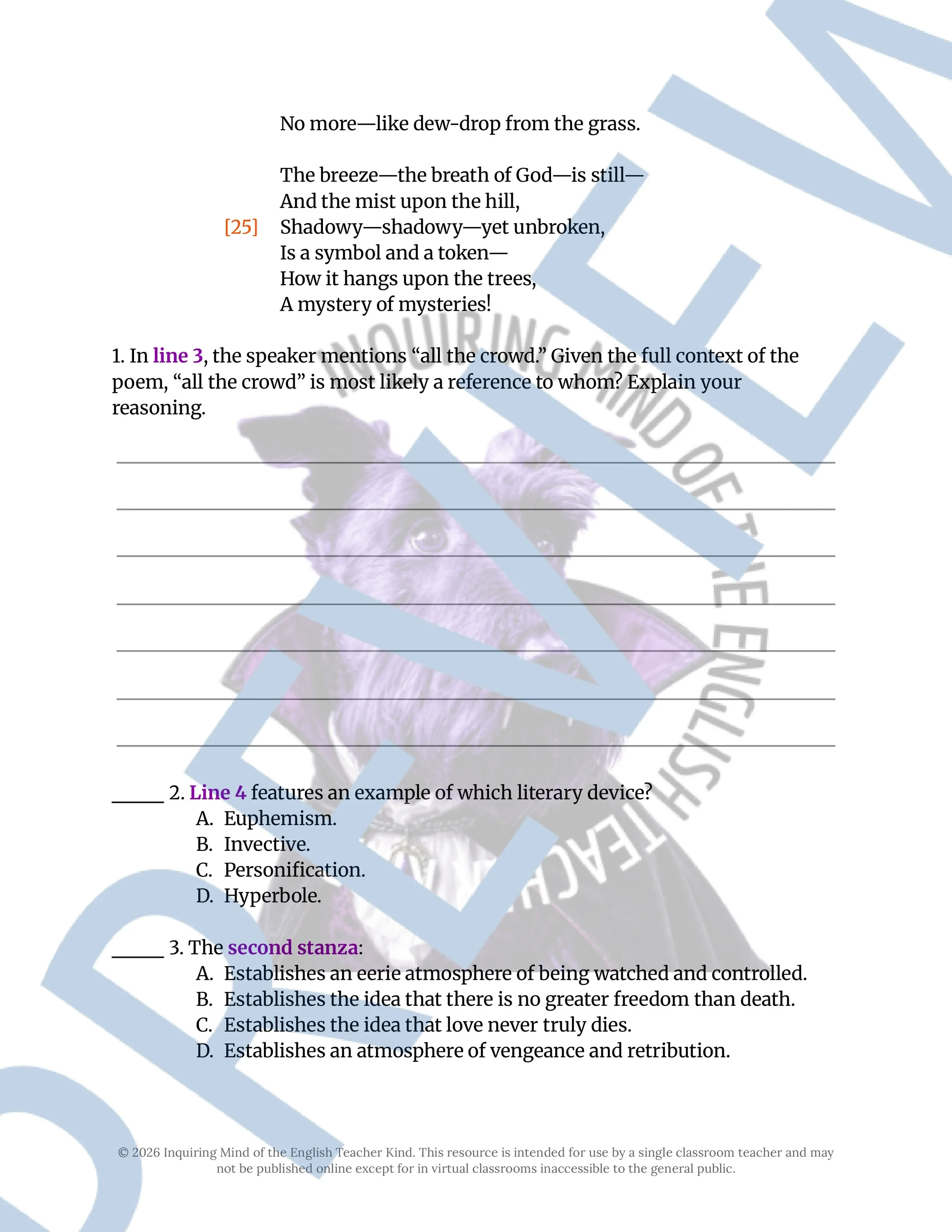 Image 3 of 5
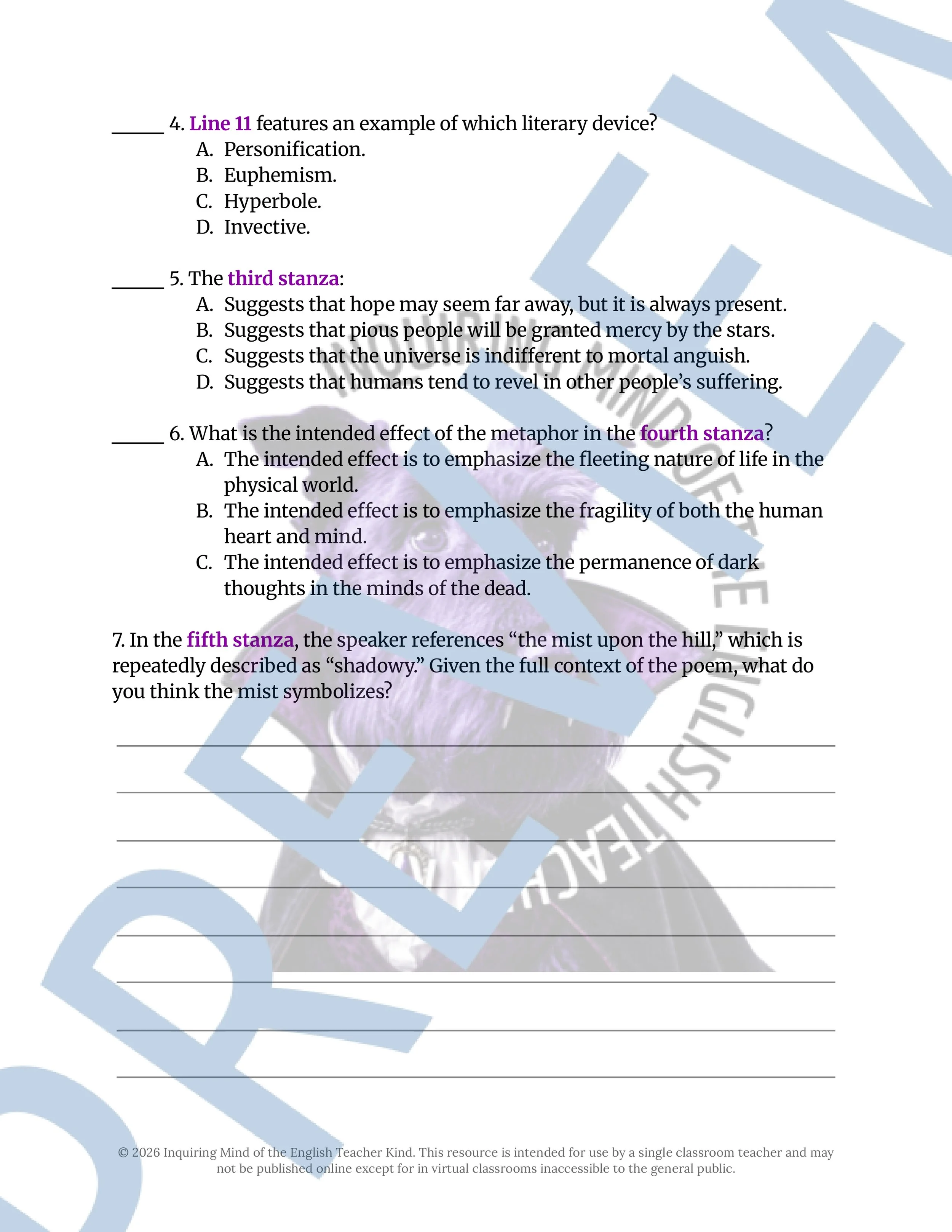 Image 4 of 5
 Image 5 of 5