Image 1 of 88
 Image 2 of 88
 Image 3 of 88
 Image 4 of 88
 Image 5 of 88
 Image 6 of 88
 Image 7 of 88
 Image 8 of 88
 Image 9 of 88
 Image 10 of 88
 Image 11 of 88
 Image 12 of 88
 Image 13 of 88
 Image 14 of 88
 Image 15 of 88
 Image 16 of 88
 Image 17 of 88
 Image 18 of 88
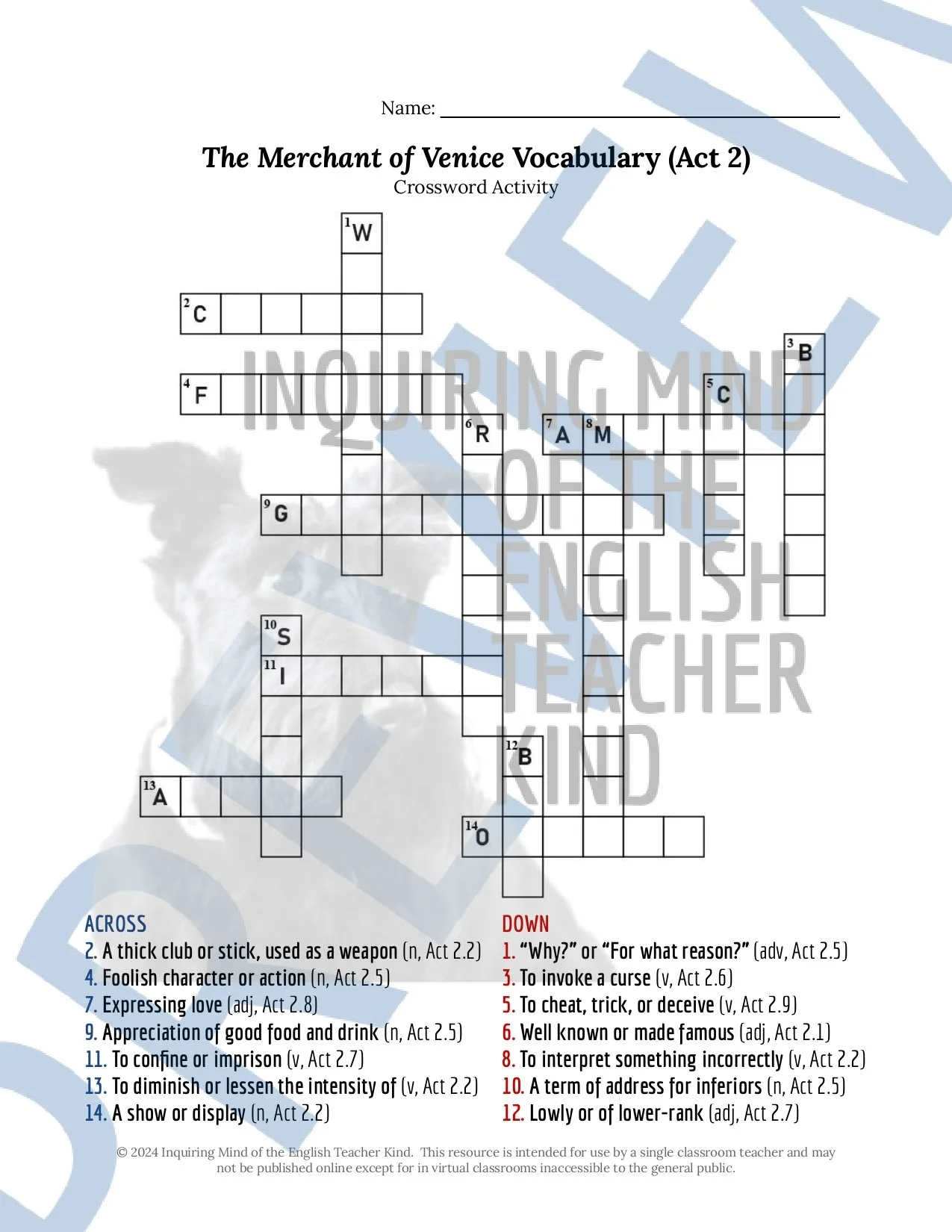 Image 19 of 88
 Image 20 of 88
 Image 21 of 88
 Image 22 of 88
 Image 23 of 88
 Image 24 of 88
 Image 25 of 88
 Image 26 of 88
 Image 27 of 88
 Image 28 of 88
 Image 29 of 88
 Image 30 of 88
 Image 31 of 88
 Image 32 of 88
 Image 33 of 88
 Image 34 of 88
 Image 35 of 88
 Image 36 of 88
 Image 37 of 88
 Image 38 of 88
 Image 39 of 88
 Image 40 of 88
 Image 41 of 88
 Image 42 of 88
 Image 43 of 88
 Image 44 of 88
 Image 45 of 88
 Image 46 of 88
 Image 47 of 88
 Image 48 of 88
 Image 49 of 88
 Image 50 of 88
 Image 51 of 88
 Image 52 of 88
 Image 53 of 88
 Image 54 of 88
 Image 55 of 88
 Image 56 of 88
 Image 57 of 88
 Image 58 of 88
 Image 59 of 88
 Image 60 of 88
 Image 61 of 88
 Image 62 of 88
 Image 63 of 88
 Image 64 of 88
 Image 65 of 88
 Image 66 of 88
 Image 67 of 88
 Image 68 of 88
 Image 69 of 88
 Image 70 of 88
 Image 71 of 88
 Image 72 of 88
 Image 73 of 88
 Image 74 of 88
 Image 75 of 88
 Image 76 of 88
 Image 77 of 88
 Image 78 of 88
 Image 79 of 88
 Image 80 of 88
 Image 81 of 88
 Image 82 of 88
 Image 83 of 88
 Image 84 of 88
 Image 85 of 88
 Image 86 of 88
 Image 87 of 88
 Image 88 of 88
Preview this resource:
This low-prep bundle helps high school students navigate William Shakespeare's The Merchant of Venice and participate more meaningfully in class discussions. Included are the following: five plot-based quizzes (one per Act), five vocabulary application activities (one per Act), five crossword puzzles (one per Act), five word search games (one per Act), twenty close reading analysis activities (one per scene), one end-of-unit test, and answer keys for everything.