Image 1 of 45
Image 2 of 45
Image 3 of 45
Image 4 of 45
Image 5 of 45
Image 6 of 45
Image 7 of 45
Image 8 of 45
Image 9 of 45
Image 10 of 45
Image 11 of 45
Image 12 of 45
Image 13 of 45
Image 14 of 45
Image 15 of 45
Image 16 of 45
Image 17 of 45
Image 18 of 45
Image 19 of 45
Image 20 of 45
Image 21 of 45
Image 22 of 45
Image 23 of 45
Image 24 of 45
Image 25 of 45
Image 26 of 45
Image 27 of 45
Image 28 of 45
Image 29 of 45
Image 30 of 45
Image 31 of 45
Image 32 of 45
Image 33 of 45
Image 34 of 45
Image 35 of 45
Image 36 of 45
Image 37 of 45
Image 38 of 45
Image 39 of 45
Image 40 of 45
Image 41 of 45
Image 42 of 45
Image 43 of 45
Image 44 of 45
Image 45 of 45
High School Creative Writing Unit Plan and Story Project | Ironic Narratives
This Common Core-aligned unit plan helps high school Creative Writing teachers facilitate the study of situational irony and the drafting of original short stories with ironic outcomes. The elements of this project are comprehensive and include the following:
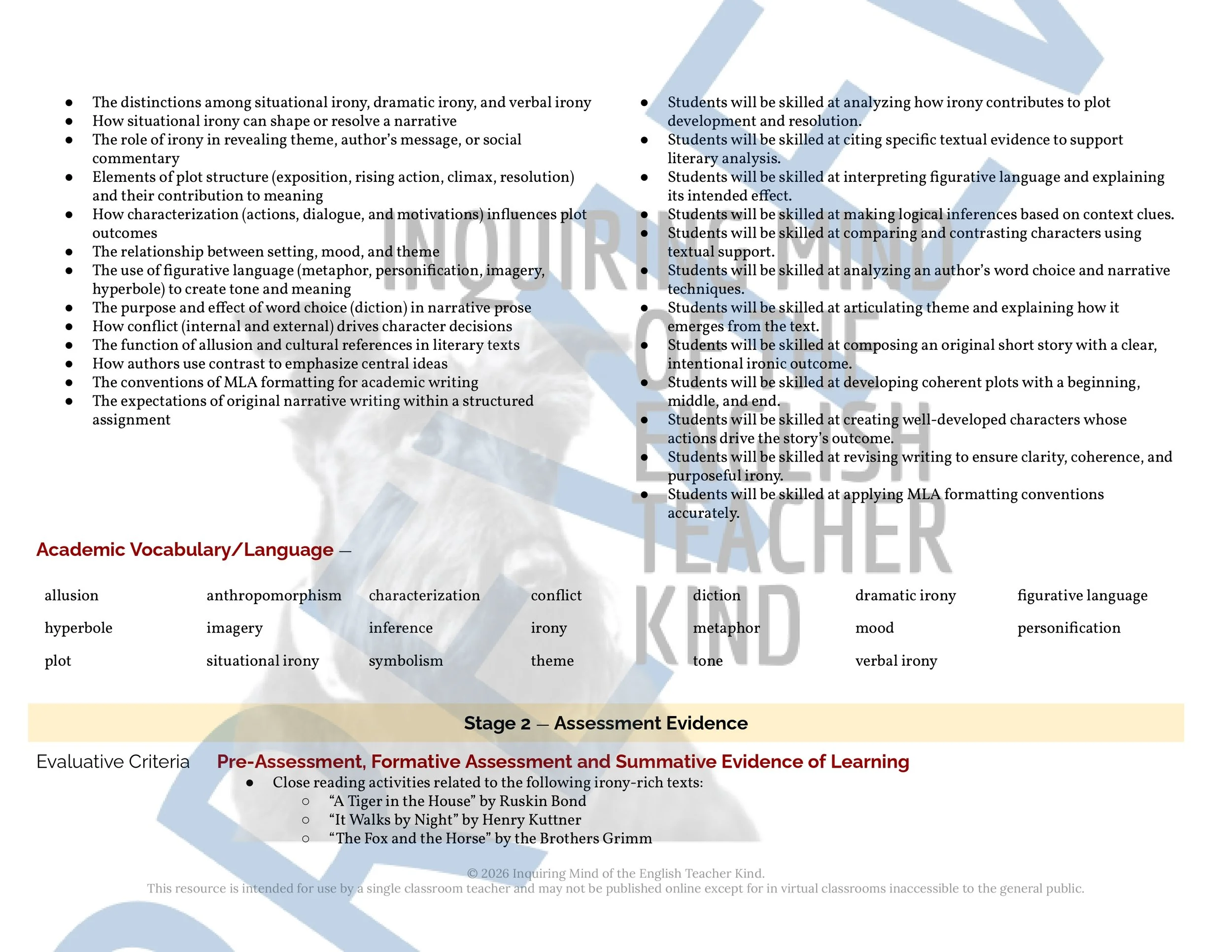
A standards-based unit plan: This document conveys the unit's transfer goal, essential questions, enduring understandings, learning targets, academic vocabulary, formative assessments, summative performance tasks, and pacing guide.
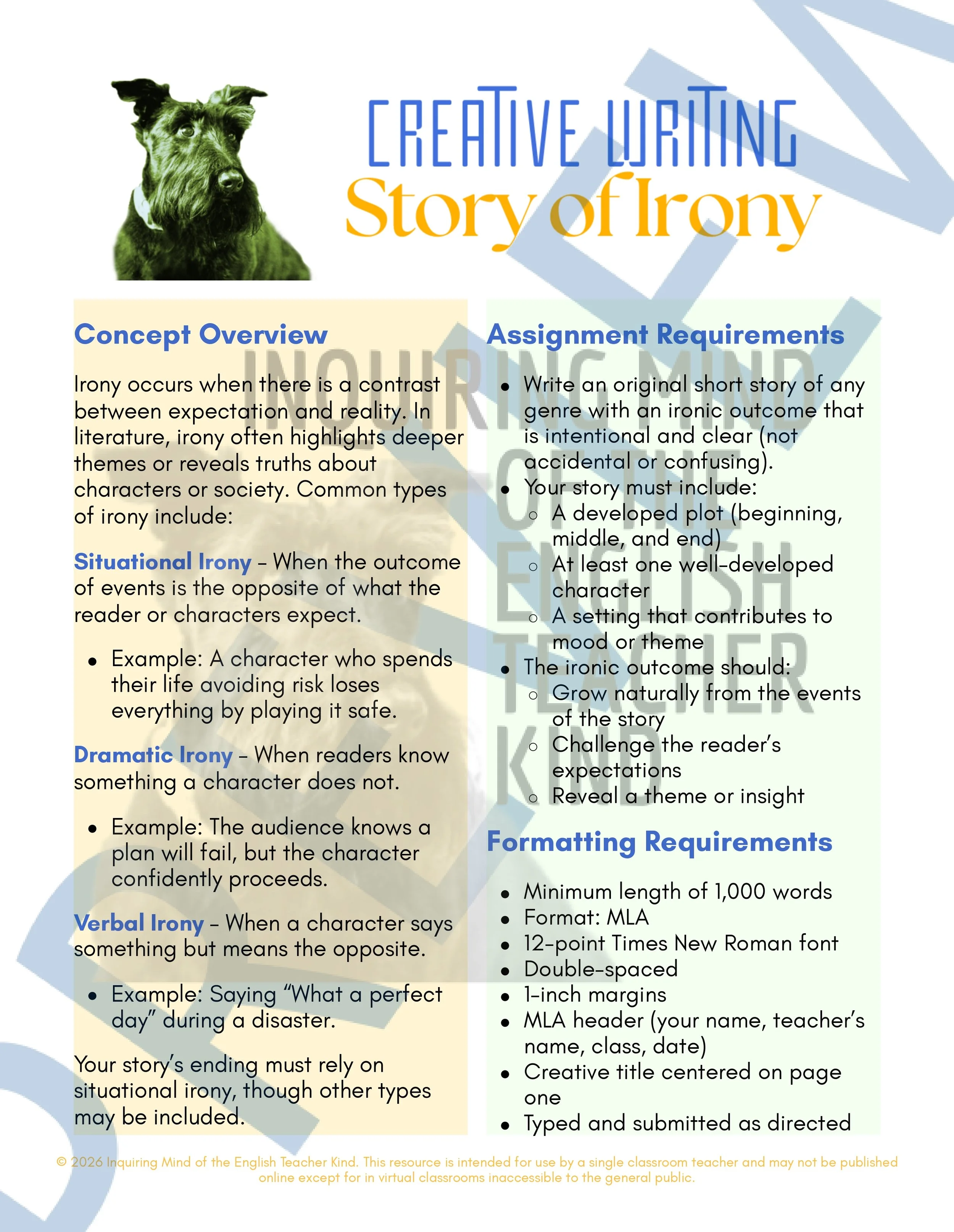
Detailed directions: This document provides a concept overview and clarifies the project requirements, as well as the formatting requirements.
A standards-based scoring rubric: This document helps students understand the criteria for evaluation and streamlines the grading process for teachers.
A PowerPoint presentation: This visual aid provides an overview of literary devices including irony in all its forms (dramatic, situational, and verbal).
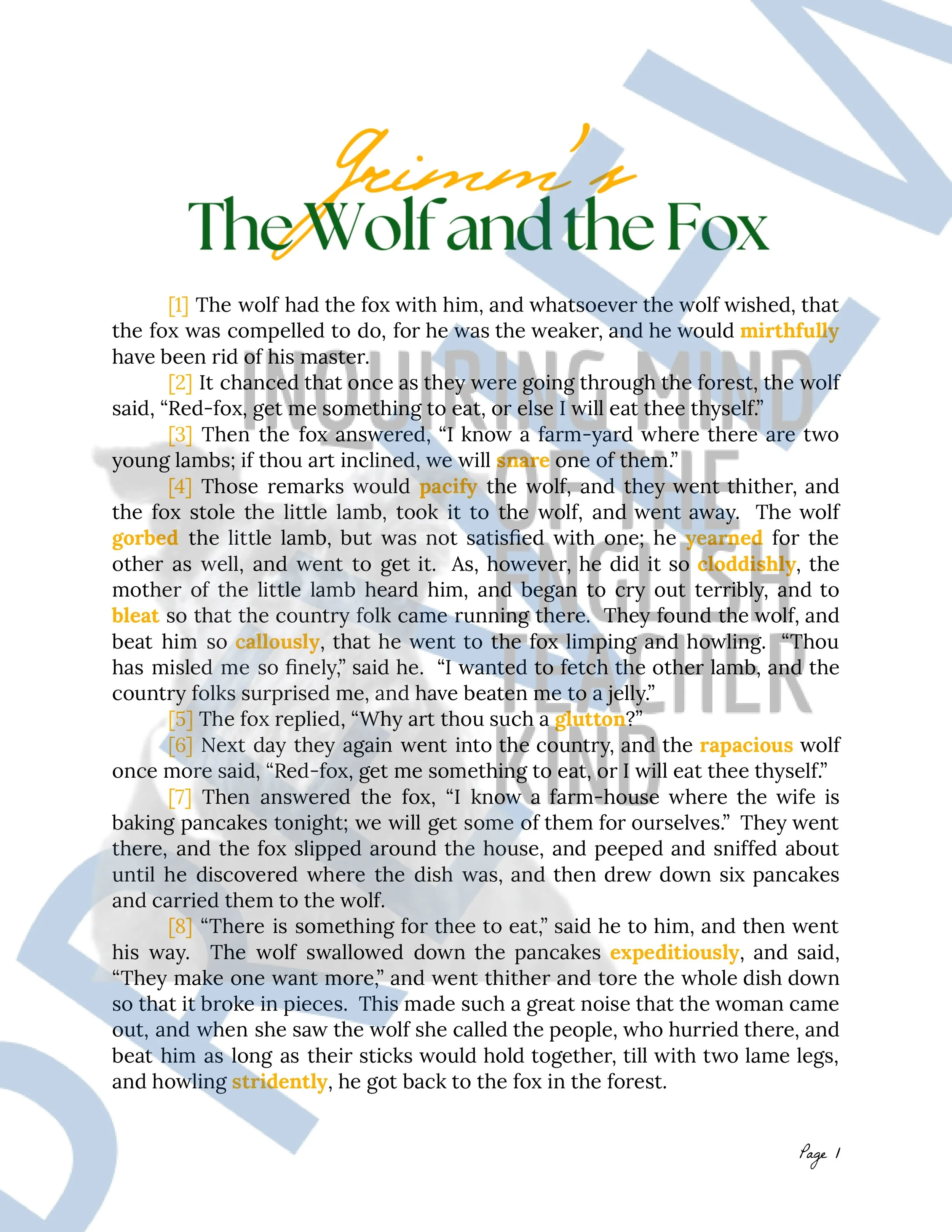
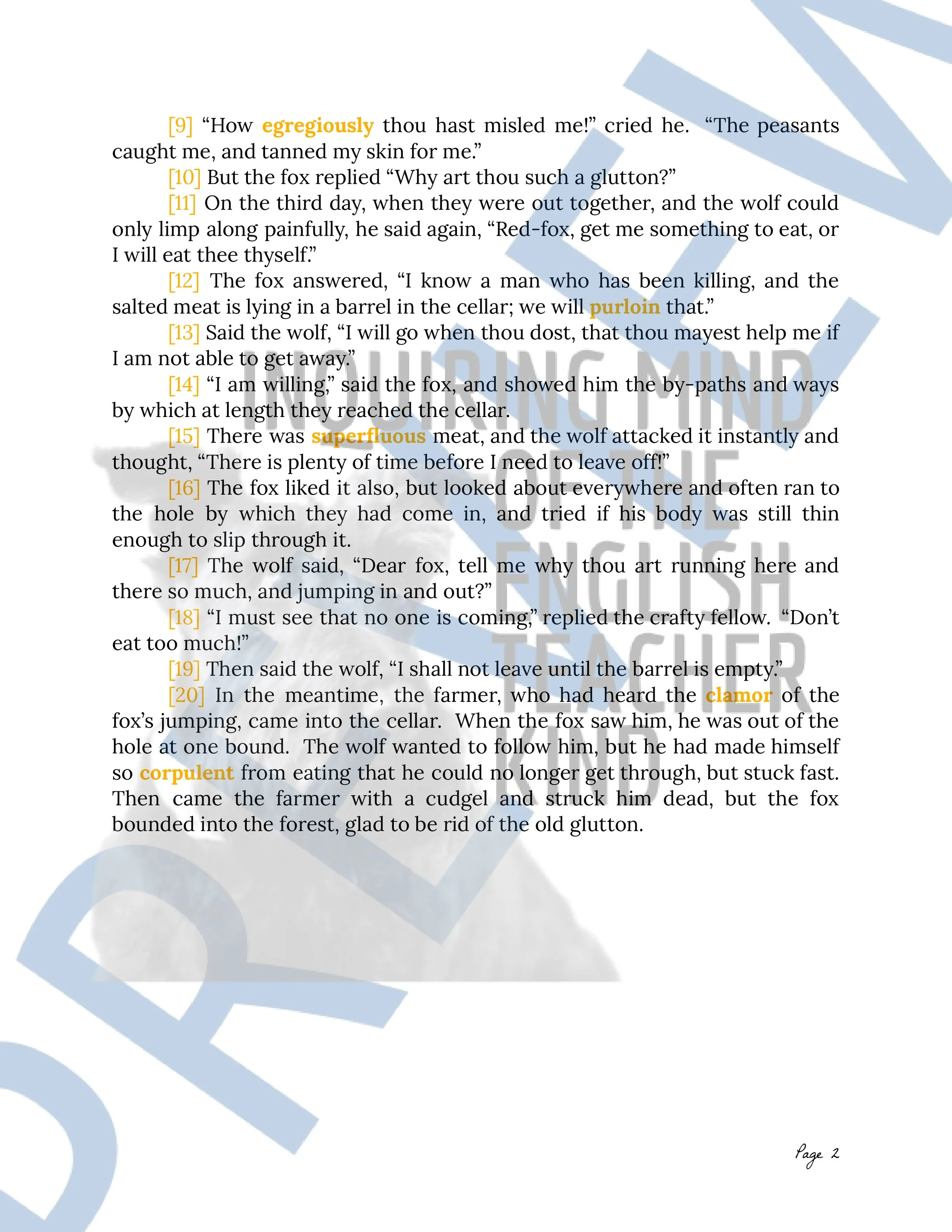
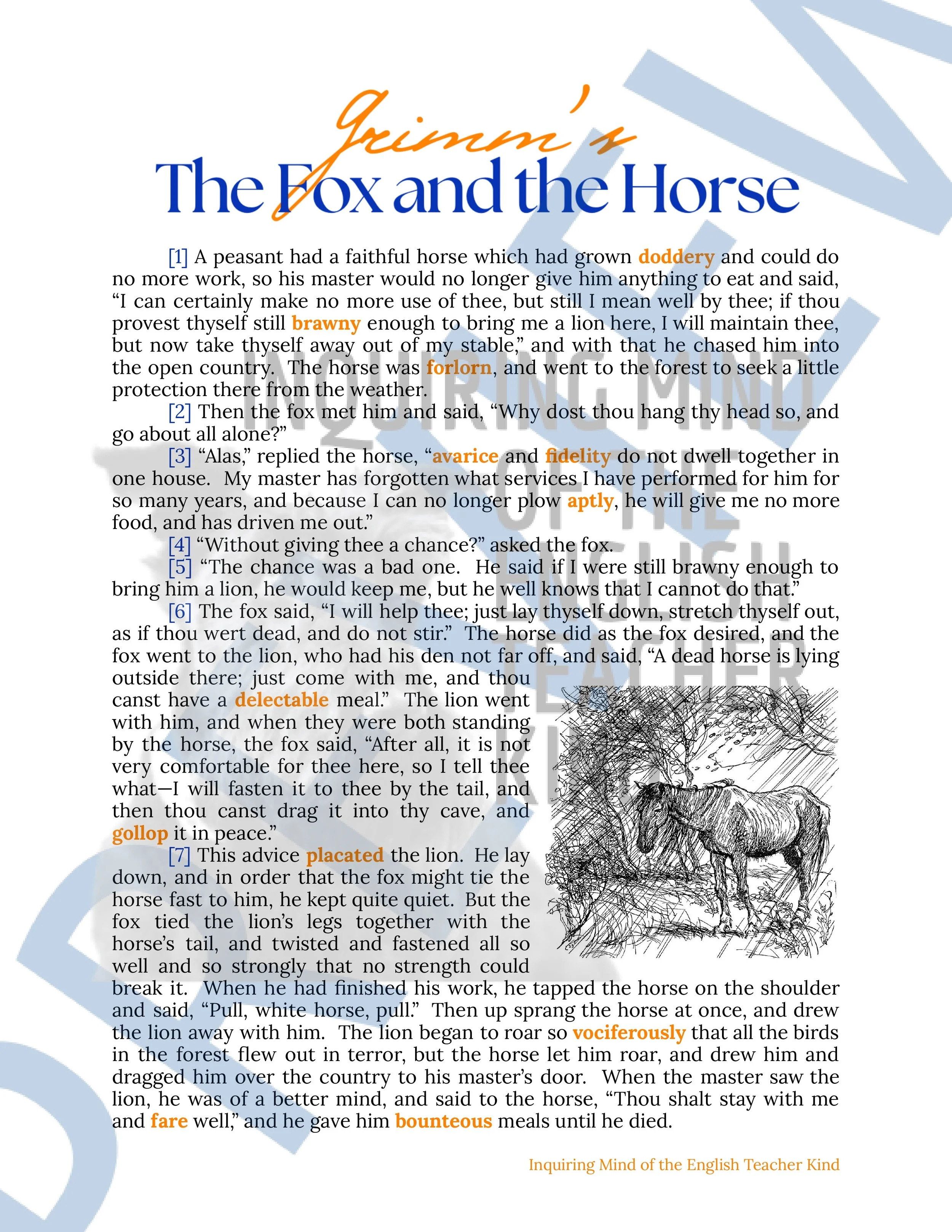
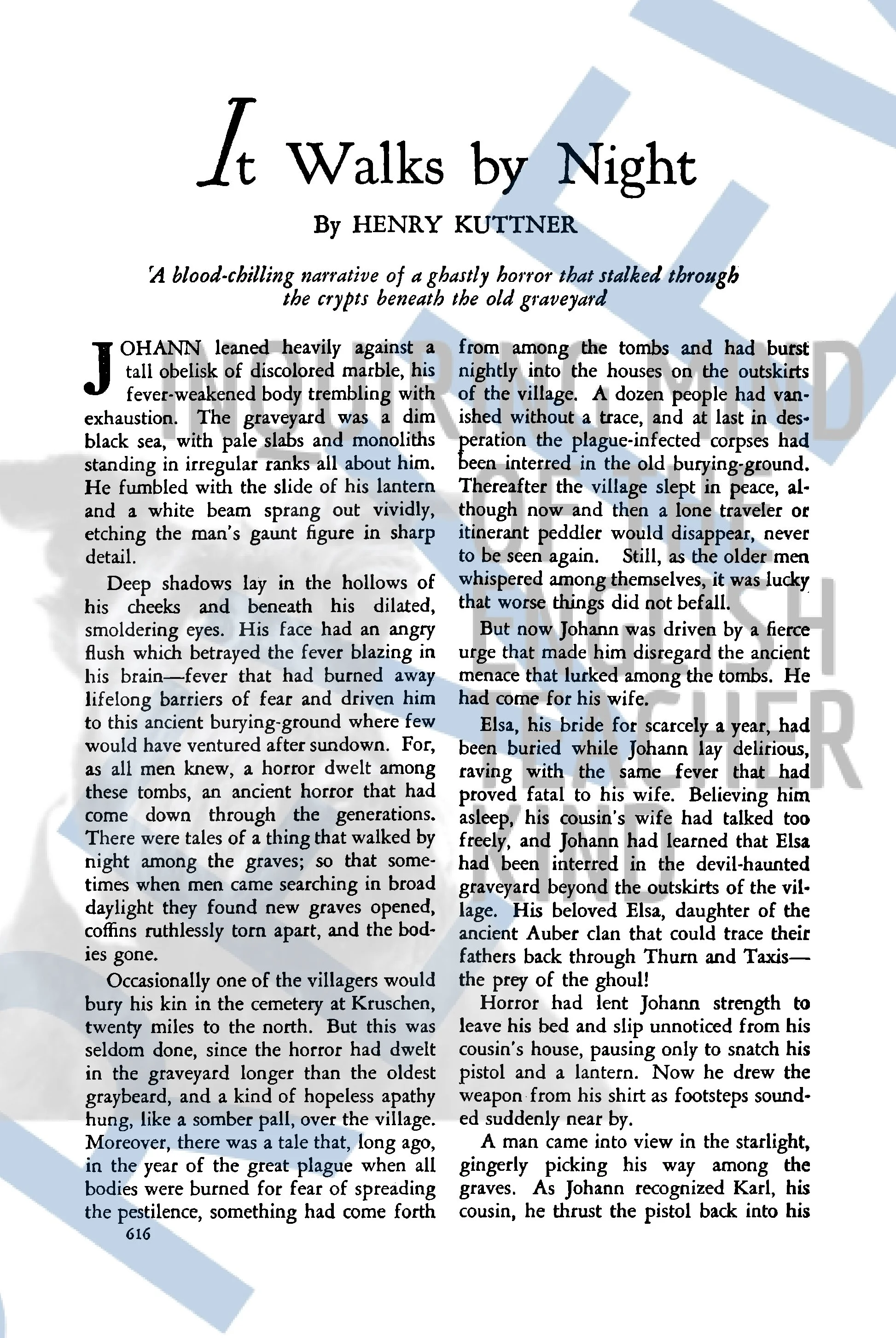
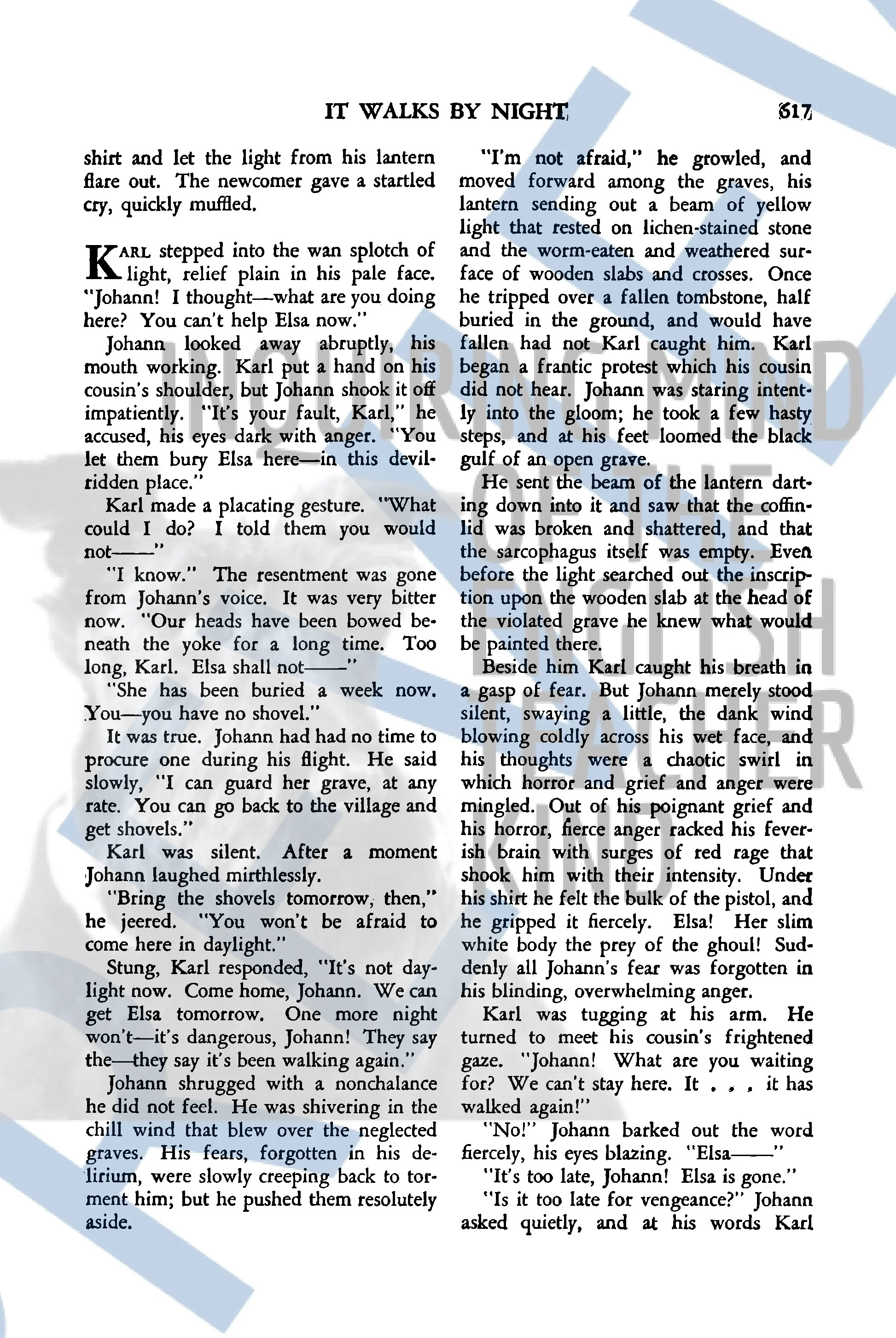
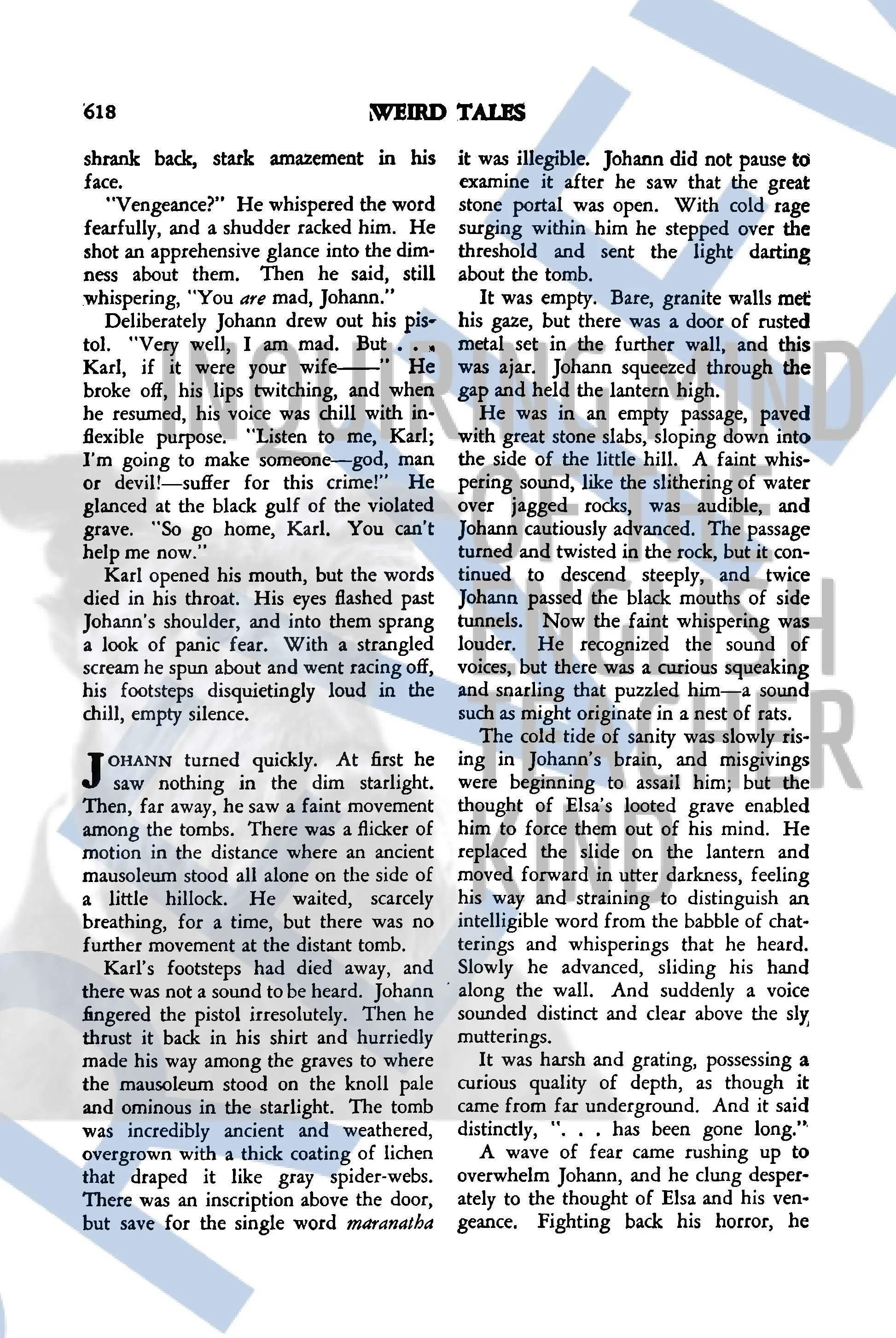
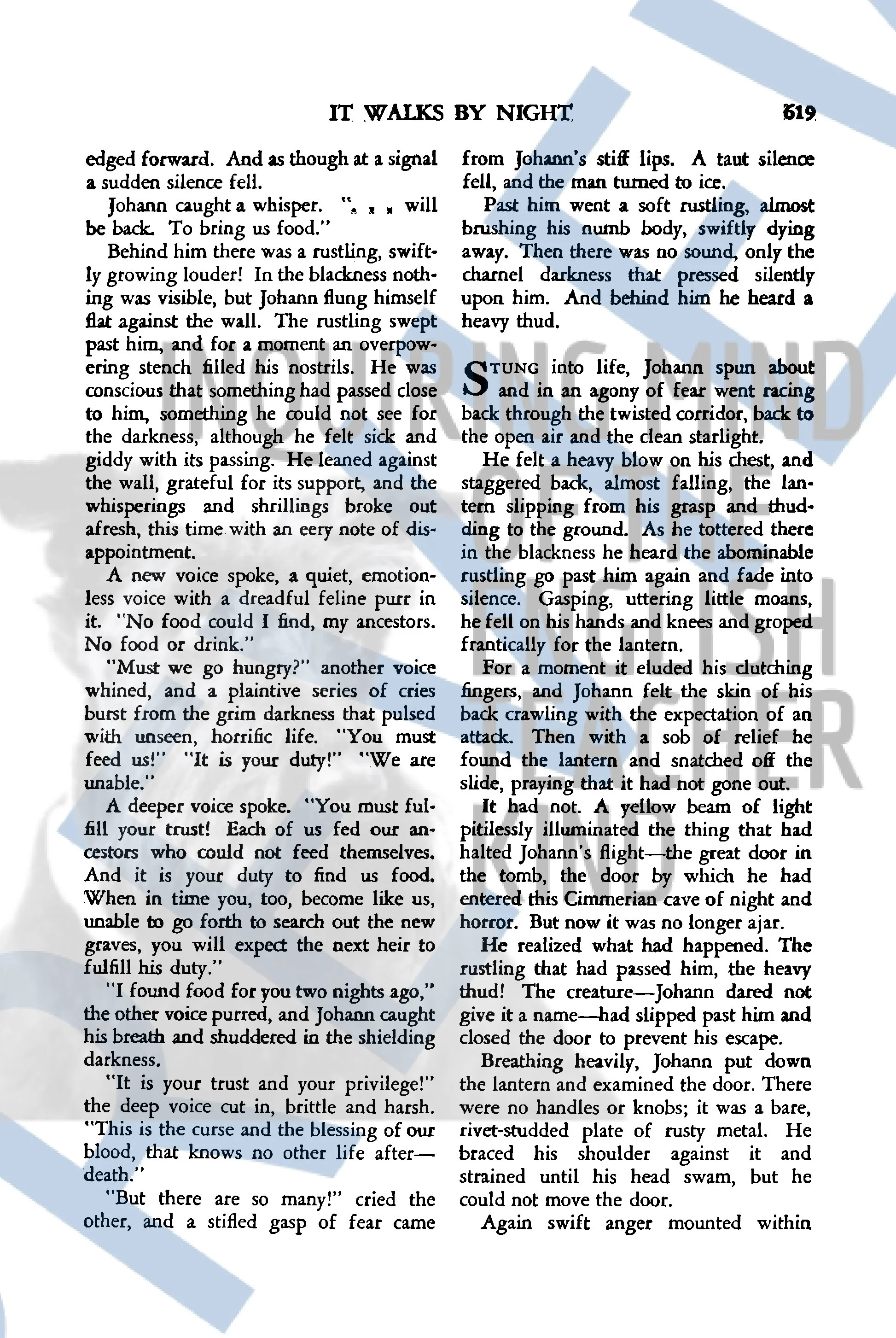
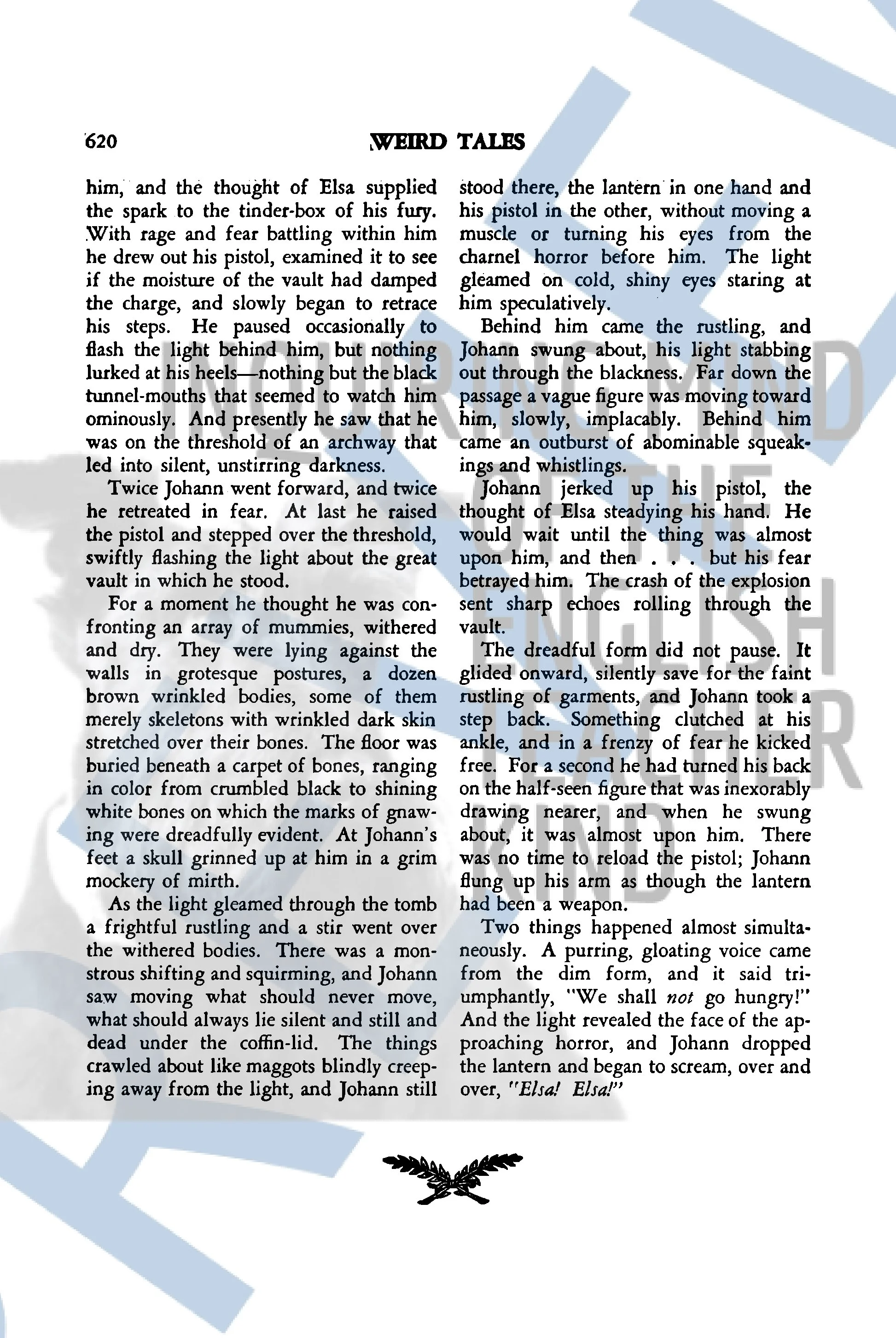
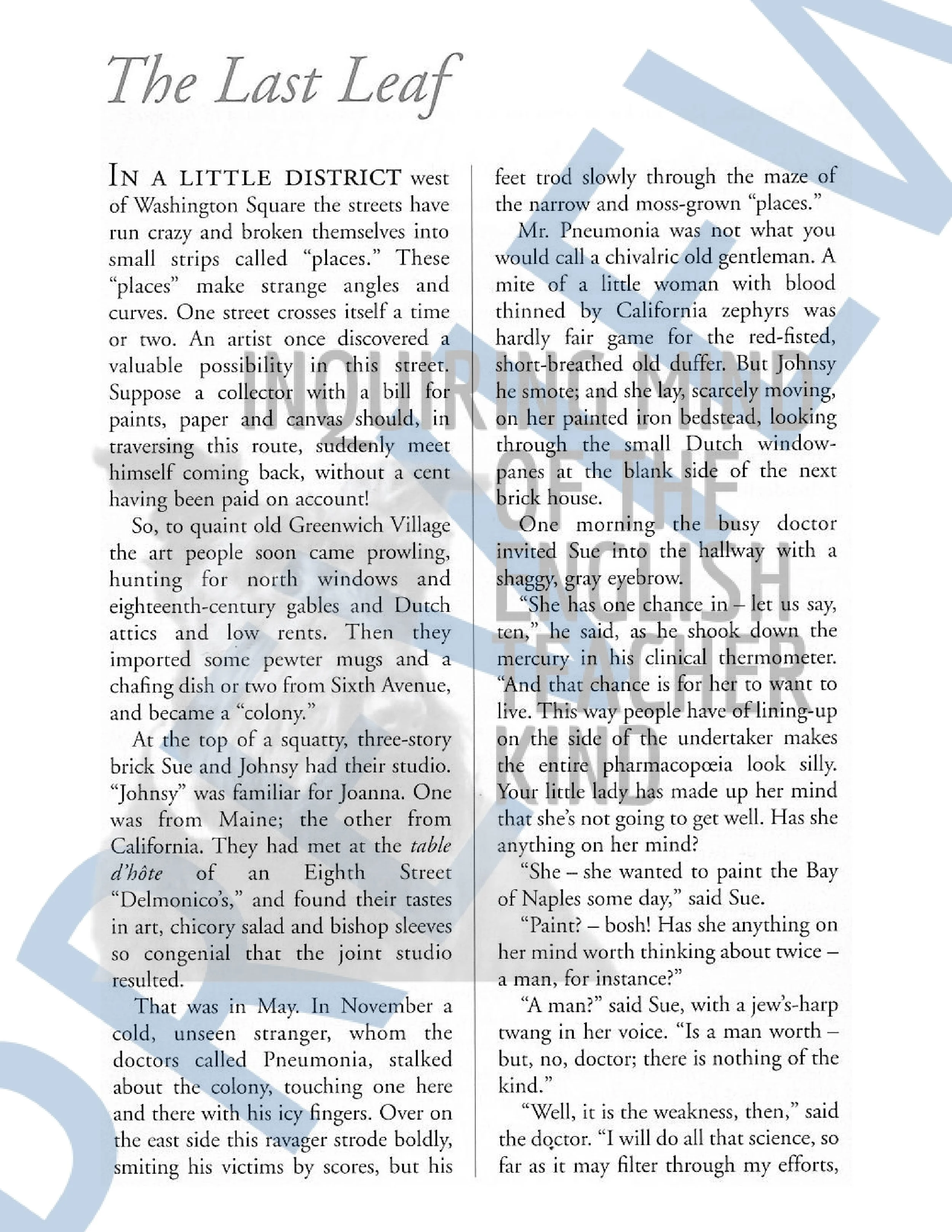
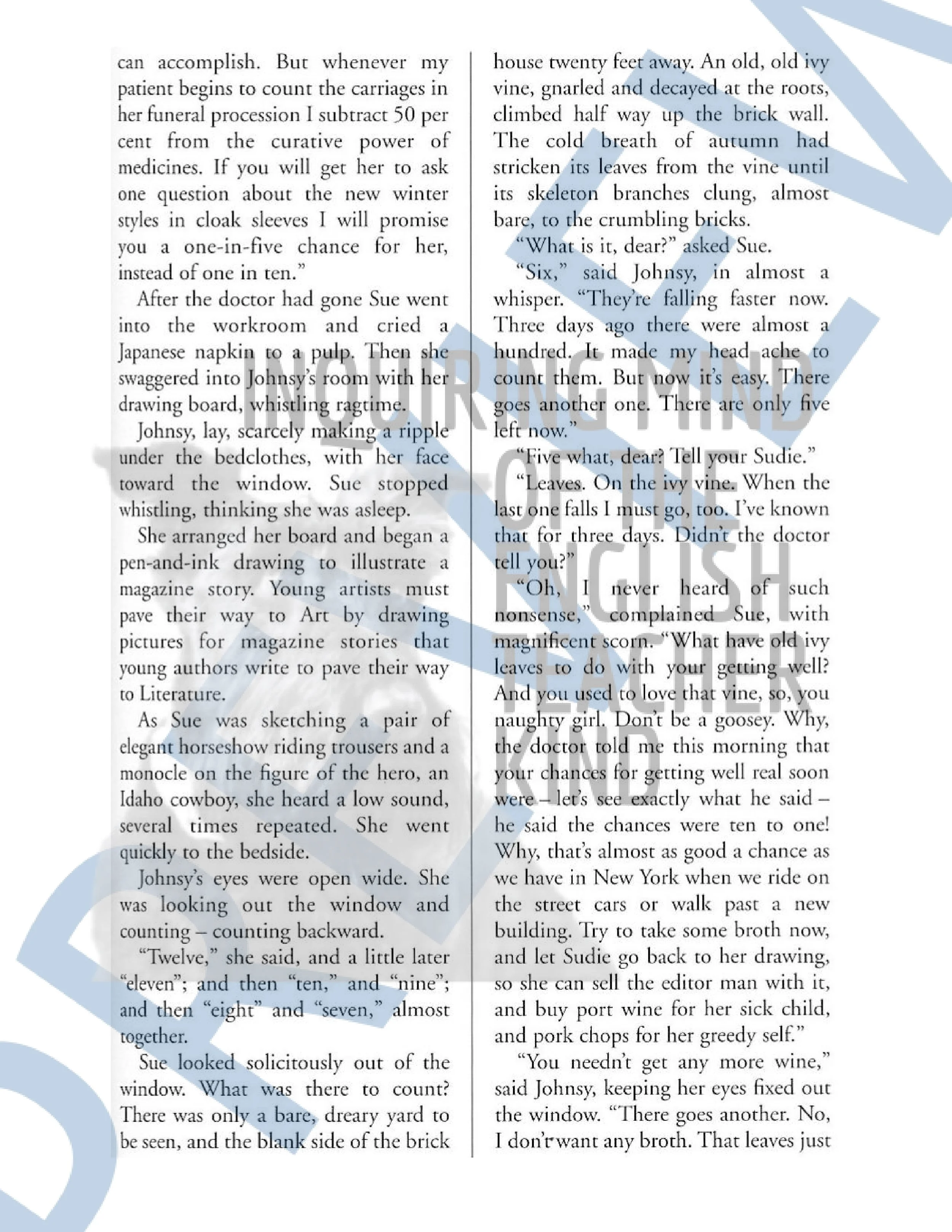
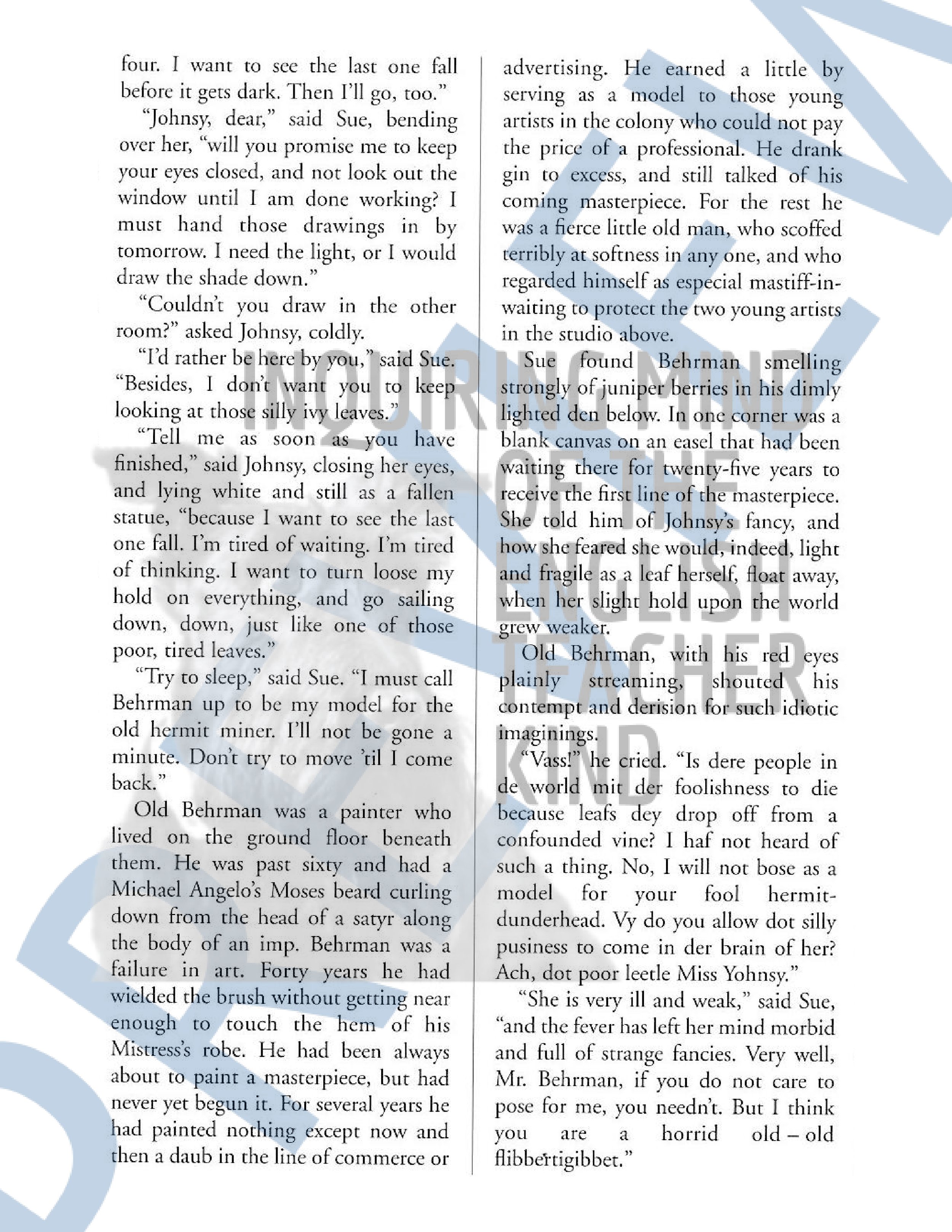
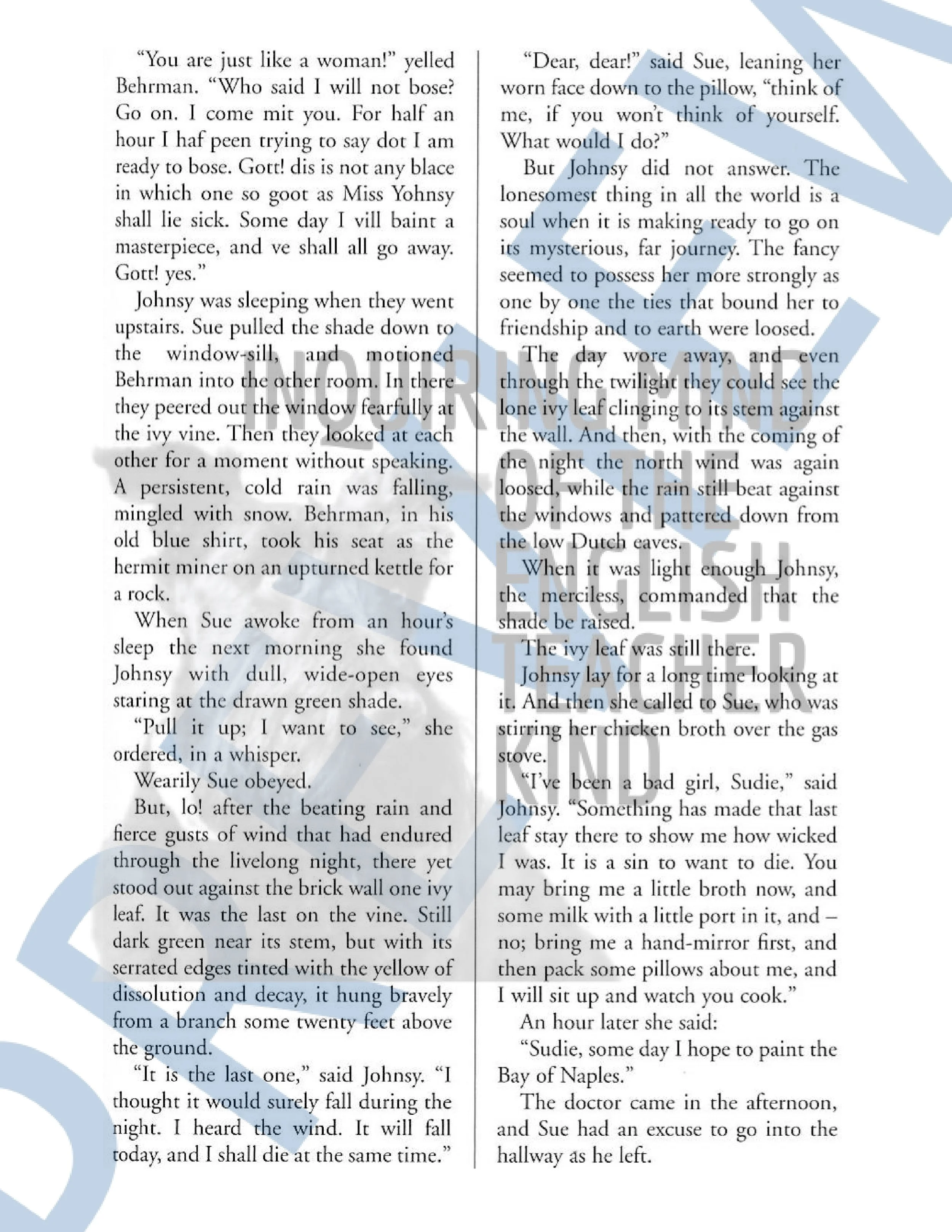
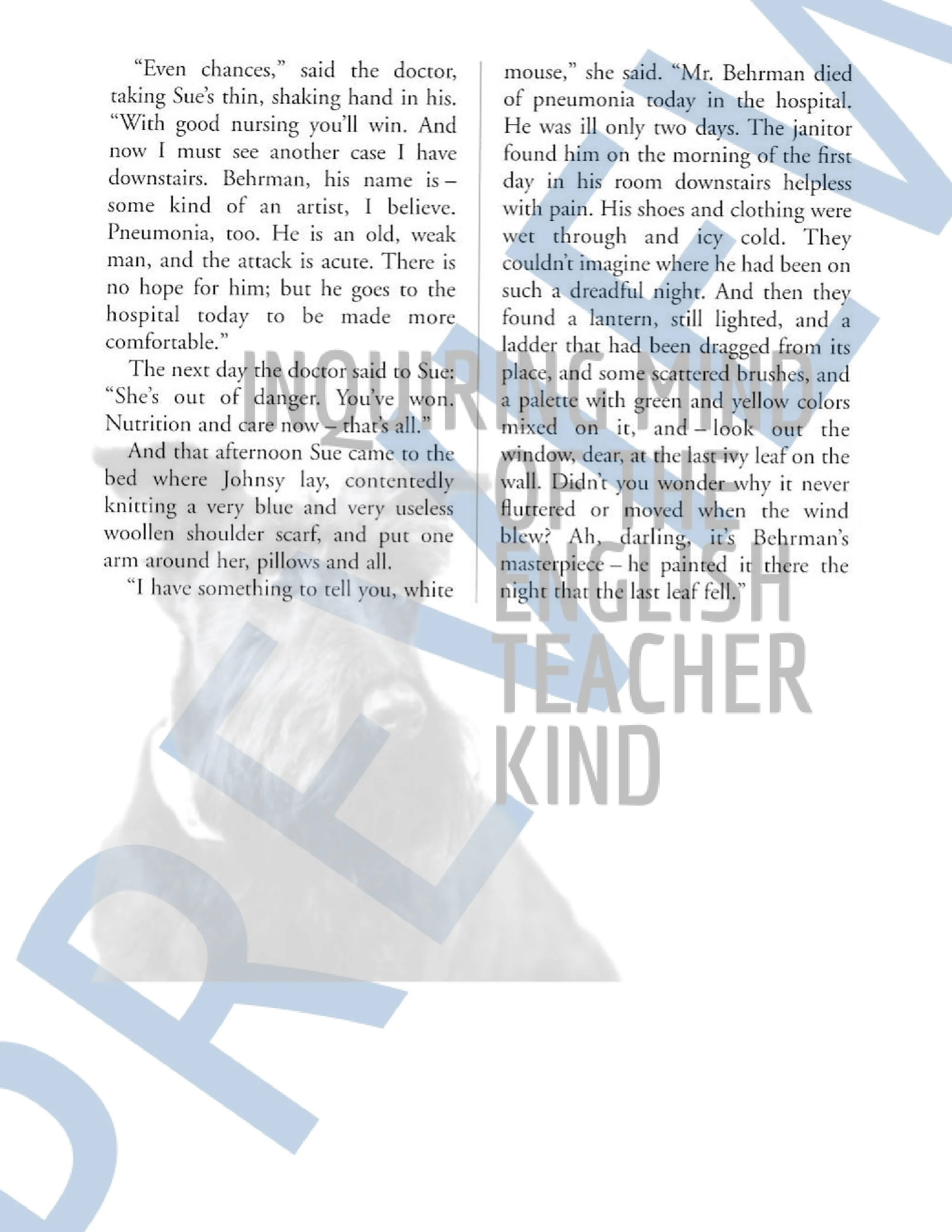
Anchor texts: Four public domain narratives are included, each emphasizing ironic outcomes ("The Last Leaf" by O. Henry, "It Walks by Night" by Henry Kuttner, "The Fox and the Horse" by the Brothers Grimm, and "The Wolf and the Fox" by the Brothers Grimm).
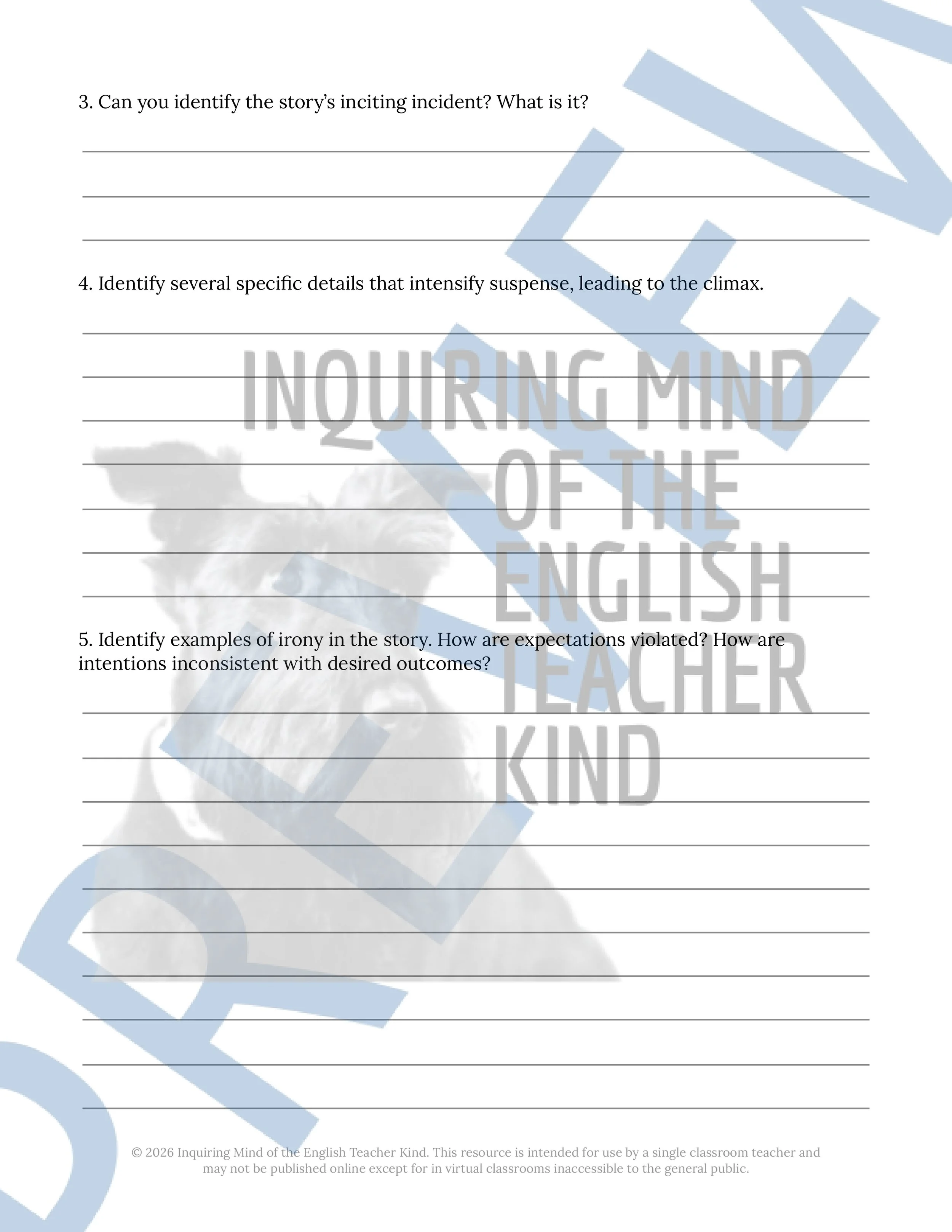
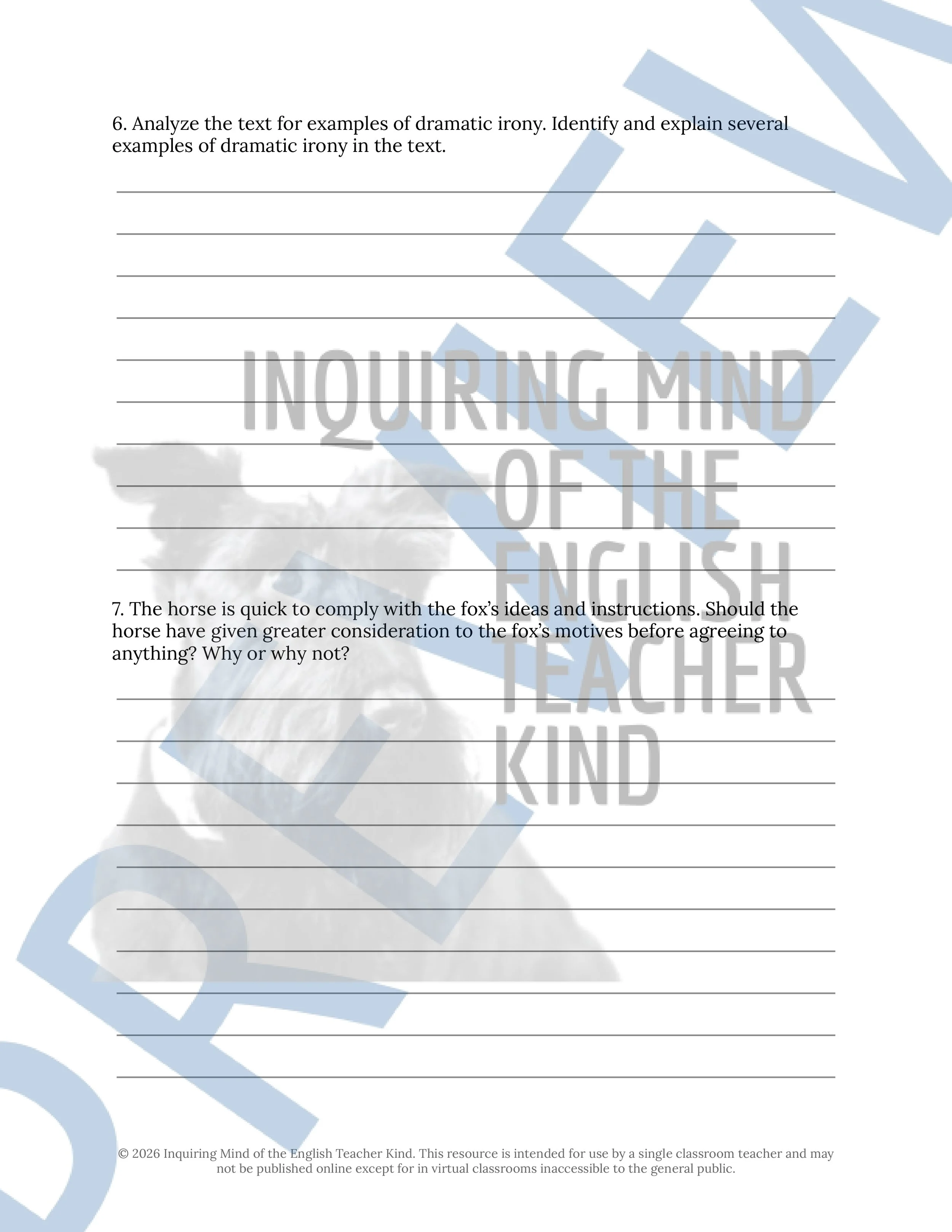
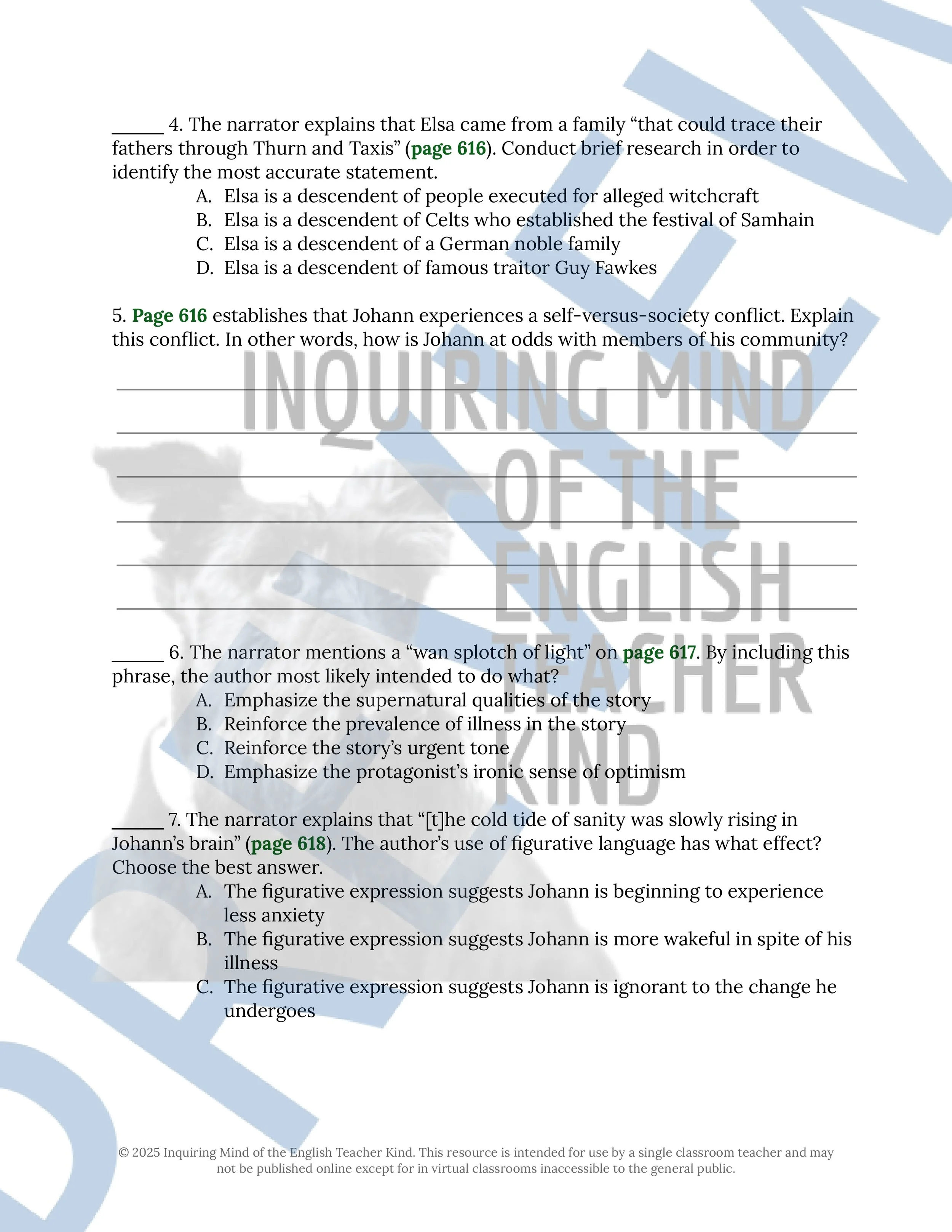
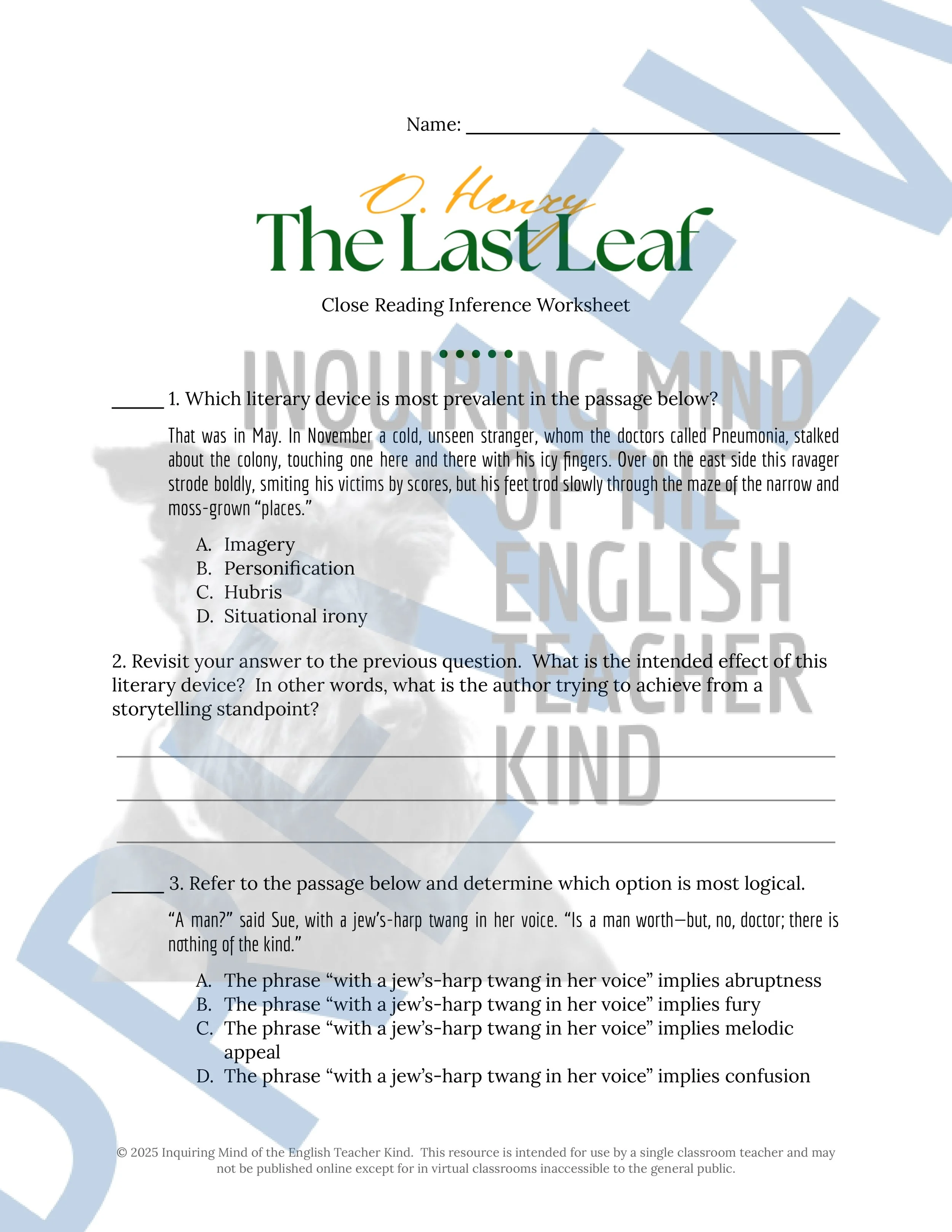
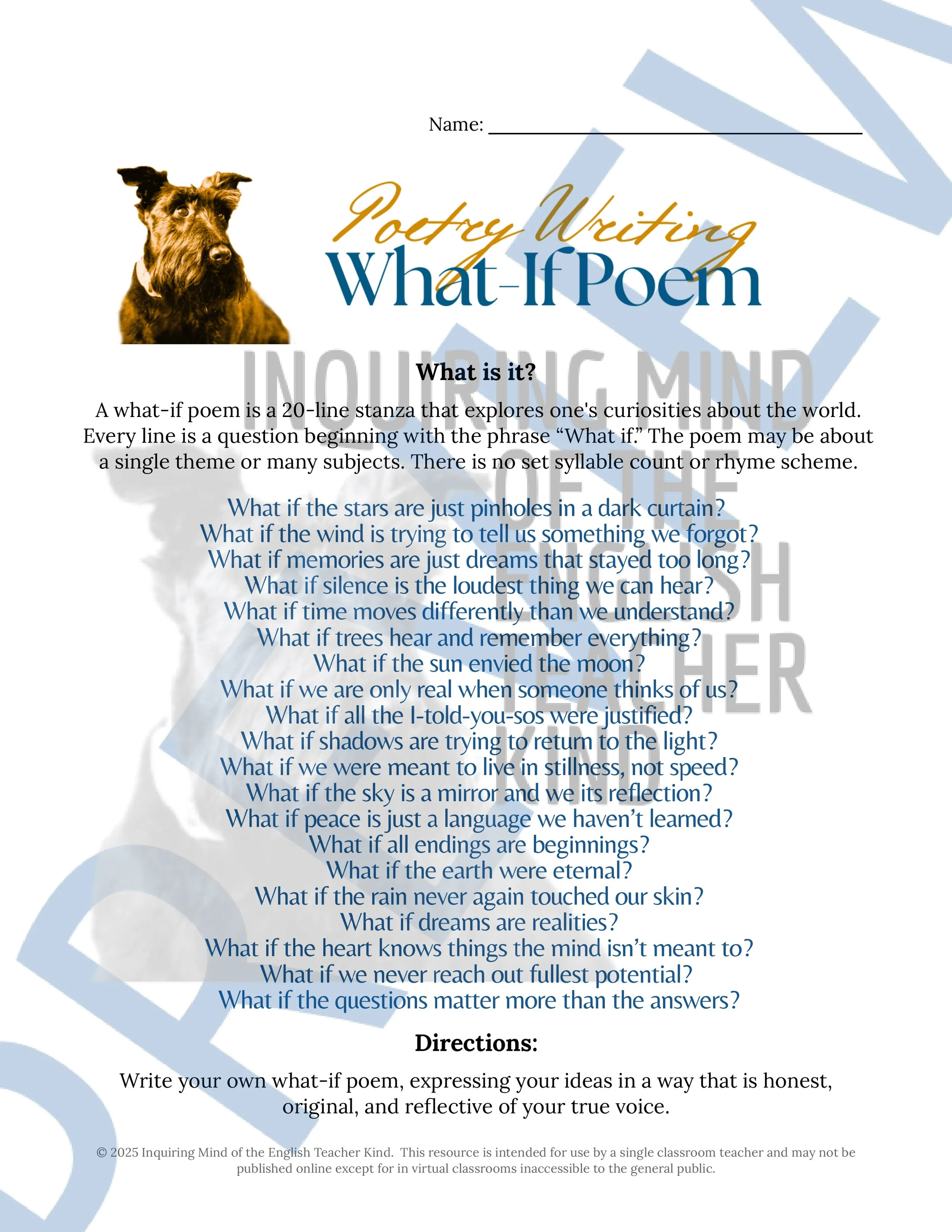
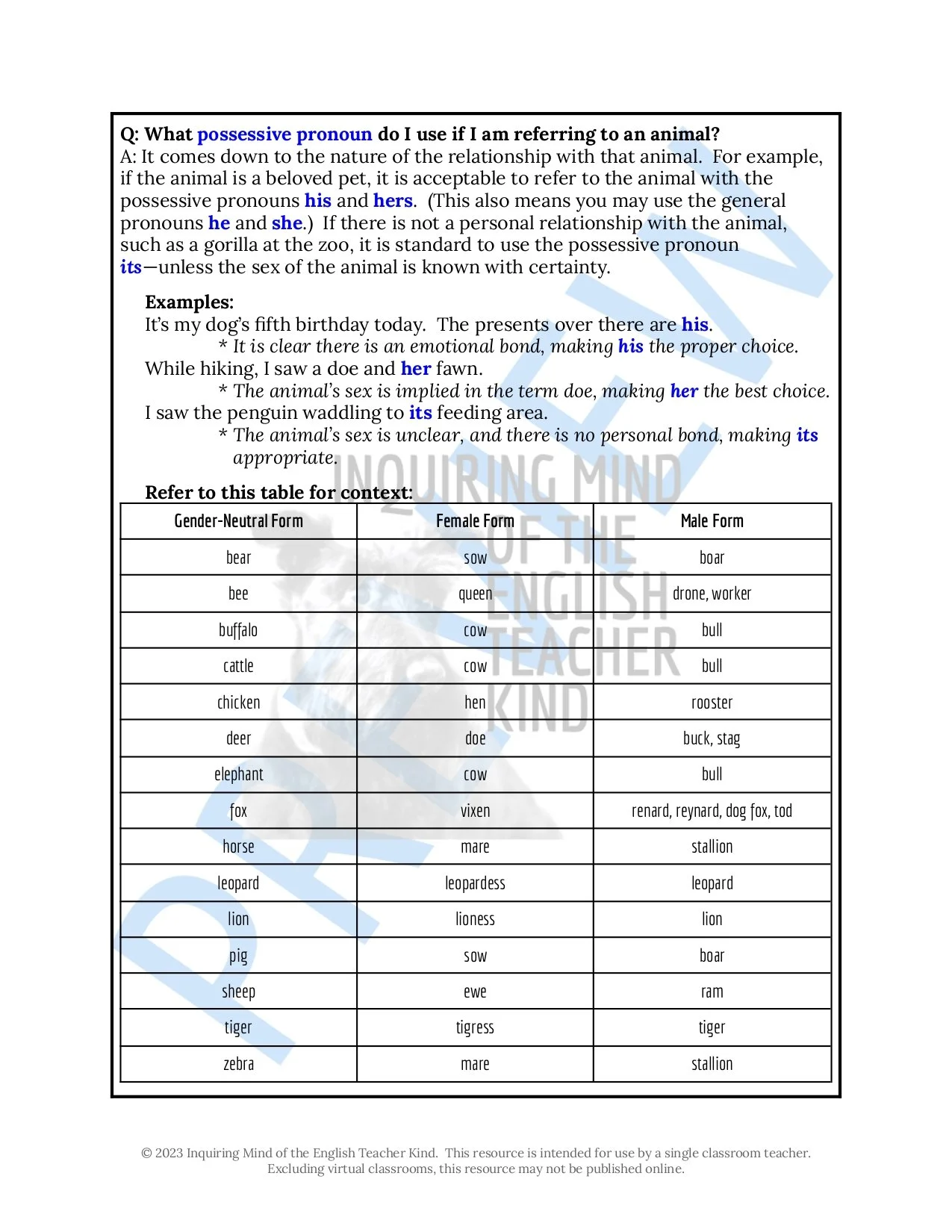
Prewriting activities: These materials complement the anchor texts, helping students study literary elements with emphasis on irony.
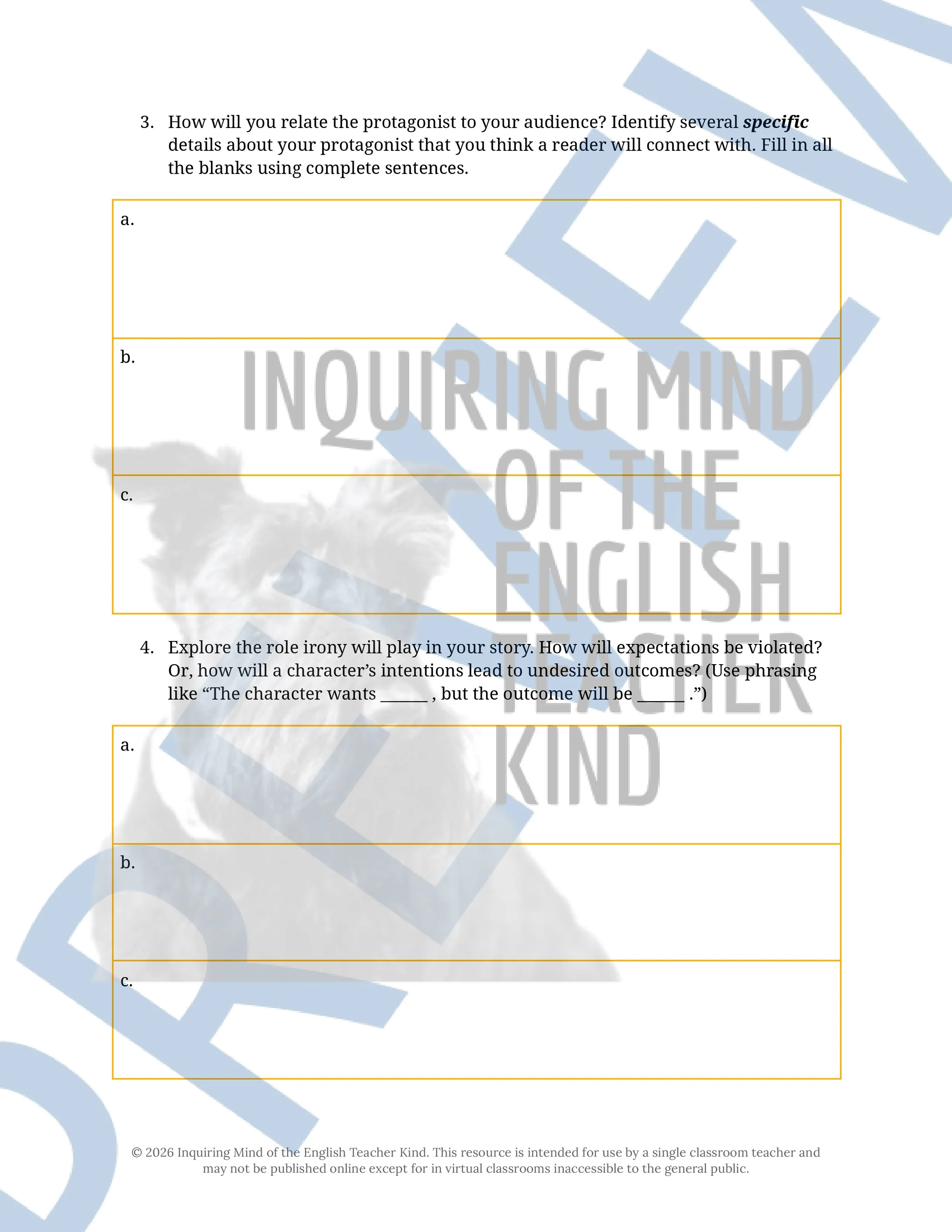
A story outline: This document helps students organize their initial ideas for drafting their own original narratives.
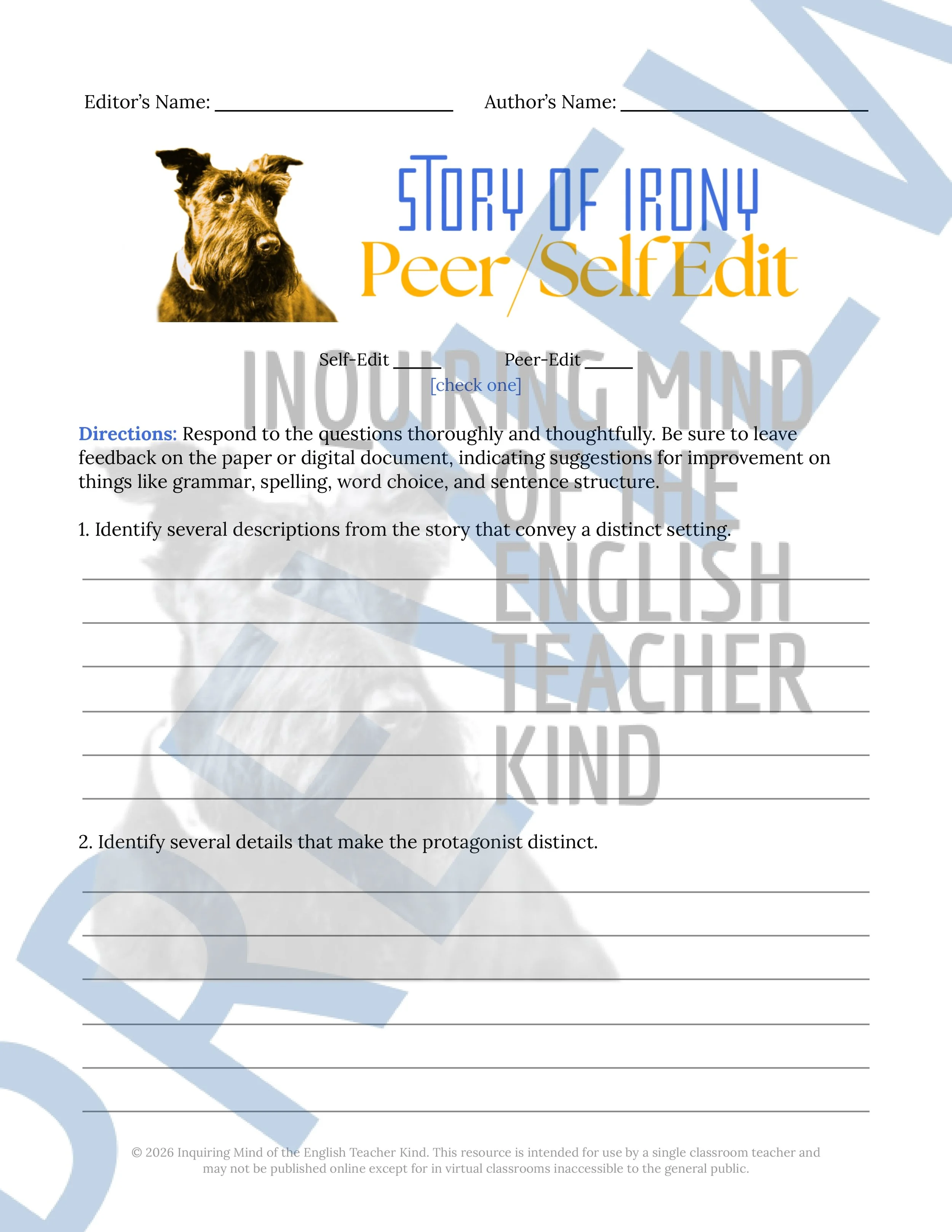
An editing document: This document may be used to self-evaluate or to offer peers feedback.
Materials are delivered as printable PDFs. (Alternatively, a Google Drive option is available.)
Unit plans are available for a variety of writing tasks:
This Common Core-aligned unit plan helps high school Creative Writing teachers facilitate the study of situational irony and the drafting of original short stories with ironic outcomes. The elements of this project are comprehensive and include the following:
A standards-based unit plan: This document conveys the unit's transfer goal, essential questions, enduring understandings, learning targets, academic vocabulary, formative assessments, summative performance tasks, and pacing guide.
Detailed directions: This document provides a concept overview and clarifies the project requirements, as well as the formatting requirements.
A standards-based scoring rubric: This document helps students understand the criteria for evaluation and streamlines the grading process for teachers.
A PowerPoint presentation: This visual aid provides an overview of literary devices including irony in all its forms (dramatic, situational, and verbal).
Anchor texts: Four public domain narratives are included, each emphasizing ironic outcomes ("The Last Leaf" by O. Henry, "It Walks by Night" by Henry Kuttner, "The Fox and the Horse" by the Brothers Grimm, and "The Wolf and the Fox" by the Brothers Grimm).
Prewriting activities: These materials complement the anchor texts, helping students study literary elements with emphasis on irony.
A story outline: This document helps students organize their initial ideas for drafting their own original narratives.
An editing document: This document may be used to self-evaluate or to offer peers feedback.
Materials are delivered as printable PDFs. (Alternatively, a Google Drive option is available.)
Unit plans are available for a variety of writing tasks: