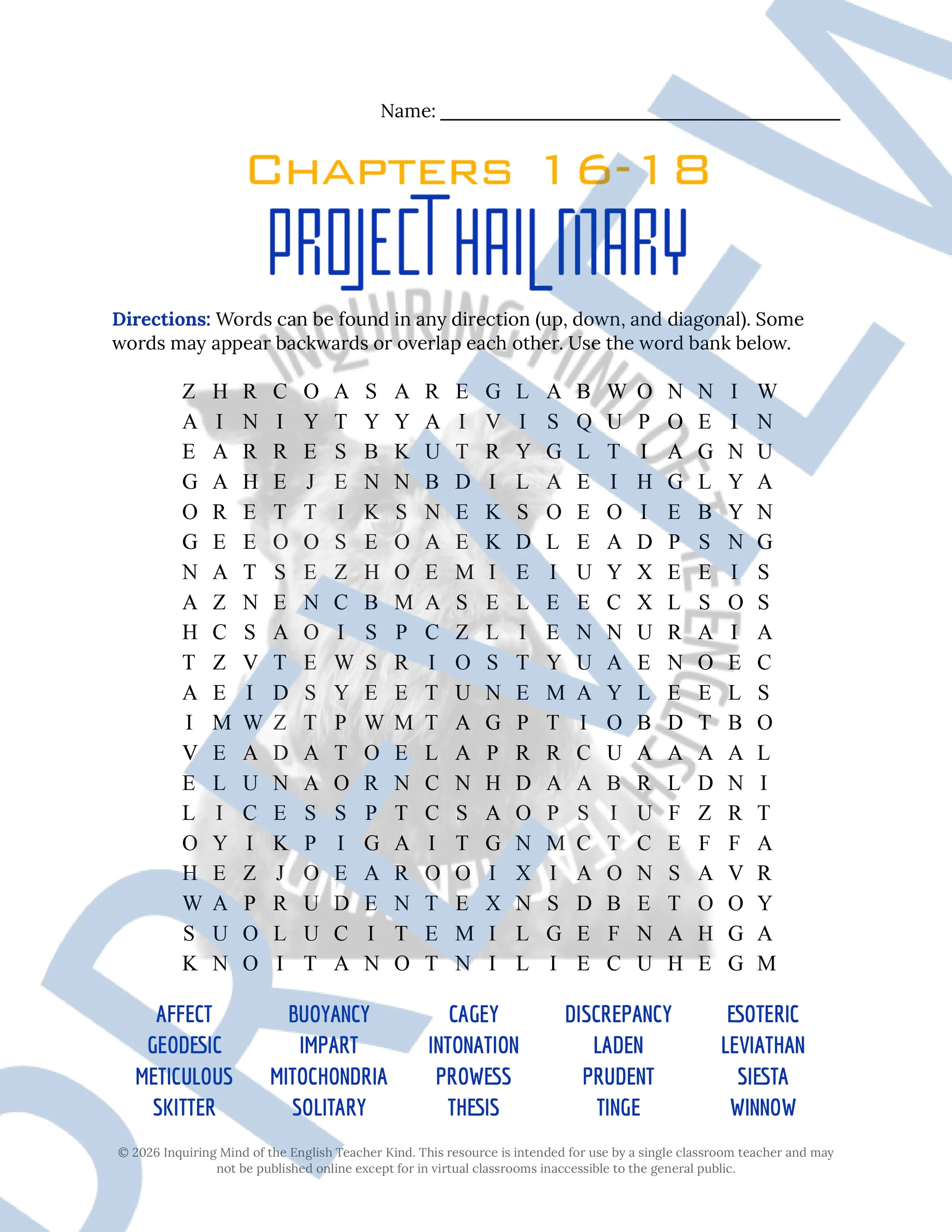
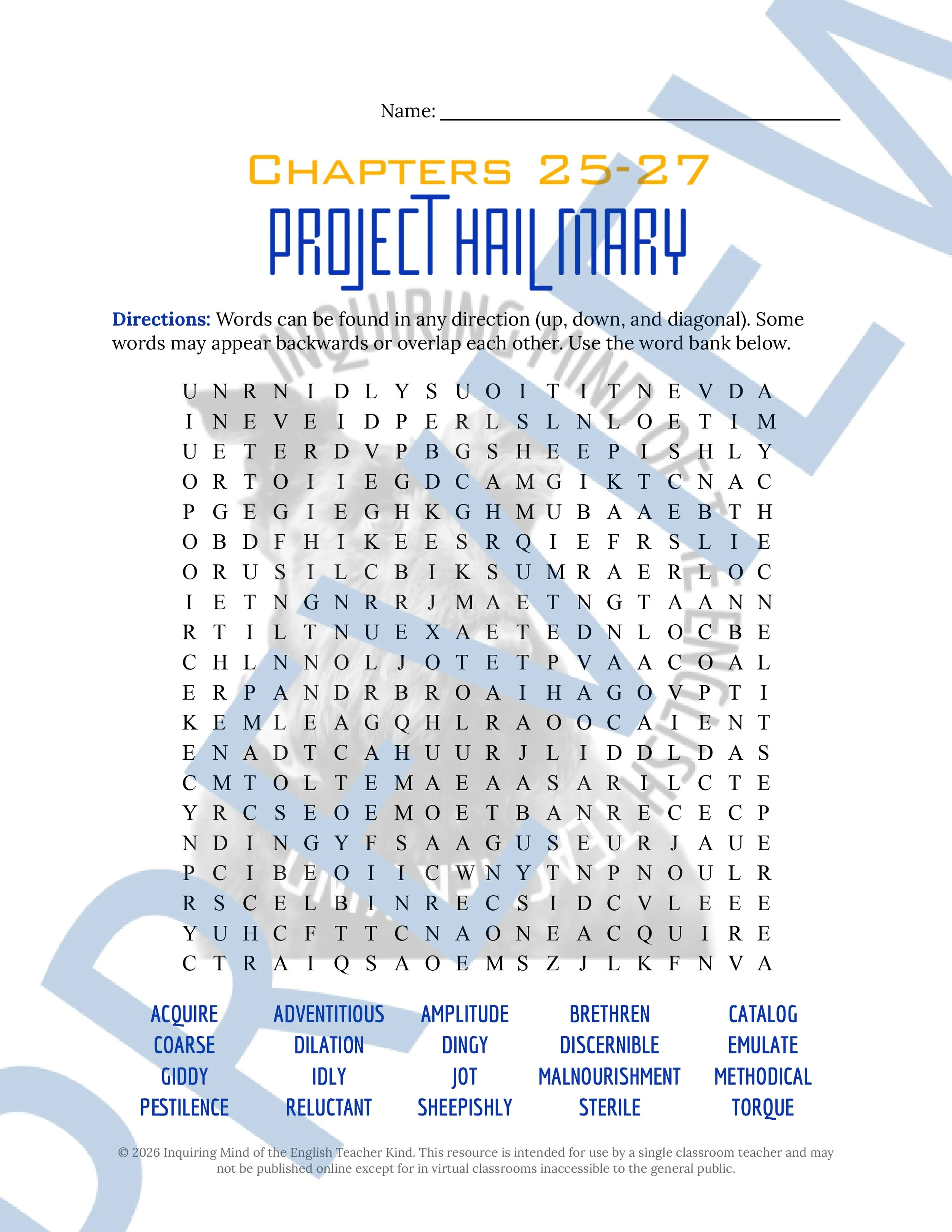
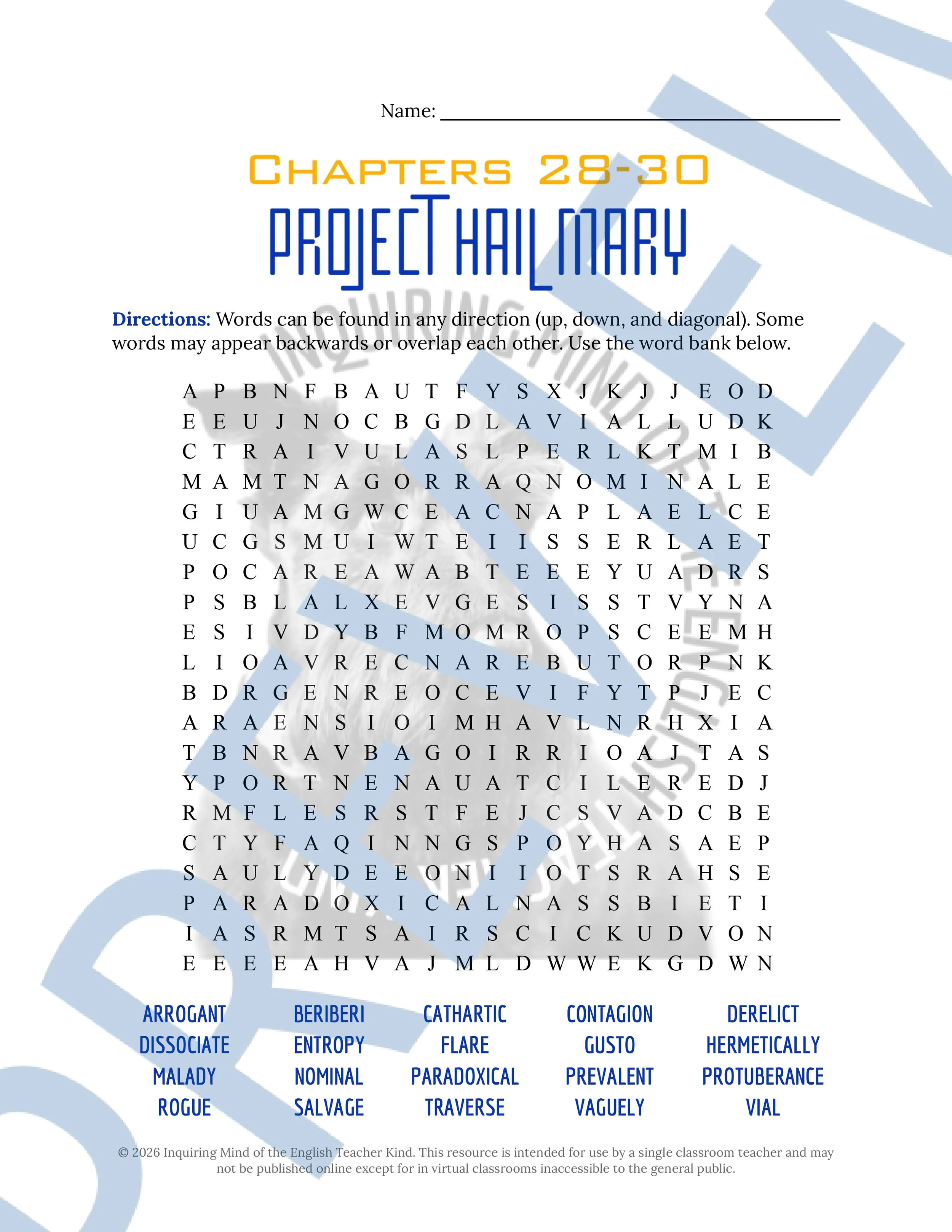
Image 1 of 17
Image 2 of 17
Image 3 of 17
Image 4 of 17
Image 5 of 17
Image 6 of 17
Image 7 of 17
Image 8 of 17
Image 9 of 17
Image 10 of 17
Image 11 of 17
Image 12 of 17
Image 13 of 17
Image 14 of 17
Image 15 of 17
Image 16 of 17
Image 17 of 17
"Harrison Bergeron" by Kurt Vonnegut Quiz, Literature Analysis Worksheet, and Vocabulary Activities
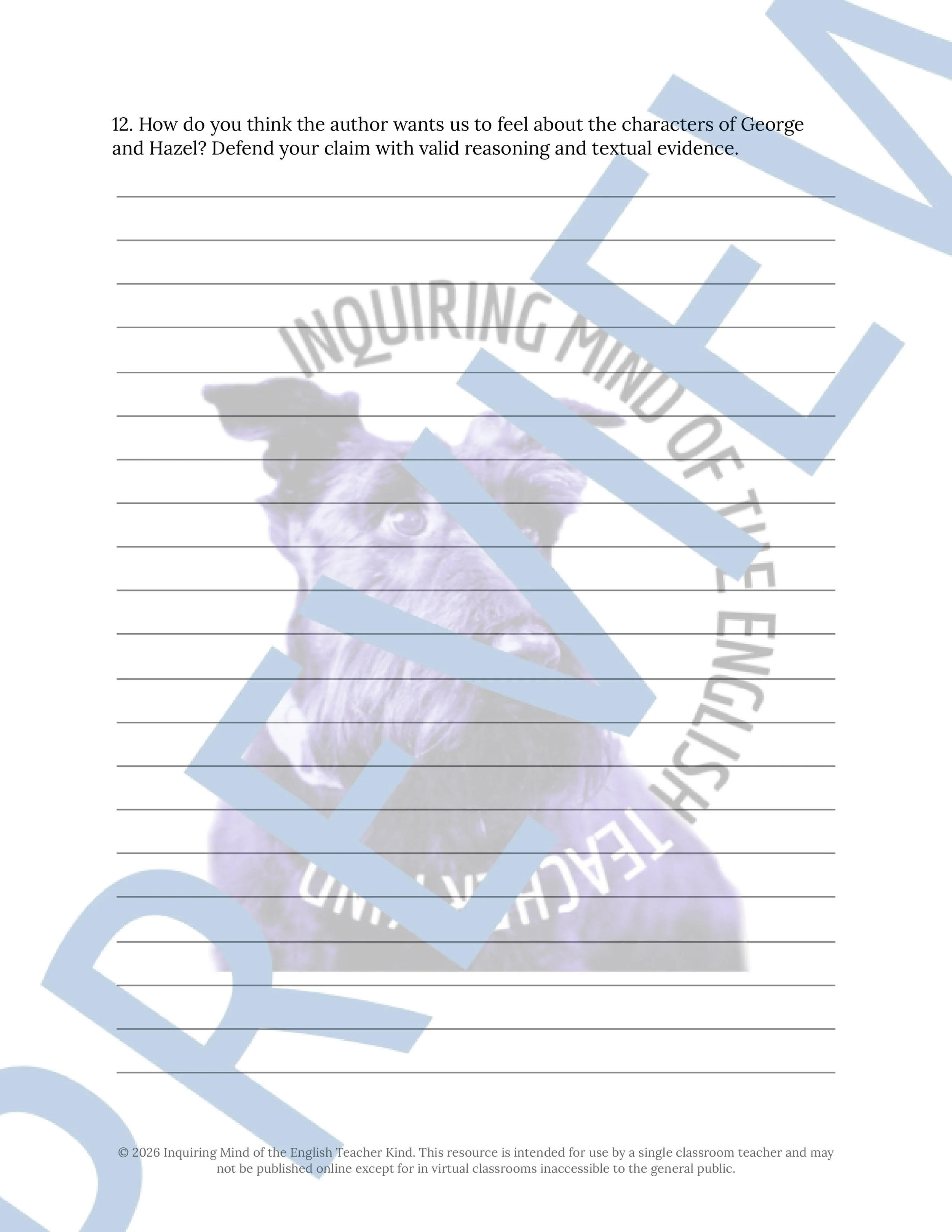
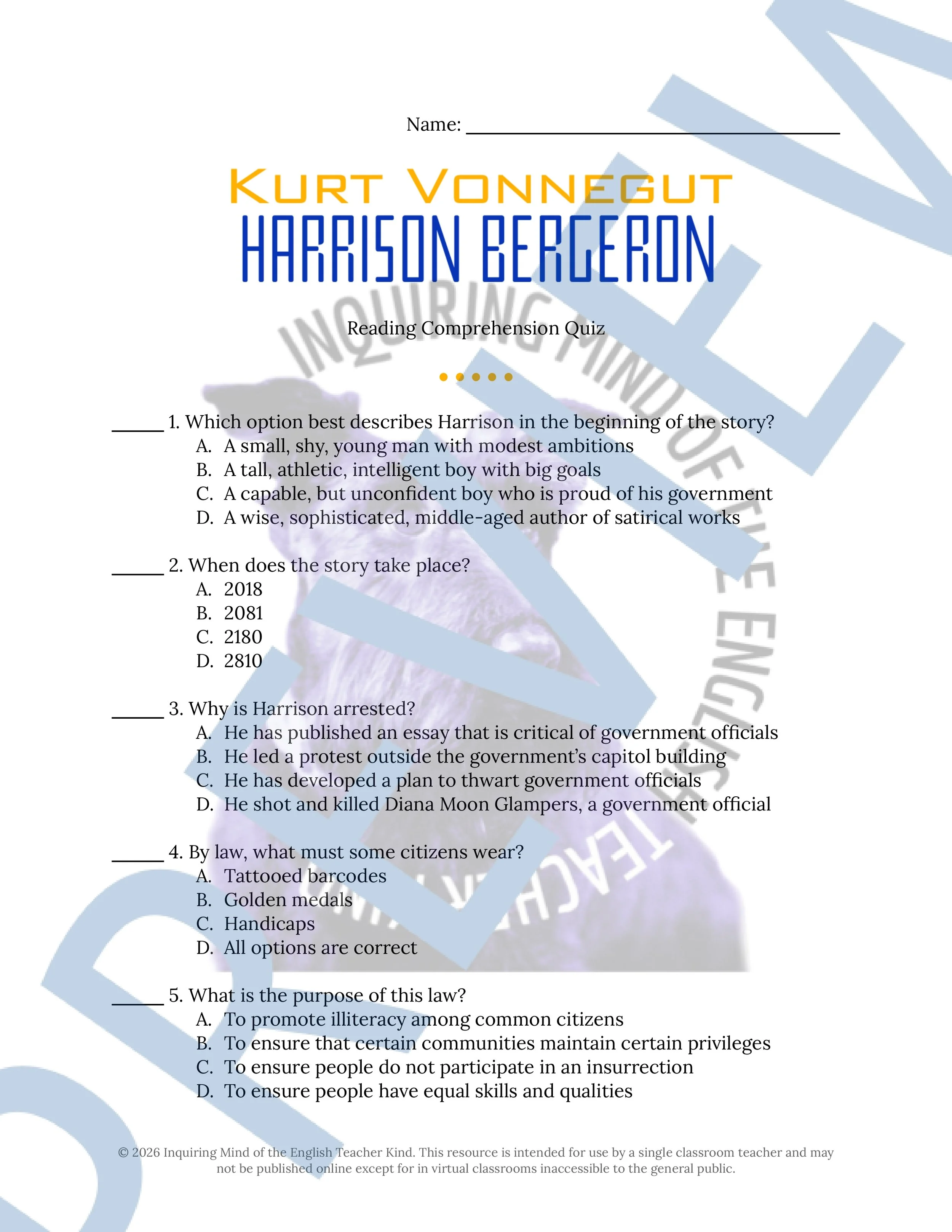
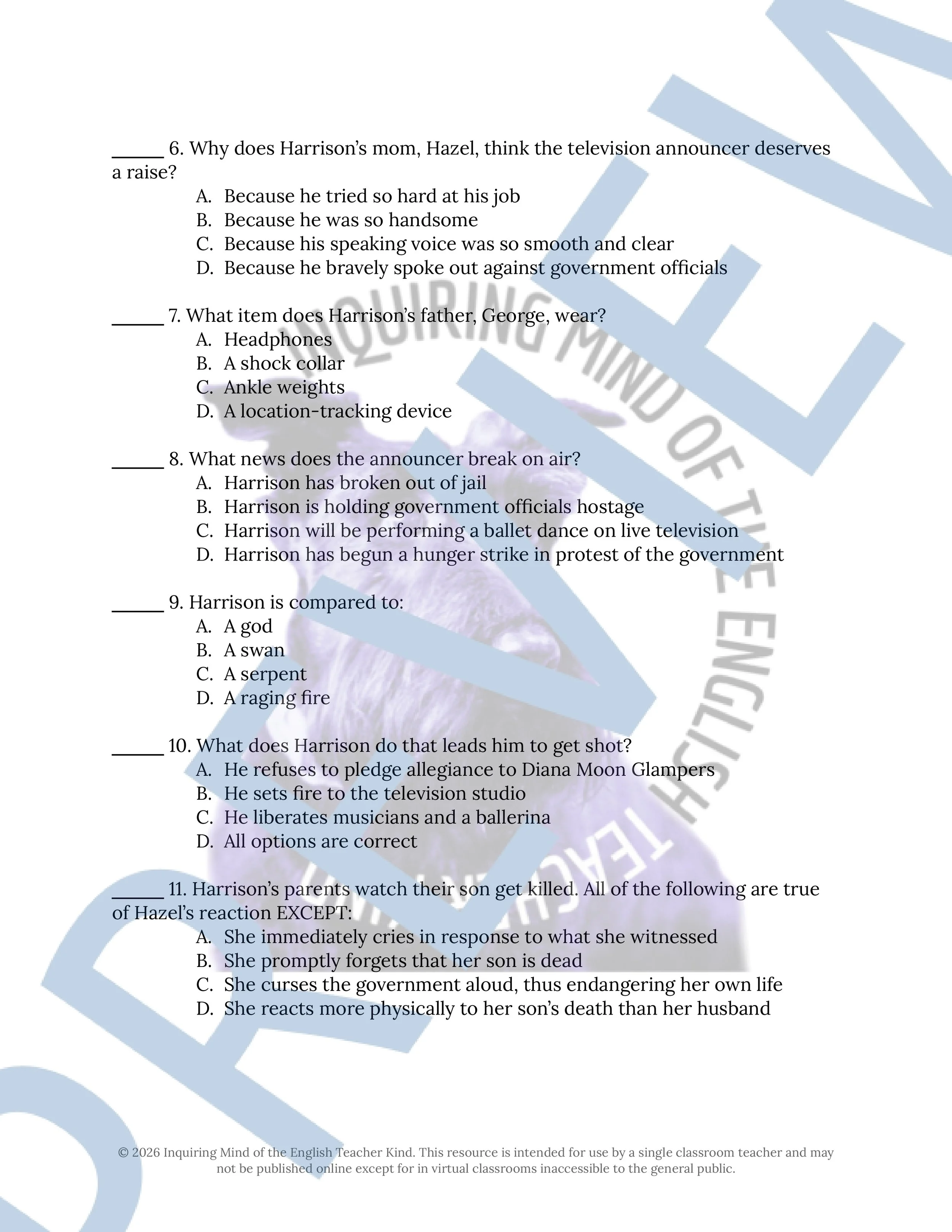
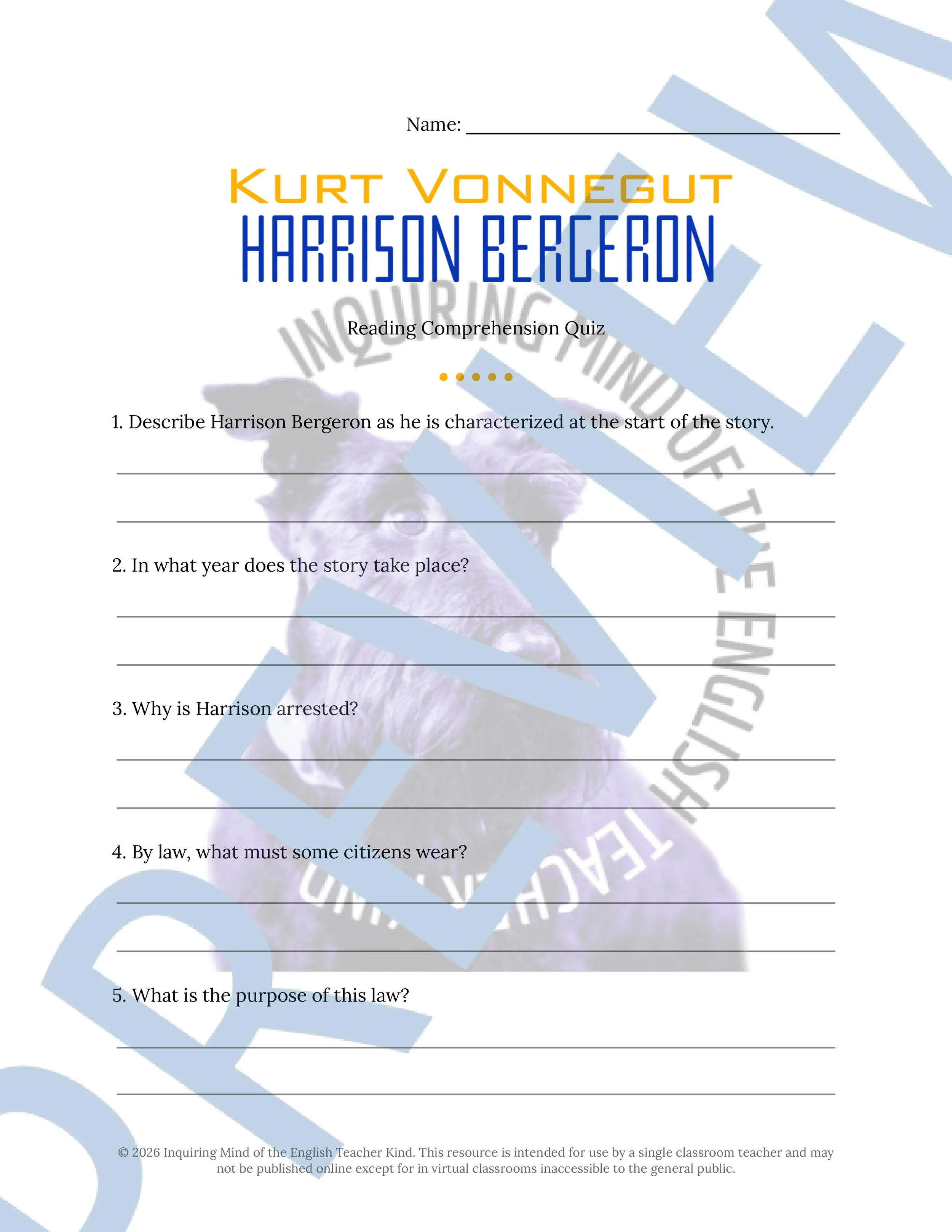
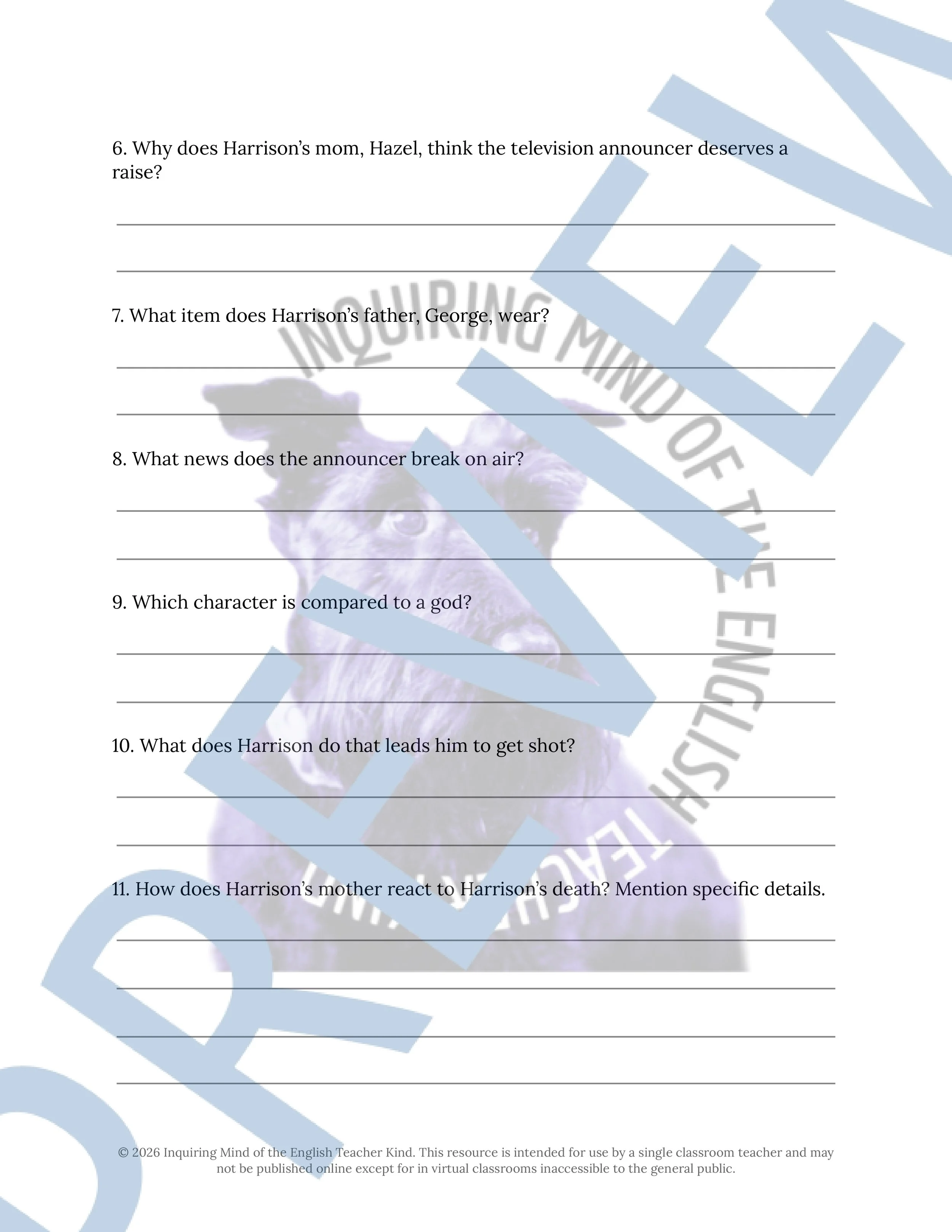
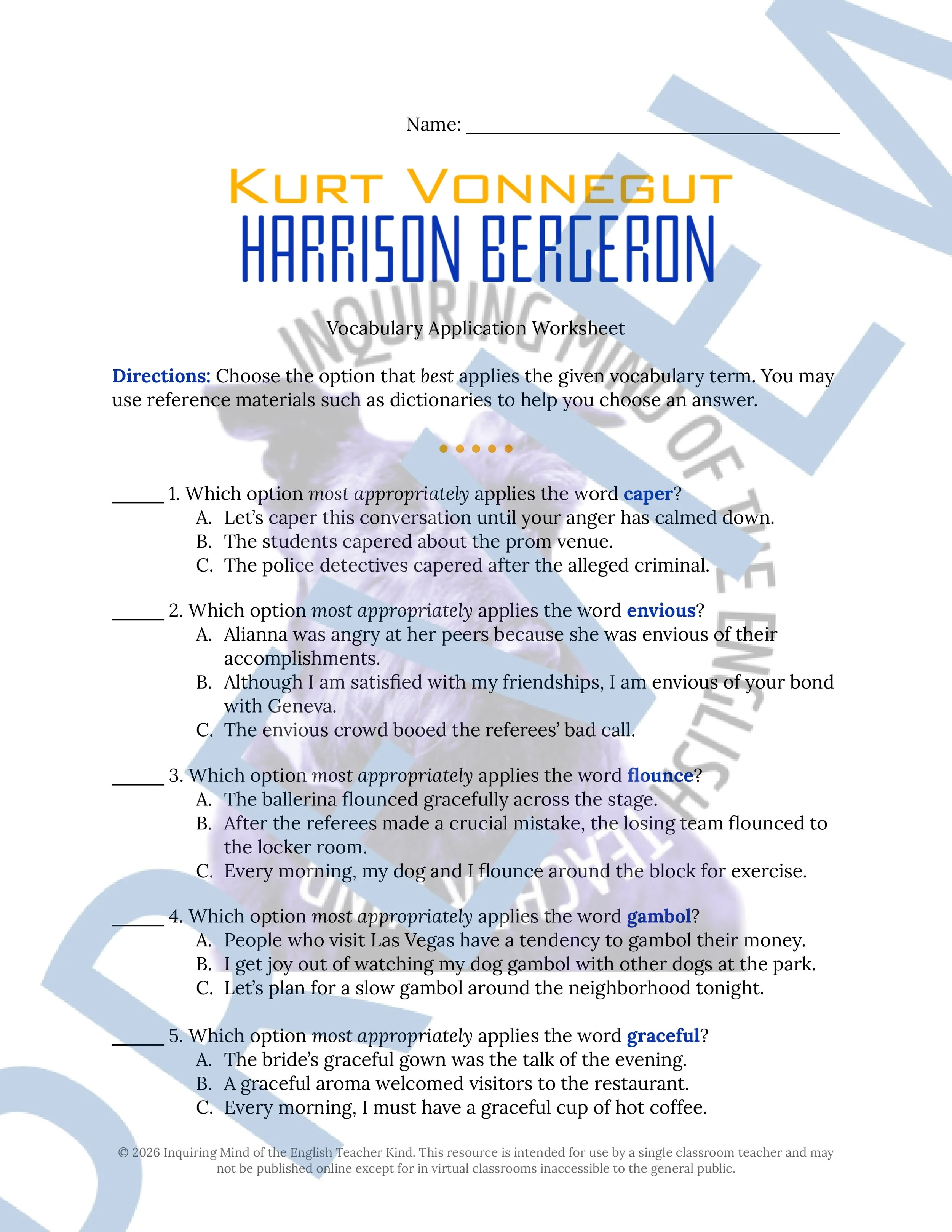
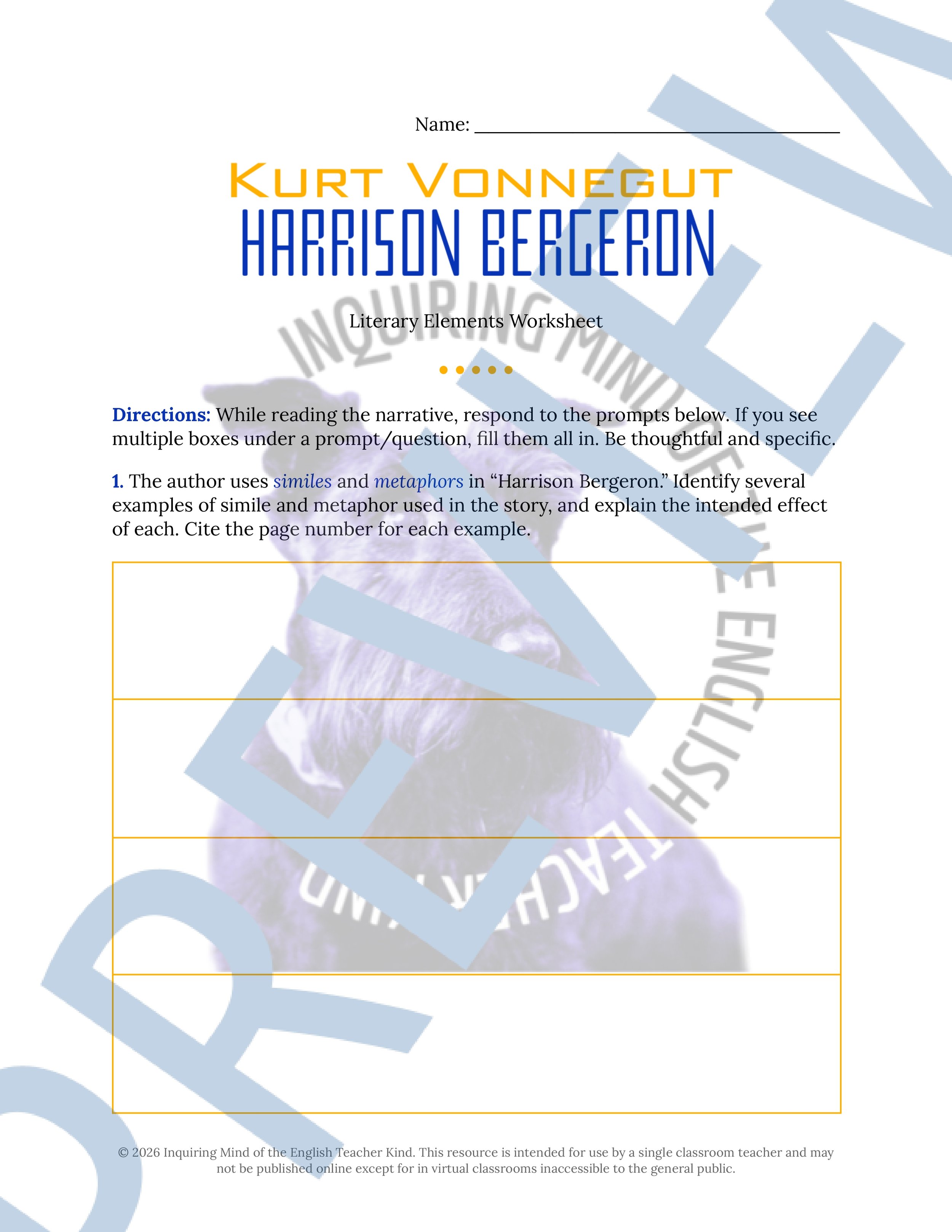
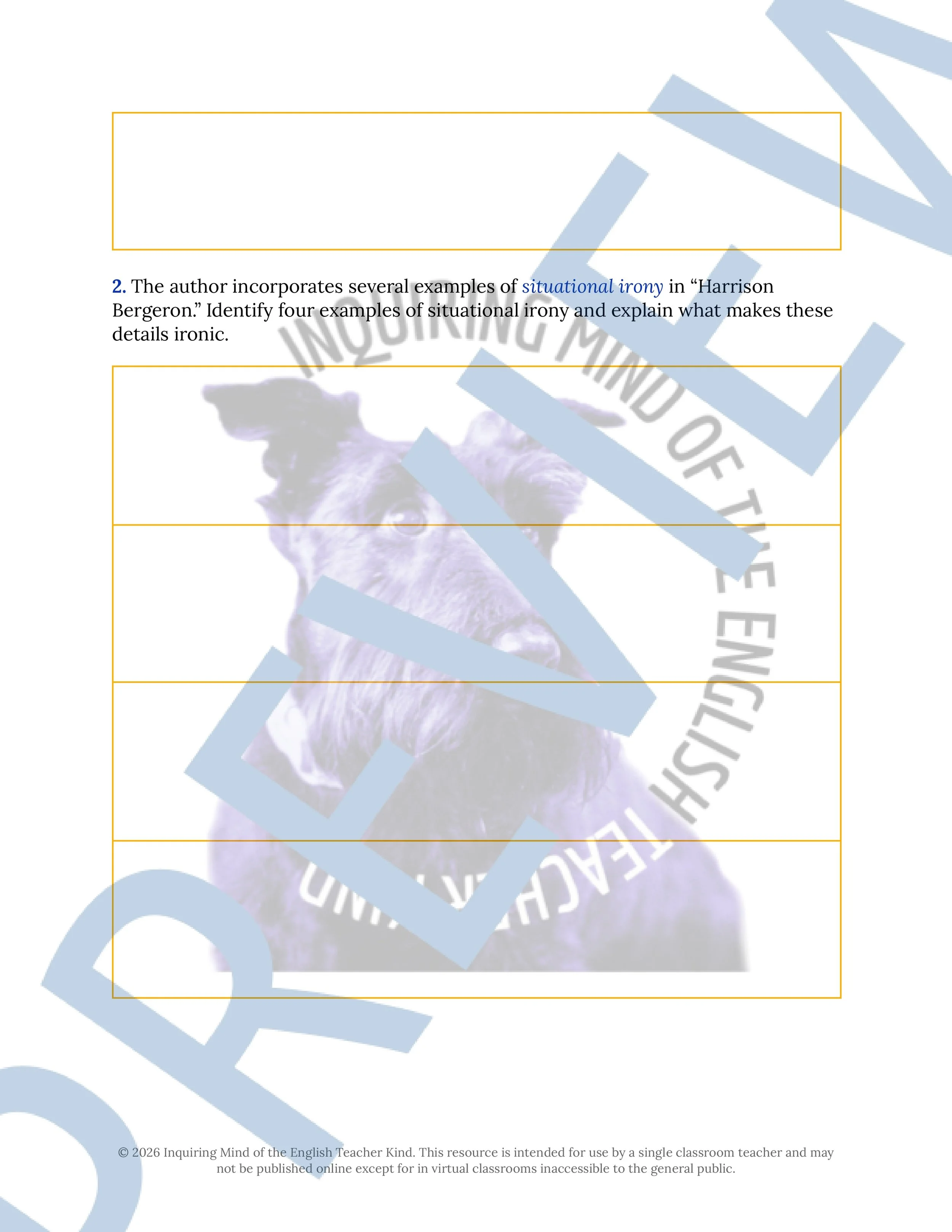
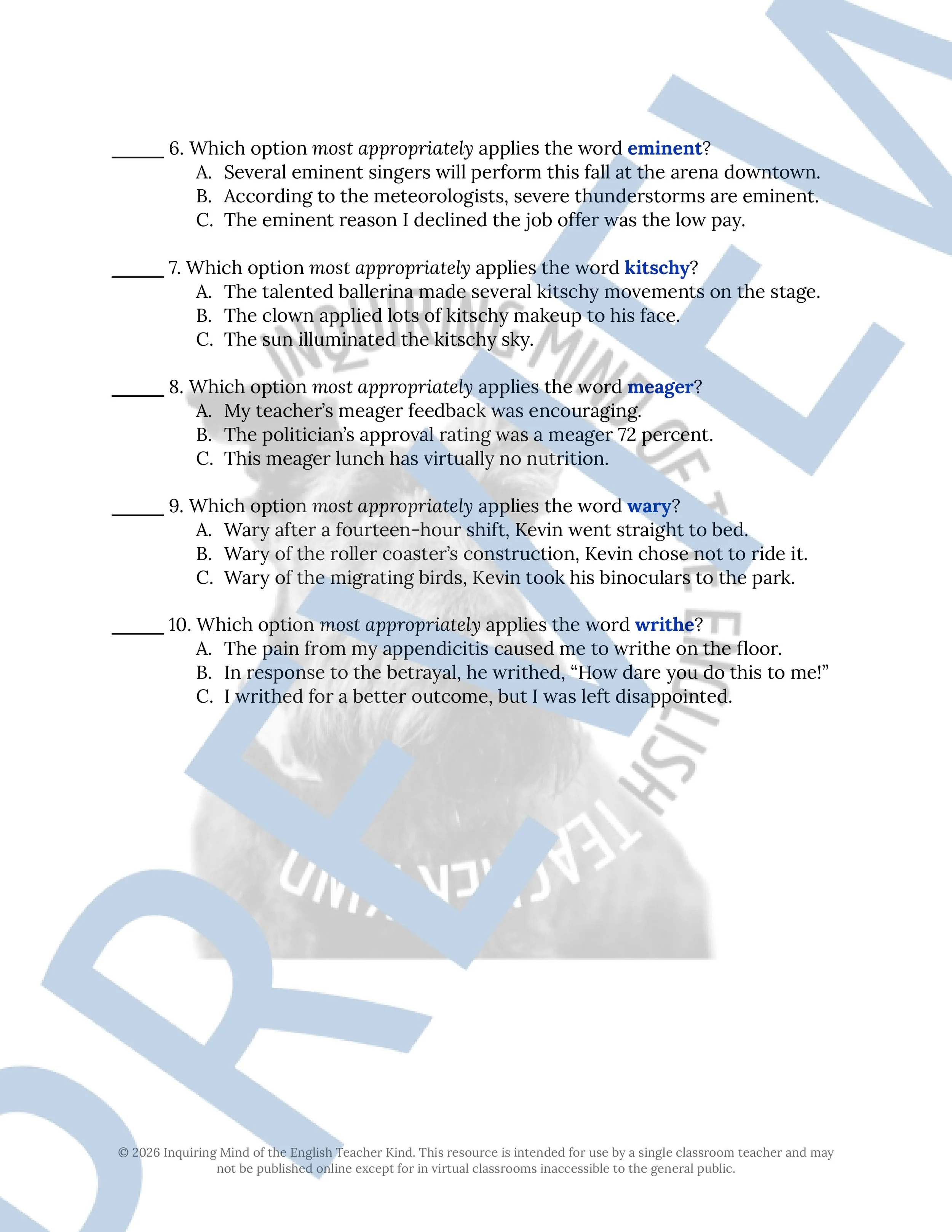
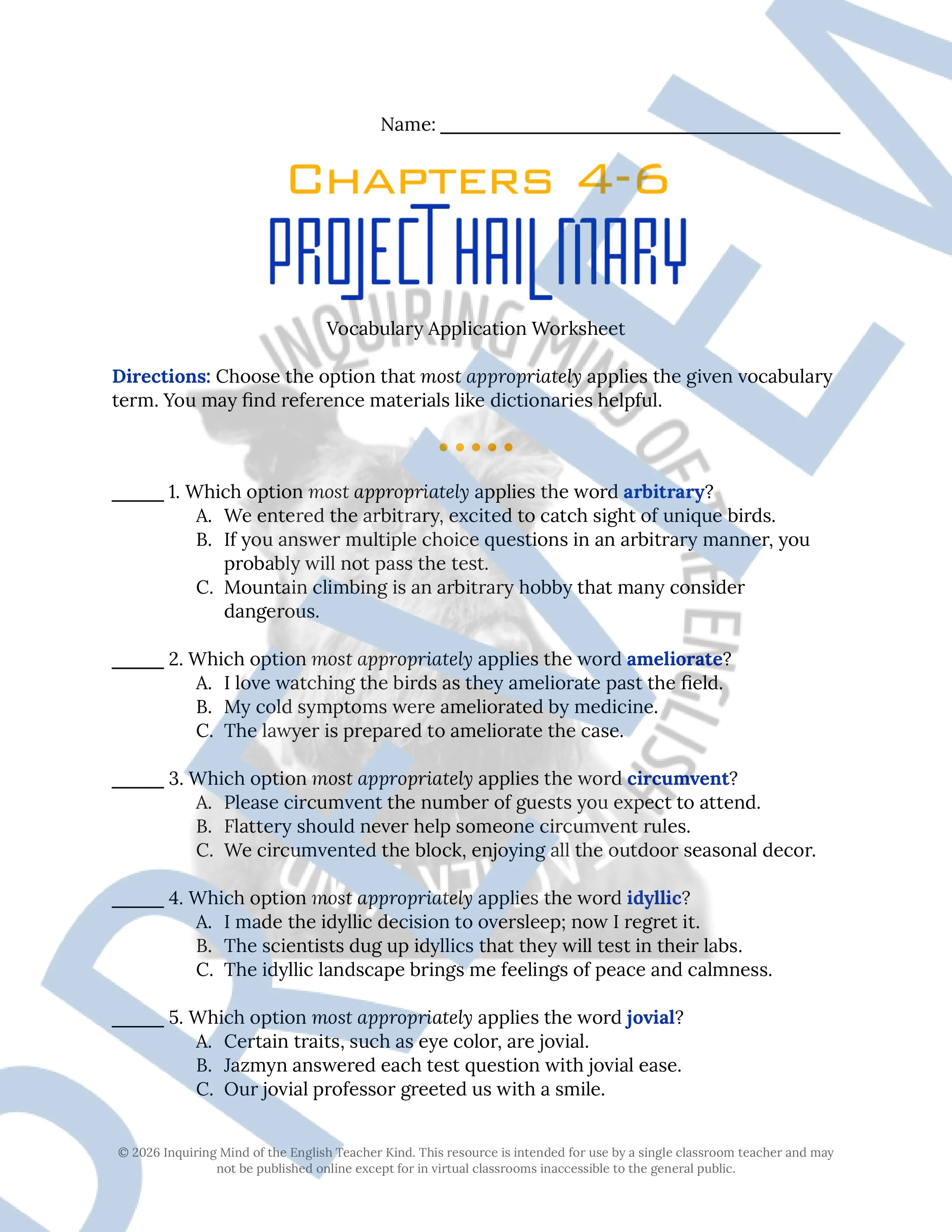
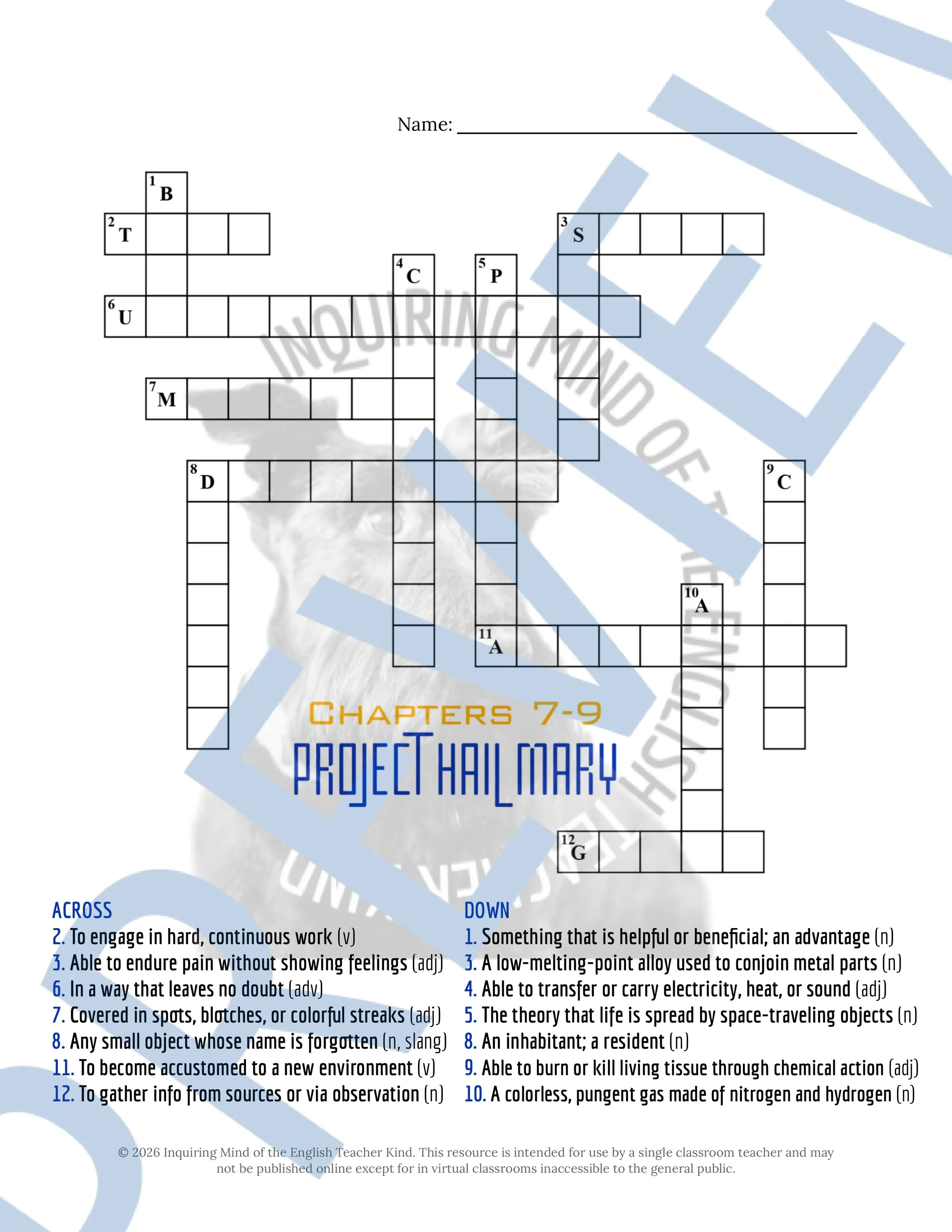
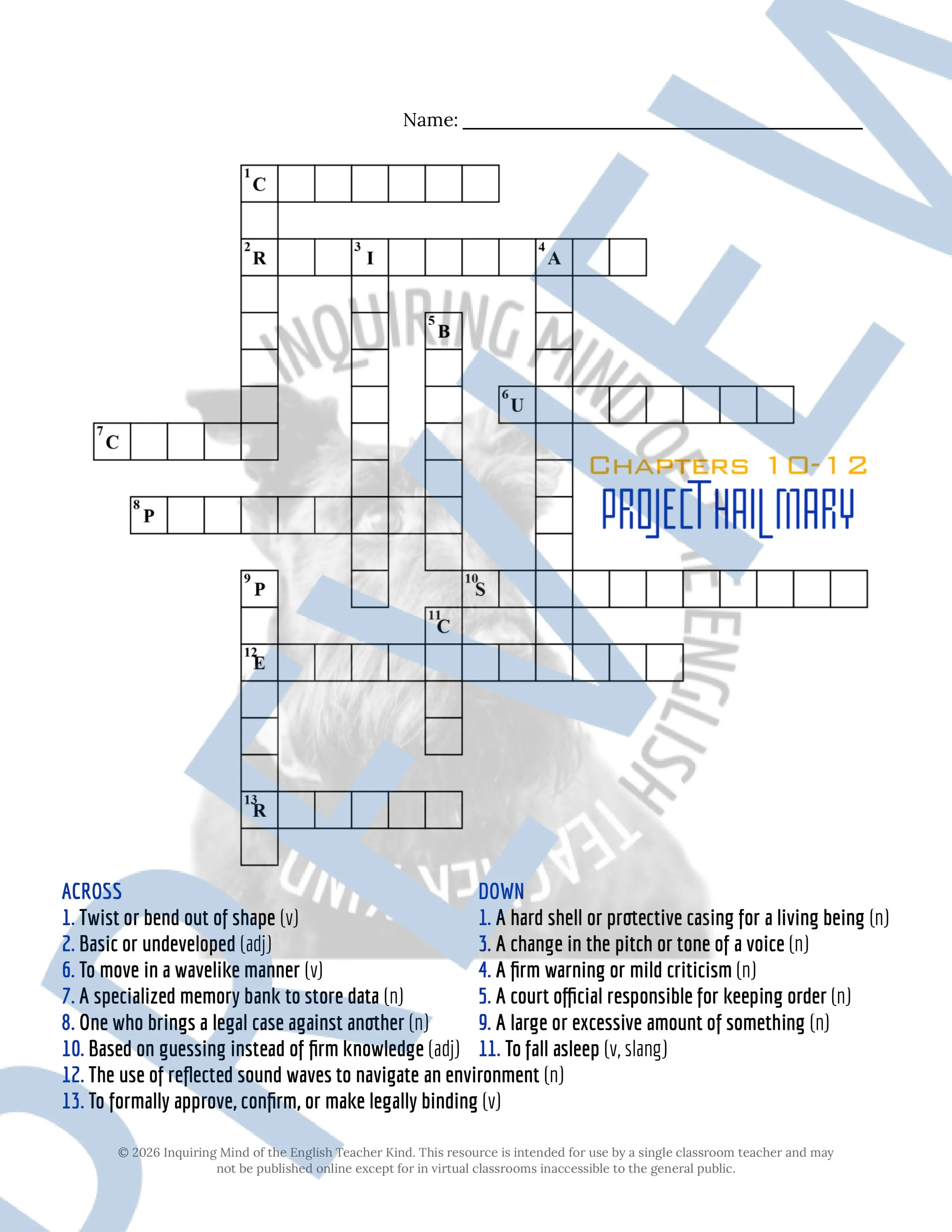
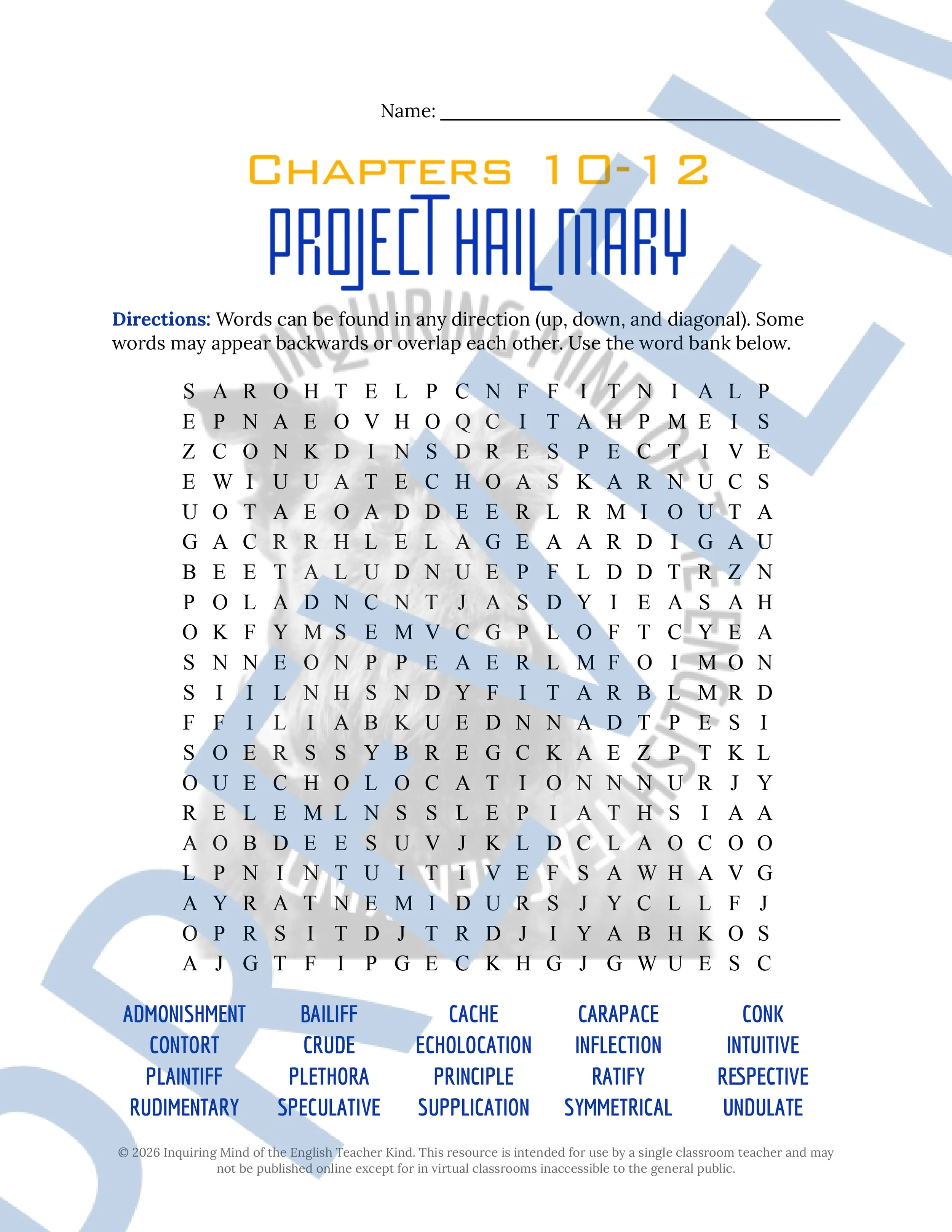
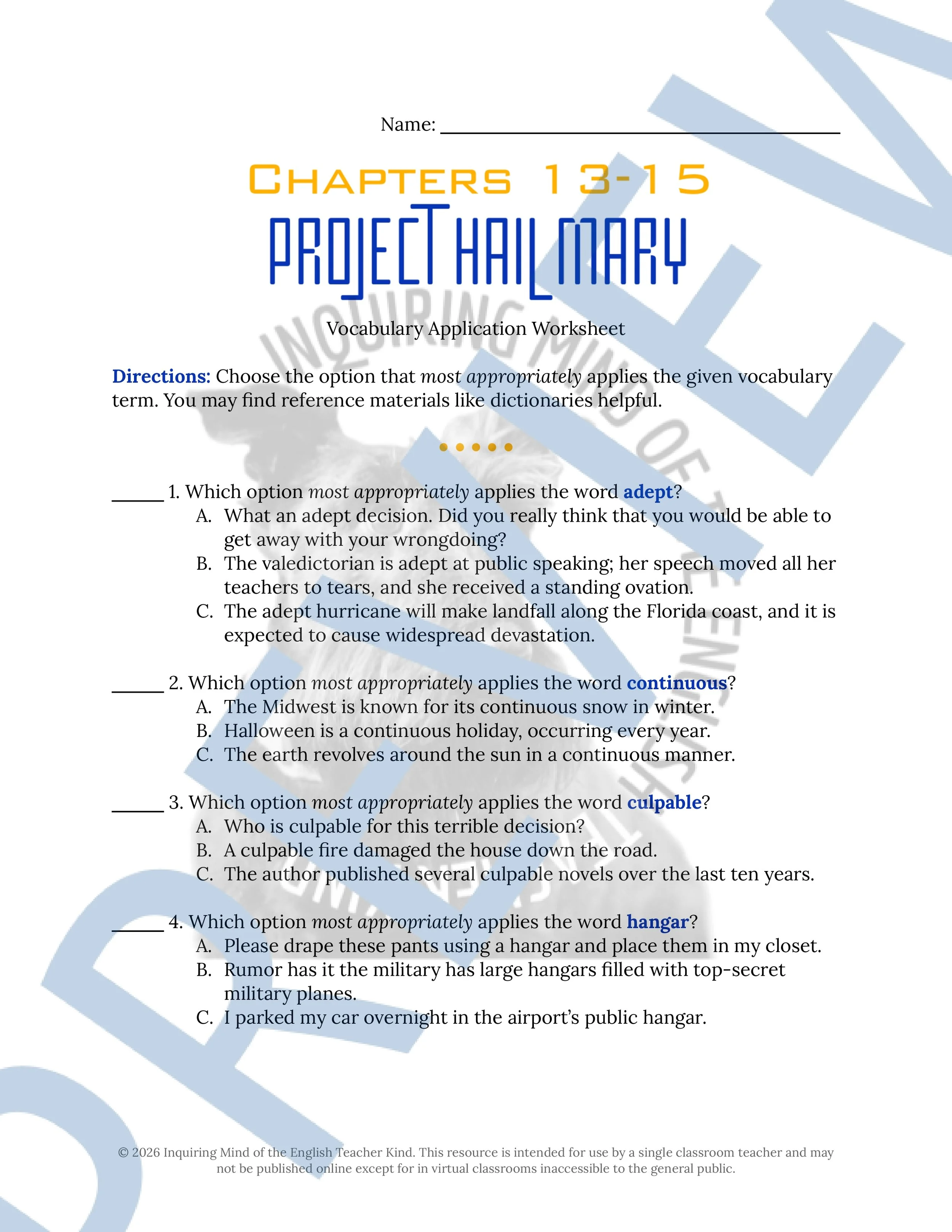
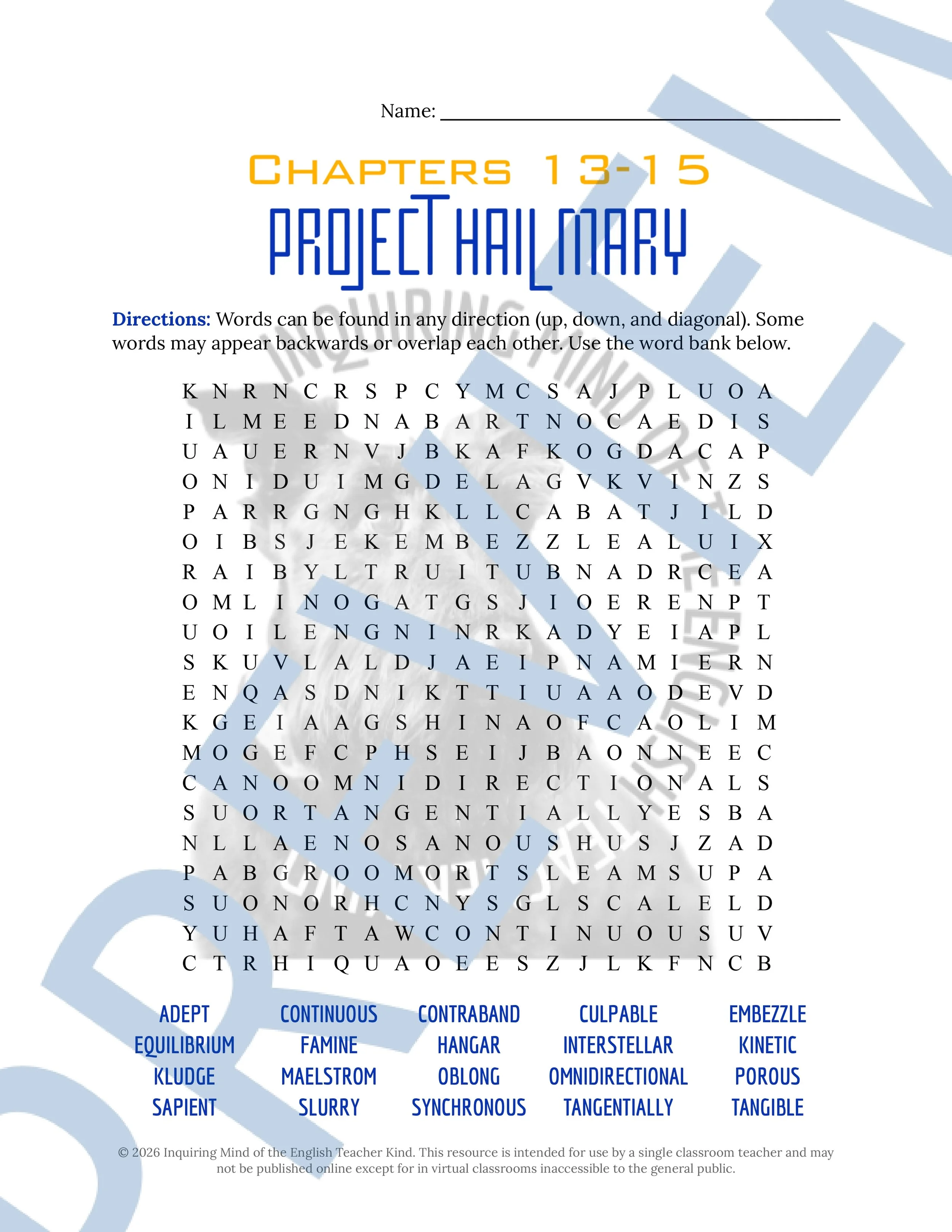
Ideal for adolescent literature and dystopian science fiction units, this short story bundle covers Kurt Vonnegut's "Harrison Bergeron" and includes a reading comprehension quiz, narrative analysis worksheet, literary devices guide, vocabulary terminology activity, crossword puzzle, word search, and answer keys. By engaging with these materials, students will:
Bolster vocabulary skills
Identify what the text states explicitly
Examine how complex characters think, behave, interact, and develop
Isolate examples of figurative language (metaphor and simile), articulating the intended effects of each example.
List examples of situational irony, explaining how expectations/intentions are violated.
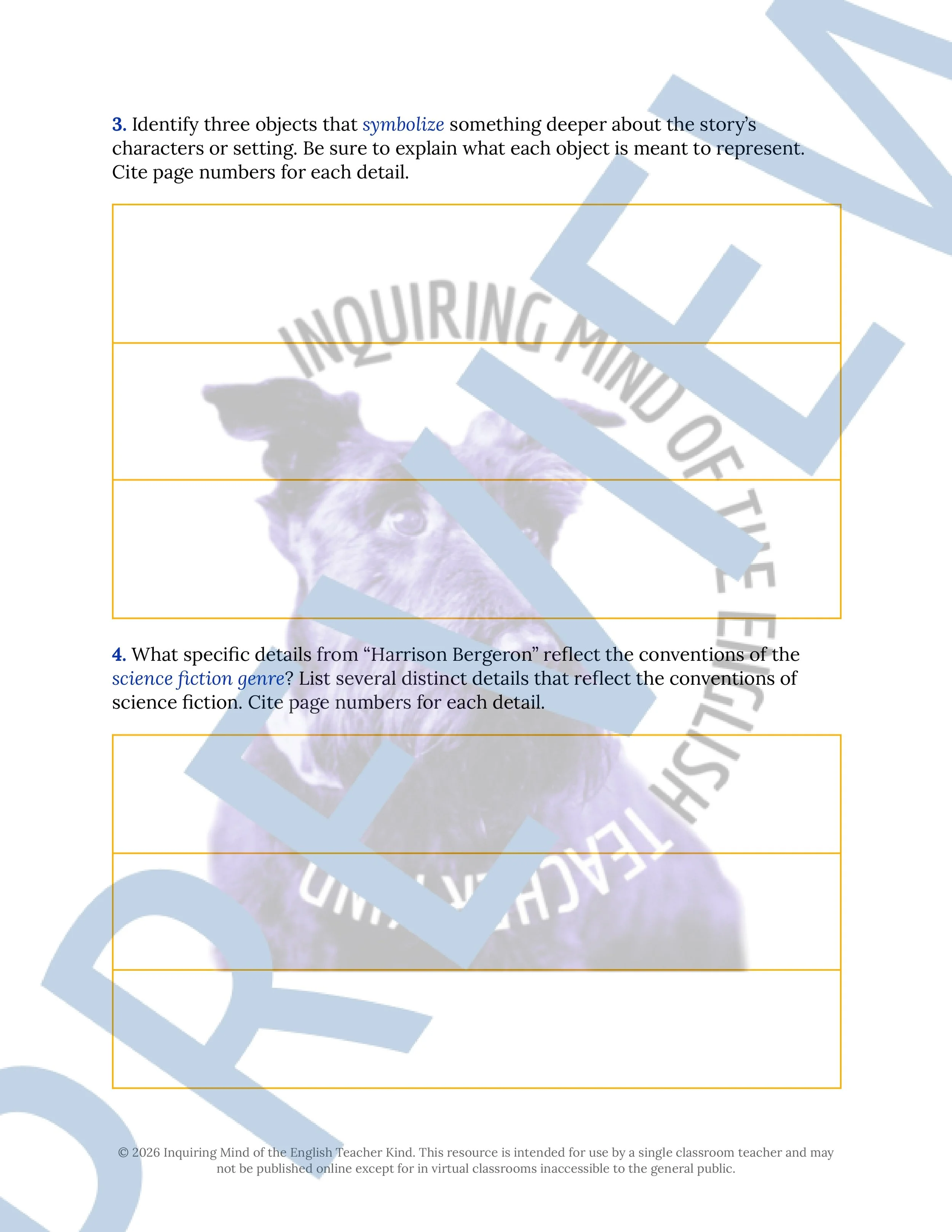
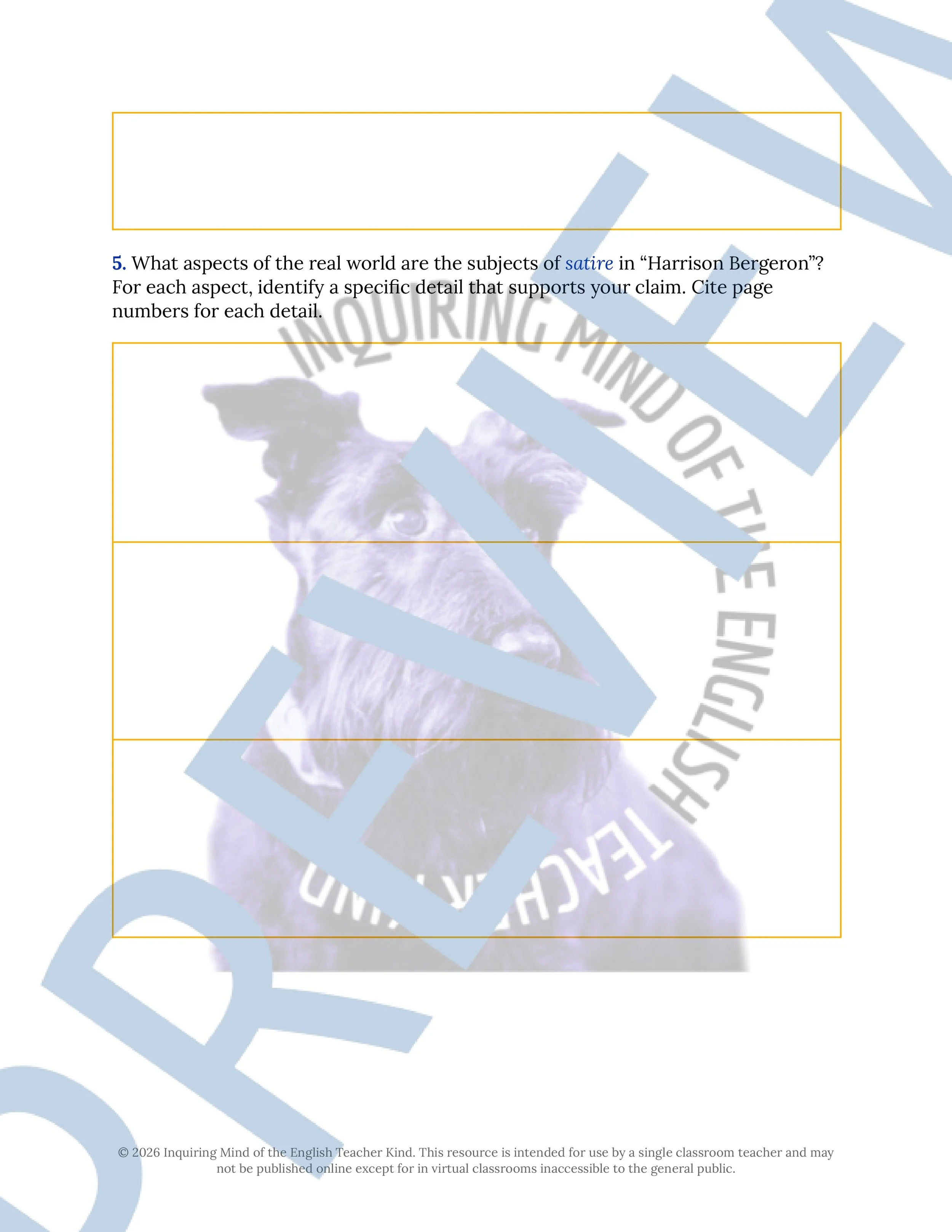
Identify objects that reflect symbolism, articulating the deeper, implied meaning behind each object.
Delineate how the narrative is consistent with the conventions of the science fiction genre.
Explain how aspects of the real world are the subjects of satire in the narrative.
Explore themes in context
Materials are delivered in editable Word Document and printable PDF formats. (Alternatively, a Google Drive bundle option is available.)
Resources are available for many science fiction novels and short stories:
Ideal for adolescent literature and dystopian science fiction units, this short story bundle covers Kurt Vonnegut's "Harrison Bergeron" and includes a reading comprehension quiz, narrative analysis worksheet, literary devices guide, vocabulary terminology activity, crossword puzzle, word search, and answer keys. By engaging with these materials, students will:
Bolster vocabulary skills
Identify what the text states explicitly
Examine how complex characters think, behave, interact, and develop
Isolate examples of figurative language (metaphor and simile), articulating the intended effects of each example.
List examples of situational irony, explaining how expectations/intentions are violated.
Identify objects that reflect symbolism, articulating the deeper, implied meaning behind each object.
Delineate how the narrative is consistent with the conventions of the science fiction genre.
Explain how aspects of the real world are the subjects of satire in the narrative.
Explore themes in context
Materials are delivered in editable Word Document and printable PDF formats. (Alternatively, a Google Drive bundle option is available.)
Resources are available for many science fiction novels and short stories: