Sale Price:
$50.00
Original Price:
$72.00
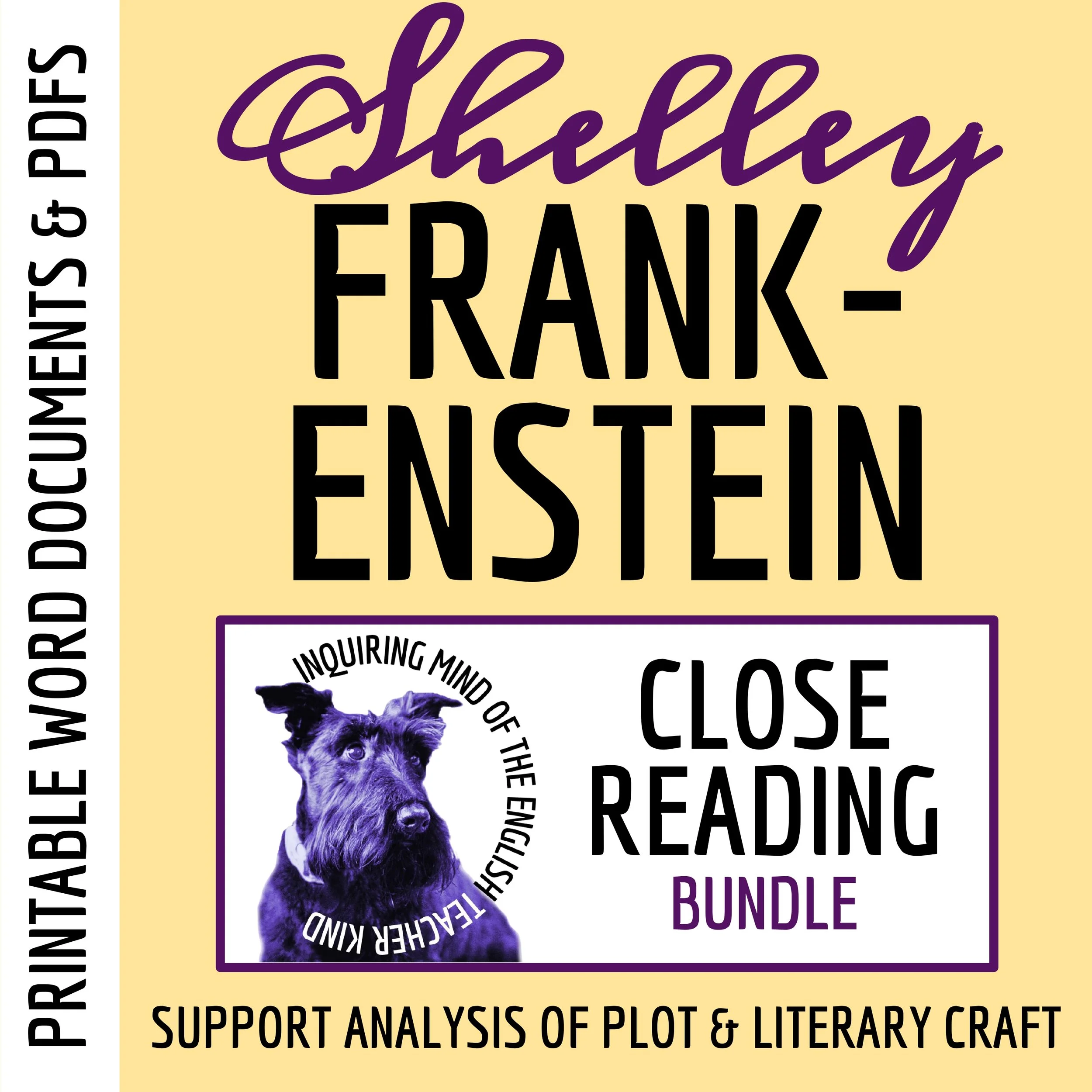
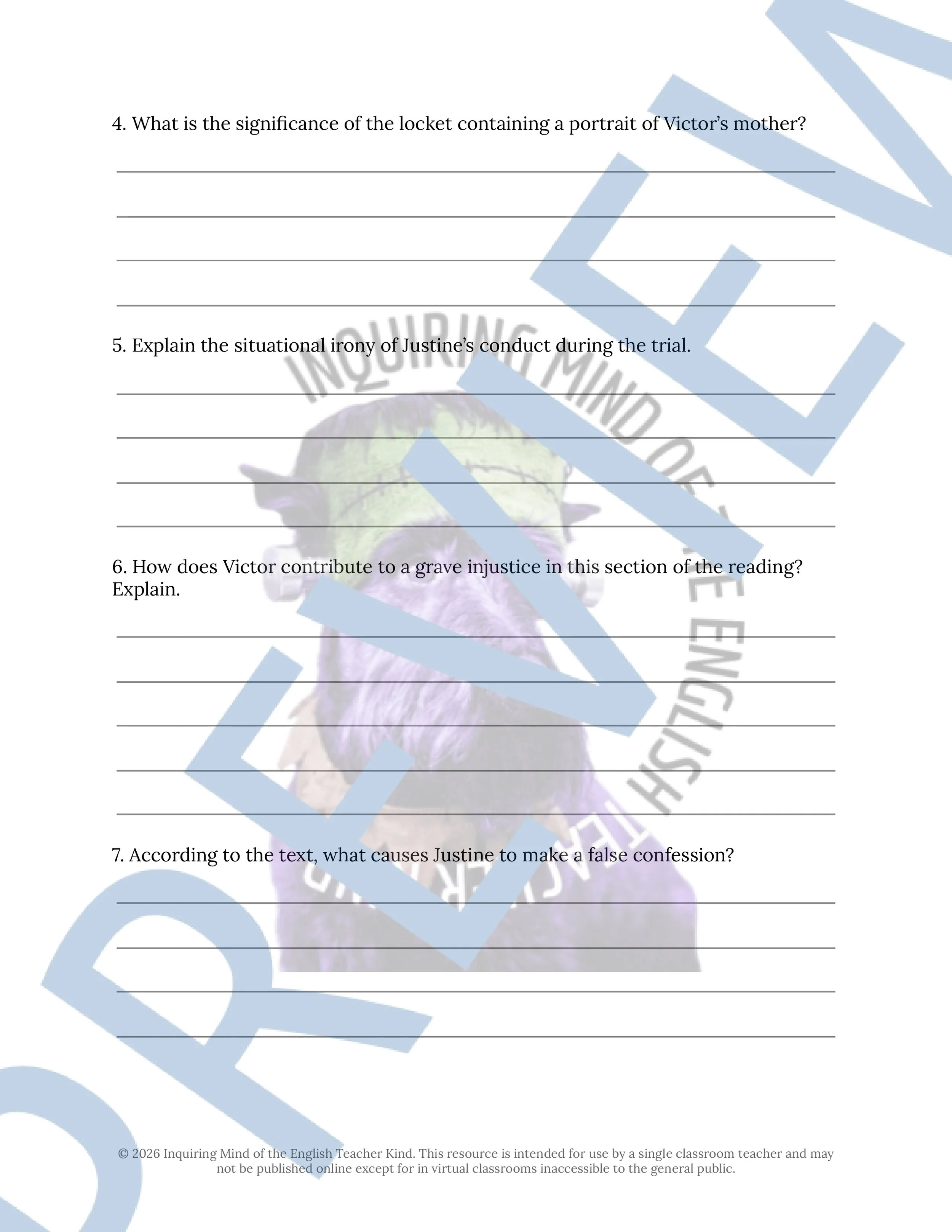
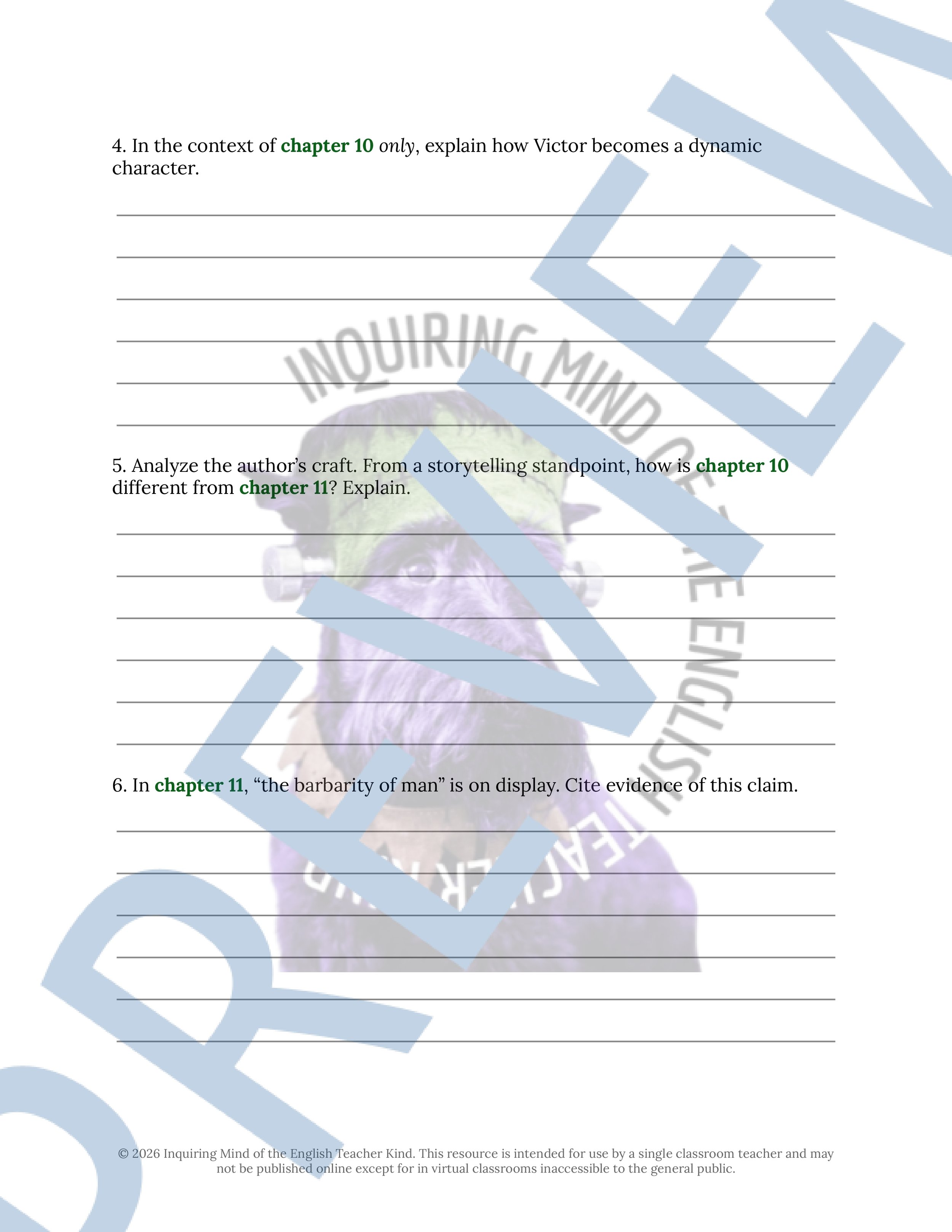
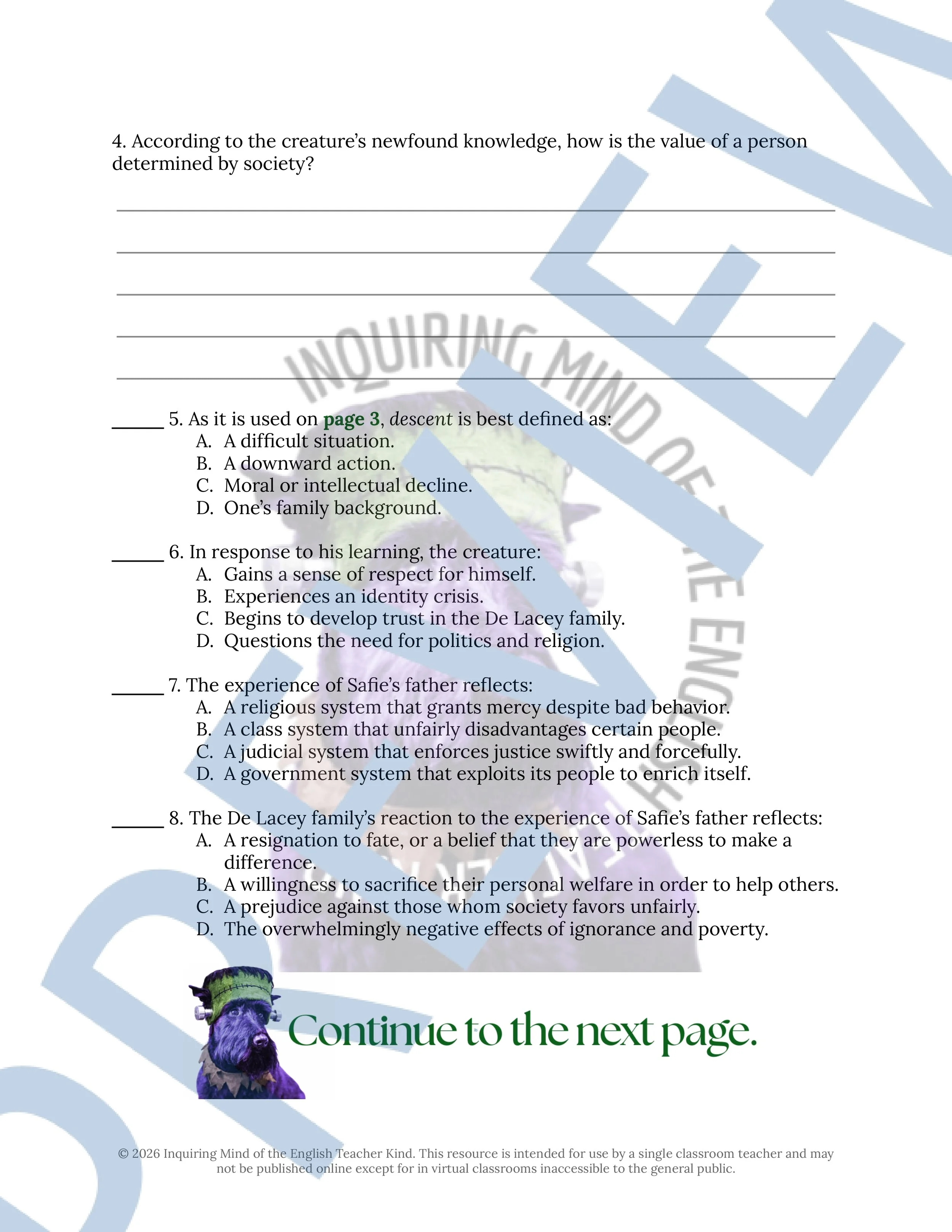
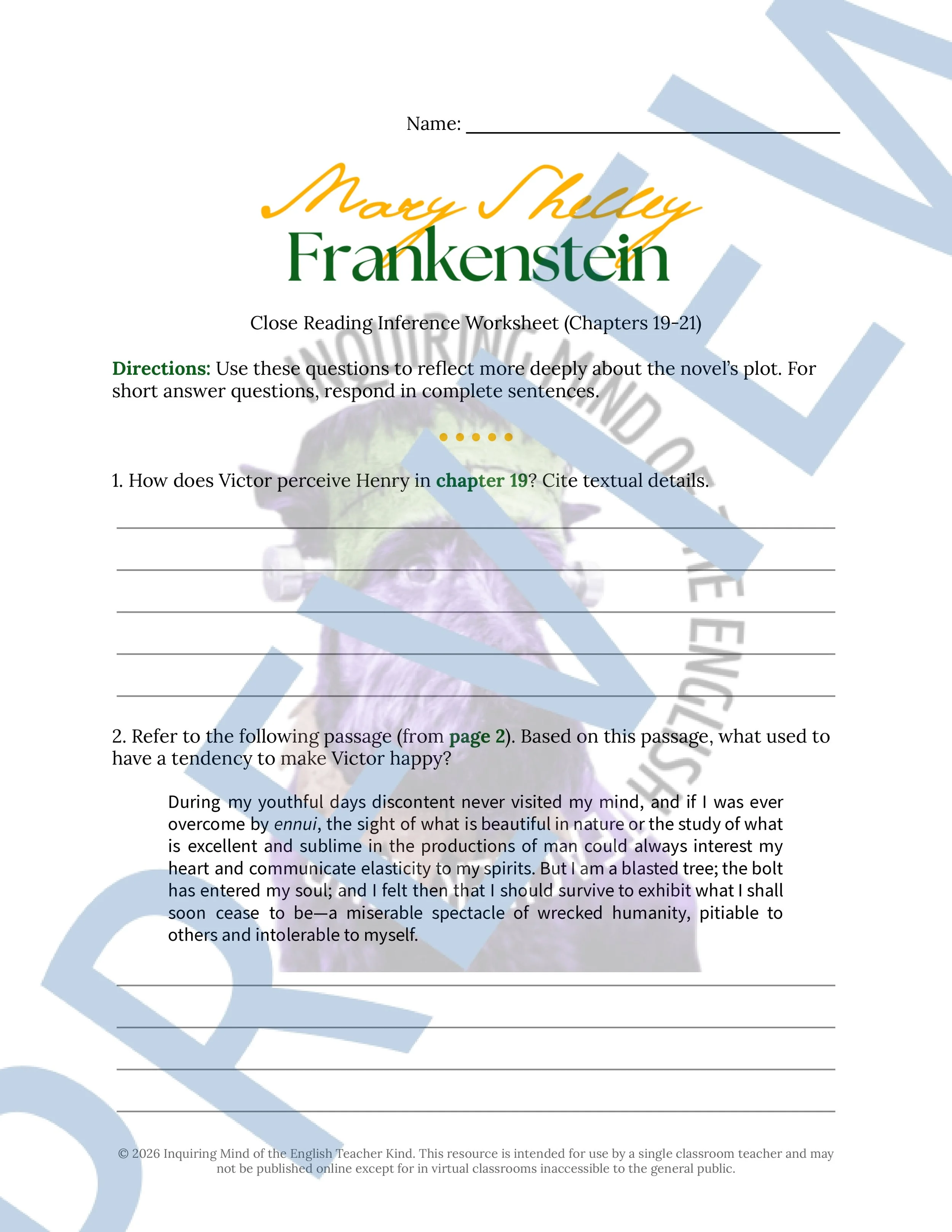
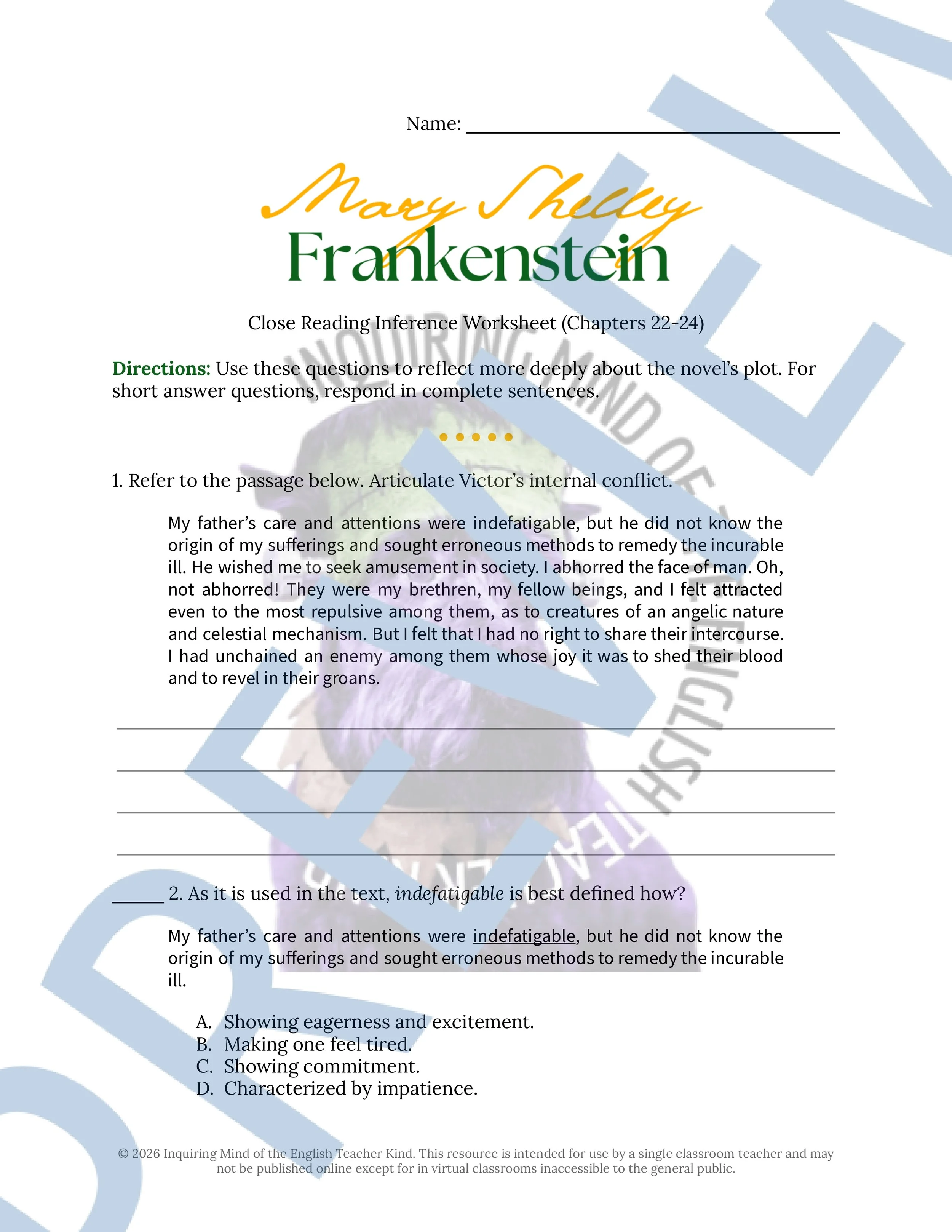
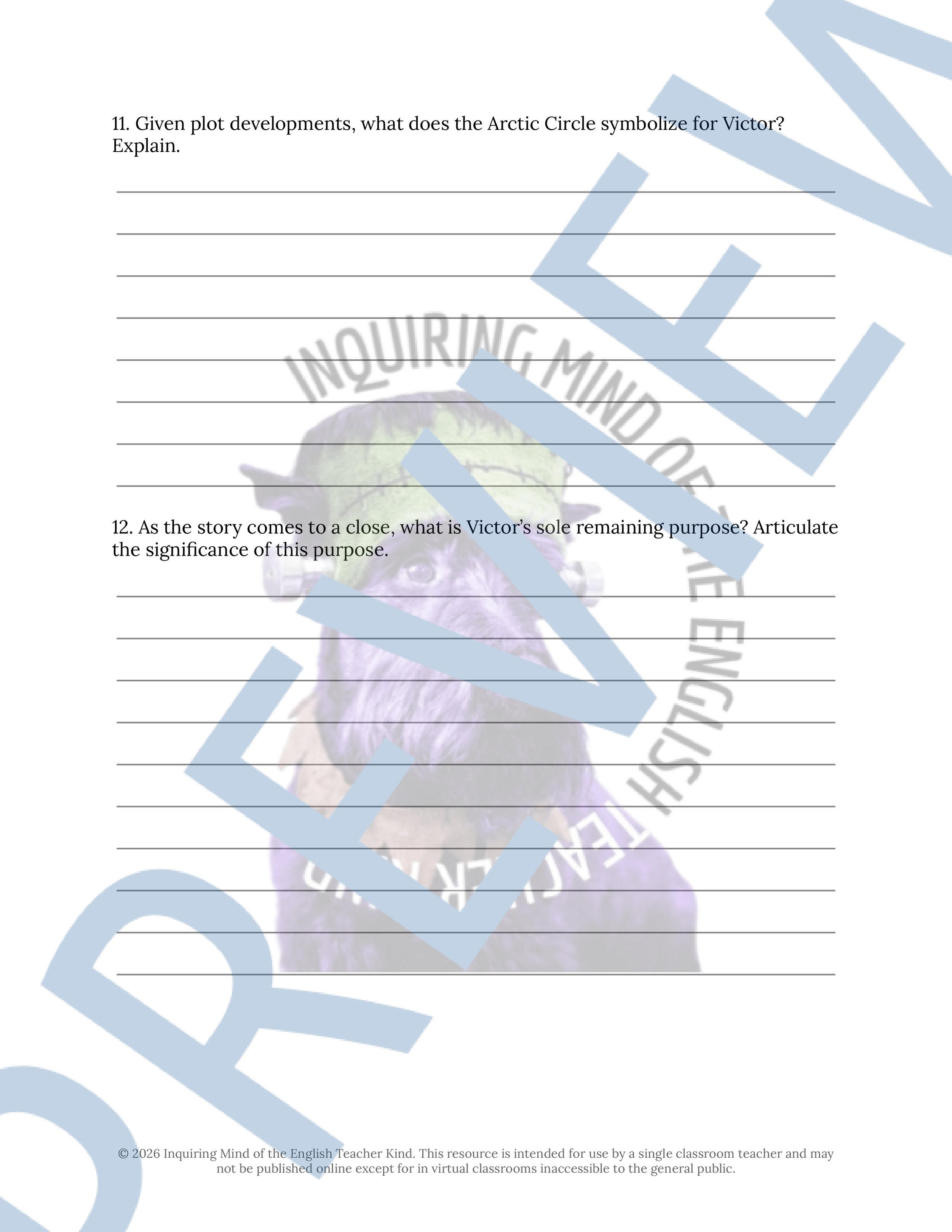
Eliminate assessment planning responsibilities with this comprehensive bundle for teaching Mary Shelley's science fiction novel Frankenstein, or the Modern Prometheus. Included are the following: eight plot-based quizzes, nine close reading analysis worksheets, eight vocabulary application activities, eight crossword puzzles, eight word search games, an end-of-unit test, the public domain novel, and answer keys. Materials are delivered in Word Document and PDF formats. (Alternatively, a Google Drive bundle option is available.) More detailed information follows.
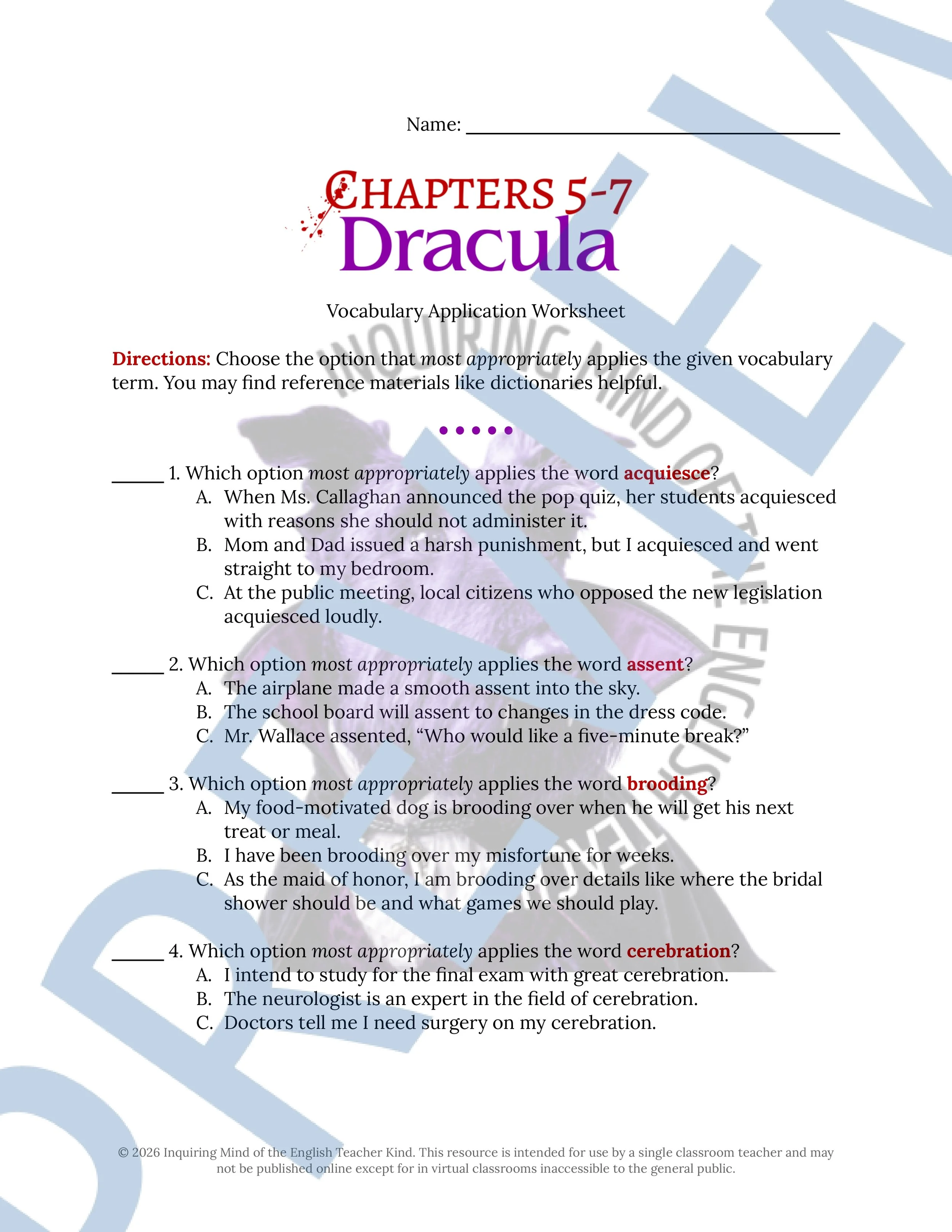
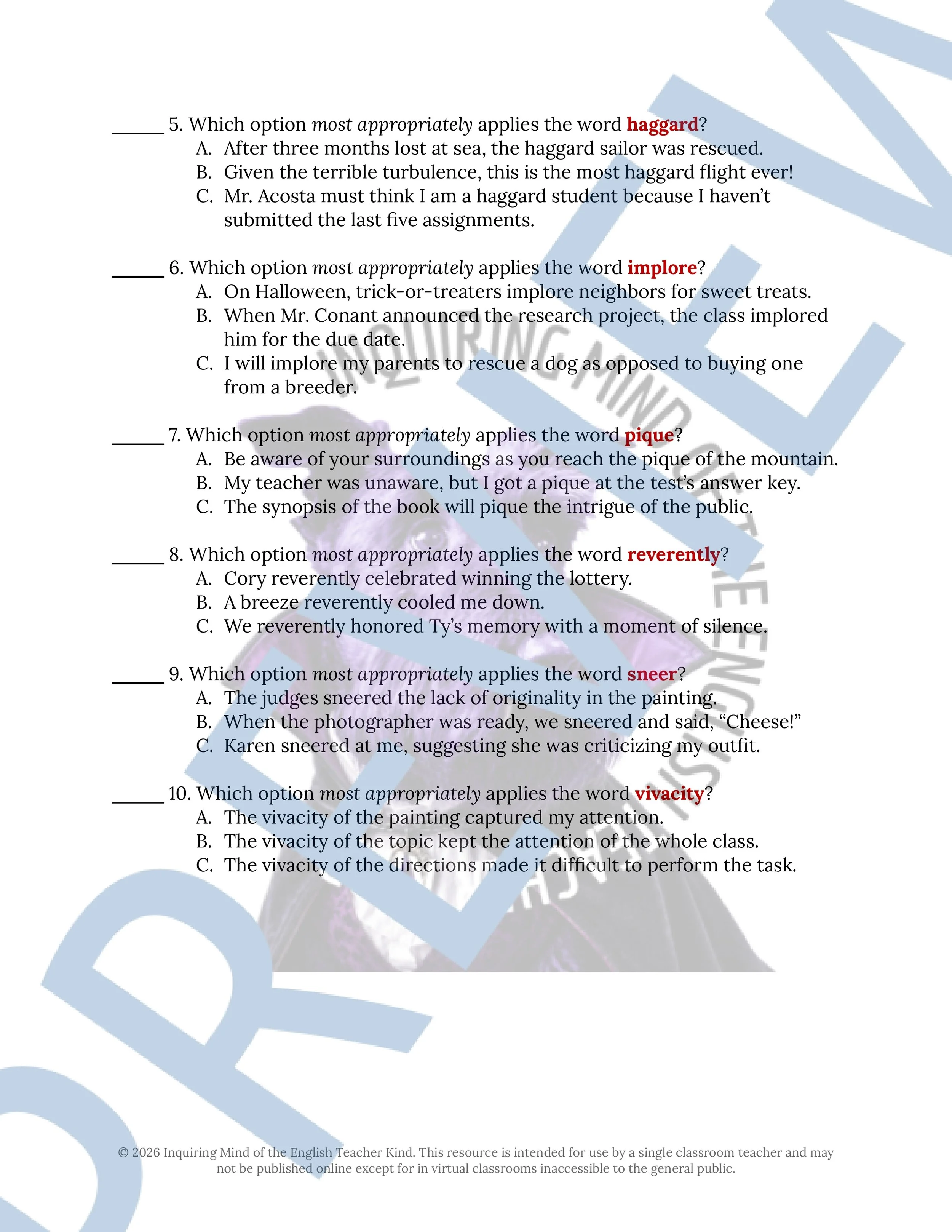
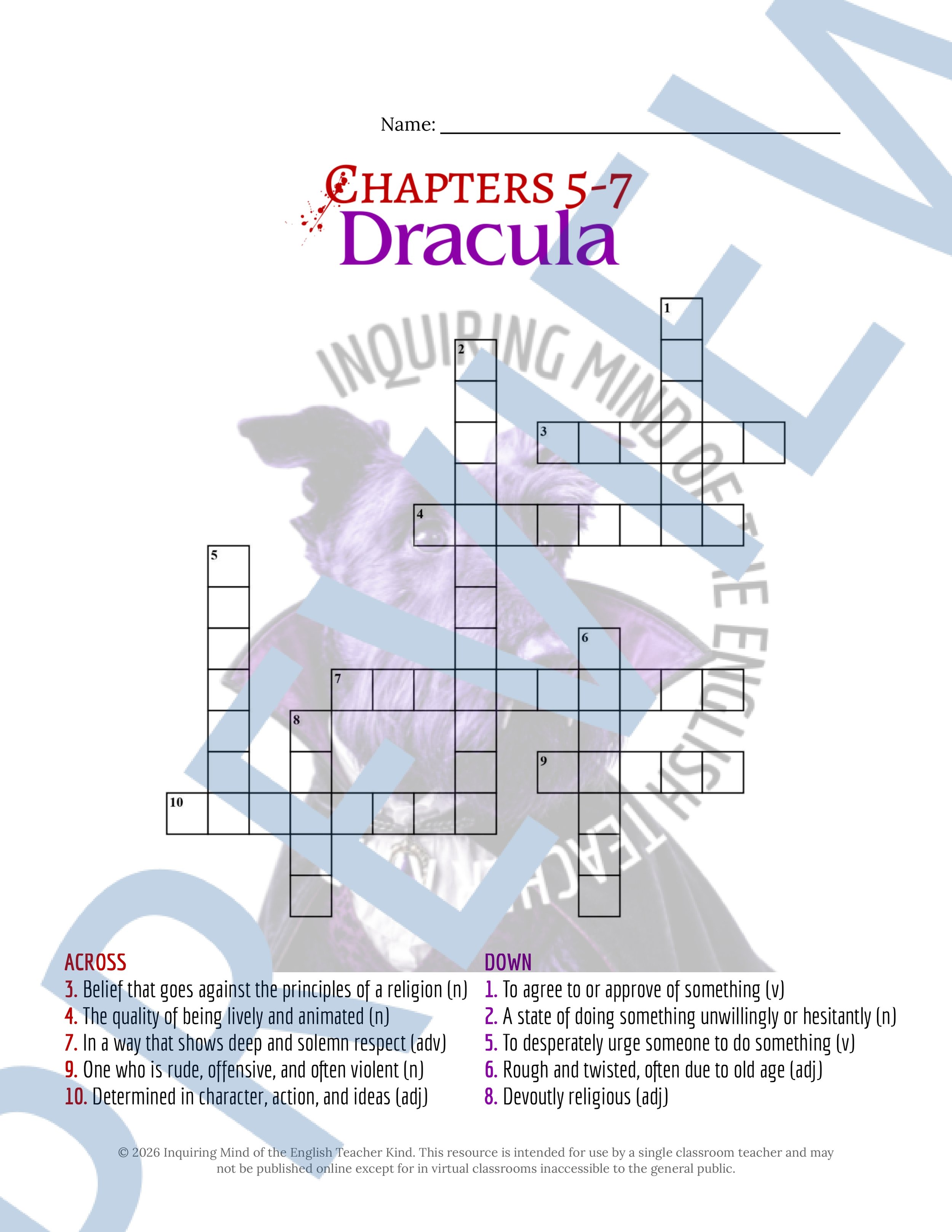
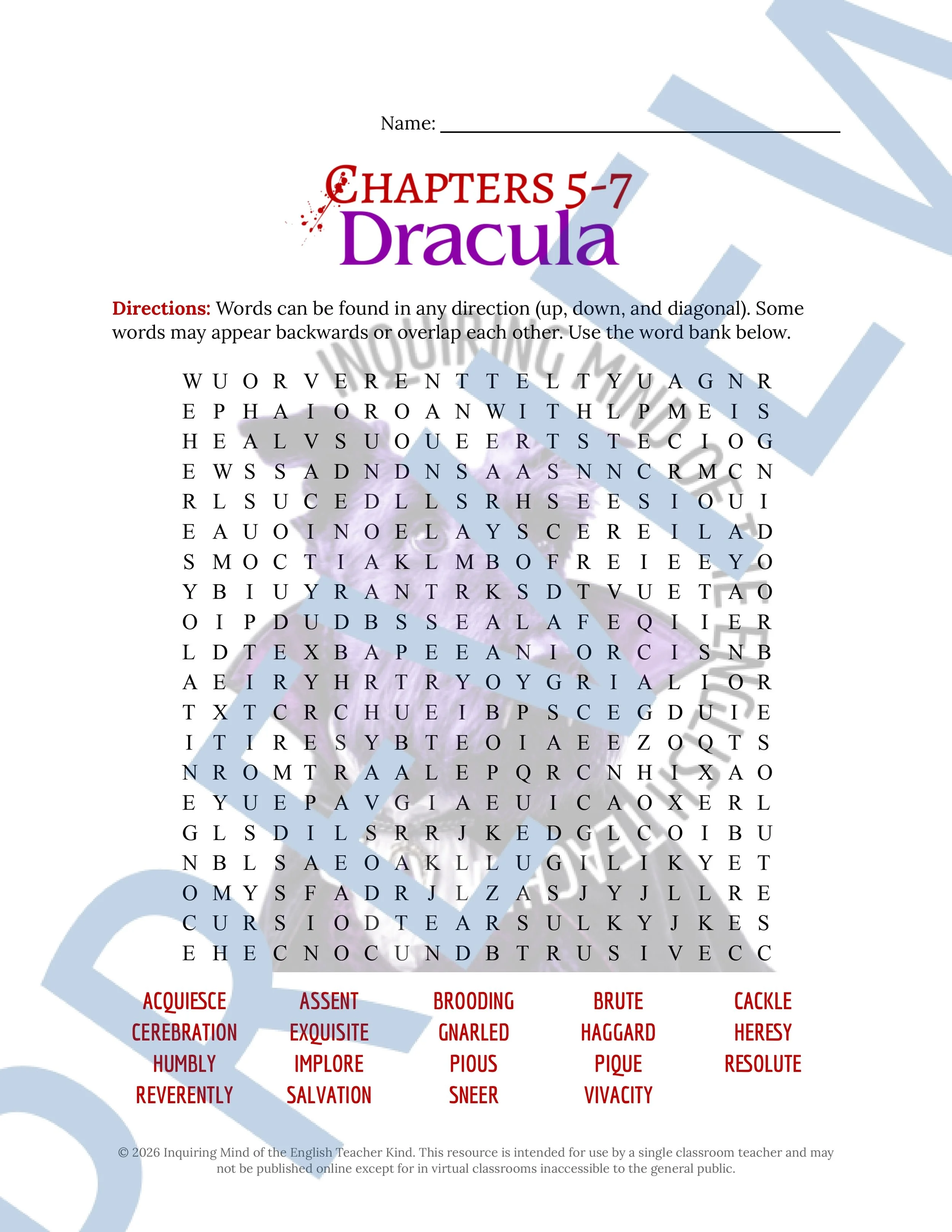
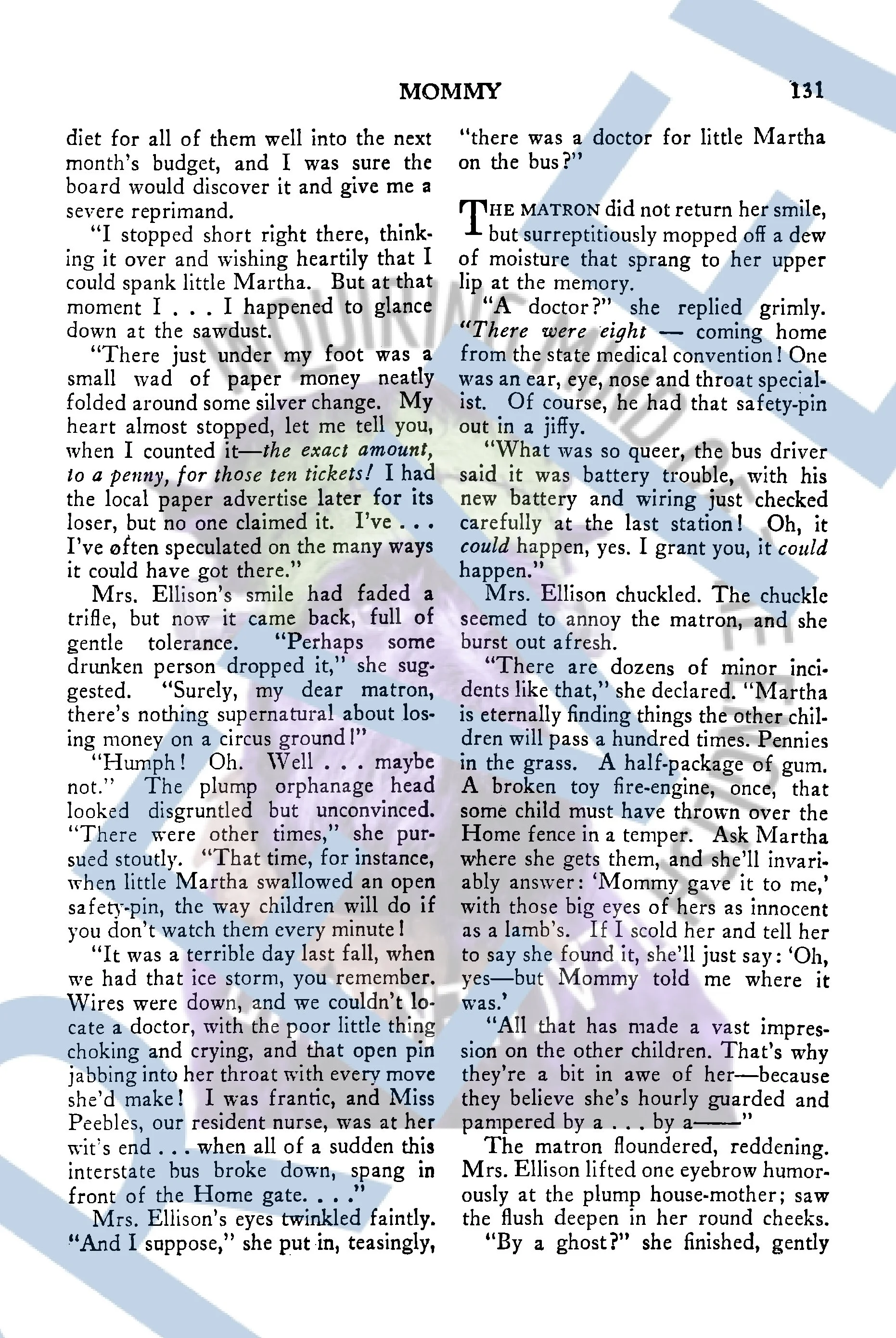
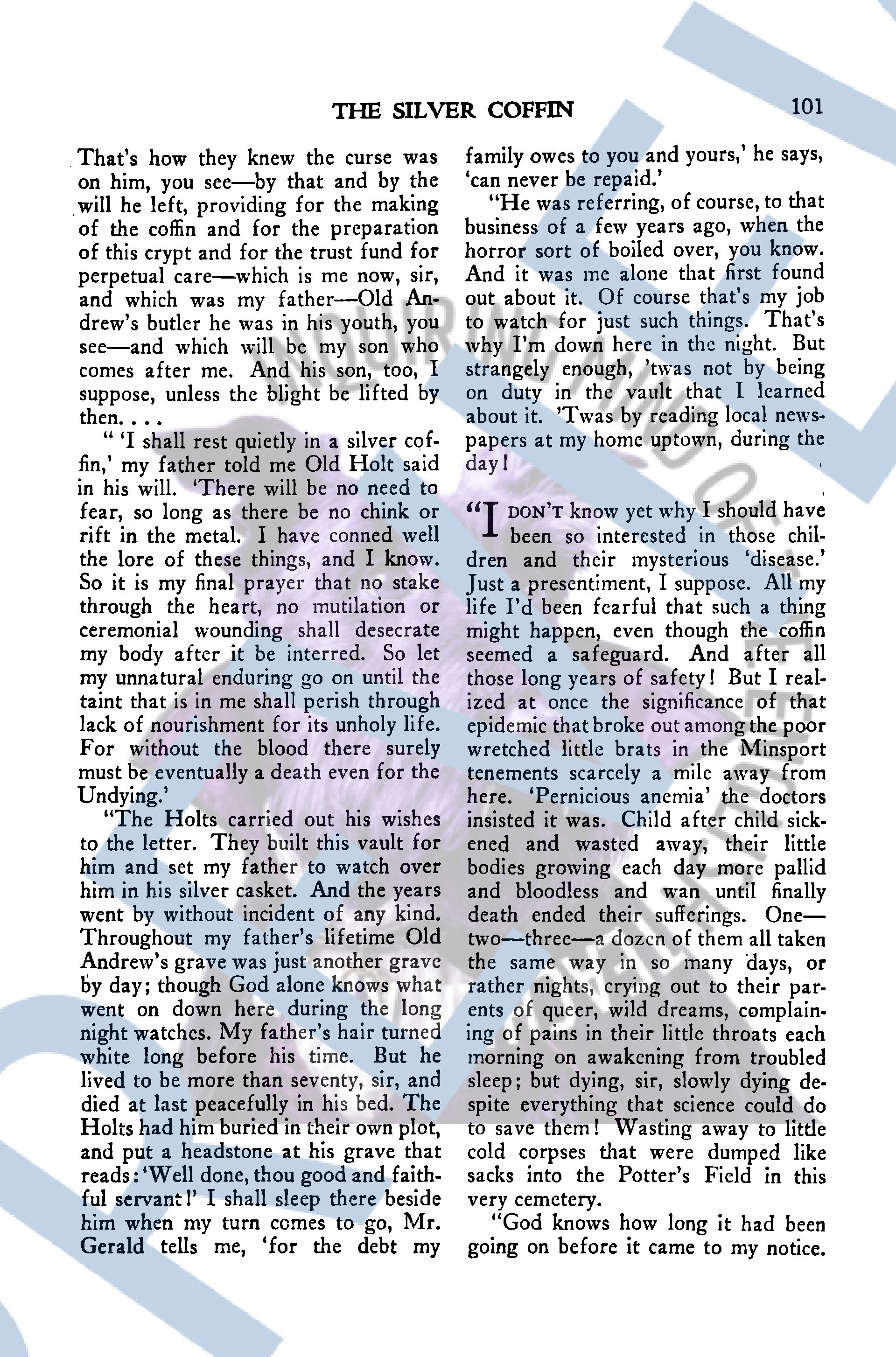
Vocabulary Games and Activities: Frontload assigned readings with vocabulary games and activities to facilitate comprehension of Mary Shelley's science fiction novel Frankenstein, also known as The Modern Prometheus. Alternatively, stash these materials in an emergency sub folder to keep students meaningfully engaged in the book during unexpected teacher absences. By engaging with these materials, students will:
Determine the meaning of unfamiliar and complex words
Consult reference materials in order to learn and verify word meanings
Discern the most proper application of words as they are used in sentences
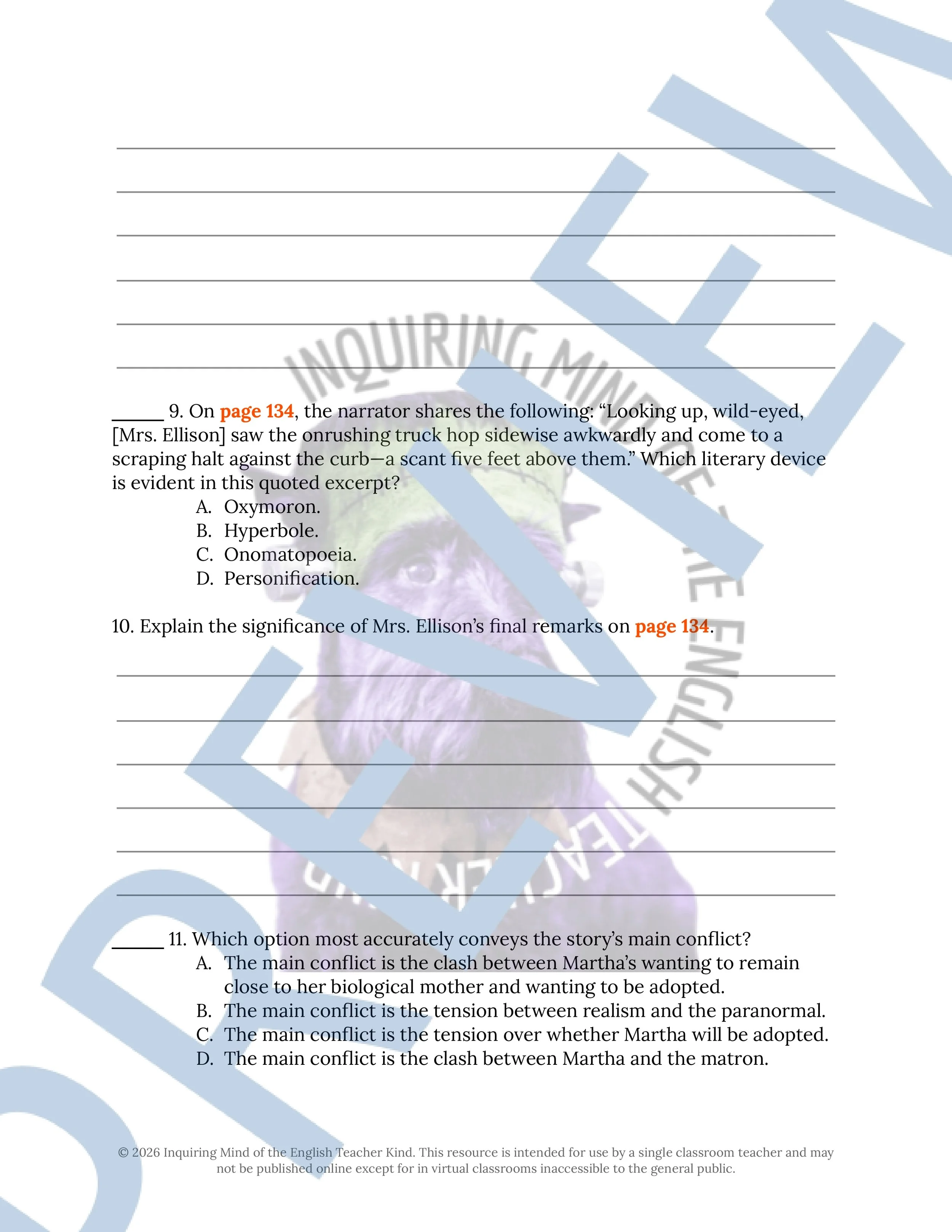
Plot-Based Quizzes: Evaluate general reading comprehension and hold students accountable for completing assigned readings. Alternatively, the quizzes may serve as guided reading handouts to facilitate purposeful engagement with literature. By engaging with these materials, students will:
Demonstrate generalized knowledge of characters
Demonstrate generalized knowledge of settings
Demonstrate generalized knowledge of conflicts
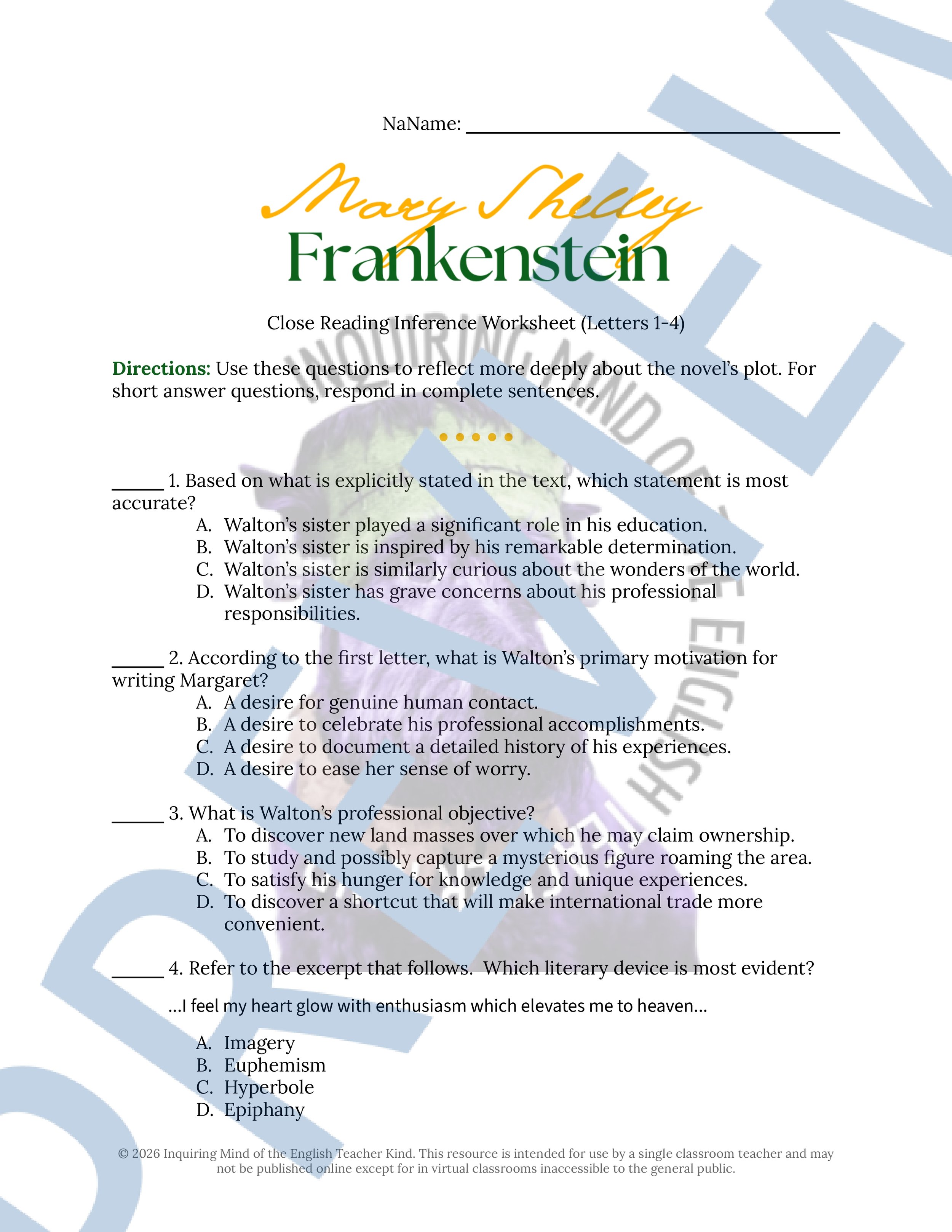
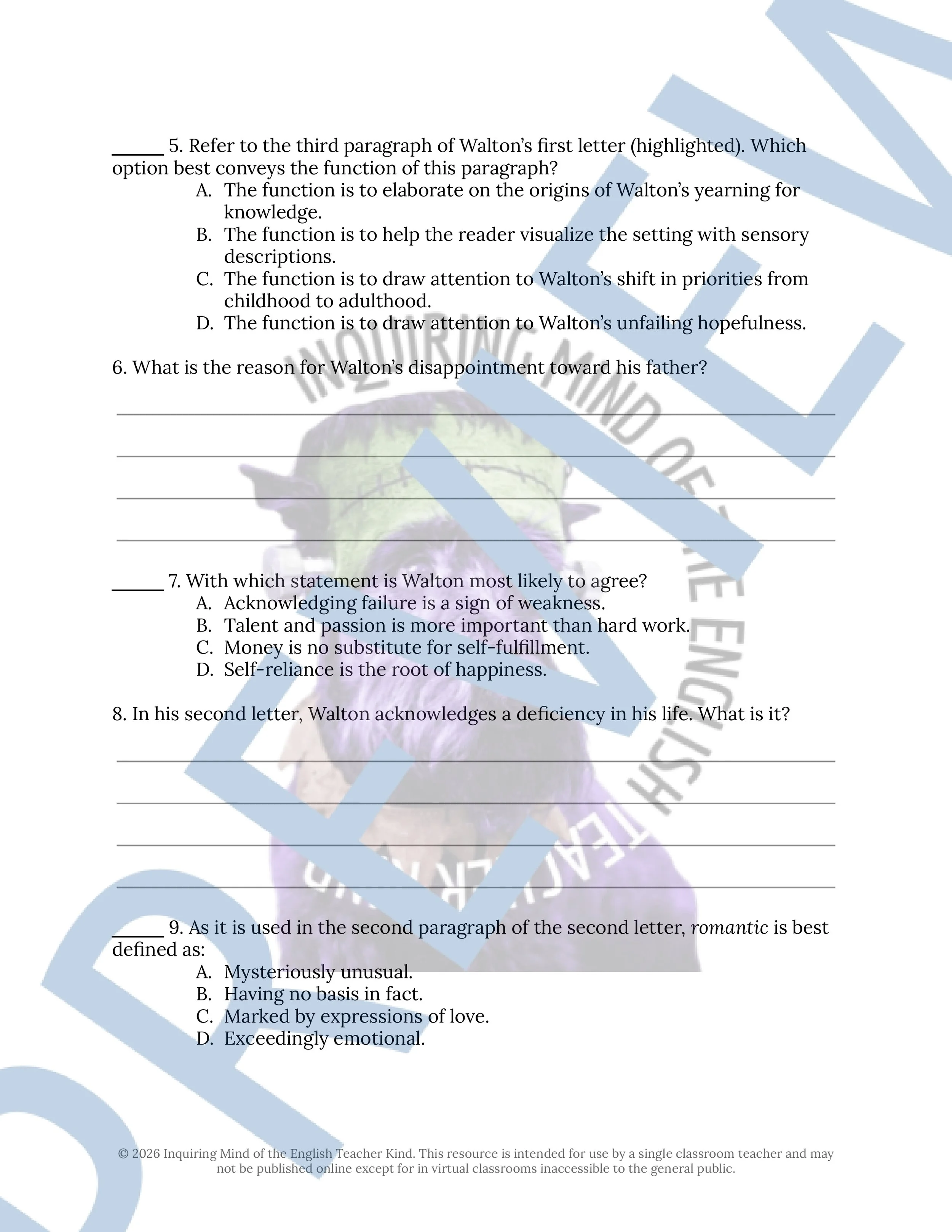
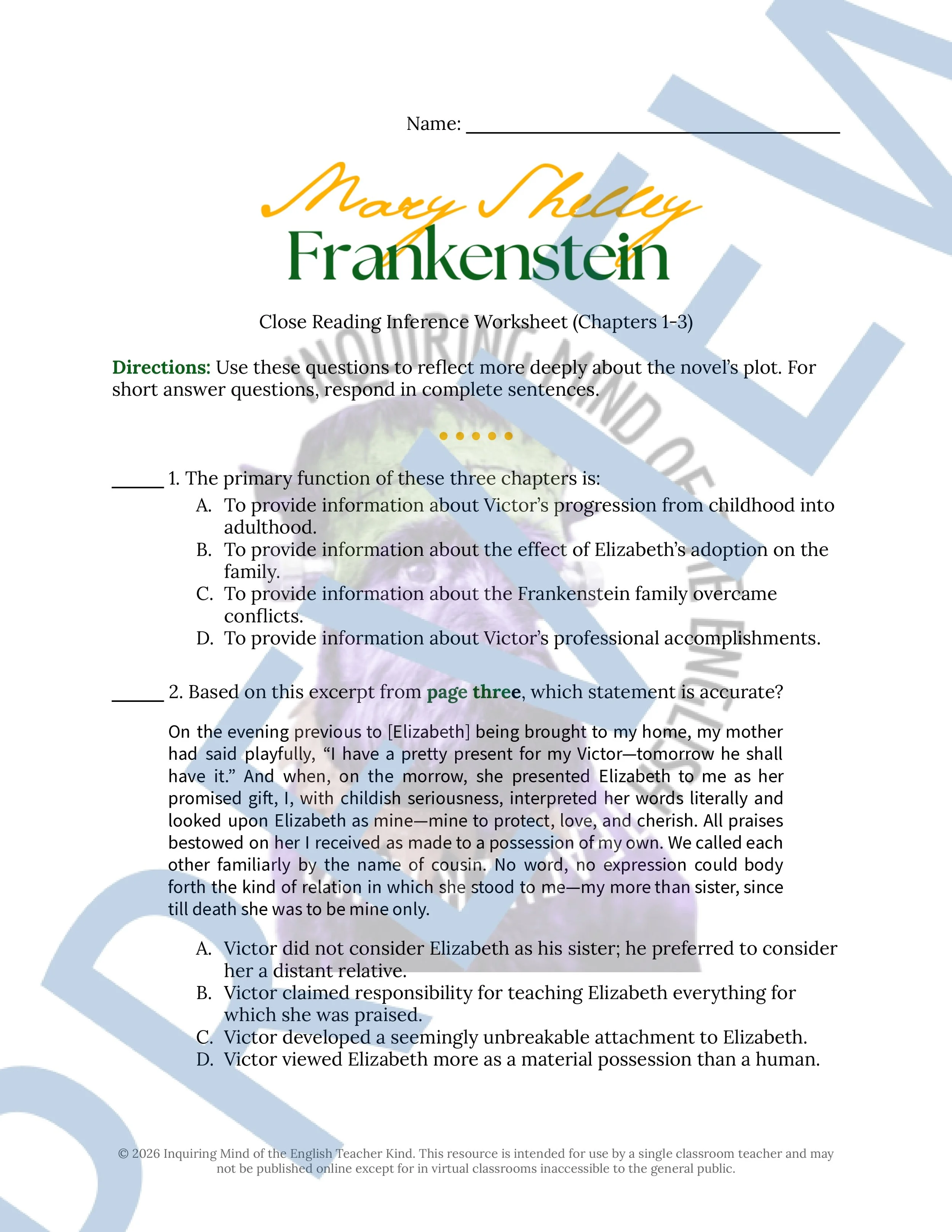
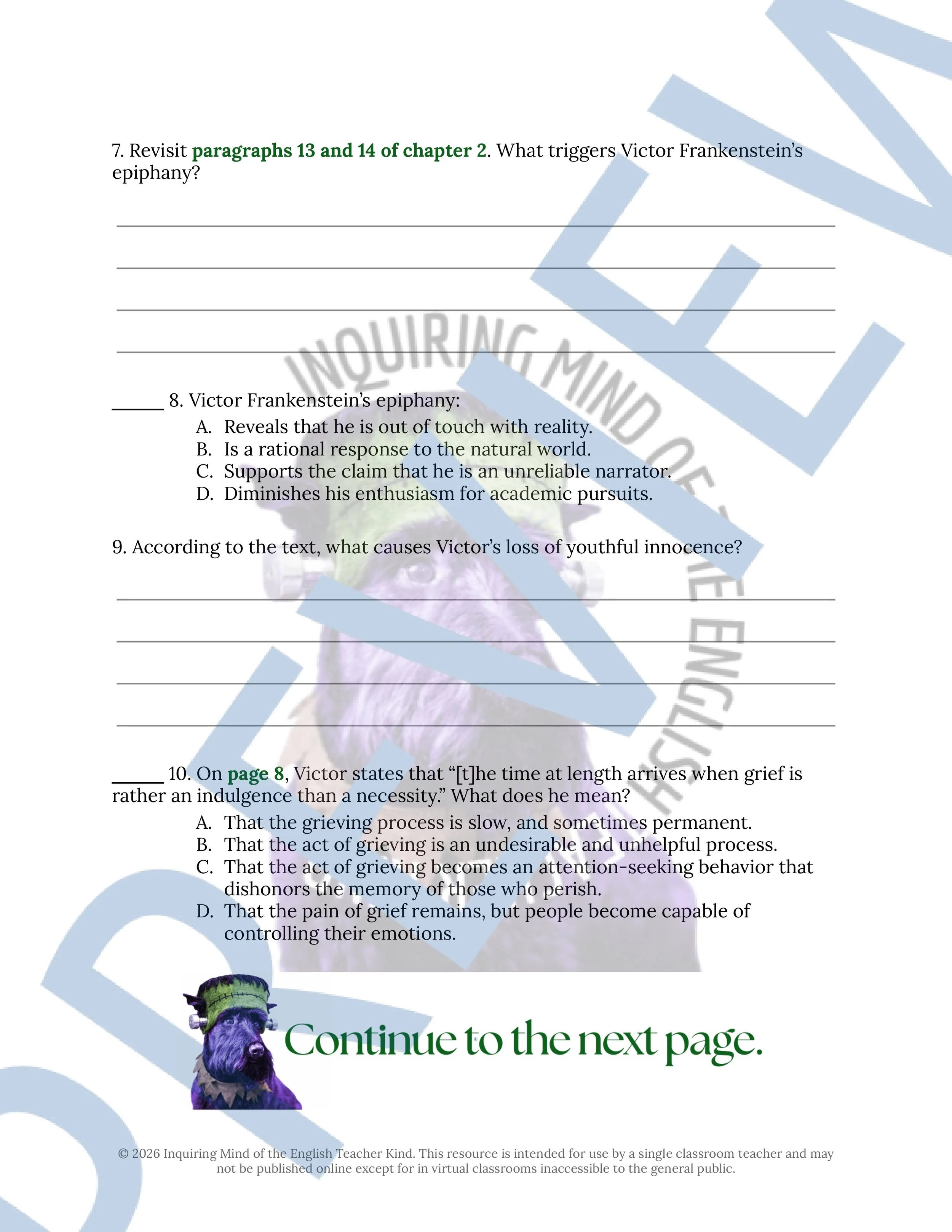
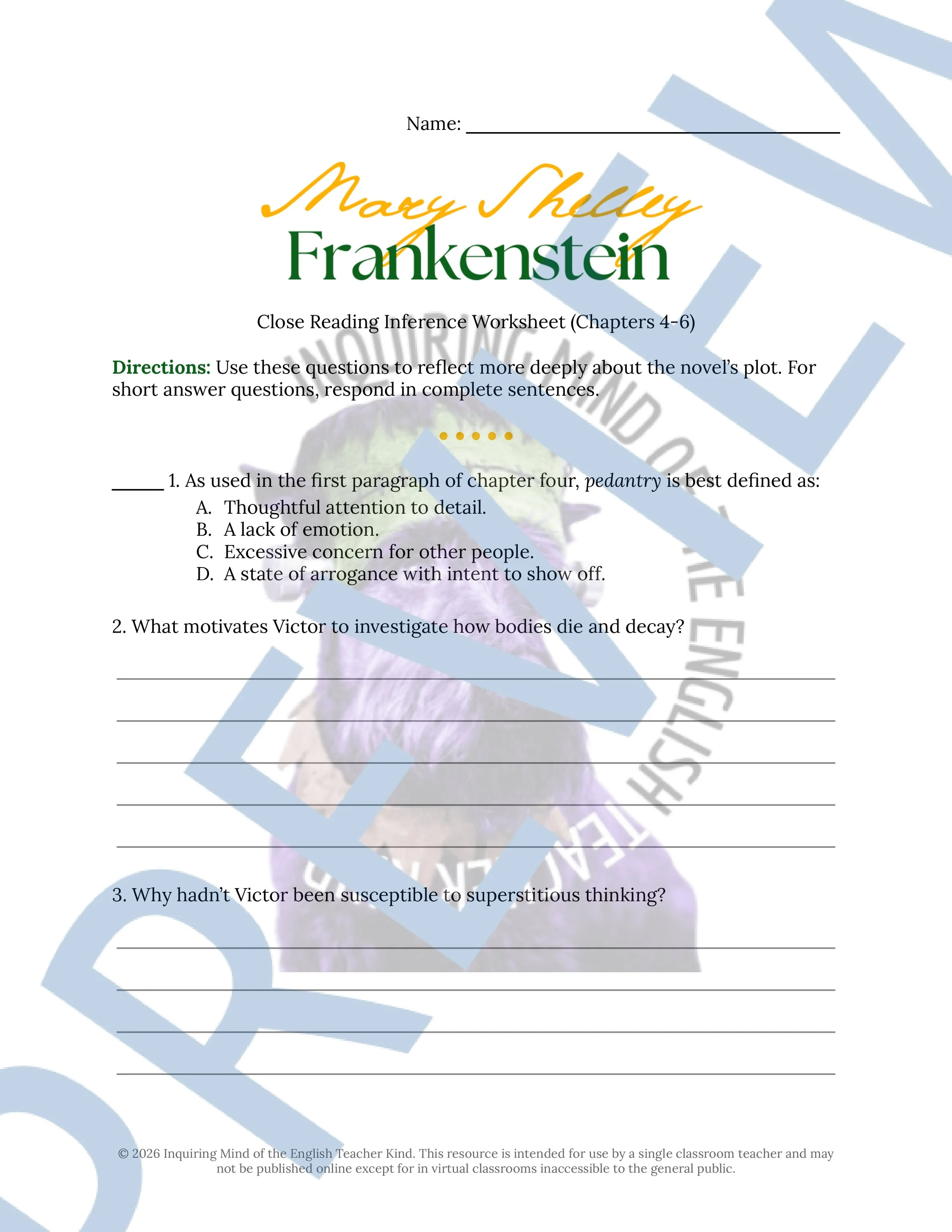
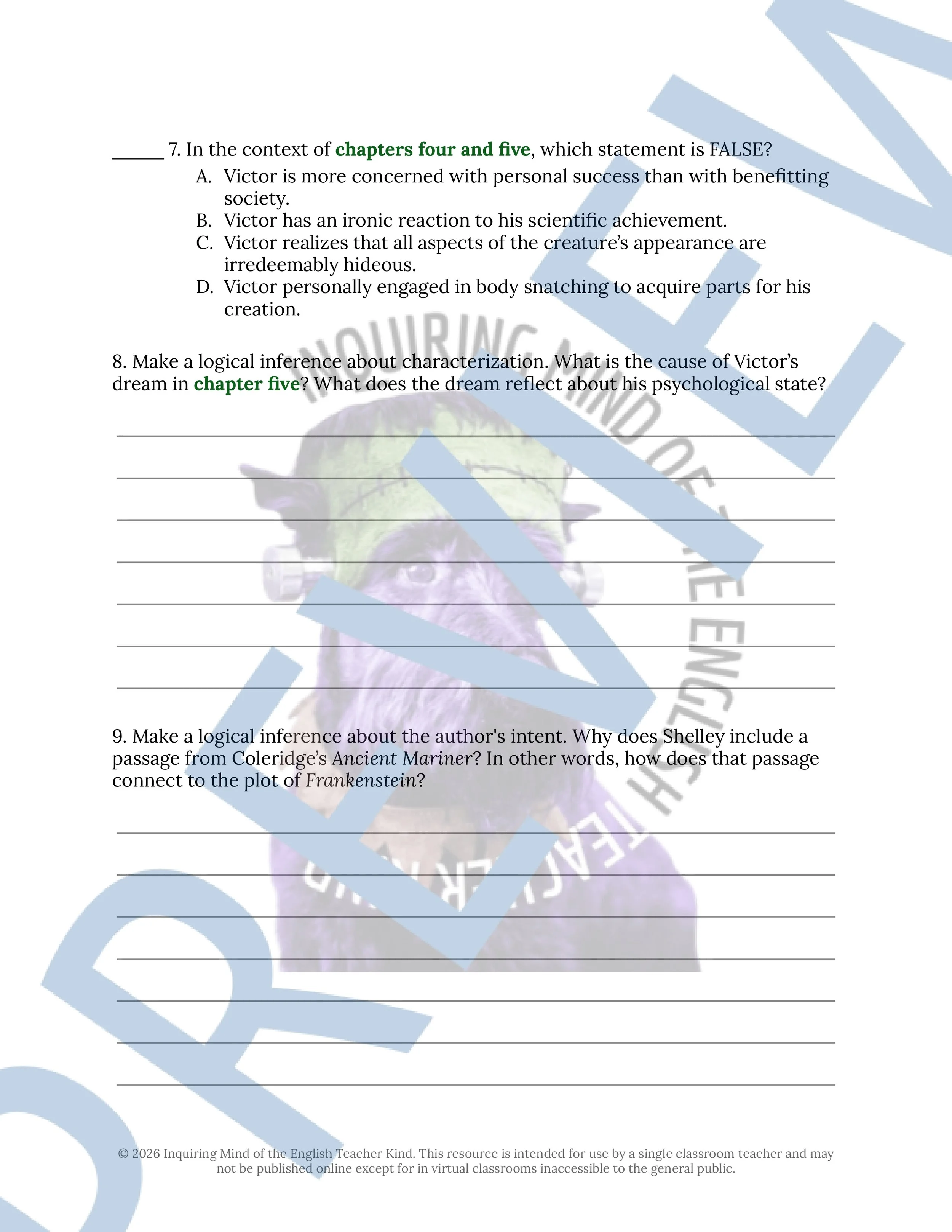
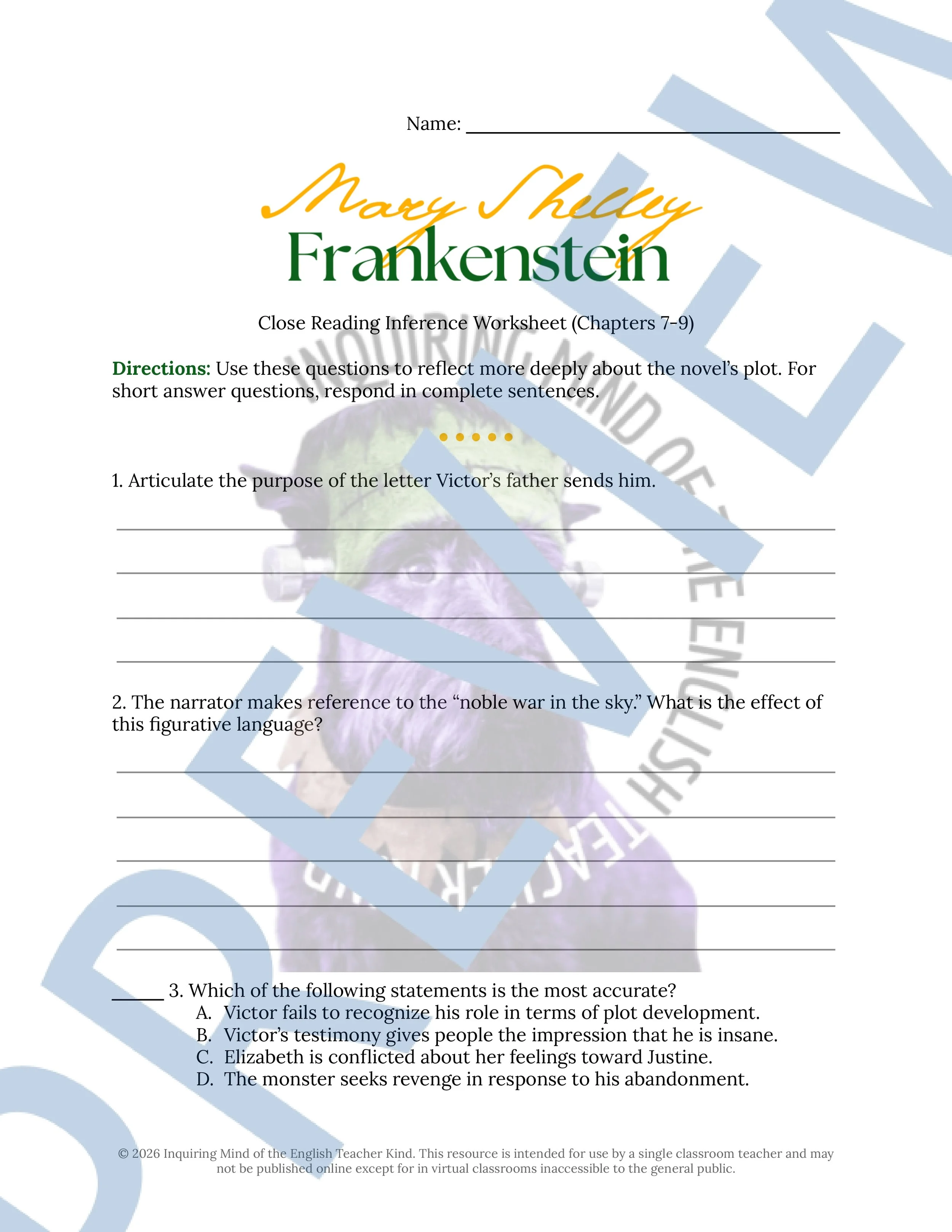
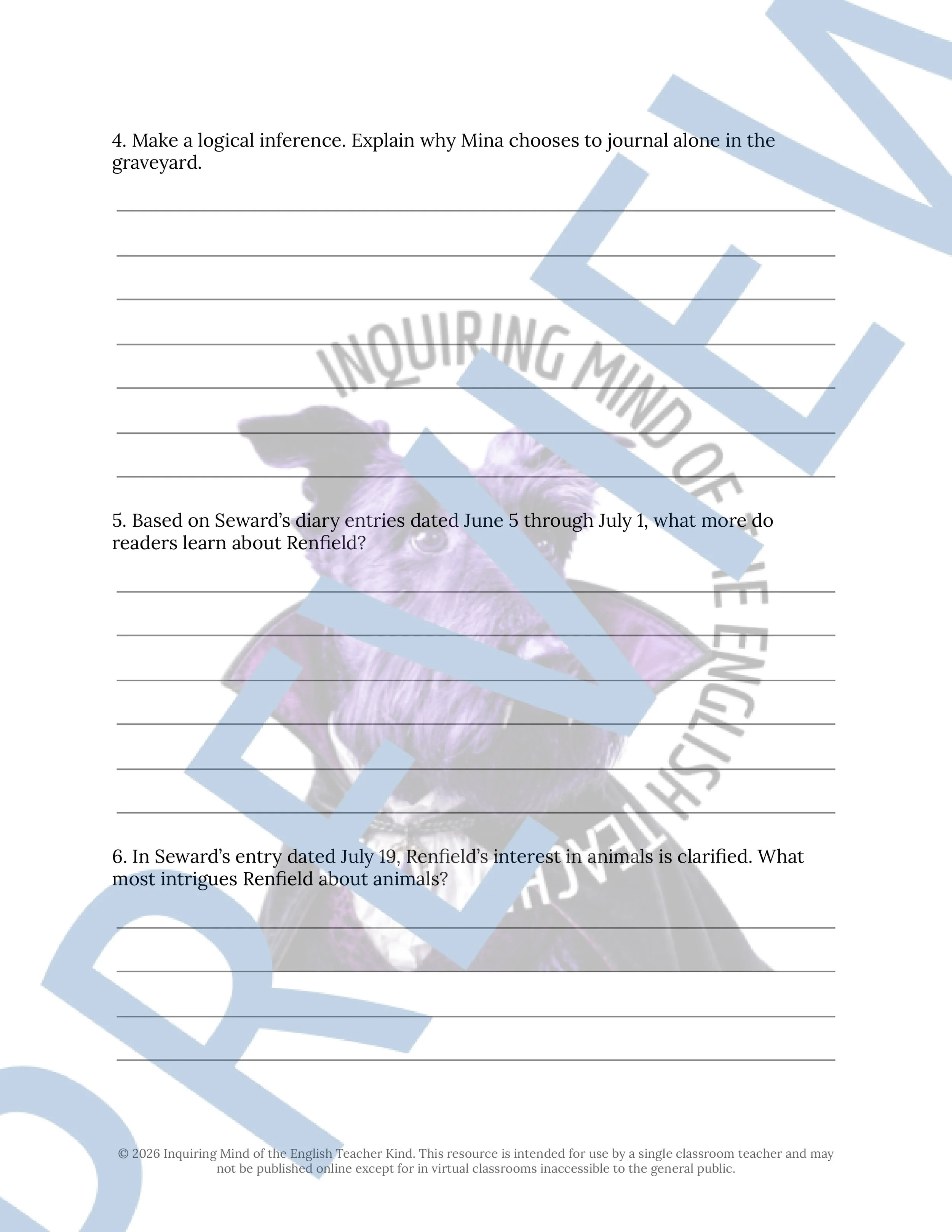
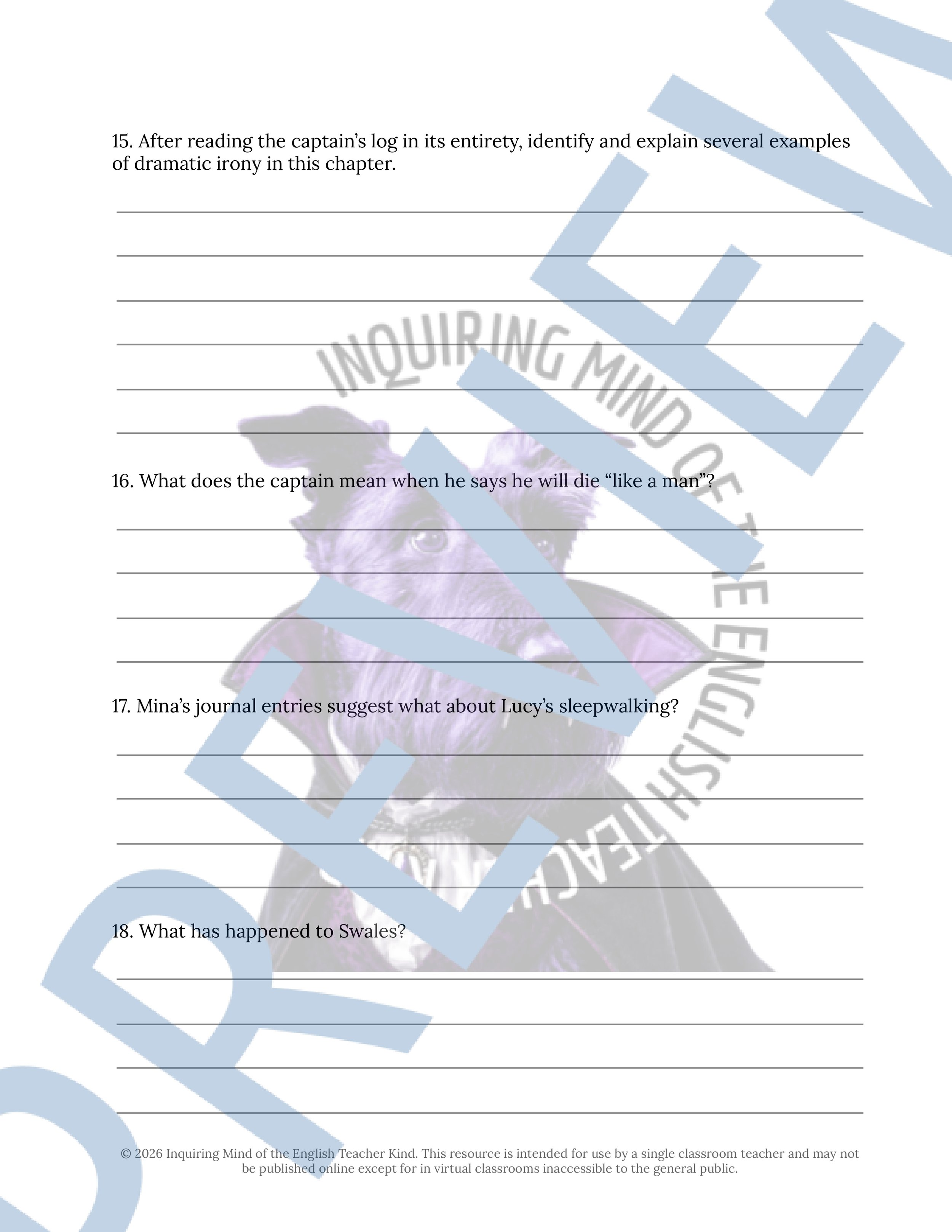
Close Reading Analysis Worksheets: Go beyond general reading comprehension and support the development of close reading analysis skills with this set of rigorous activities. By engaging with these materials, students will:
Identify what the text states explicitly and implicitly
Discern the functions of given excerpts
Consider the greater significance of given details
Describe tone in context
Determine the intended effects of the author's narrative techniques
Examine how complex characters think, behave, interact, and develop
Compare and contrast characters
Explore themes in context with emphasis on "the barbarity of man," the treatment of women, and systemic inequities
Apply knowledge of literary devices including allusion, dramatic irony, foreshadowing, metaphor, simile, situational irony, symbolism, and more
Make logical predictions about plot in context
Support claims and inferences with sound reasoning and relevant evidence
Write about literature with clarity, accuracy, and precision
Summative Test: Conclude a unit on Mary Shelley's Frankenstein with this end-of-unit assessment, which includes a Common Core-aligned rubric for evaluating essay writing. In addition to applying knowledge of characters, settings, conflicts, and literary devices, students will respond to the following prompt:
Alienation from society is a subject Mary Shelley addresses in the novel Frankenstein. What textual details develop and maintain an alienated tone throughout the novel? Focus on the characters of Victor and his creation specifically, though other characters may be referenced. You may also consider how the author uses language to achieve tone.
This bundle may facilitate small-group discussions in which students decode language and pose/respond to questions relating to plot, broad topics, and character development. Using this resource for structured guidance, students will improve their ability to present information, conclusions, and supporting textual evidence clearly and convincingly.
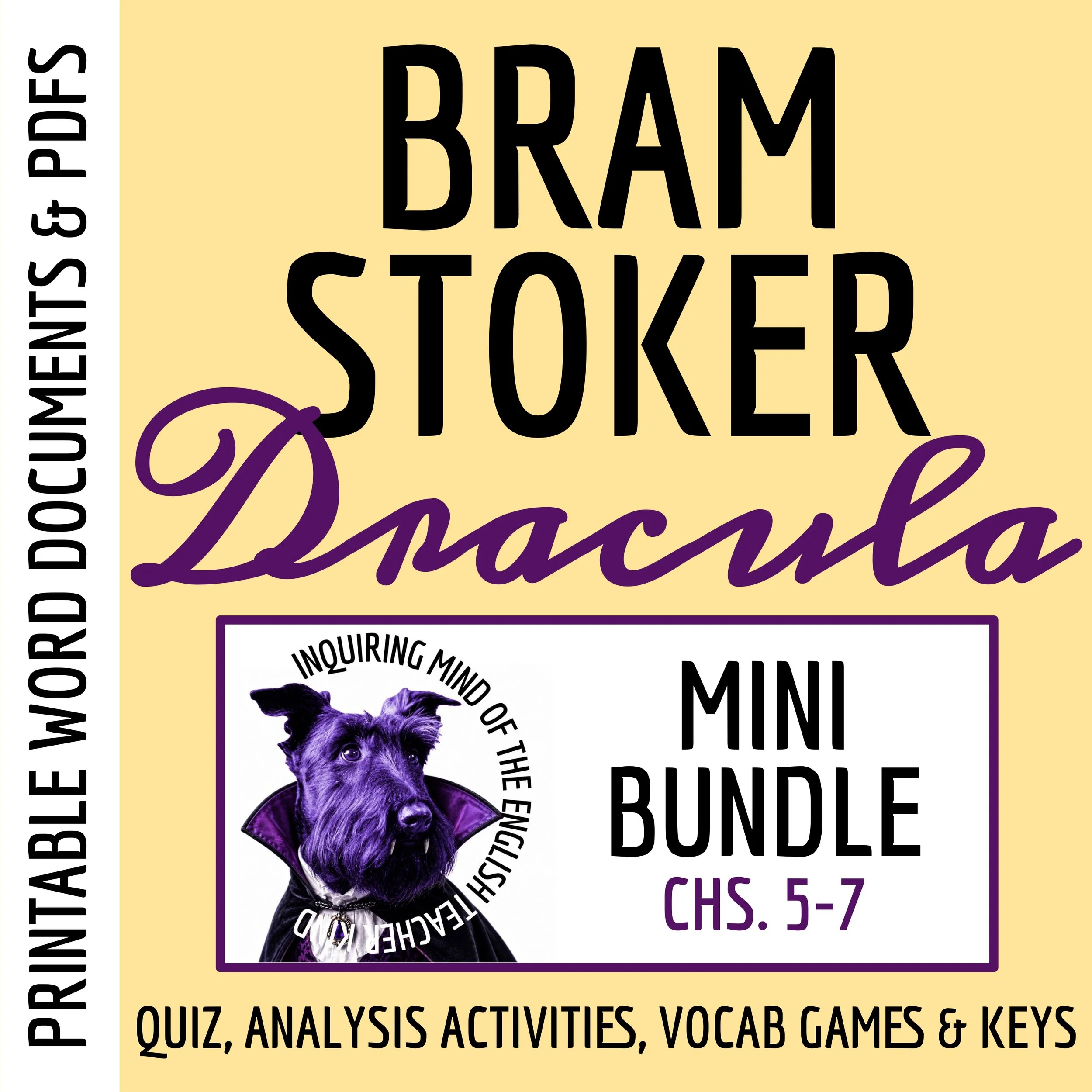
Resources are available for a variety of science fiction novels and short stories:
Eliminate assessment planning responsibilities with this comprehensive bundle for teaching Mary Shelley's science fiction novel Frankenstein, or the Modern Prometheus. Included are the following: eight plot-based quizzes, nine close reading analysis worksheets, eight vocabulary application activities, eight crossword puzzles, eight word search games, an end-of-unit test, the public domain novel, and answer keys. Materials are delivered in Word Document and PDF formats. (Alternatively, a Google Drive bundle option is available.) More detailed information follows.
Vocabulary Games and Activities: Frontload assigned readings with vocabulary games and activities to facilitate comprehension of Mary Shelley's science fiction novel Frankenstein, also known as The Modern Prometheus. Alternatively, stash these materials in an emergency sub folder to keep students meaningfully engaged in the book during unexpected teacher absences. By engaging with these materials, students will:
Determine the meaning of unfamiliar and complex words
Consult reference materials in order to learn and verify word meanings
Discern the most proper application of words as they are used in sentences
Plot-Based Quizzes: Evaluate general reading comprehension and hold students accountable for completing assigned readings. Alternatively, the quizzes may serve as guided reading handouts to facilitate purposeful engagement with literature. By engaging with these materials, students will:
Demonstrate generalized knowledge of characters
Demonstrate generalized knowledge of settings
Demonstrate generalized knowledge of conflicts
Close Reading Analysis Worksheets: Go beyond general reading comprehension and support the development of close reading analysis skills with this set of rigorous activities. By engaging with these materials, students will:
Identify what the text states explicitly and implicitly
Discern the functions of given excerpts
Consider the greater significance of given details
Describe tone in context
Determine the intended effects of the author's narrative techniques
Examine how complex characters think, behave, interact, and develop
Compare and contrast characters
Explore themes in context with emphasis on "the barbarity of man," the treatment of women, and systemic inequities
Apply knowledge of literary devices including allusion, dramatic irony, foreshadowing, metaphor, simile, situational irony, symbolism, and more
Make logical predictions about plot in context
Support claims and inferences with sound reasoning and relevant evidence
Write about literature with clarity, accuracy, and precision
Summative Test: Conclude a unit on Mary Shelley's Frankenstein with this end-of-unit assessment, which includes a Common Core-aligned rubric for evaluating essay writing. In addition to applying knowledge of characters, settings, conflicts, and literary devices, students will respond to the following prompt:
Alienation from society is a subject Mary Shelley addresses in the novel Frankenstein. What textual details develop and maintain an alienated tone throughout the novel? Focus on the characters of Victor and his creation specifically, though other characters may be referenced. You may also consider how the author uses language to achieve tone.
This bundle may facilitate small-group discussions in which students decode language and pose/respond to questions relating to plot, broad topics, and character development. Using this resource for structured guidance, students will improve their ability to present information, conclusions, and supporting textual evidence clearly and convincingly.
Resources are available for a variety of science fiction novels and short stories:

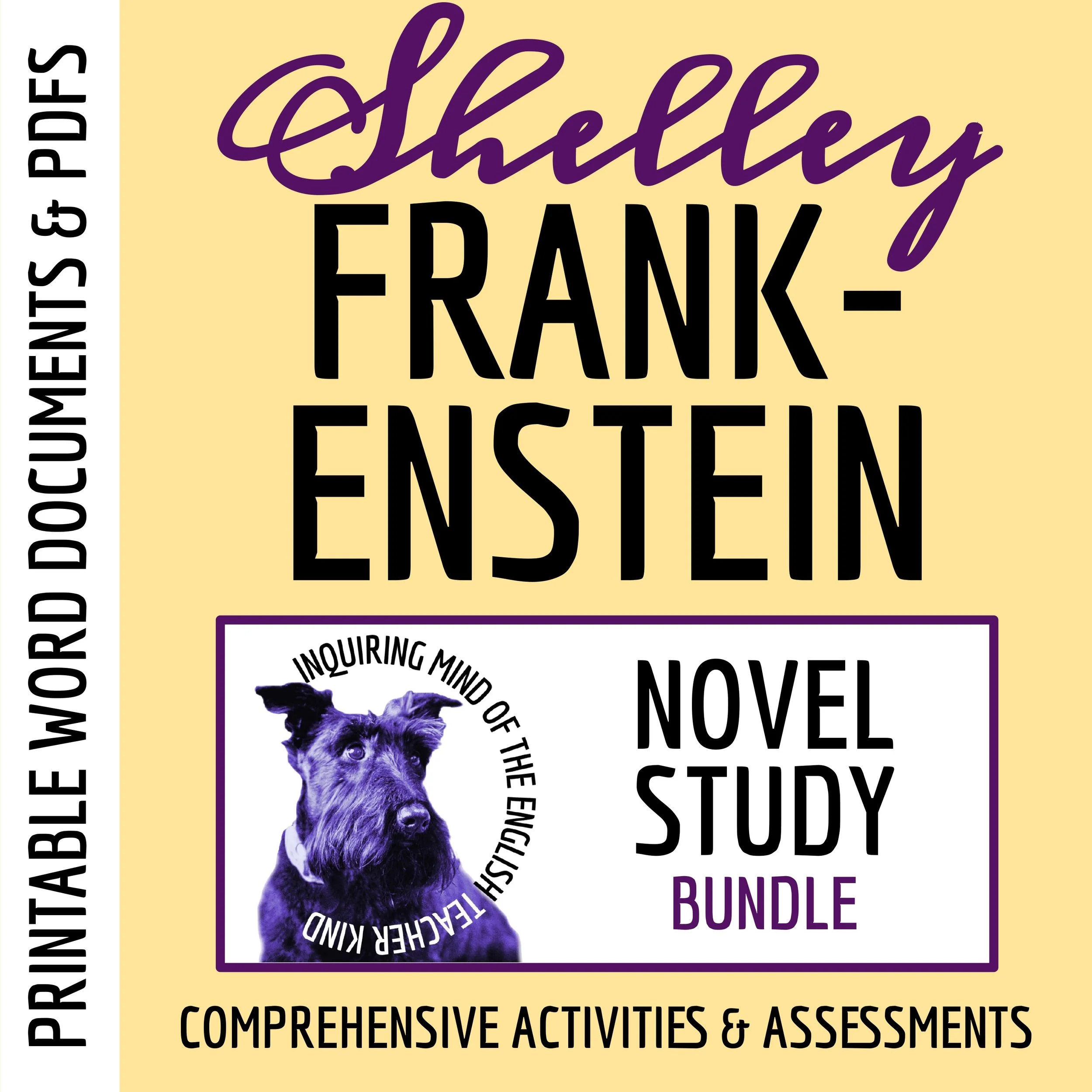 Image 1 of 100
 Image 2 of 100
 Image 3 of 100
 Image 4 of 100
 Image 5 of 100
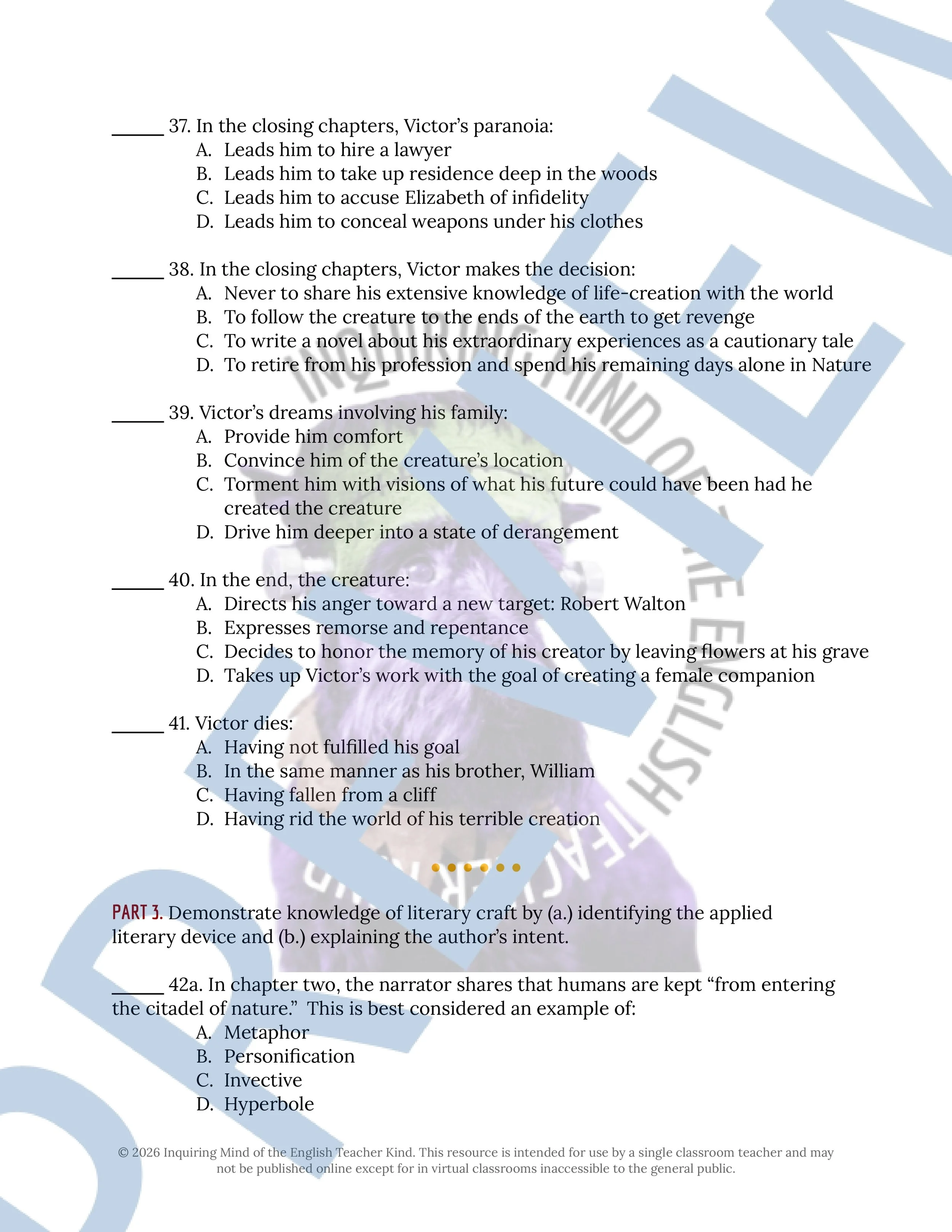 Image 6 of 100
 Image 7 of 100
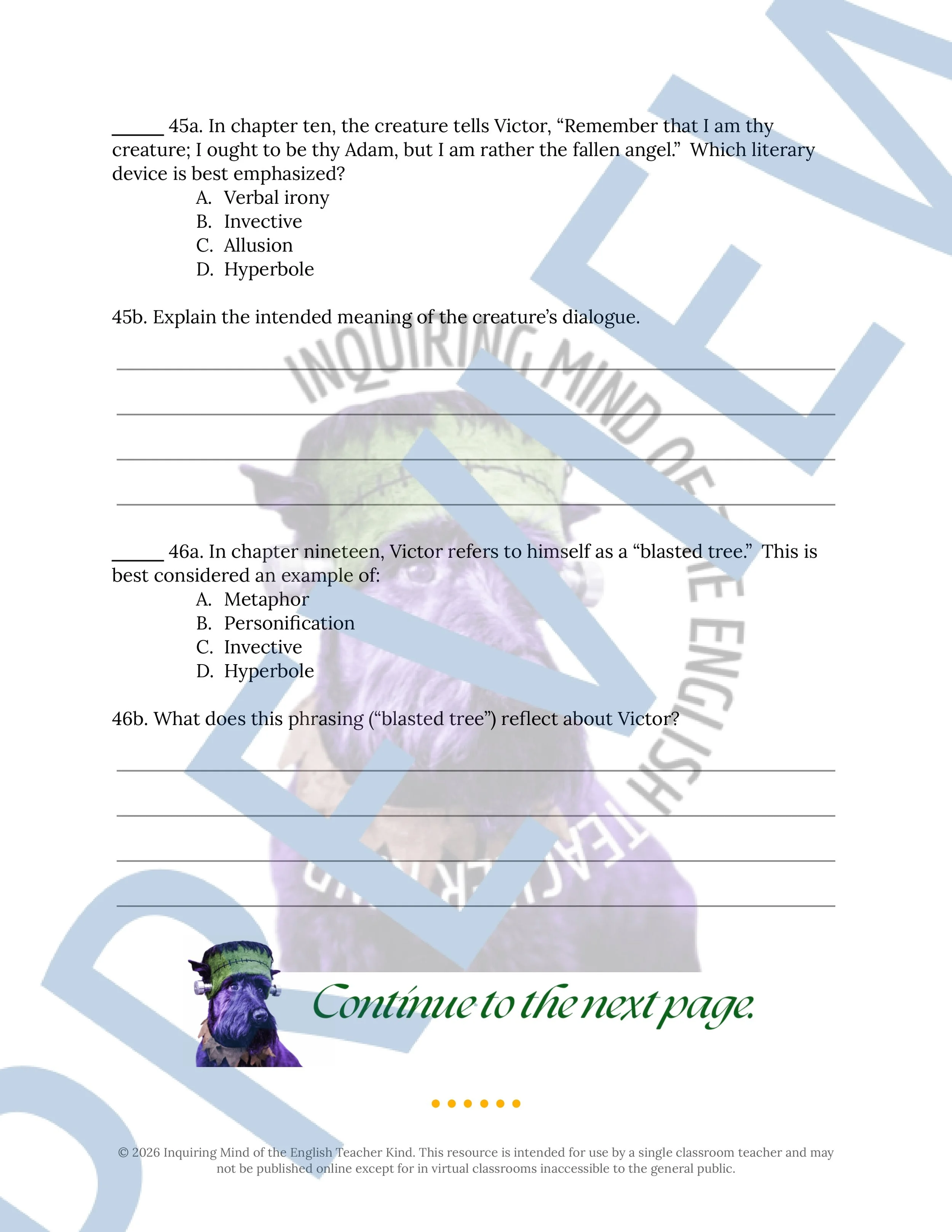 Image 8 of 100
 Image 9 of 100
 Image 10 of 100
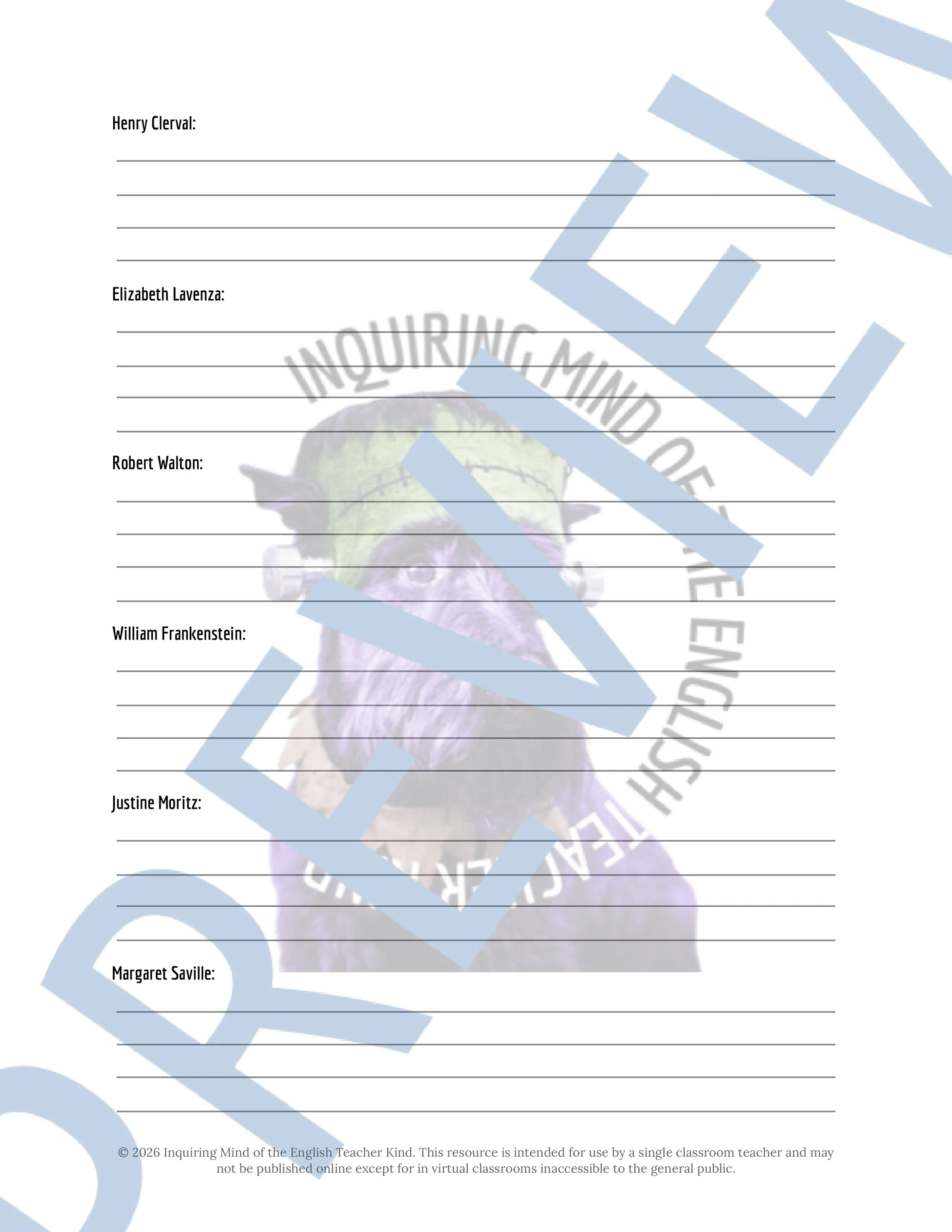 Image 11 of 100
 Image 12 of 100
 Image 13 of 100
 Image 14 of 100
 Image 15 of 100
 Image 16 of 100
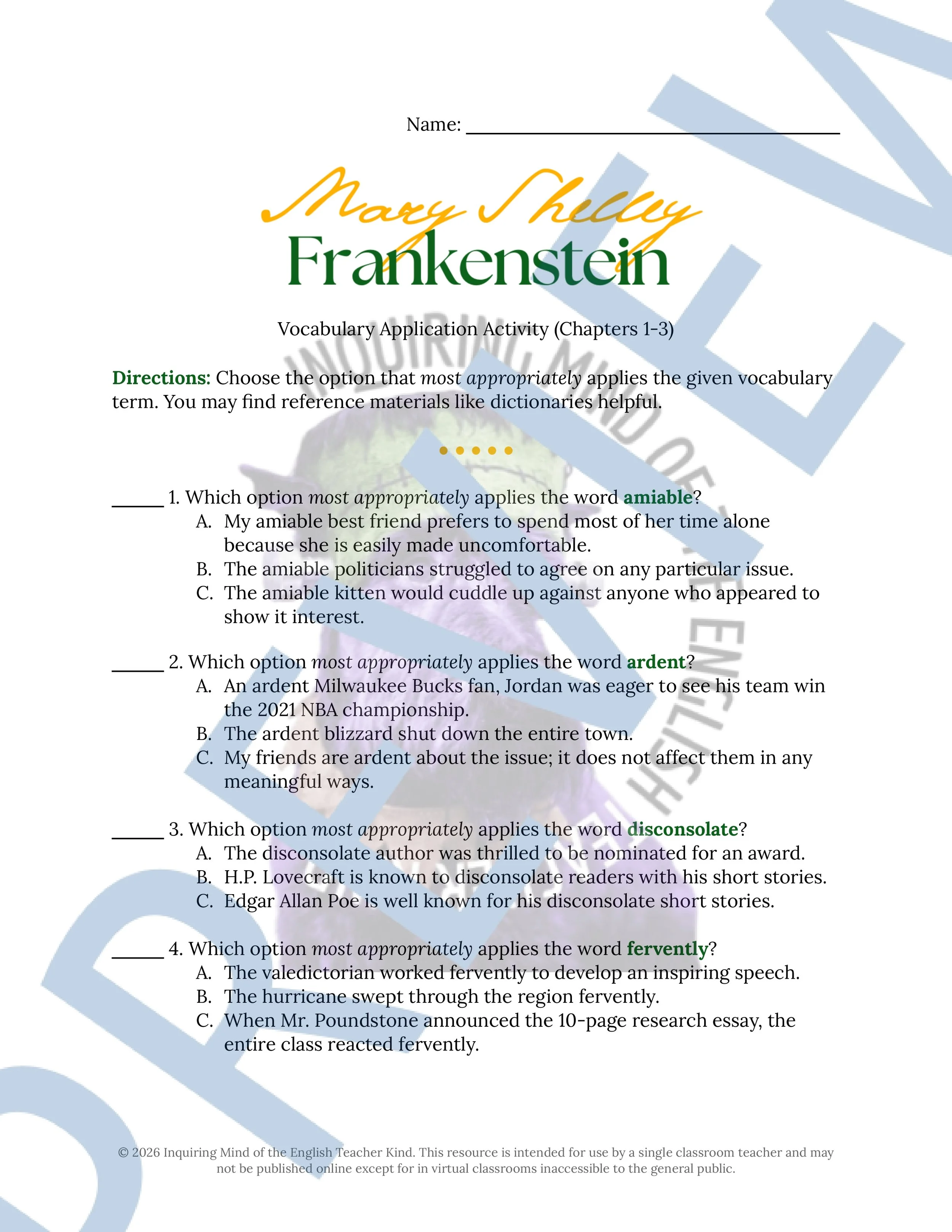 Image 17 of 100
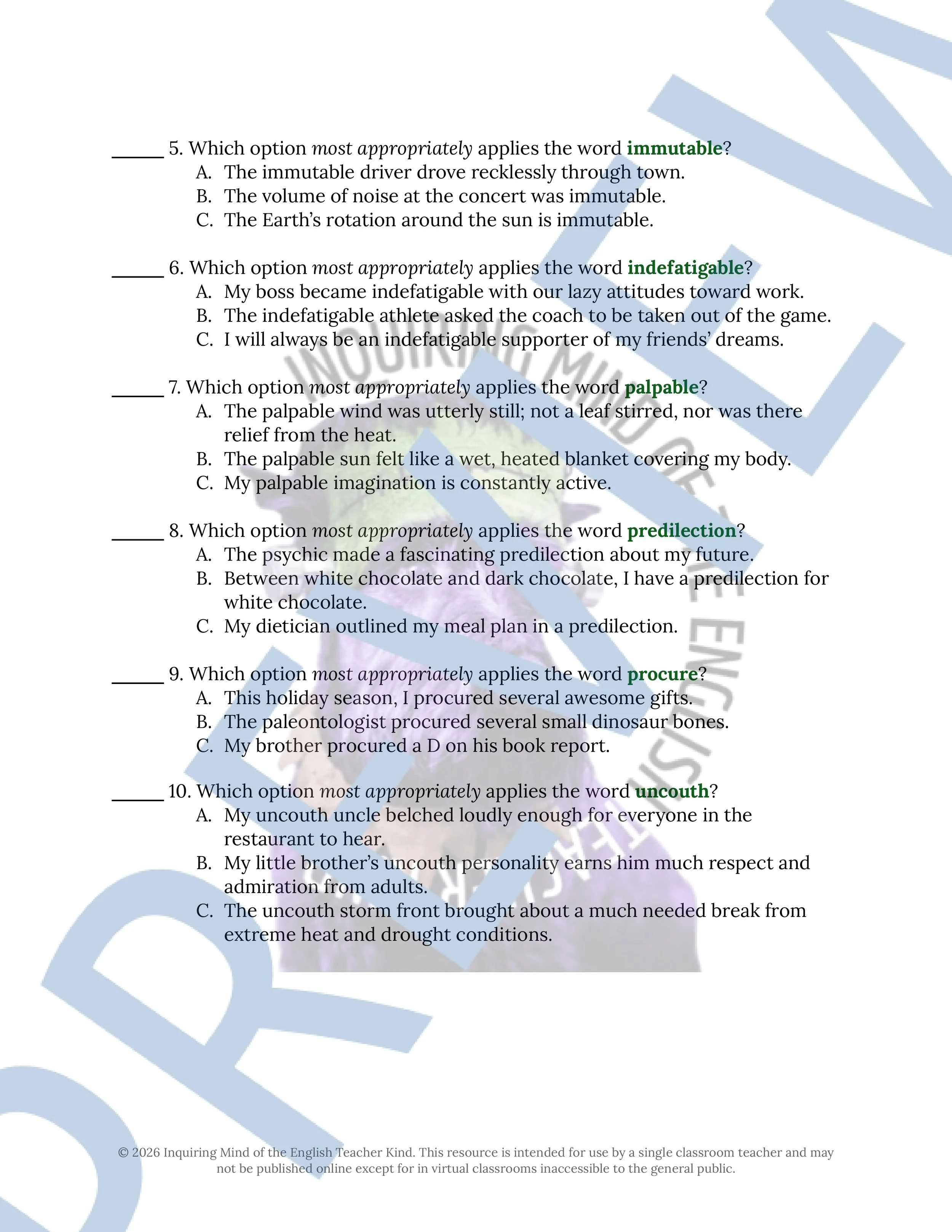 Image 18 of 100
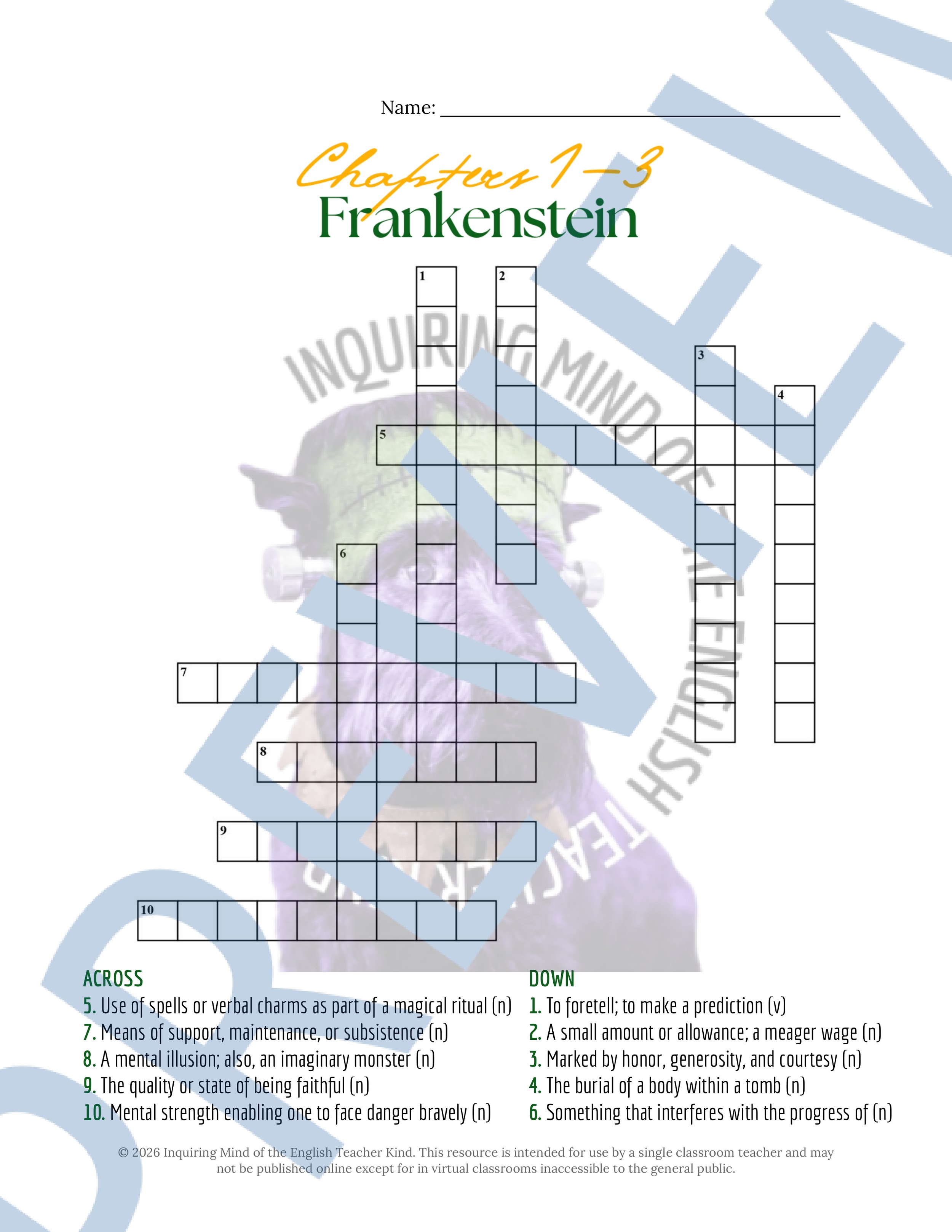 Image 19 of 100
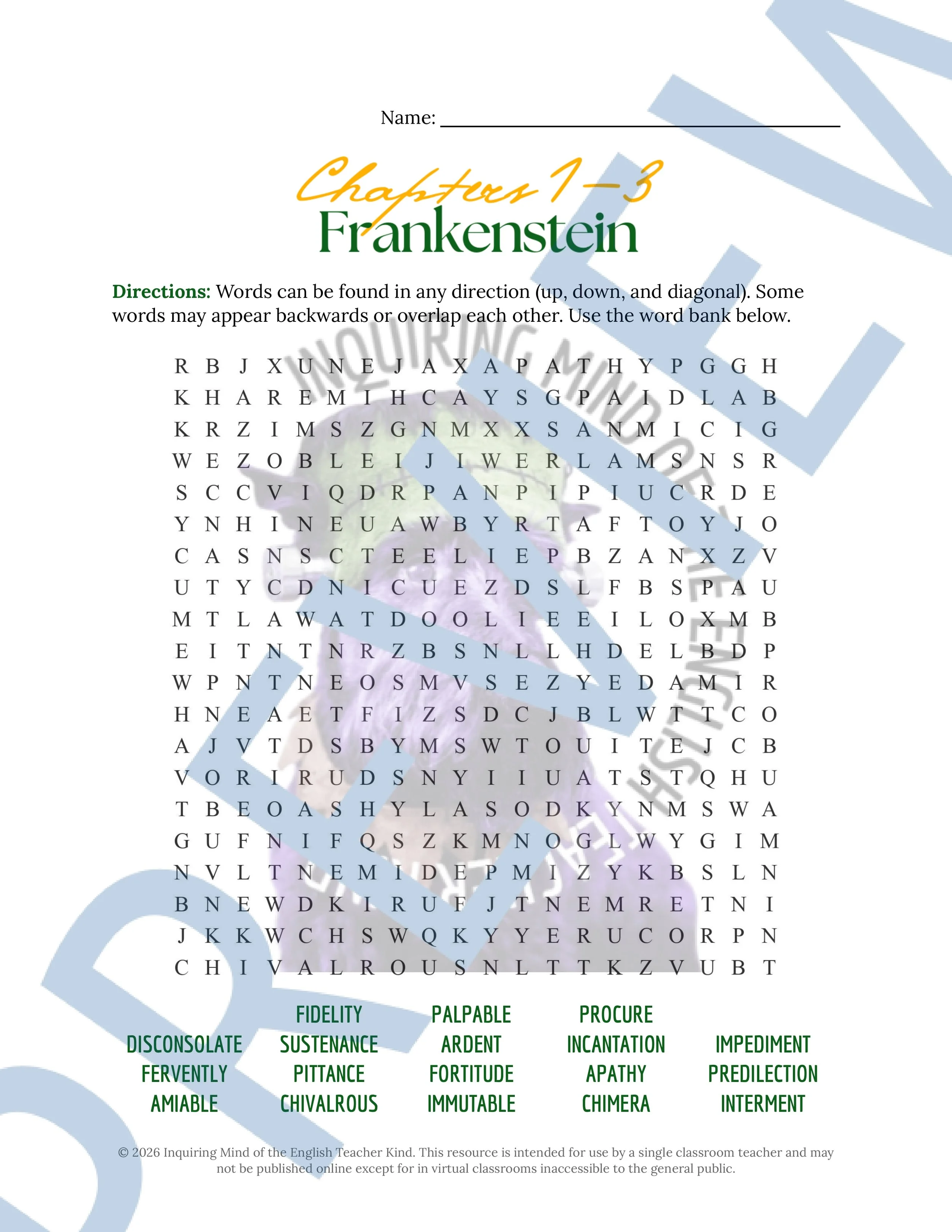 Image 20 of 100
 Image 21 of 100
 Image 22 of 100
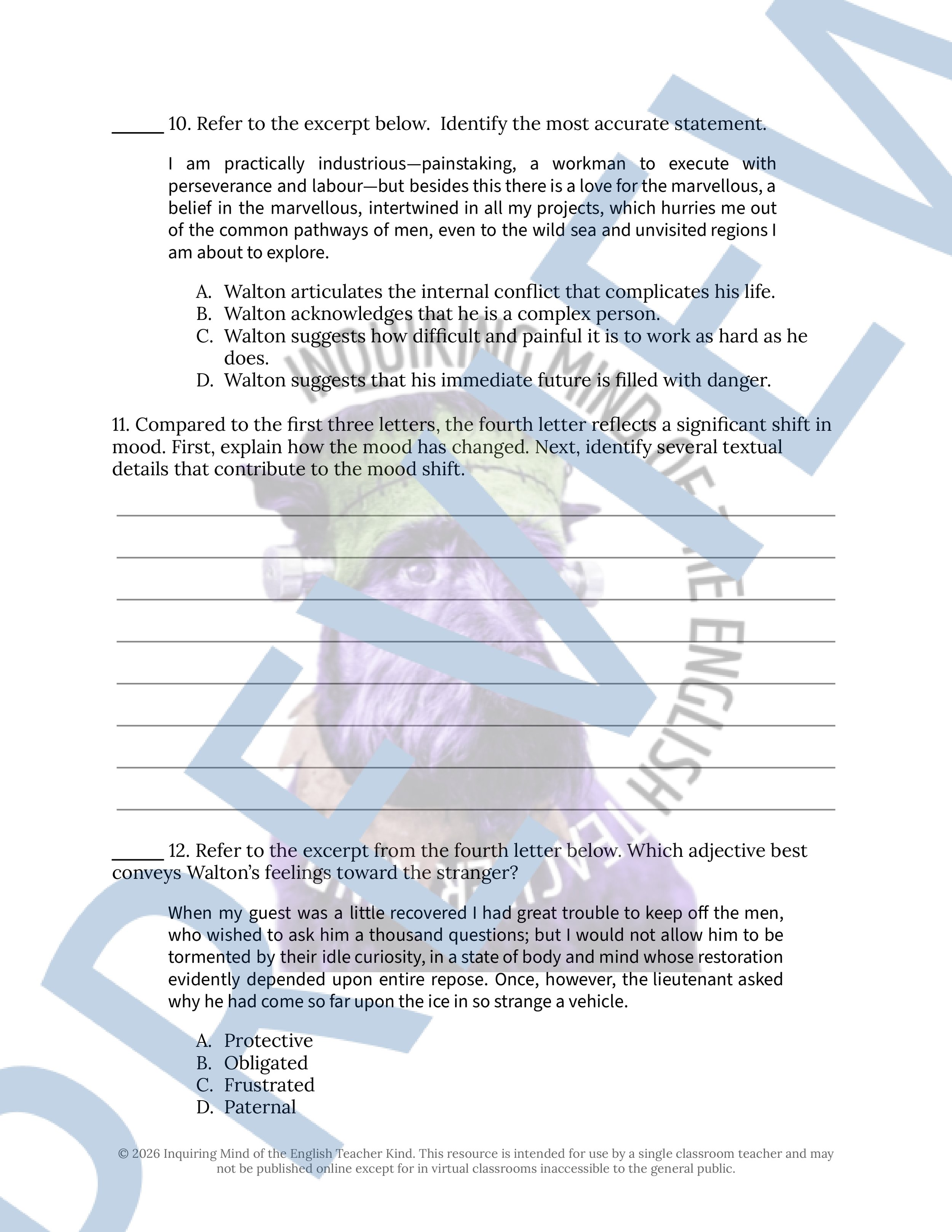 Image 23 of 100
 Image 24 of 100
 Image 25 of 100
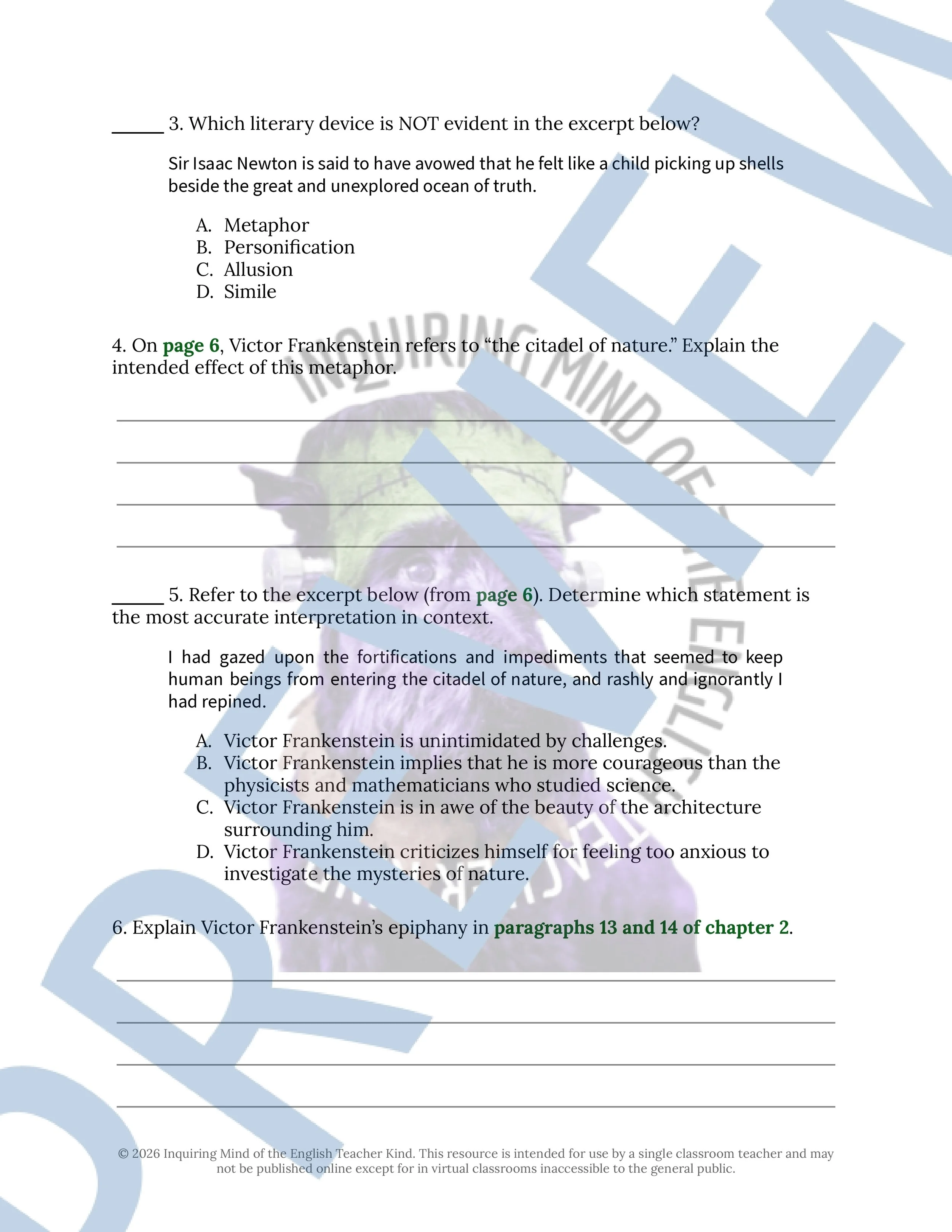 Image 26 of 100
 Image 27 of 100
 Image 28 of 100
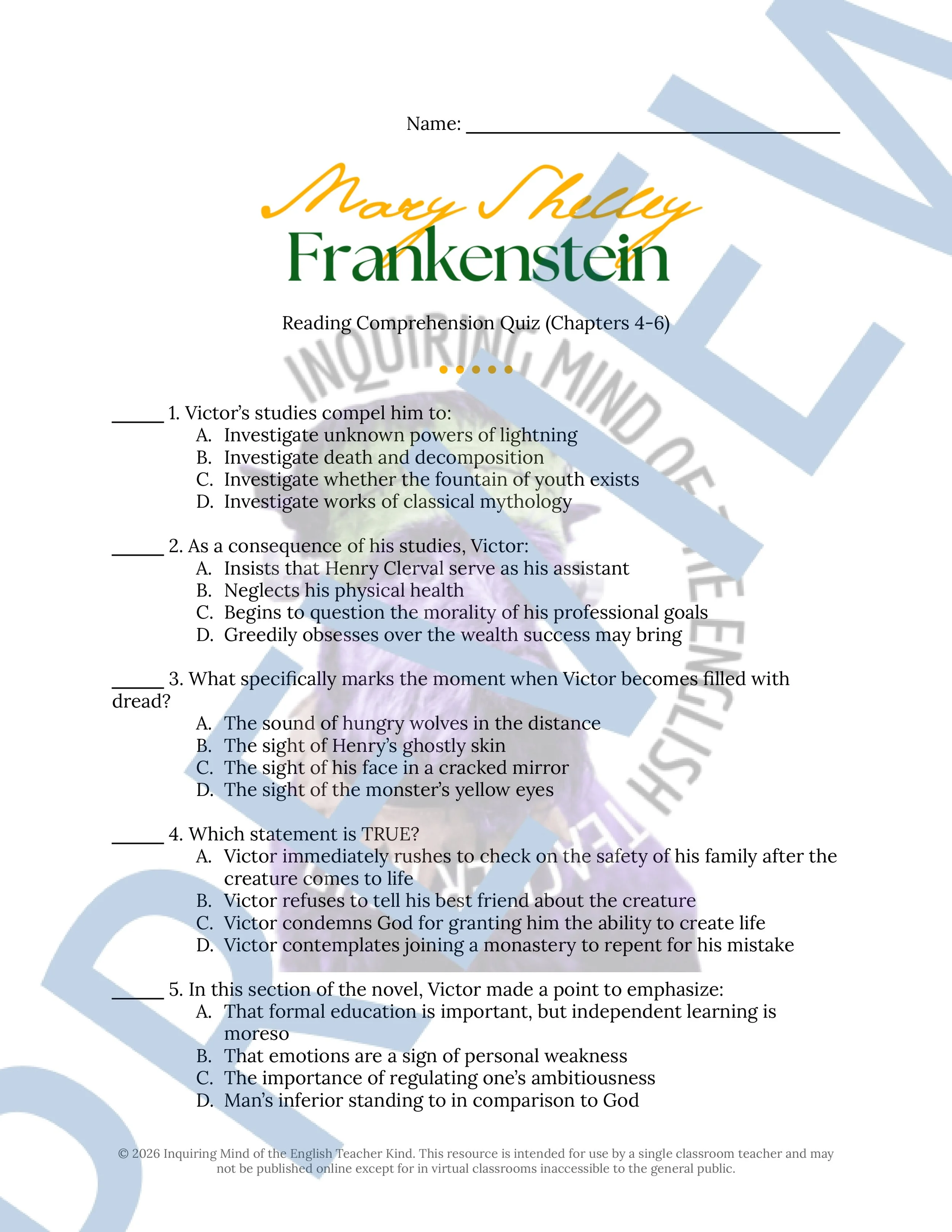 Image 29 of 100
 Image 30 of 100
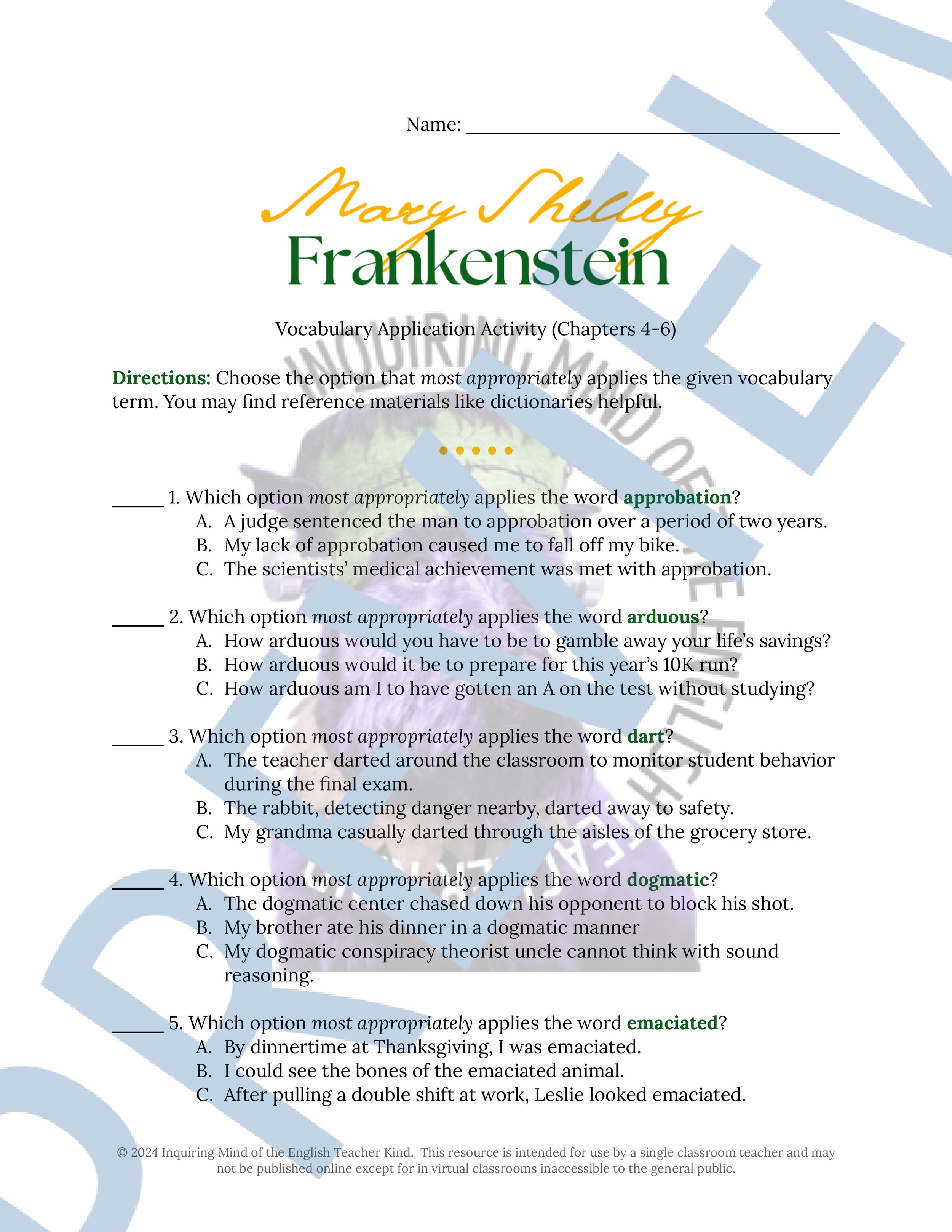 Image 31 of 100
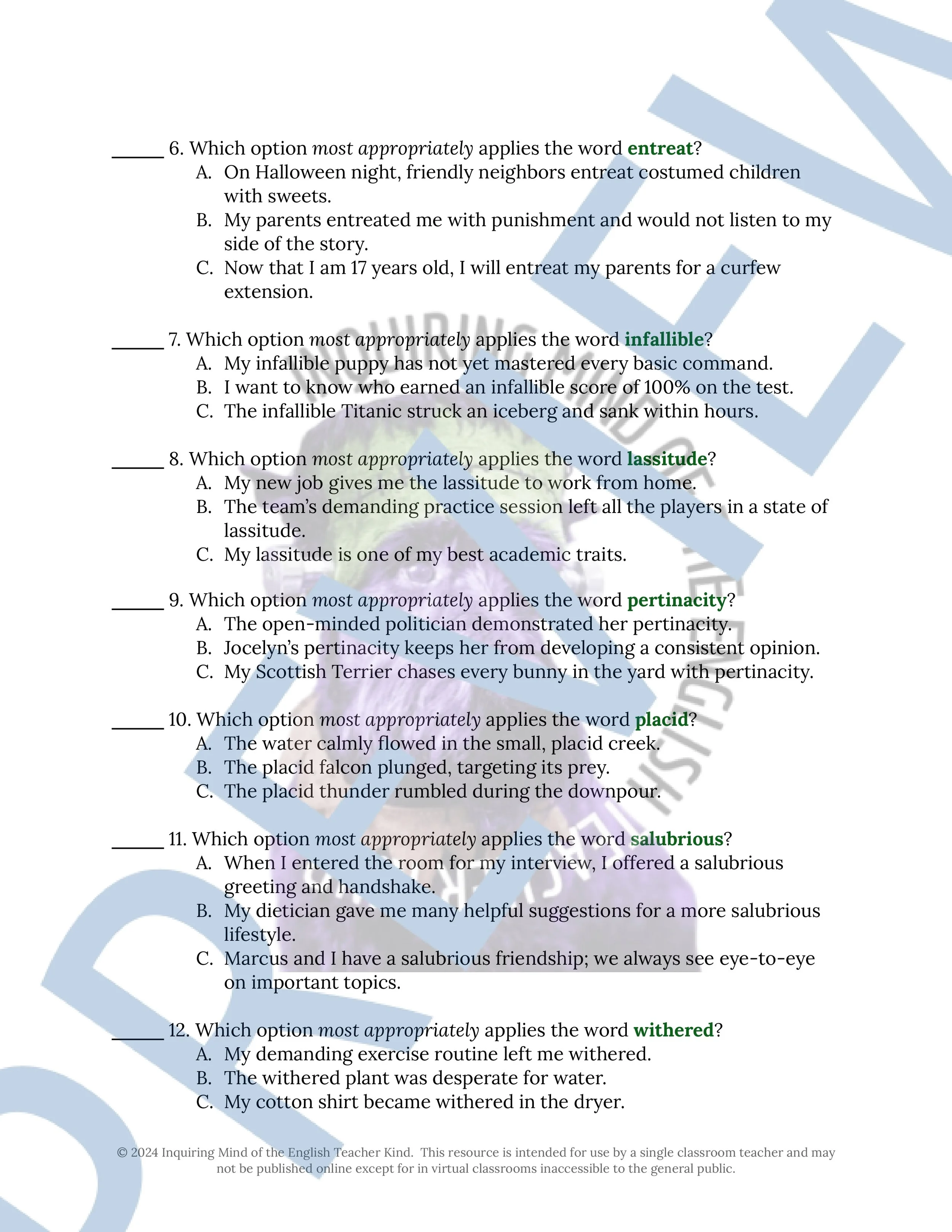 Image 32 of 100
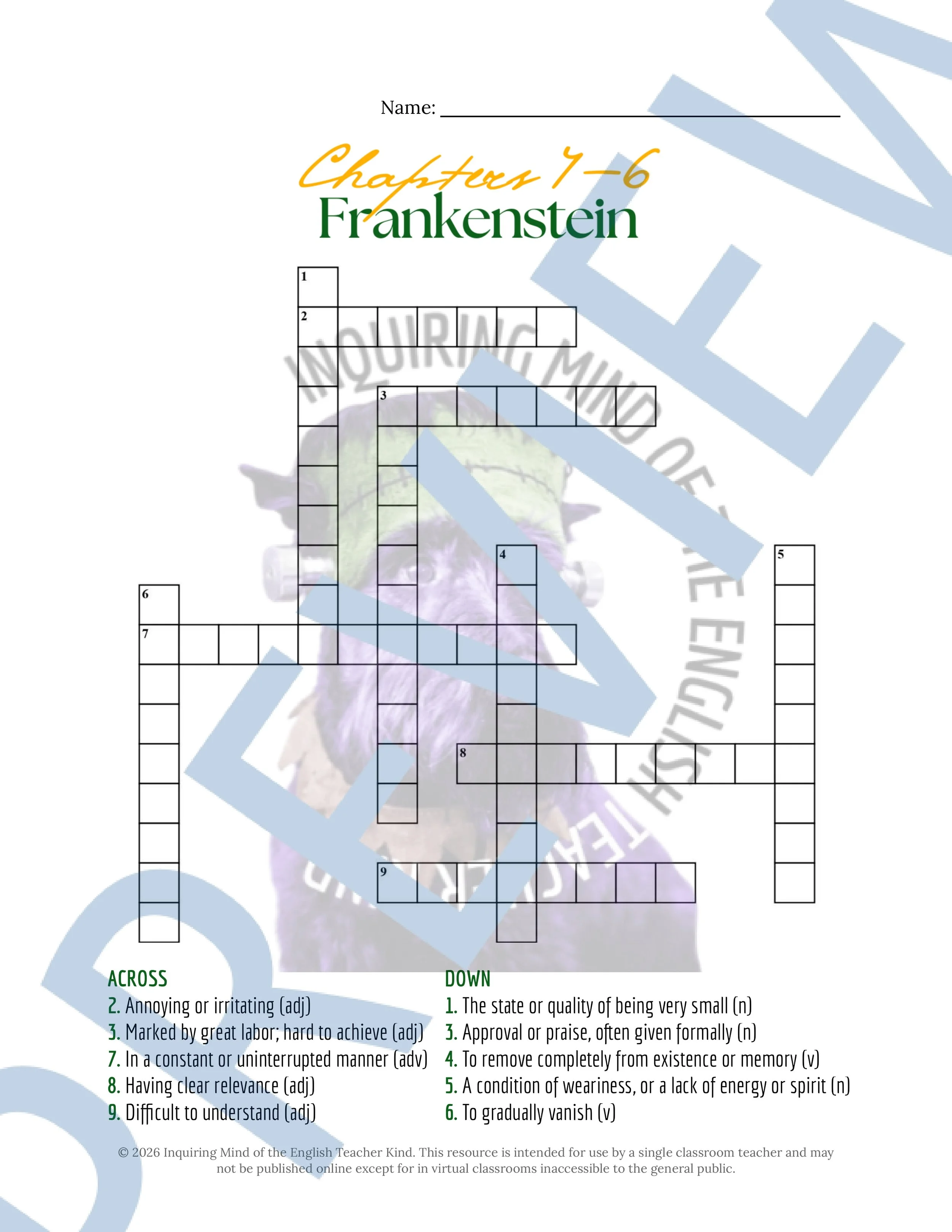 Image 33 of 100
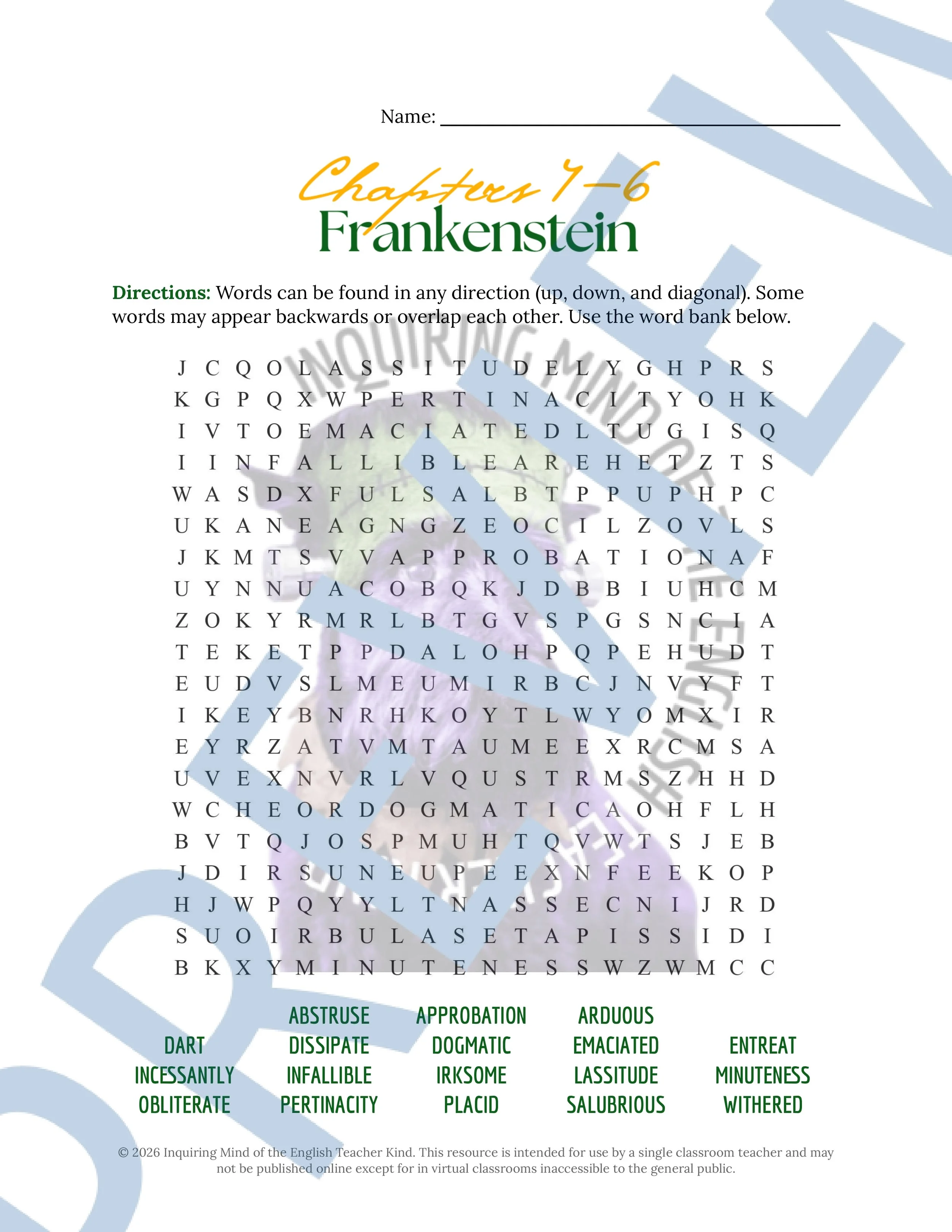 Image 34 of 100
 Image 35 of 100
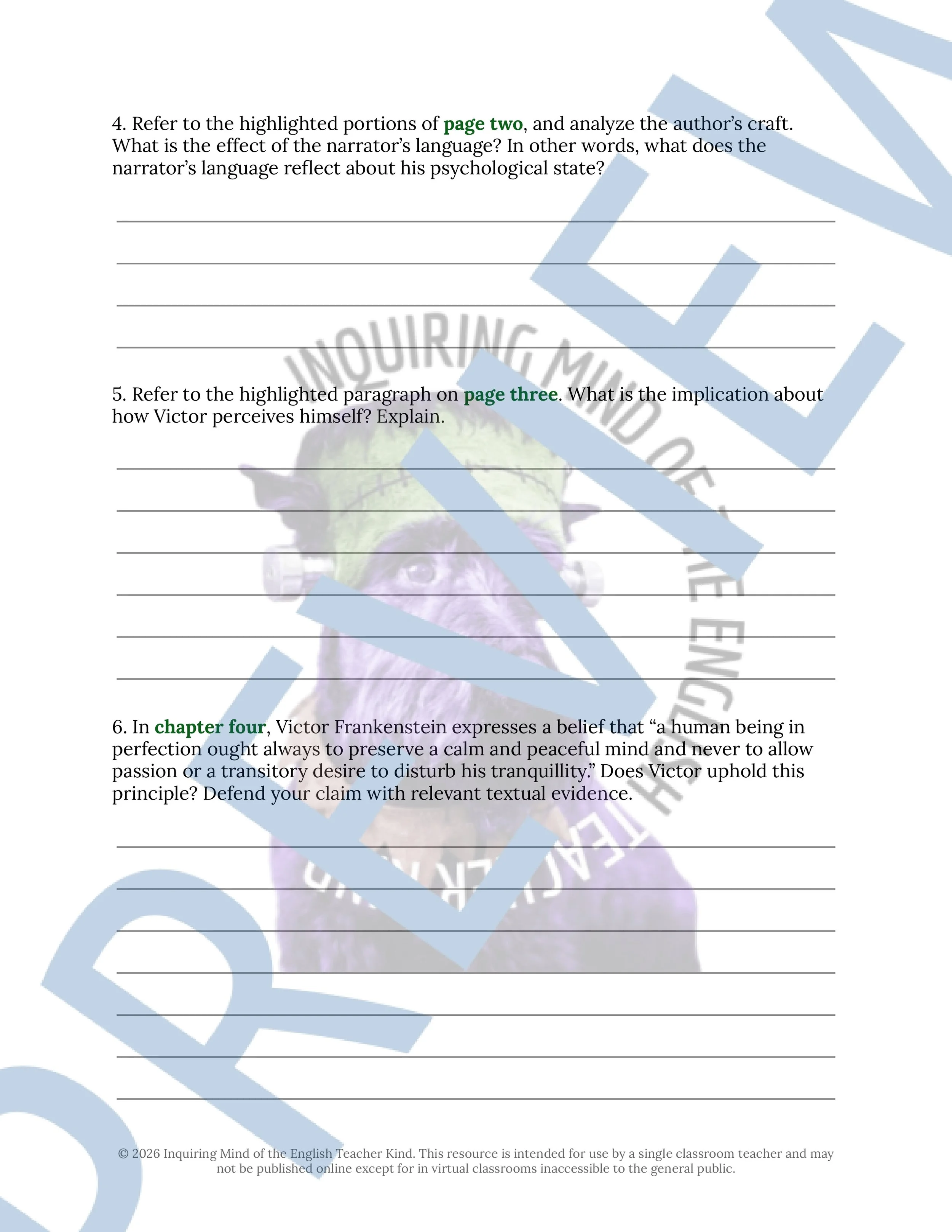 Image 36 of 100
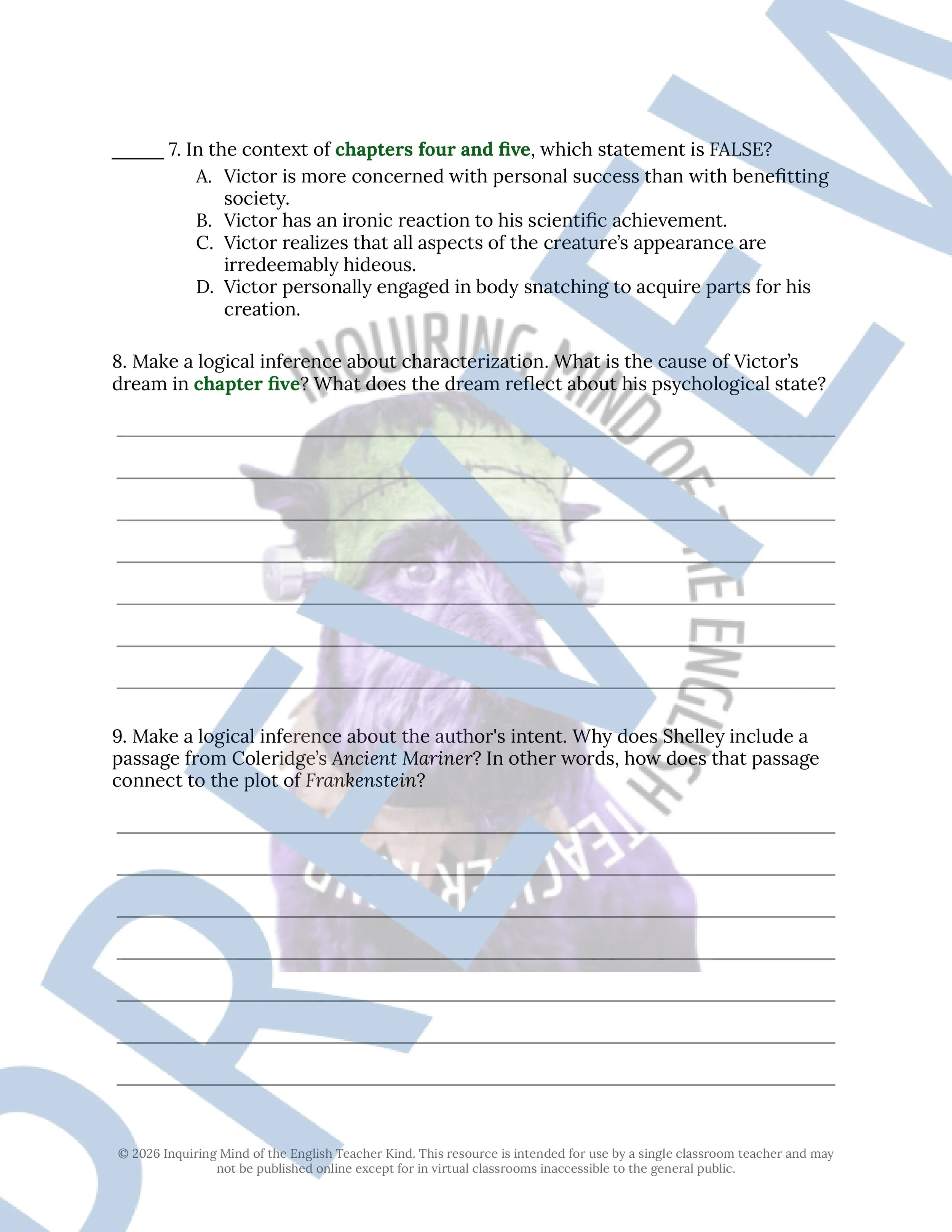 Image 37 of 100
 Image 38 of 100
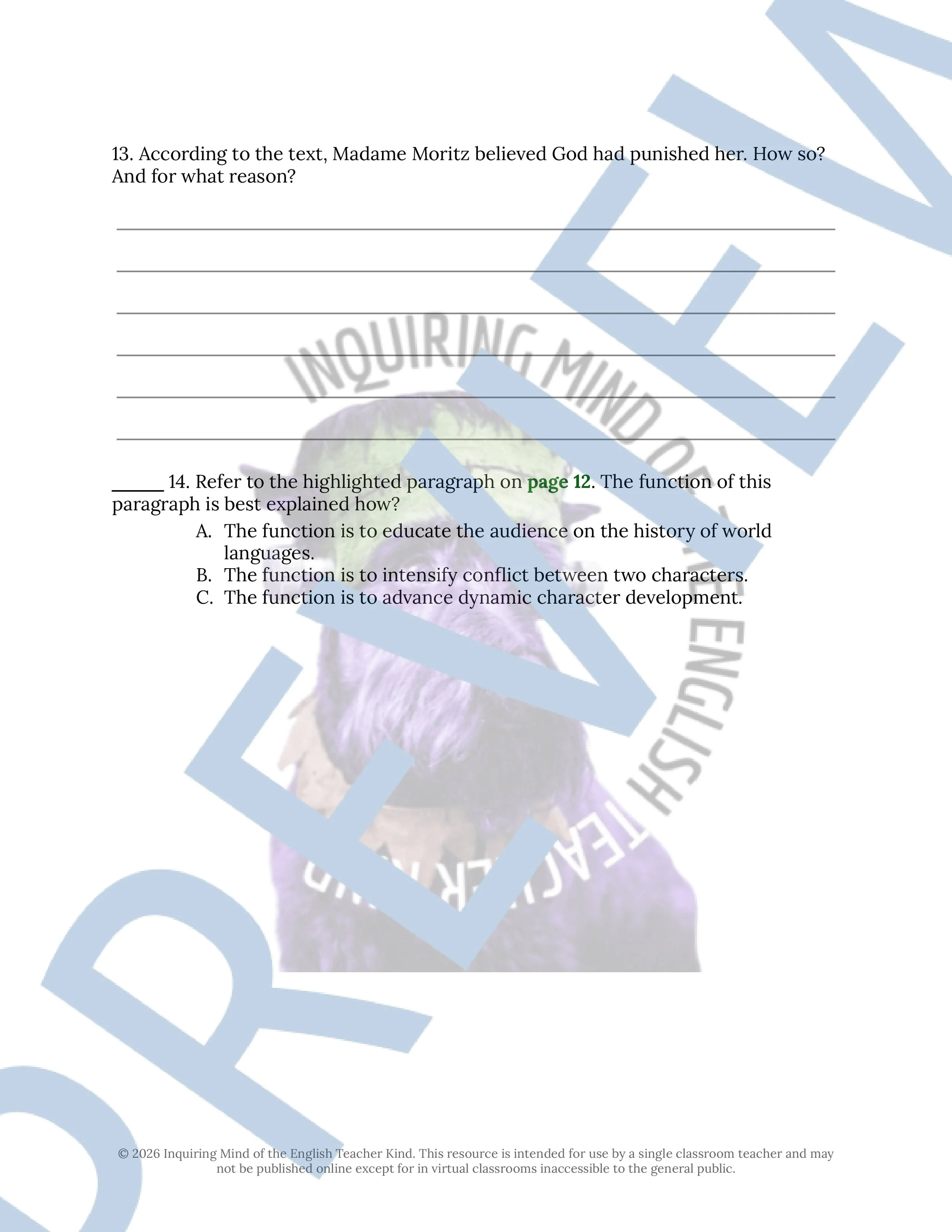 Image 39 of 100
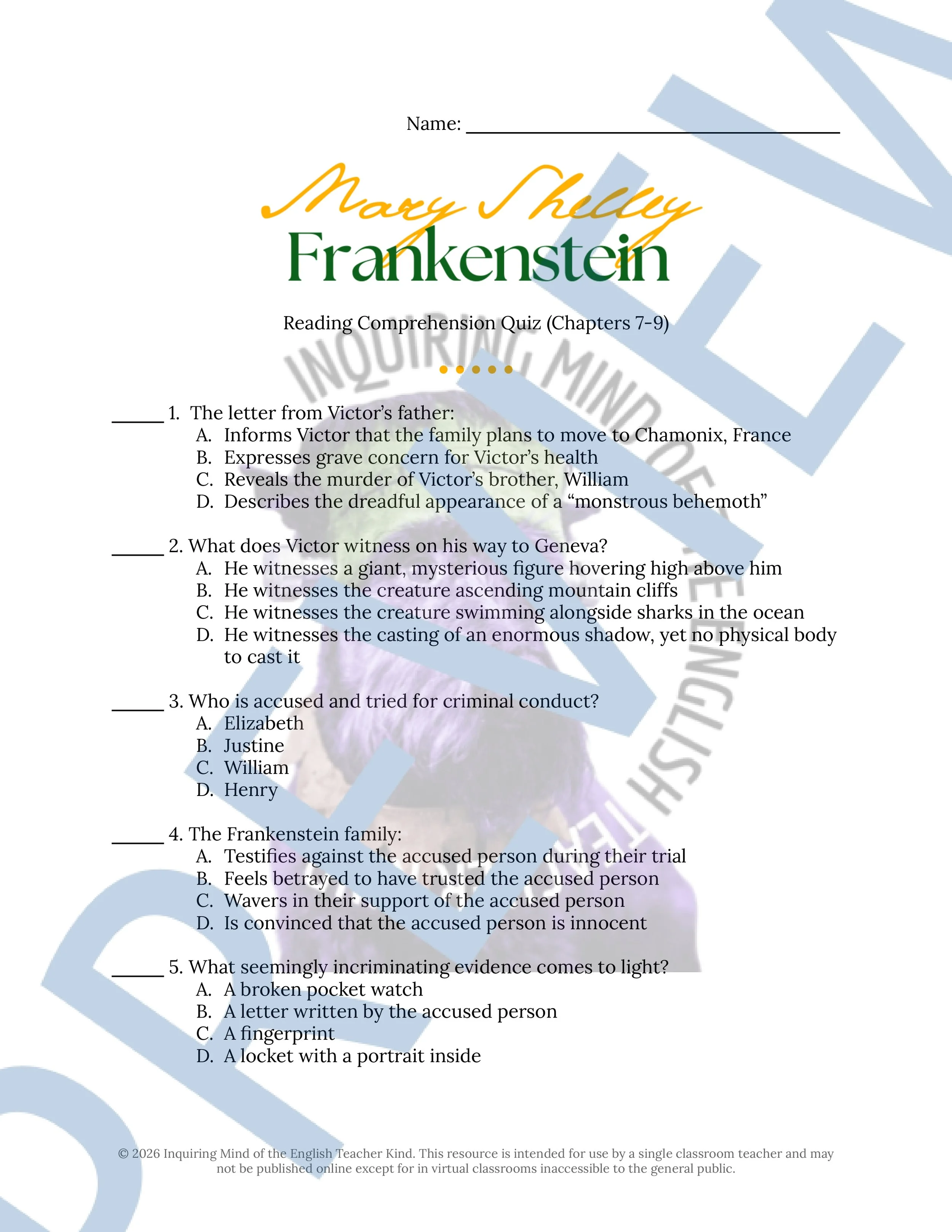 Image 40 of 100
 Image 41 of 100
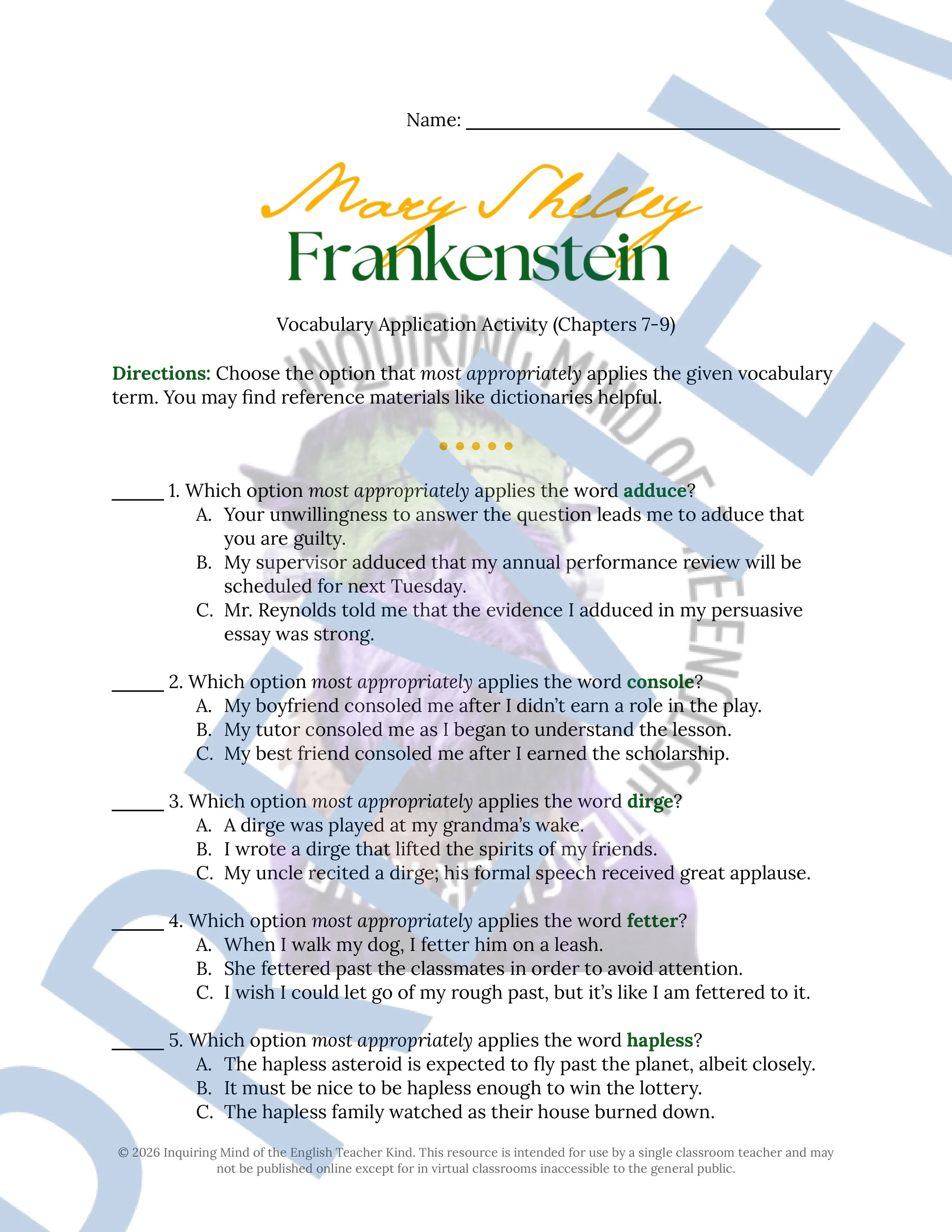 Image 42 of 100
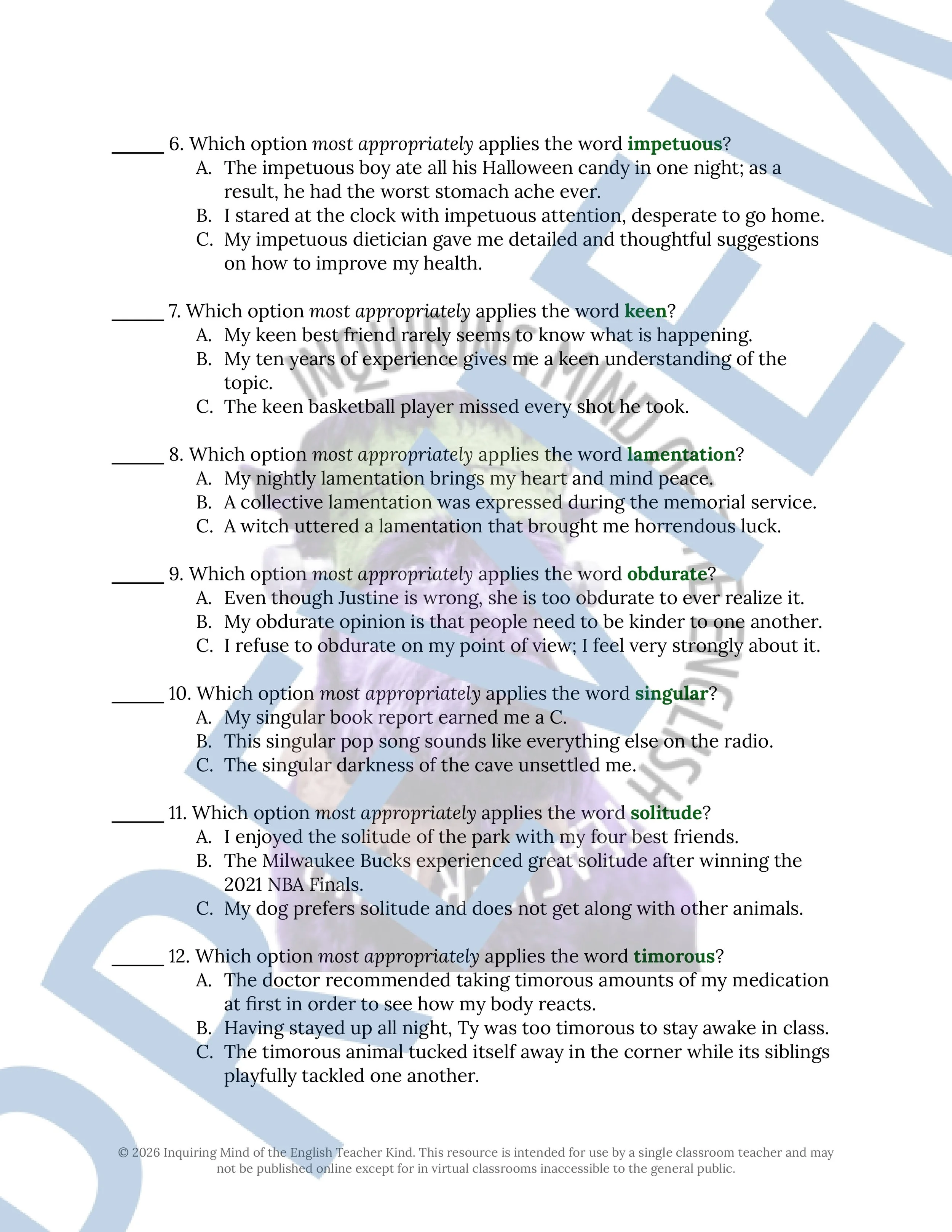 Image 43 of 100
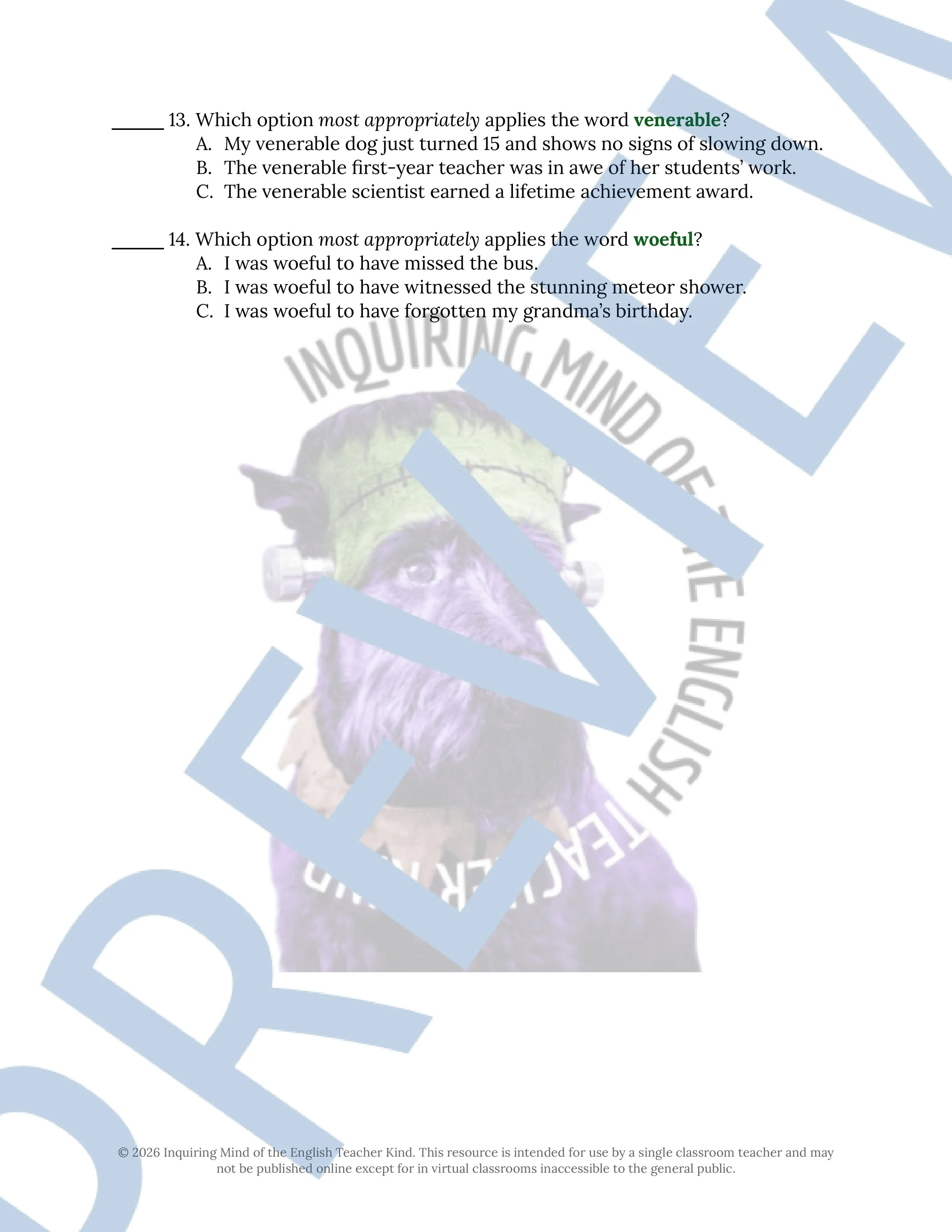 Image 44 of 100
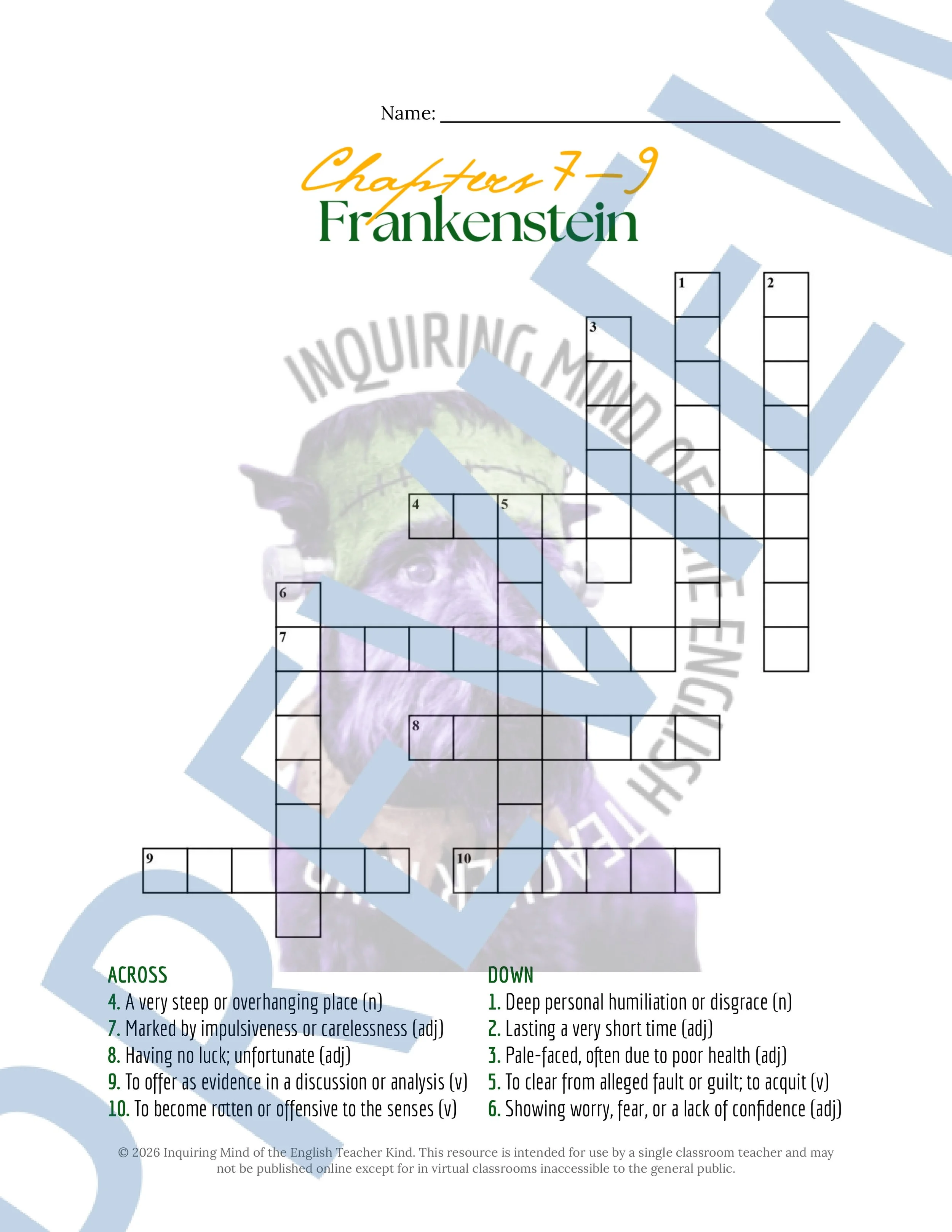 Image 45 of 100
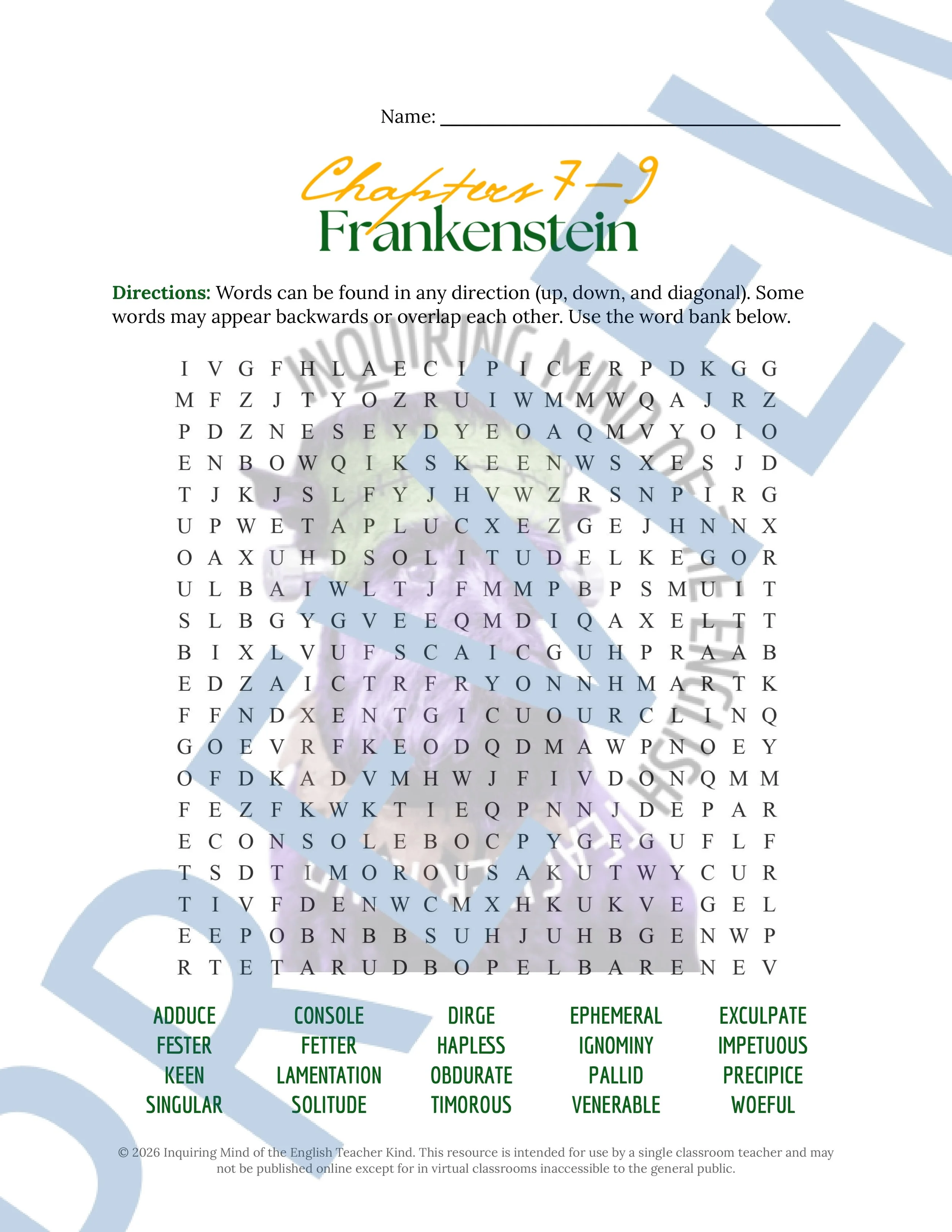 Image 46 of 100
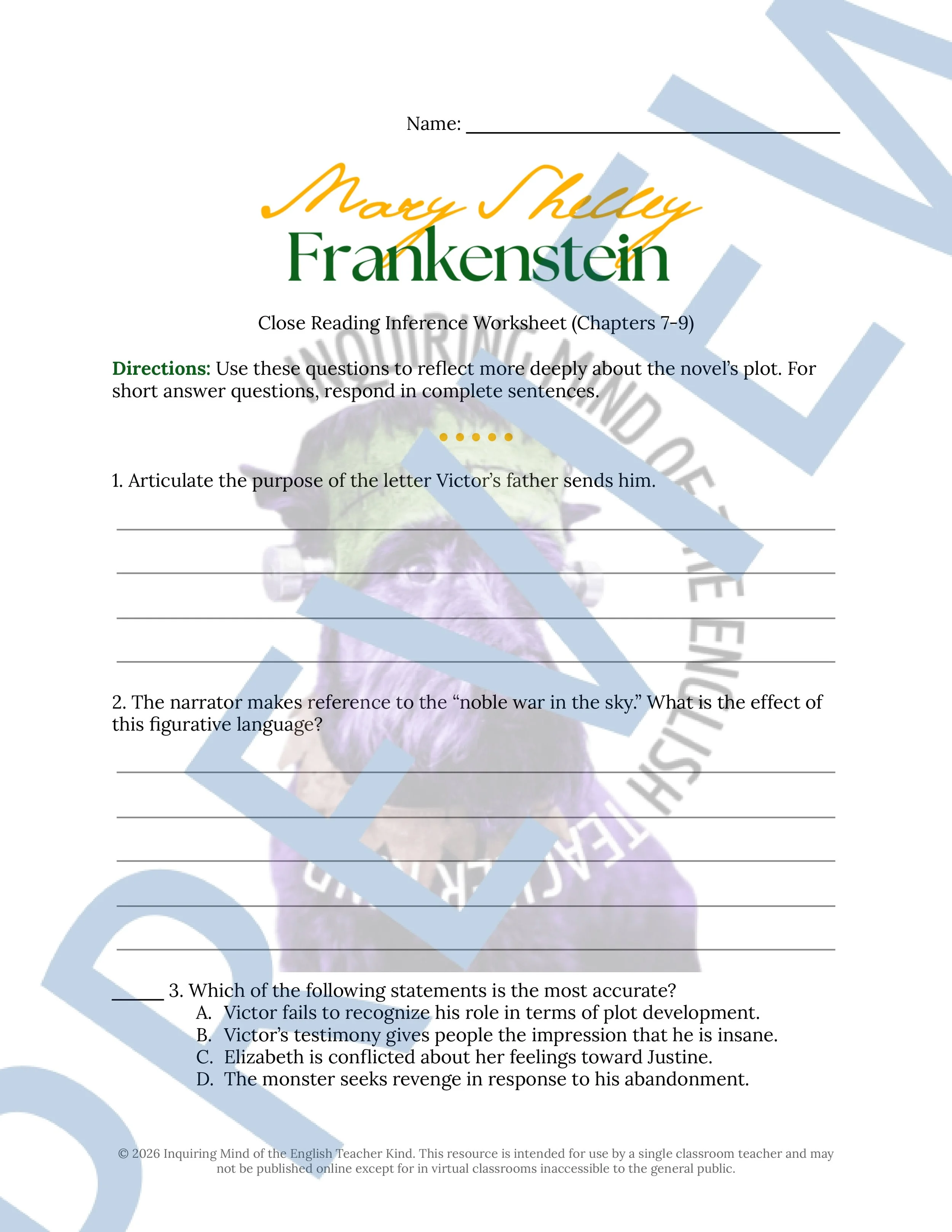 Image 47 of 100
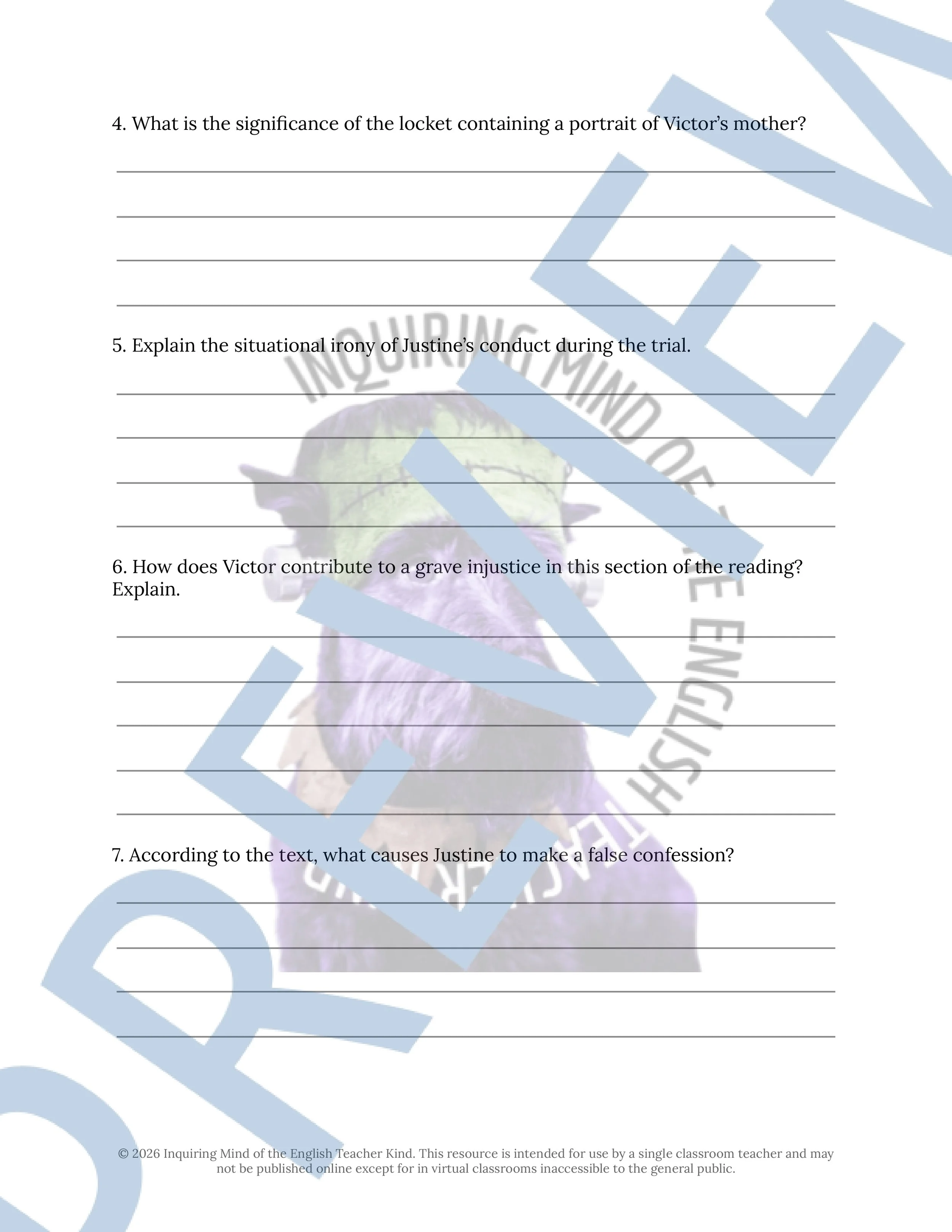 Image 48 of 100
 Image 49 of 100
 Image 50 of 100
 Image 51 of 100
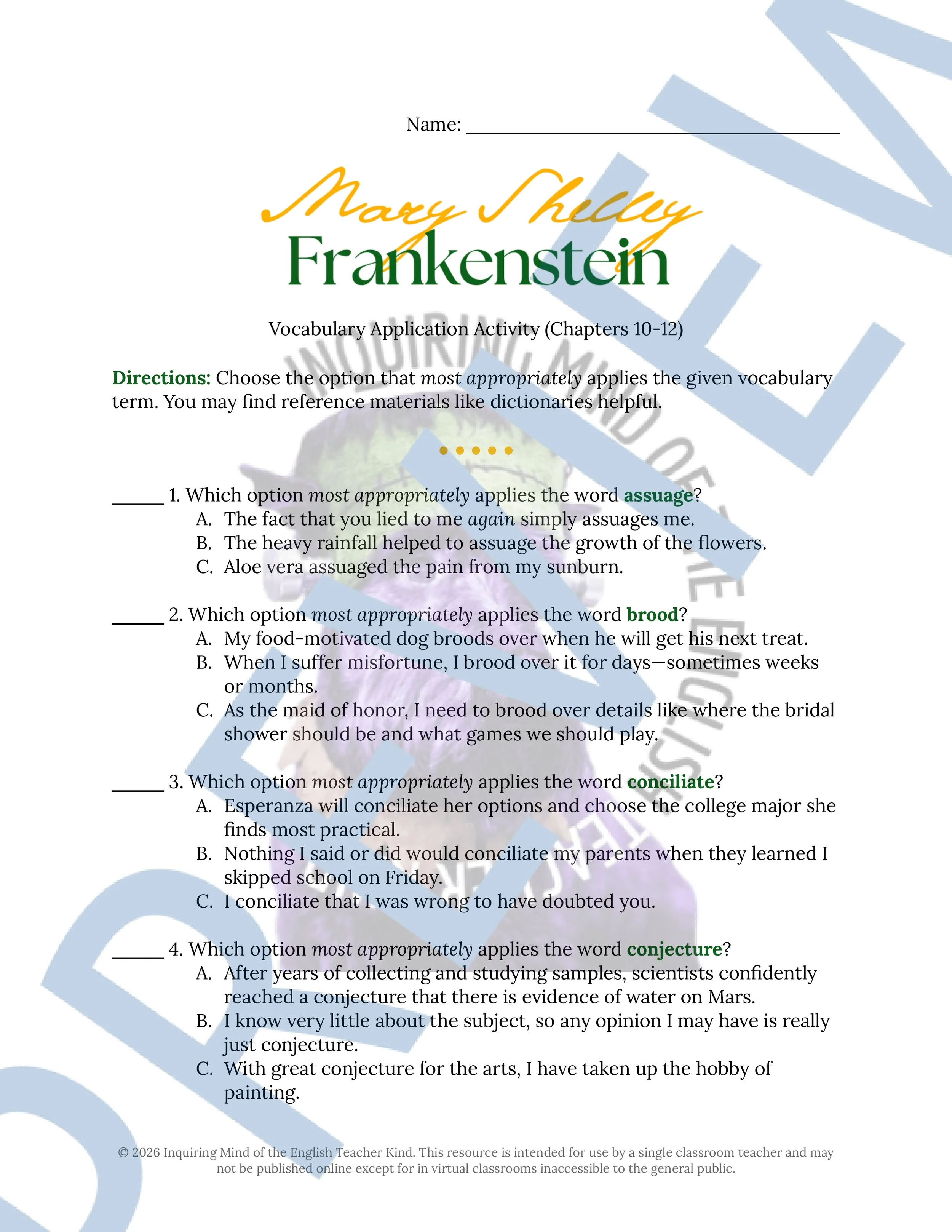 Image 52 of 100
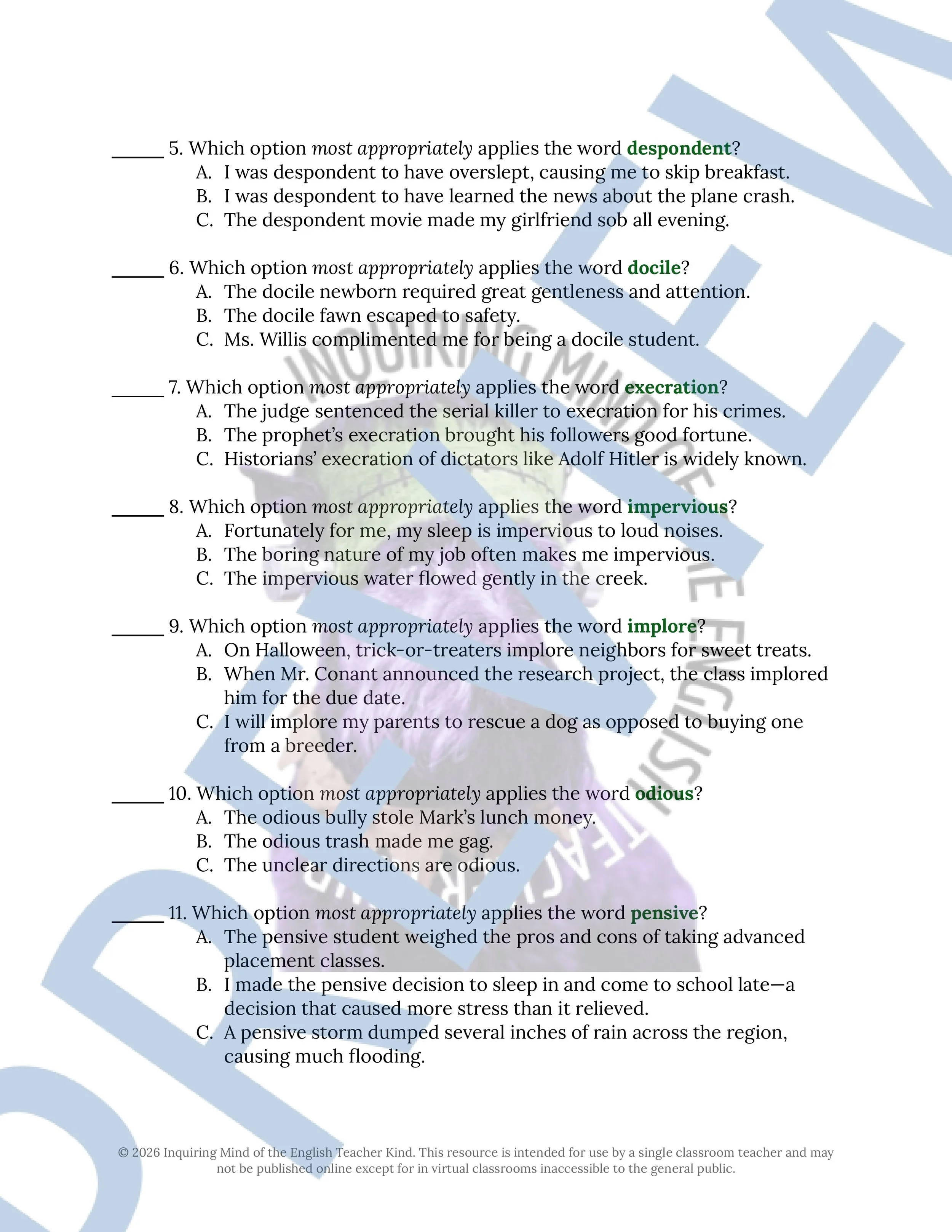 Image 53 of 100
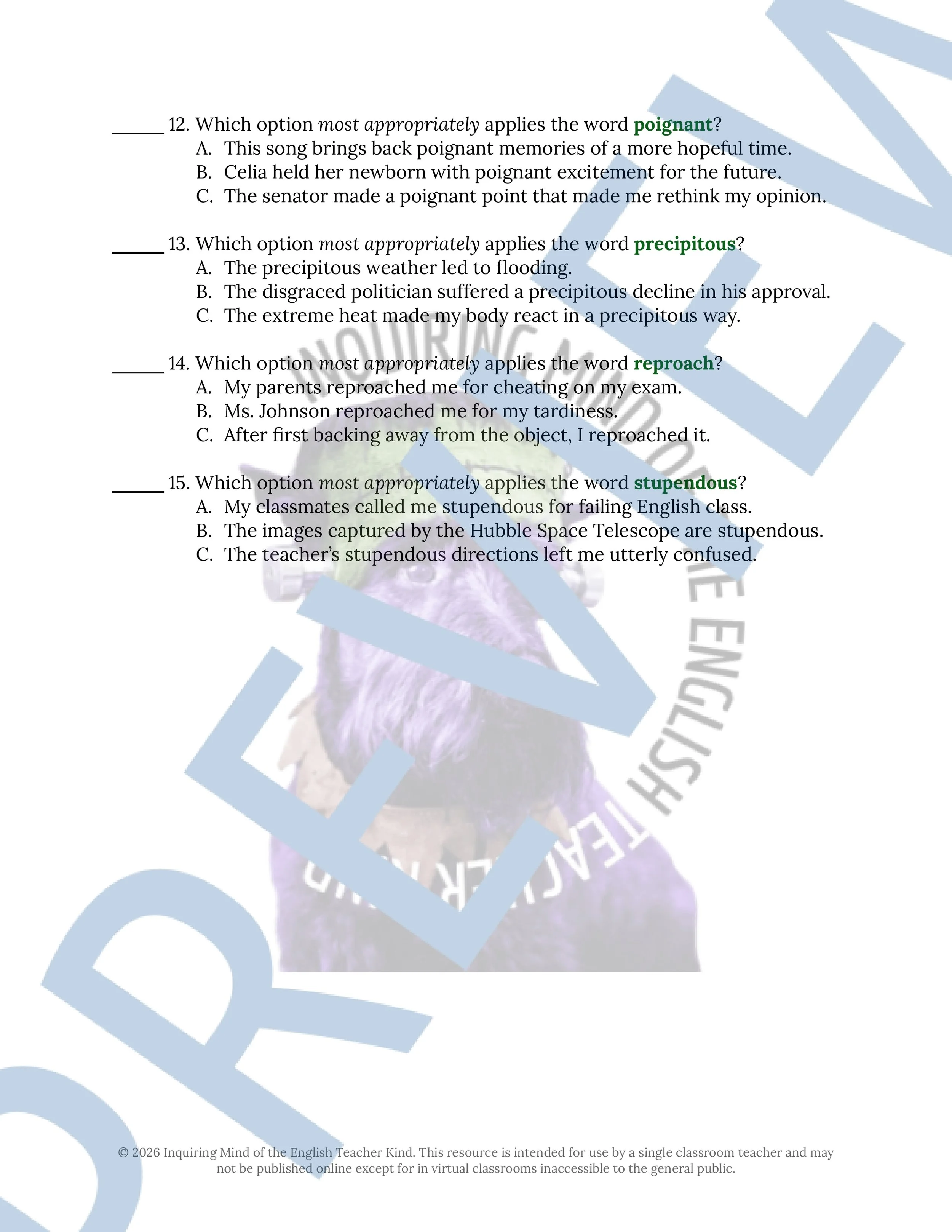 Image 54 of 100
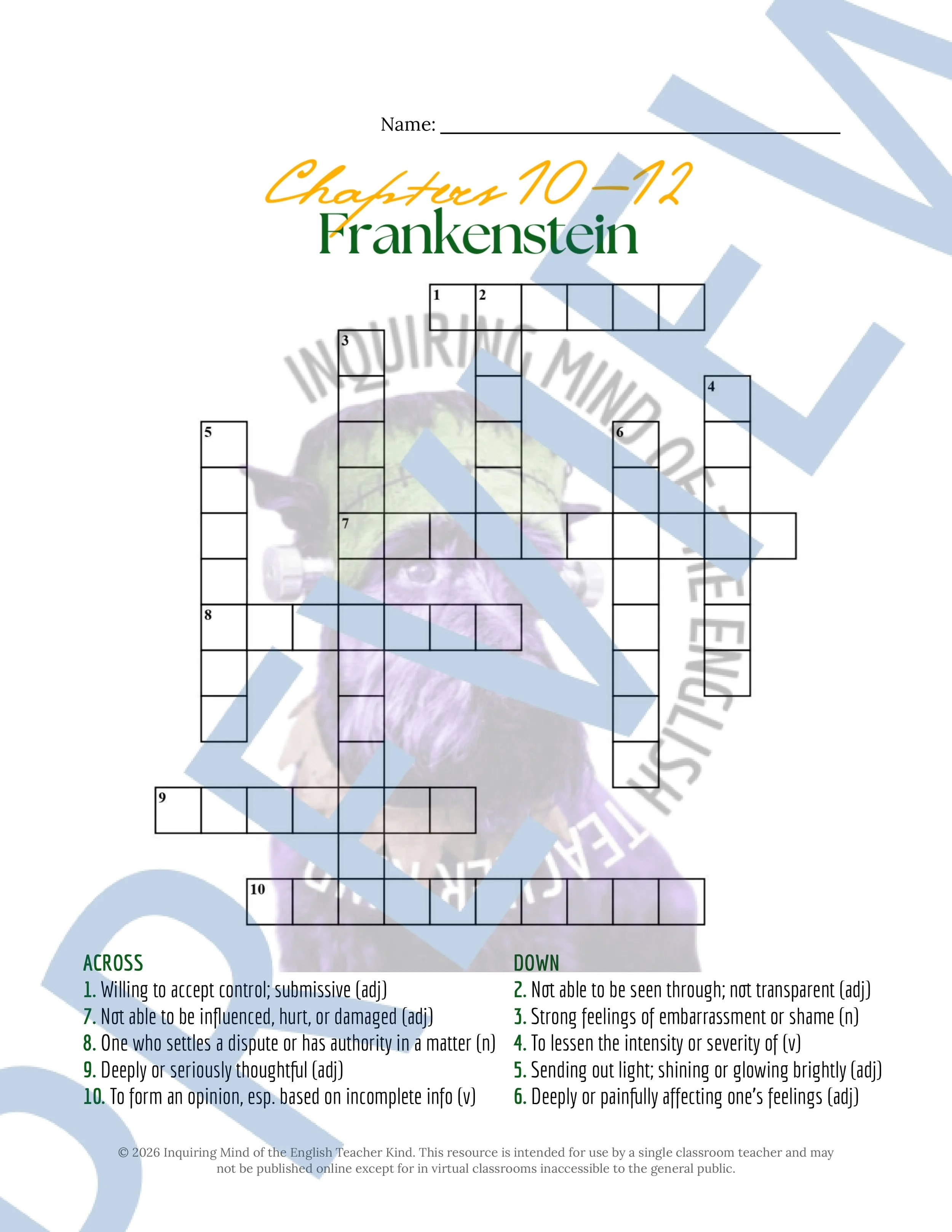 Image 55 of 100
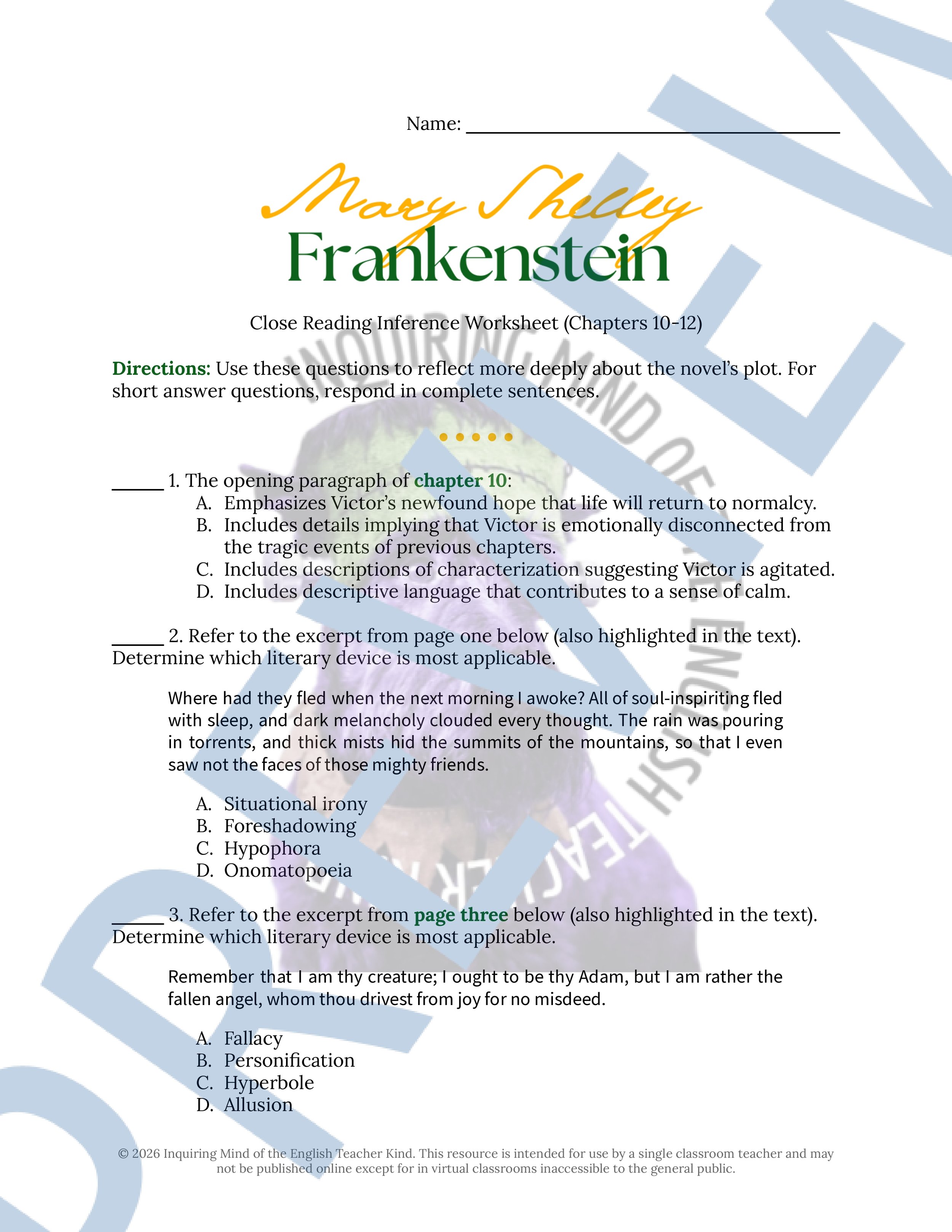 Image 56 of 100
 Image 57 of 100
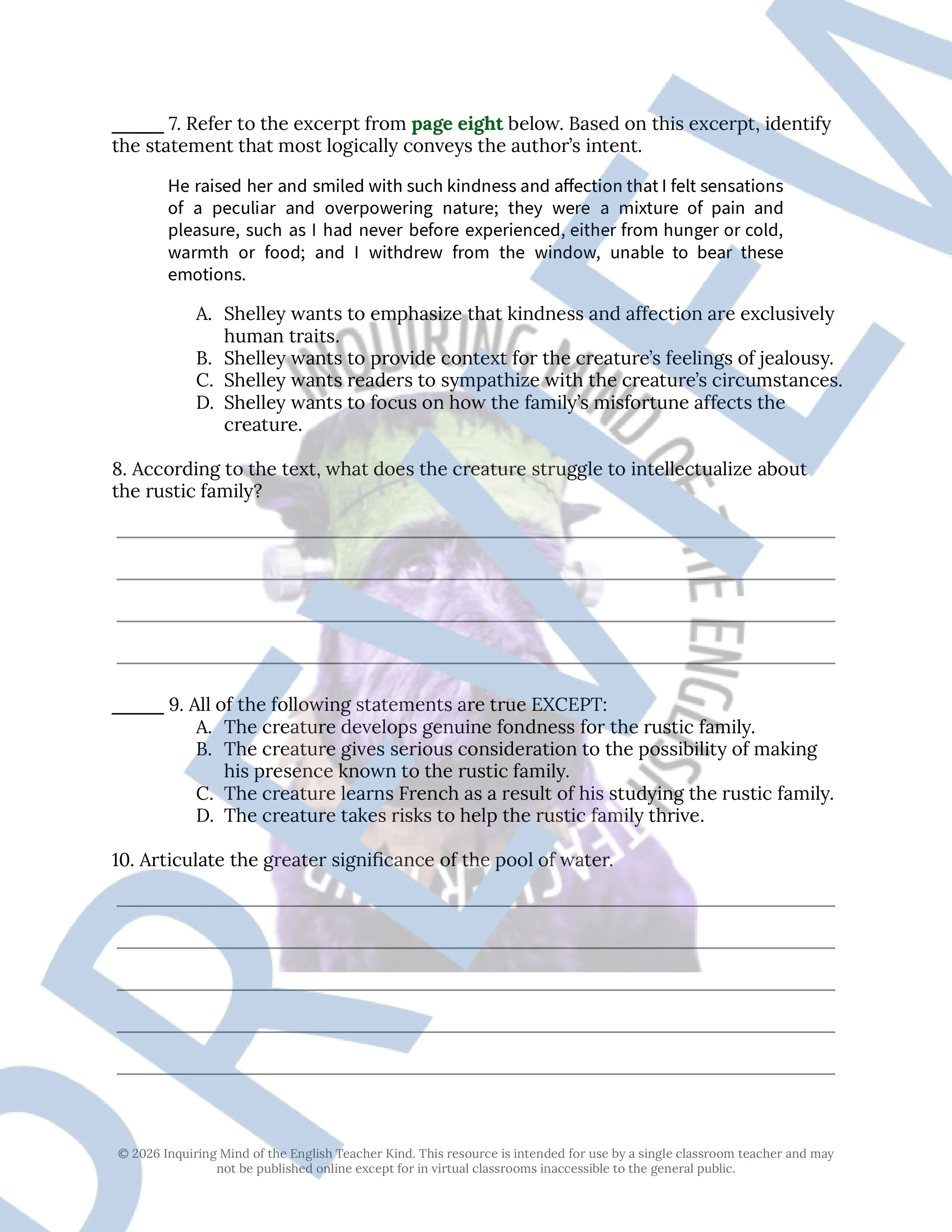 Image 58 of 100
 Image 59 of 100
 Image 60 of 100
 Image 61 of 100
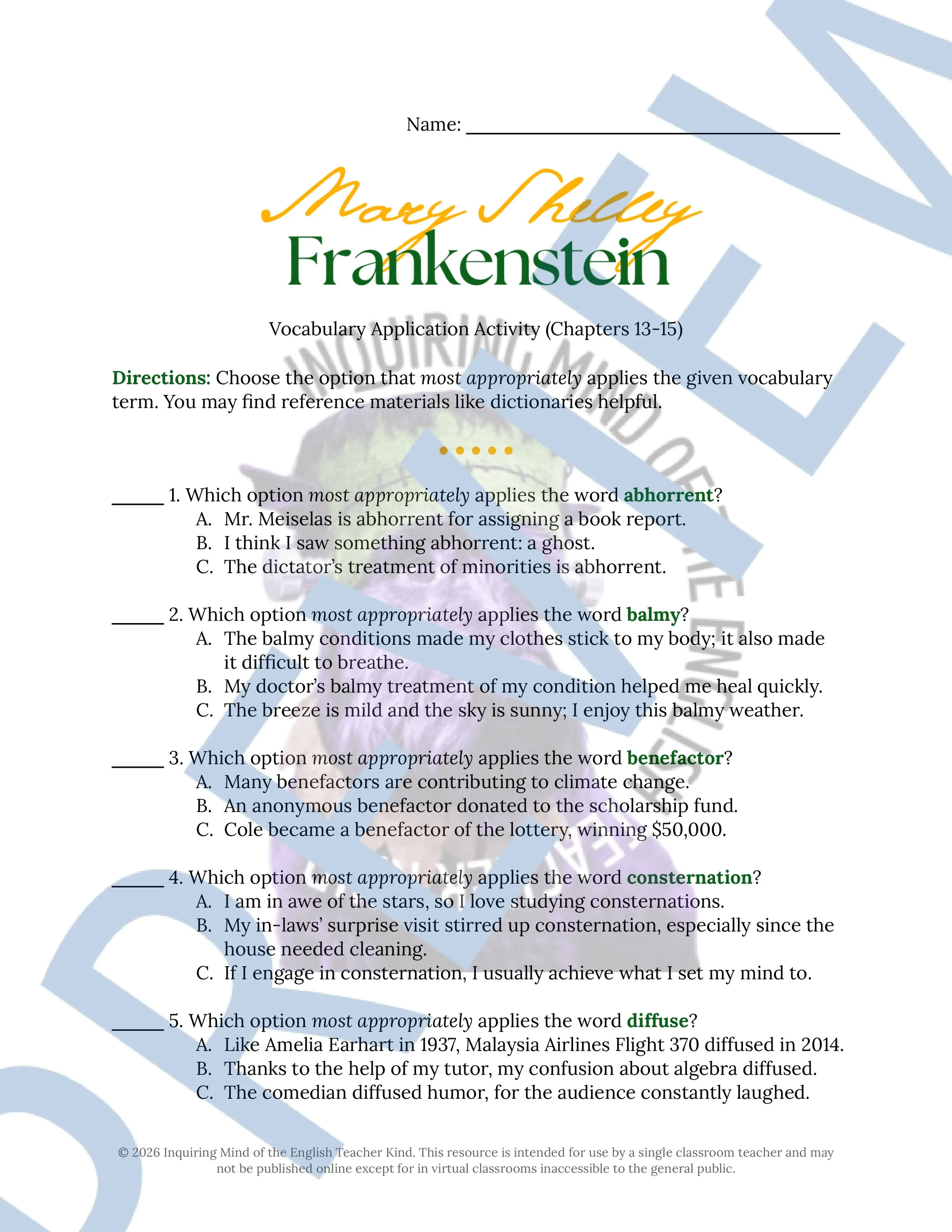 Image 62 of 100
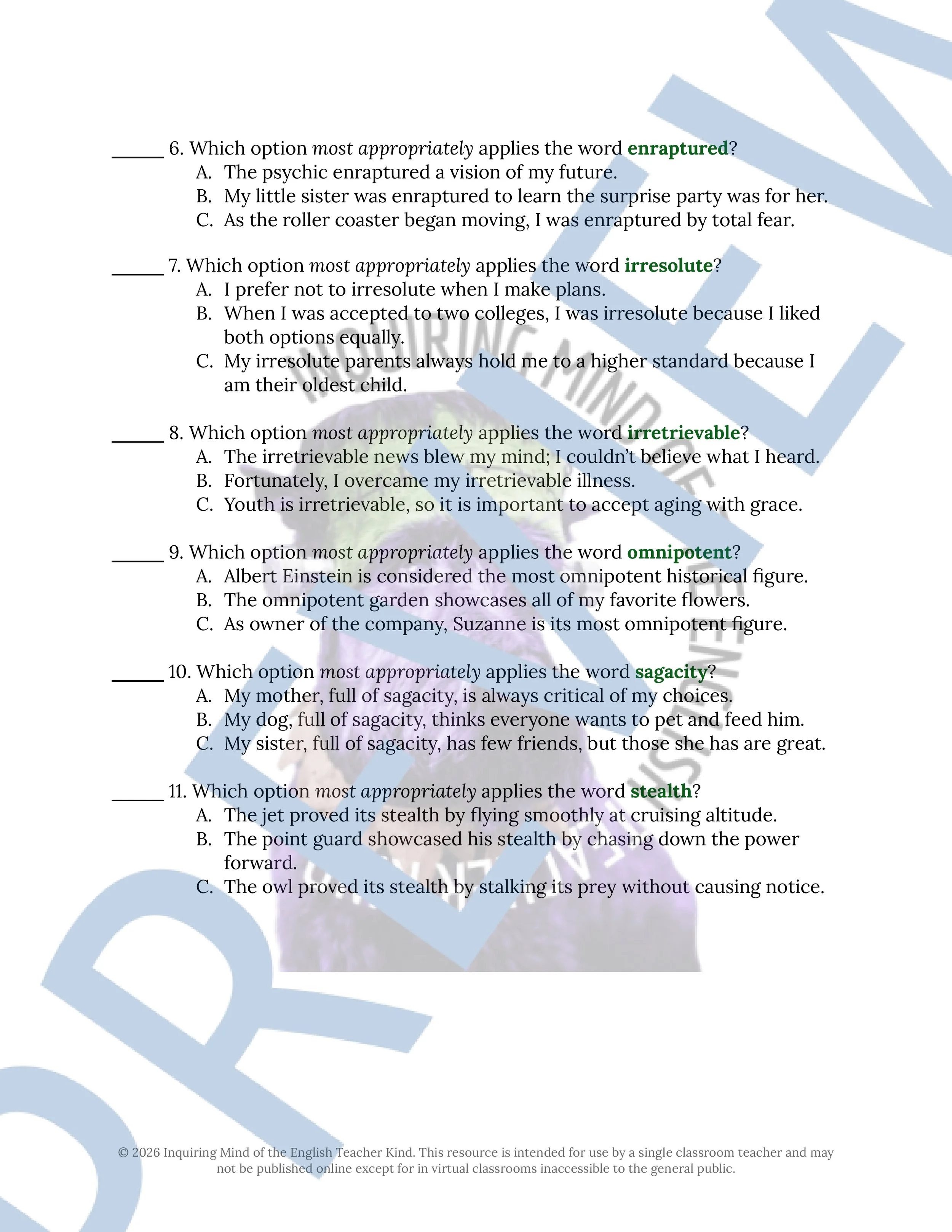 Image 63 of 100
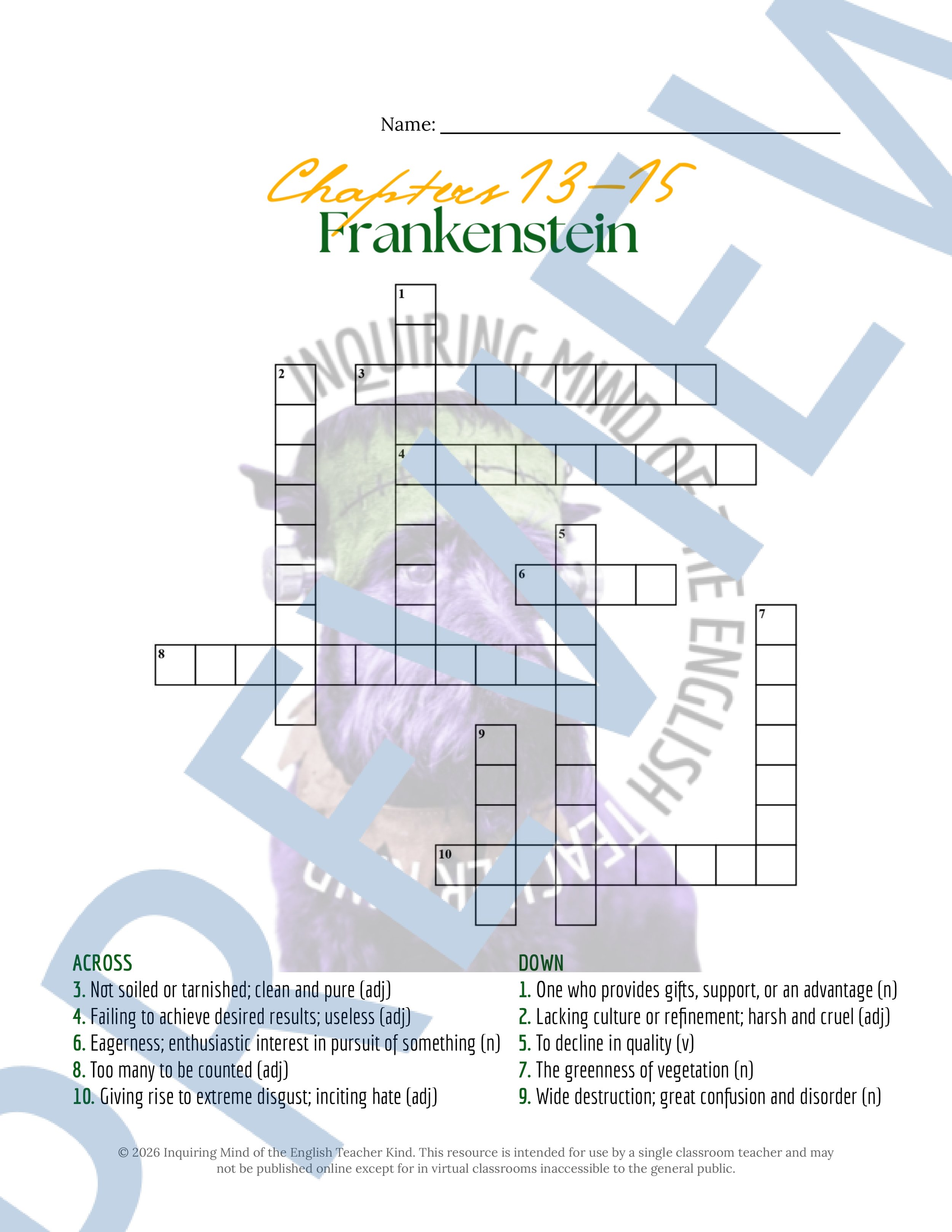 Image 64 of 100
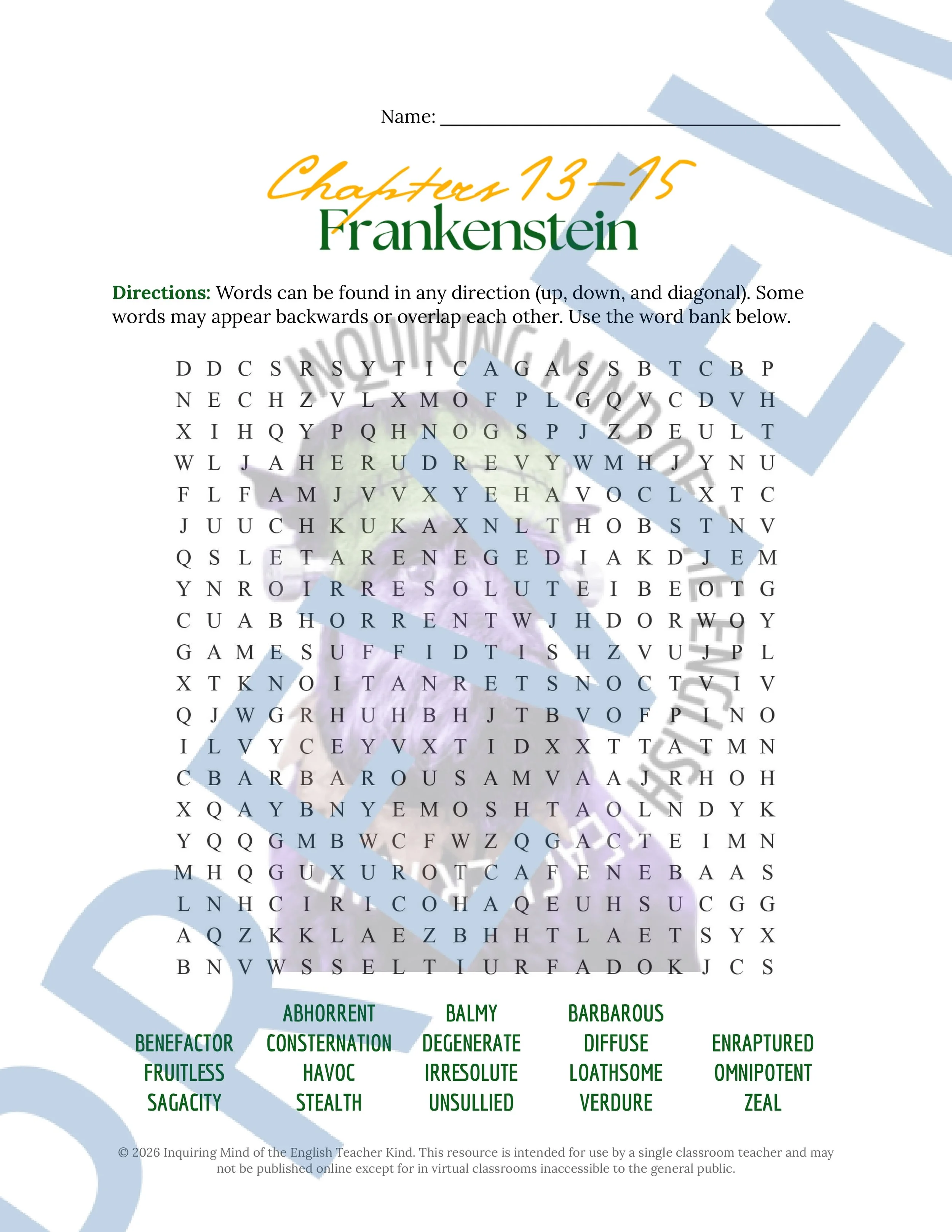 Image 65 of 100
 Image 66 of 100
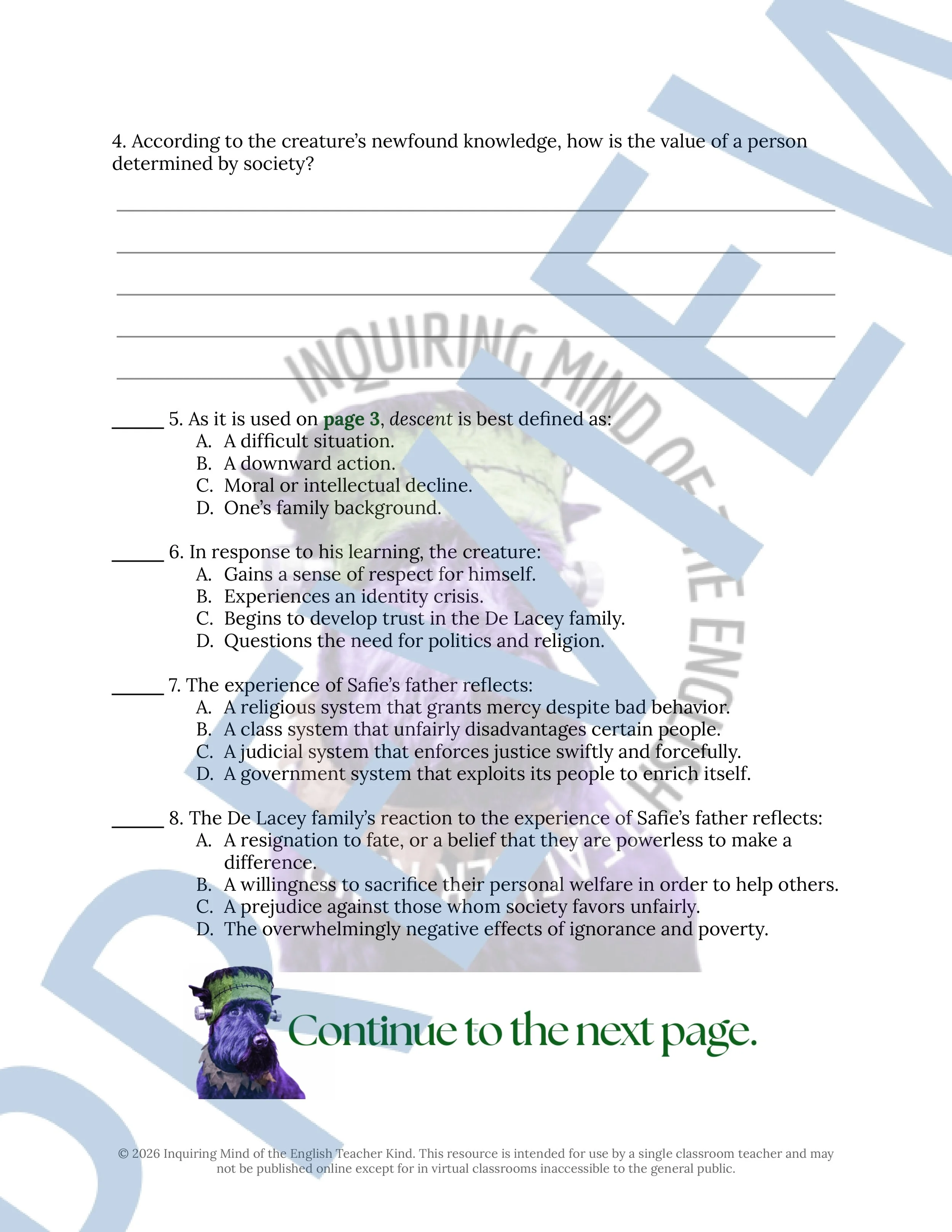 Image 67 of 100
 Image 68 of 100
 Image 69 of 100
 Image 70 of 100
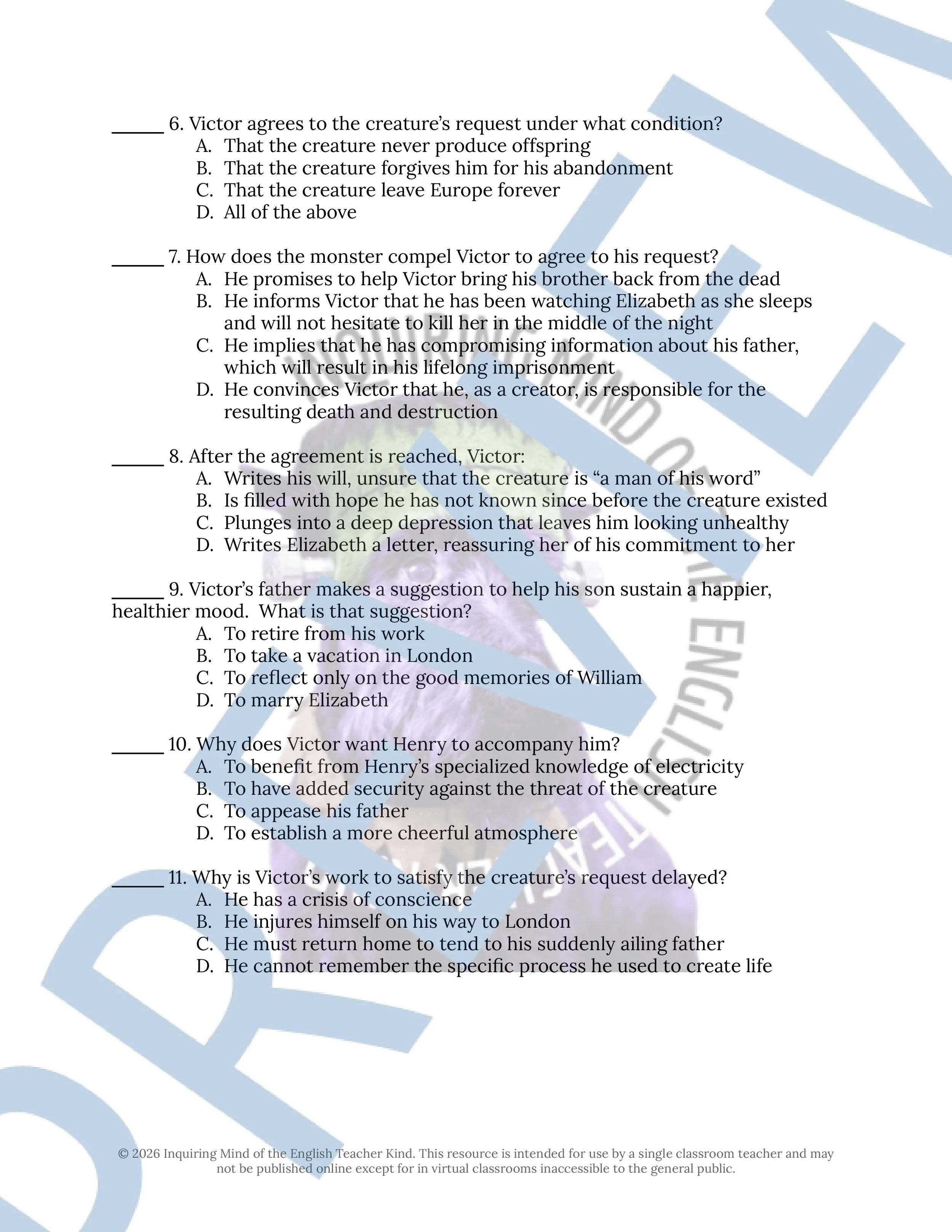 Image 71 of 100
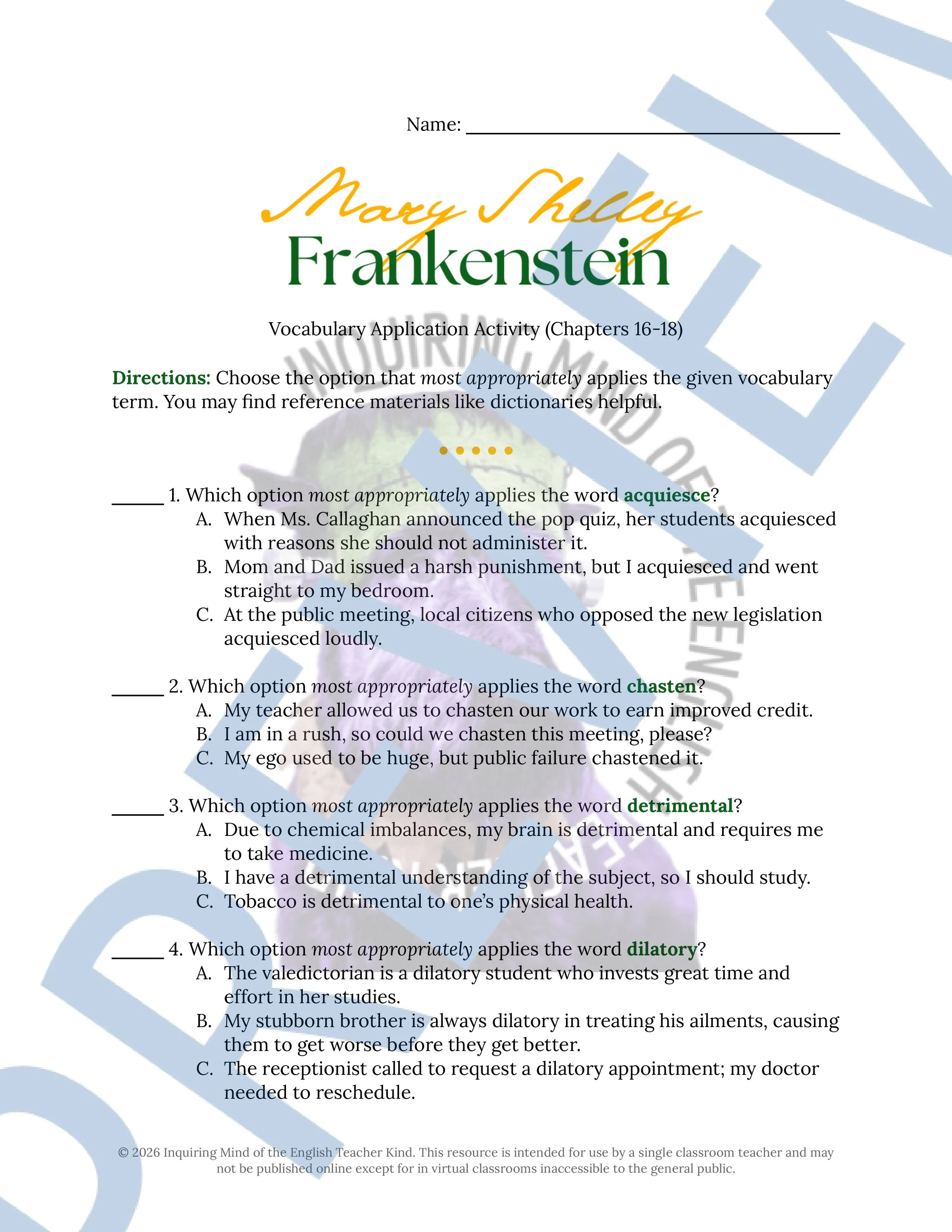 Image 72 of 100
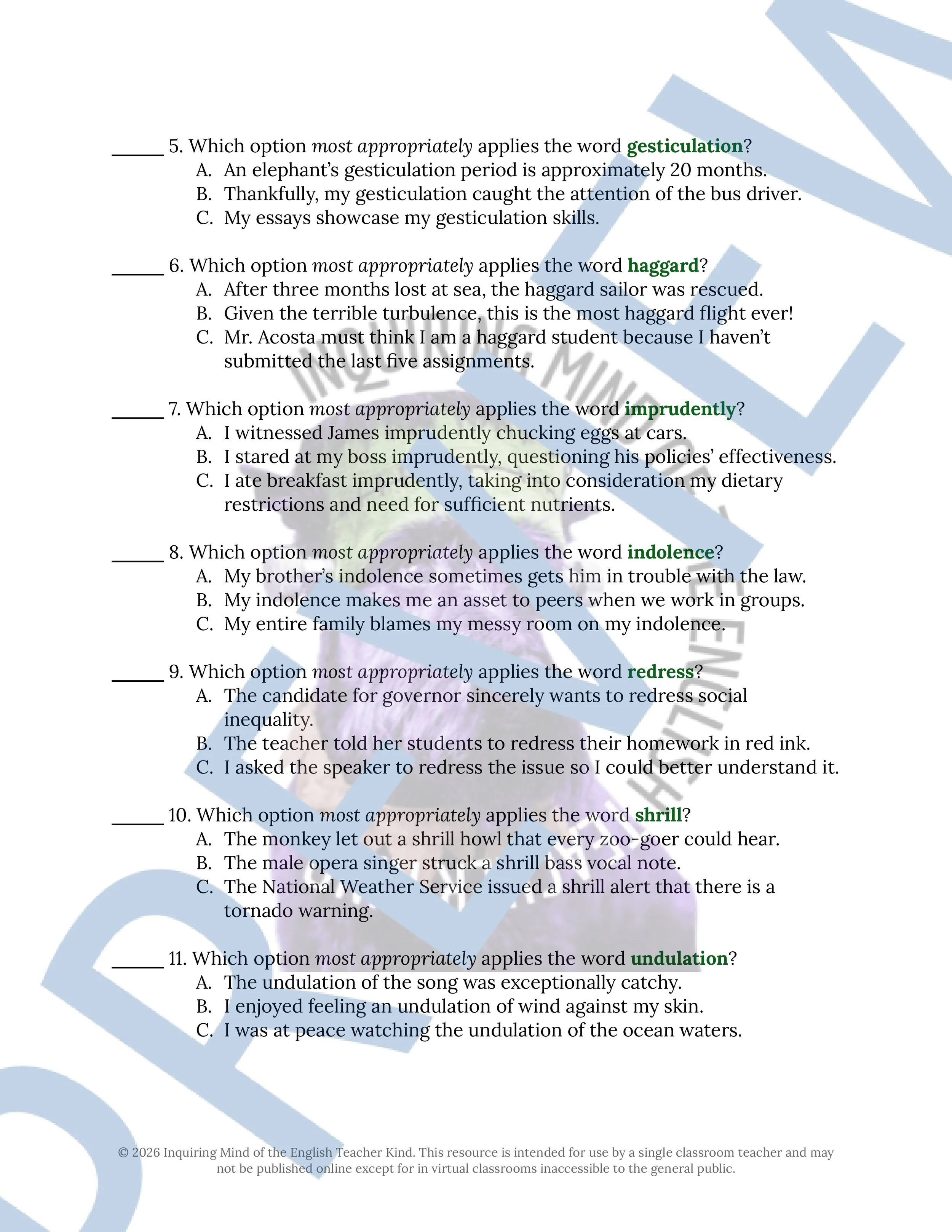 Image 73 of 100
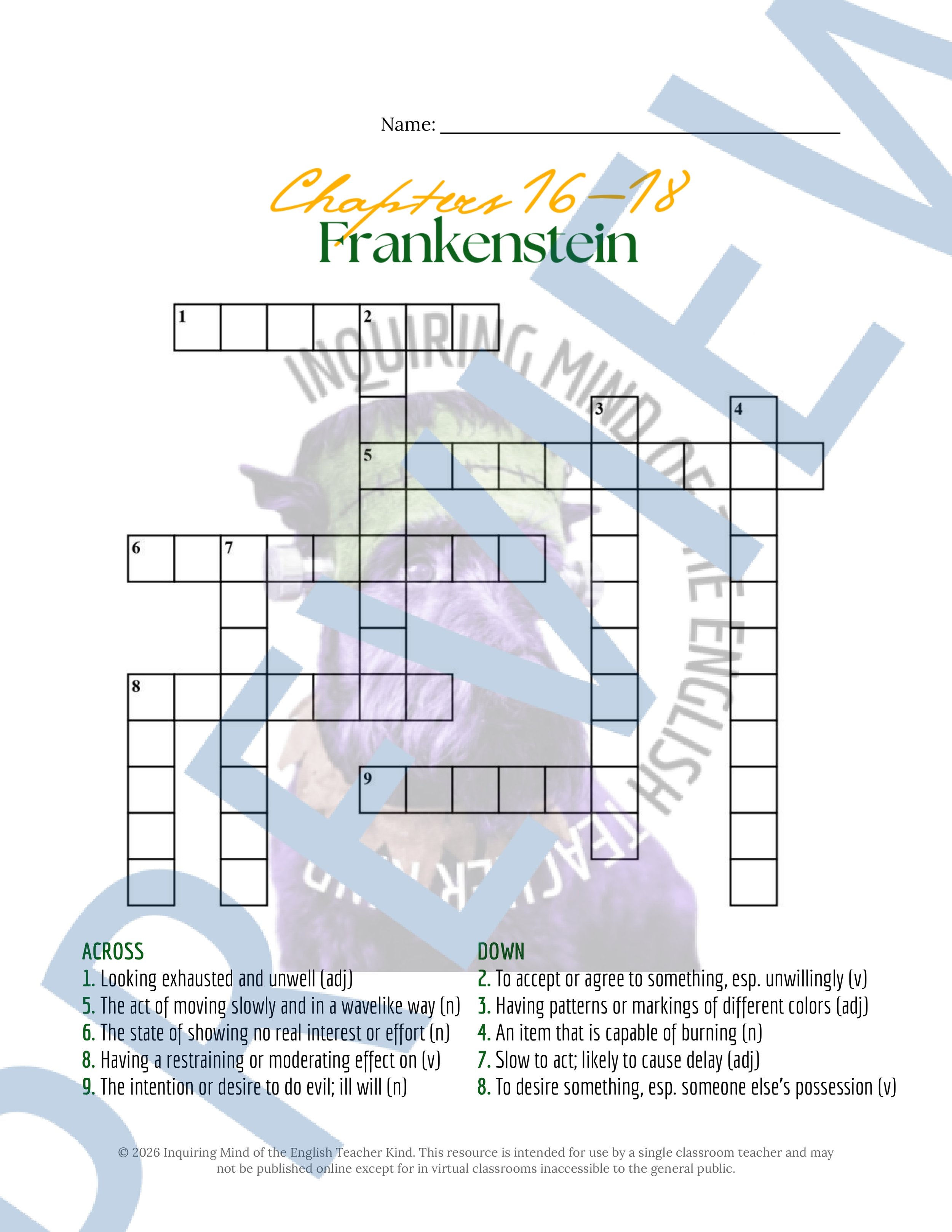 Image 74 of 100
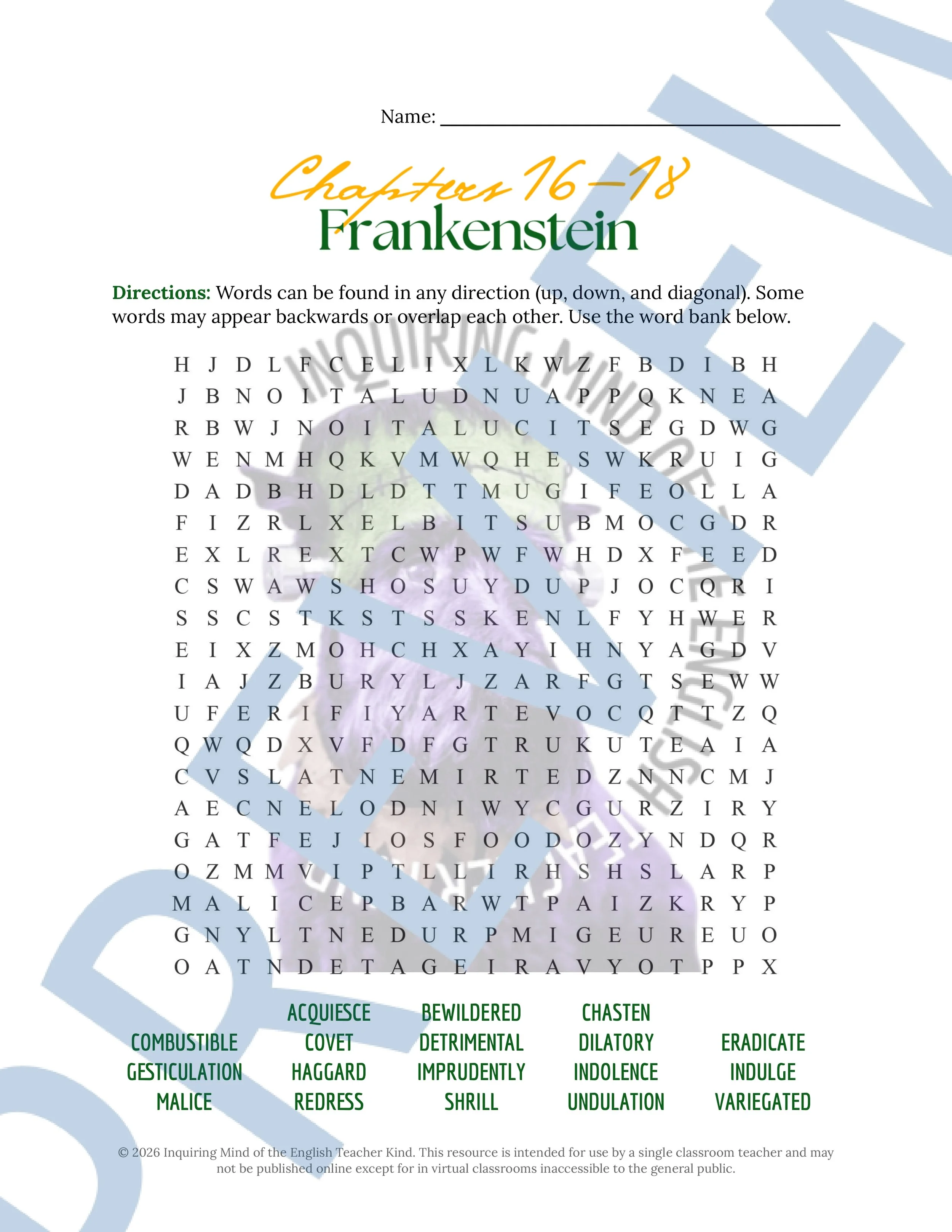 Image 75 of 100
 Image 76 of 100
 Image 77 of 100
 Image 78 of 100
 Image 79 of 100
 Image 80 of 100
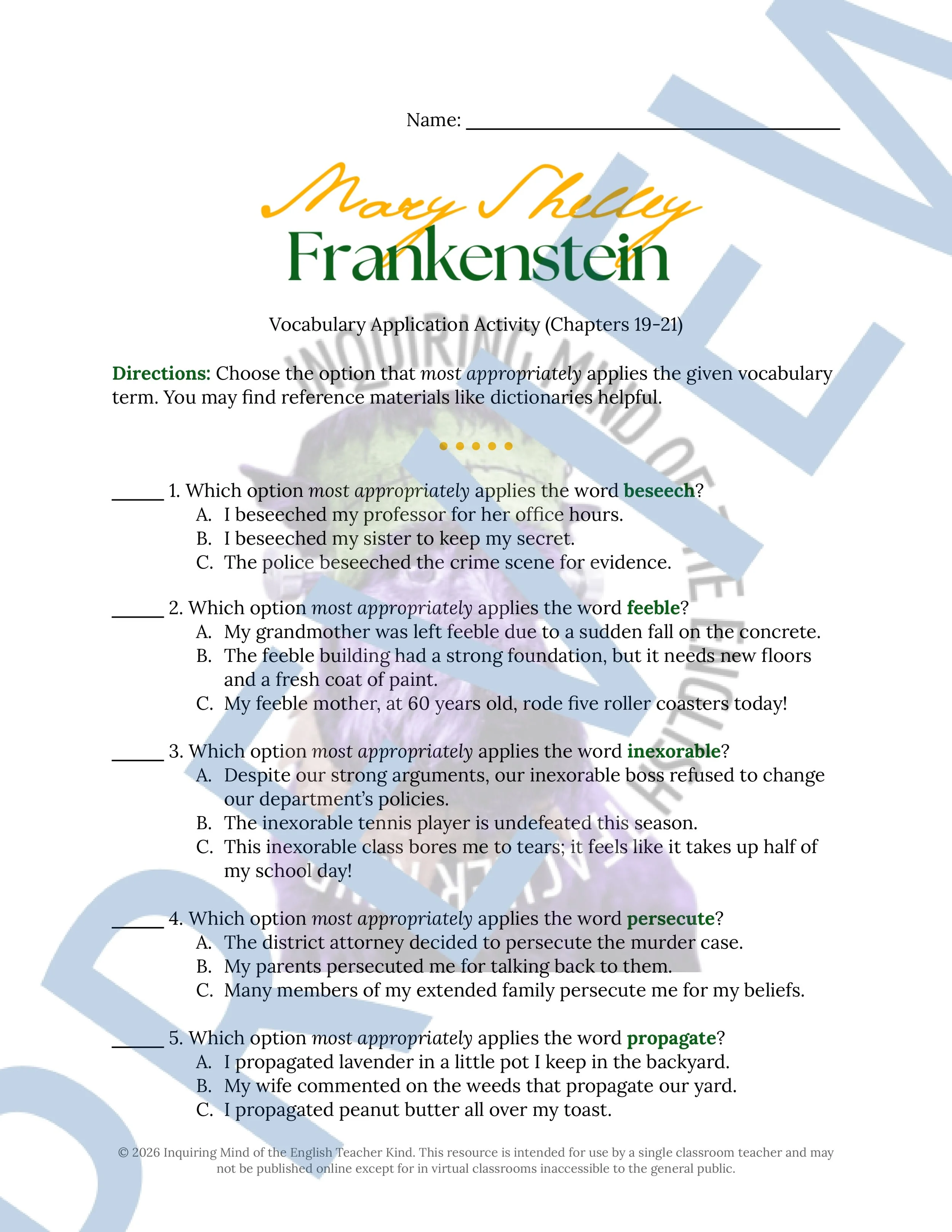 Image 81 of 100
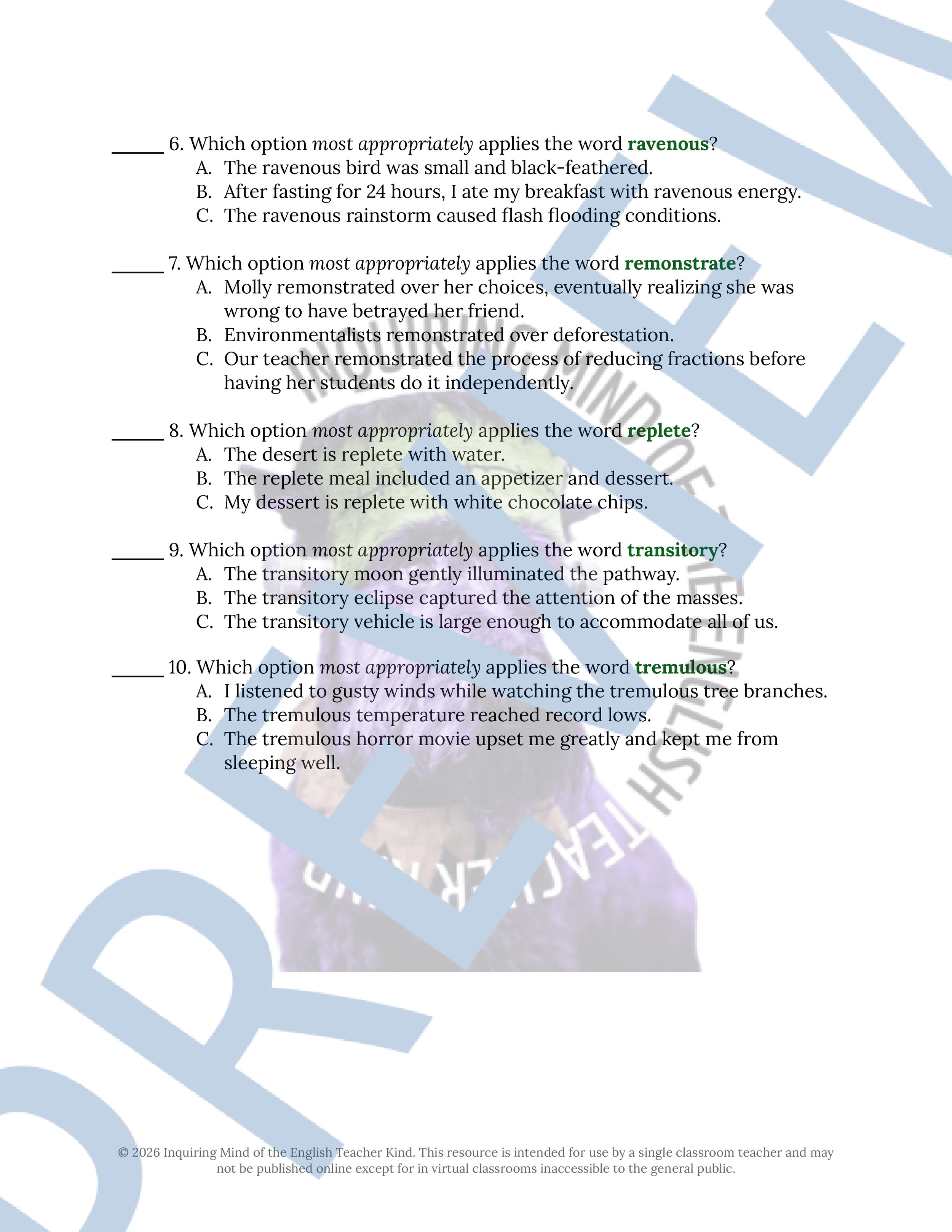 Image 82 of 100
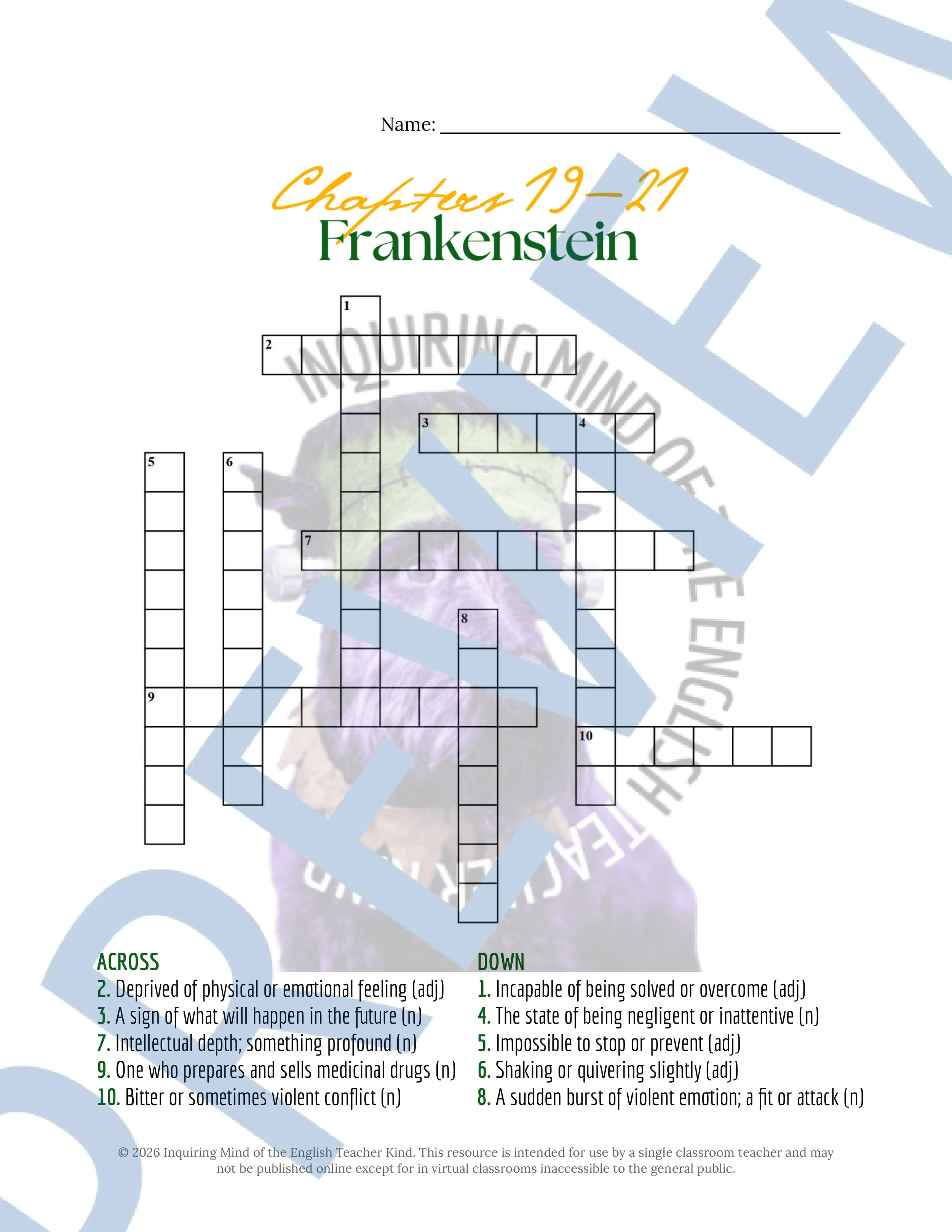 Image 83 of 100
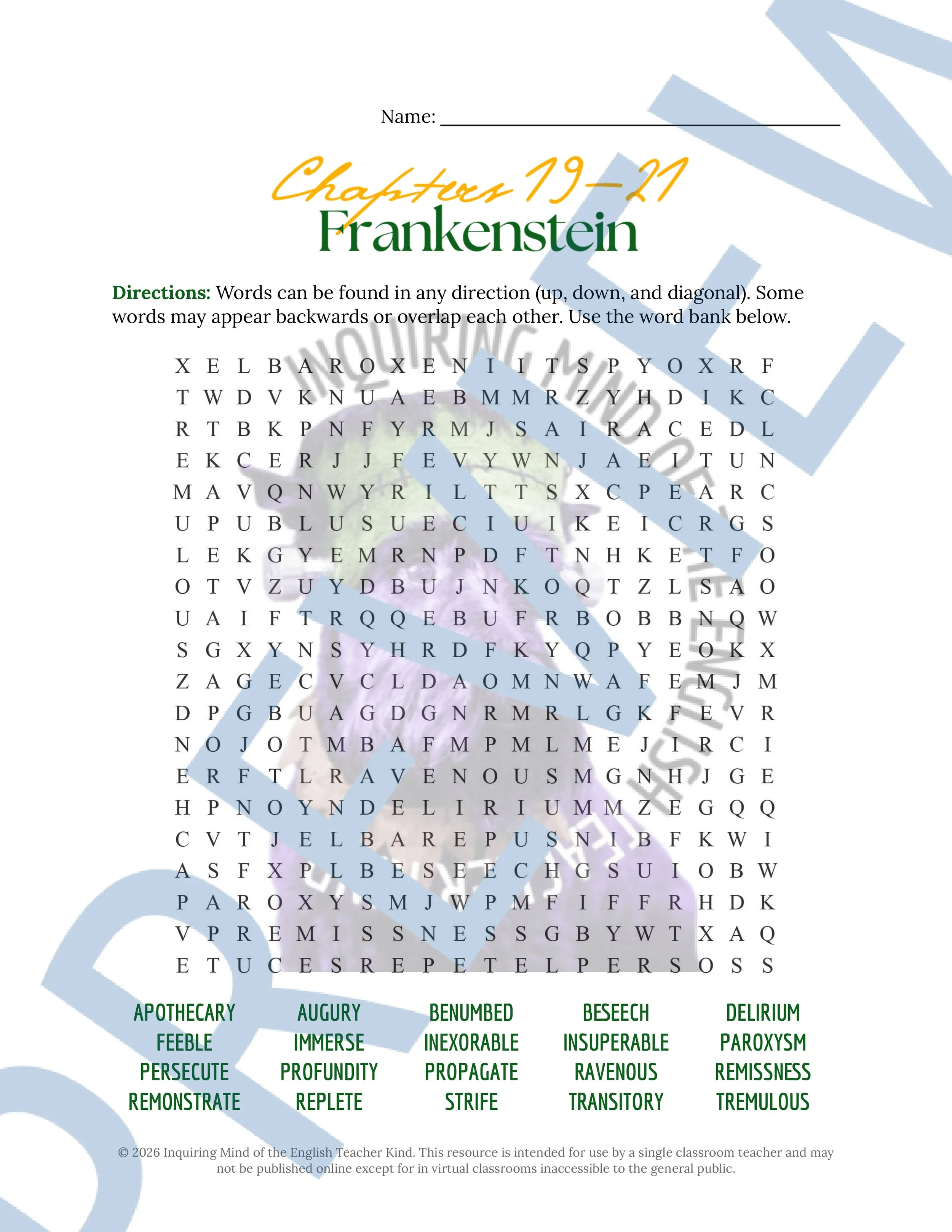 Image 84 of 100
 Image 85 of 100
 Image 86 of 100
 Image 87 of 100
 Image 88 of 100
 Image 89 of 100
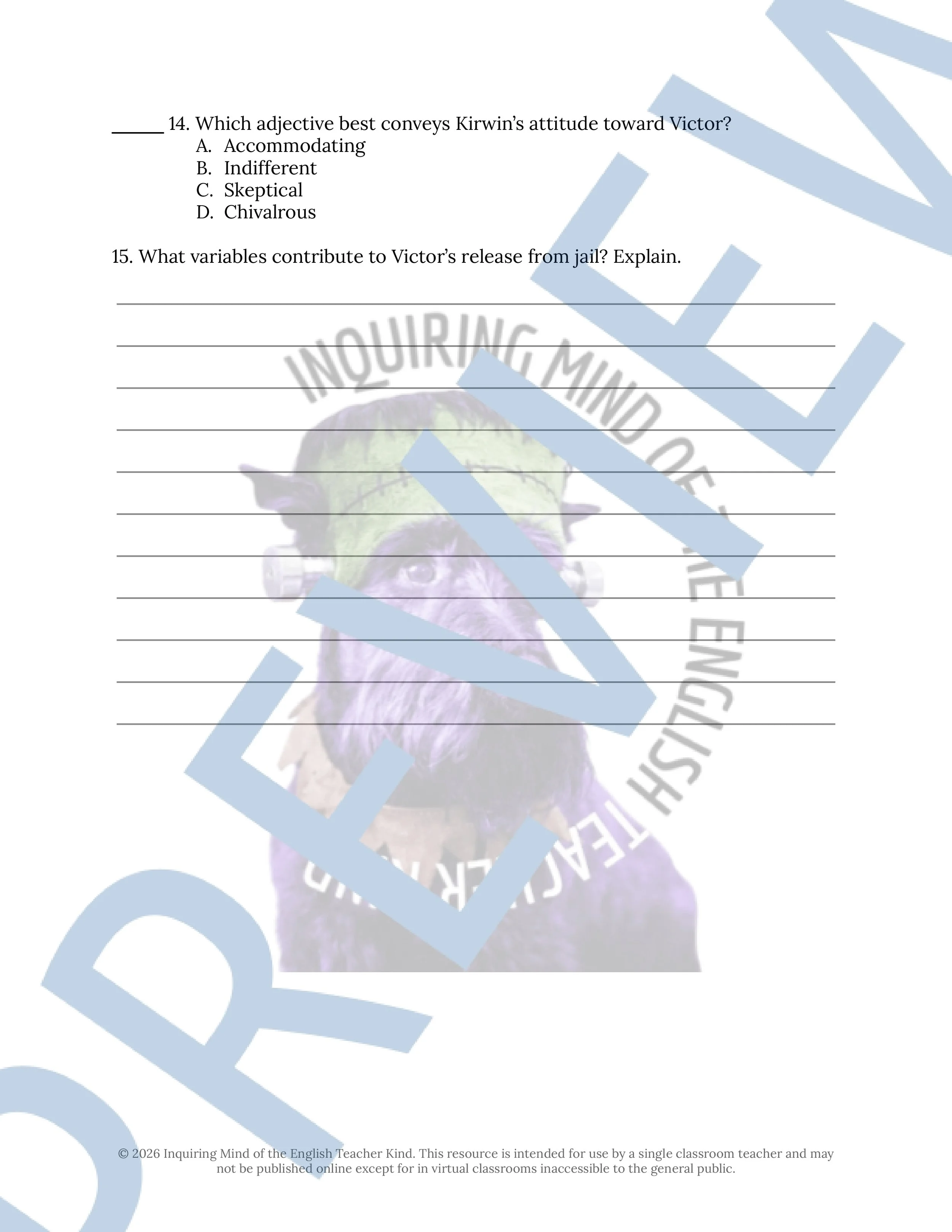 Image 90 of 100
 Image 91 of 100
 Image 92 of 100
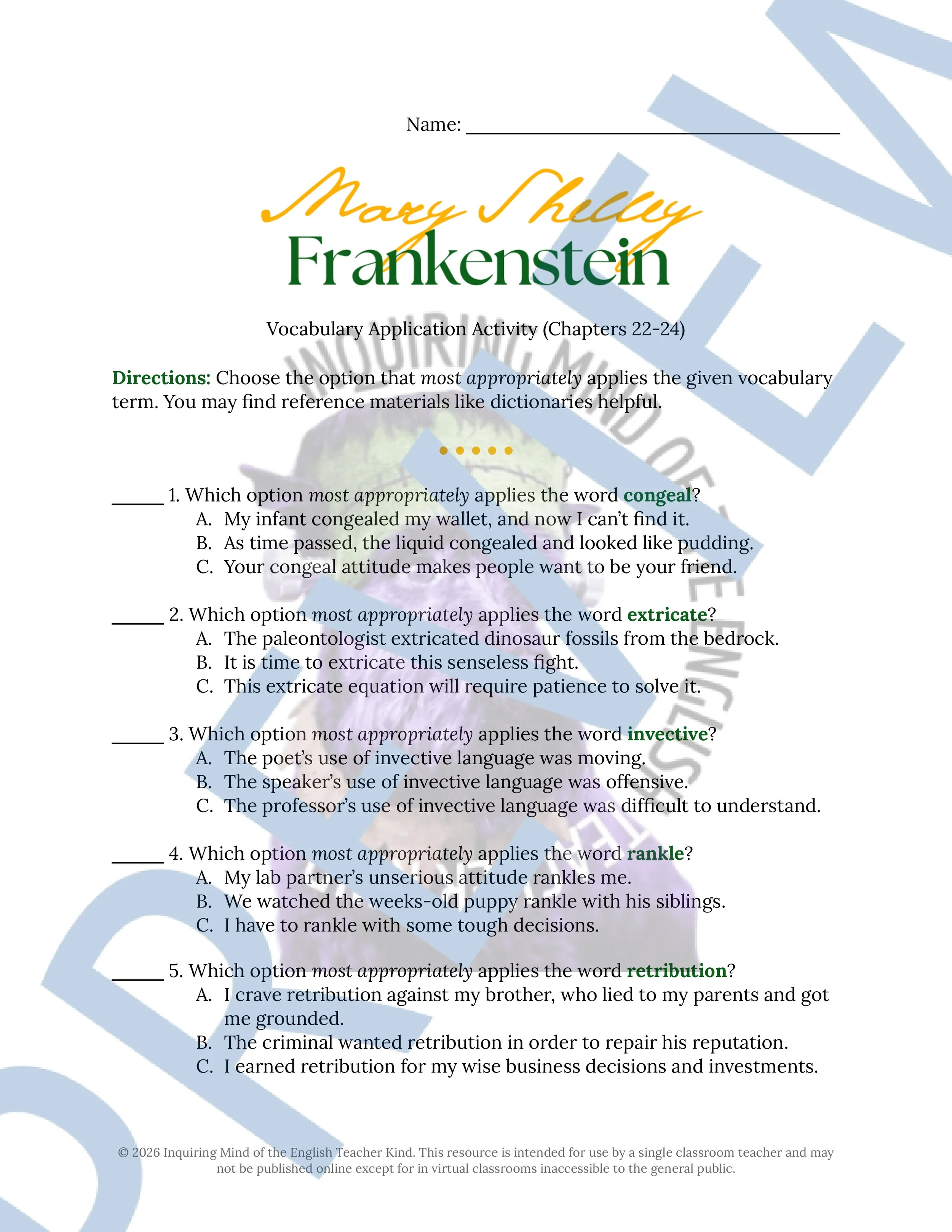 Image 93 of 100
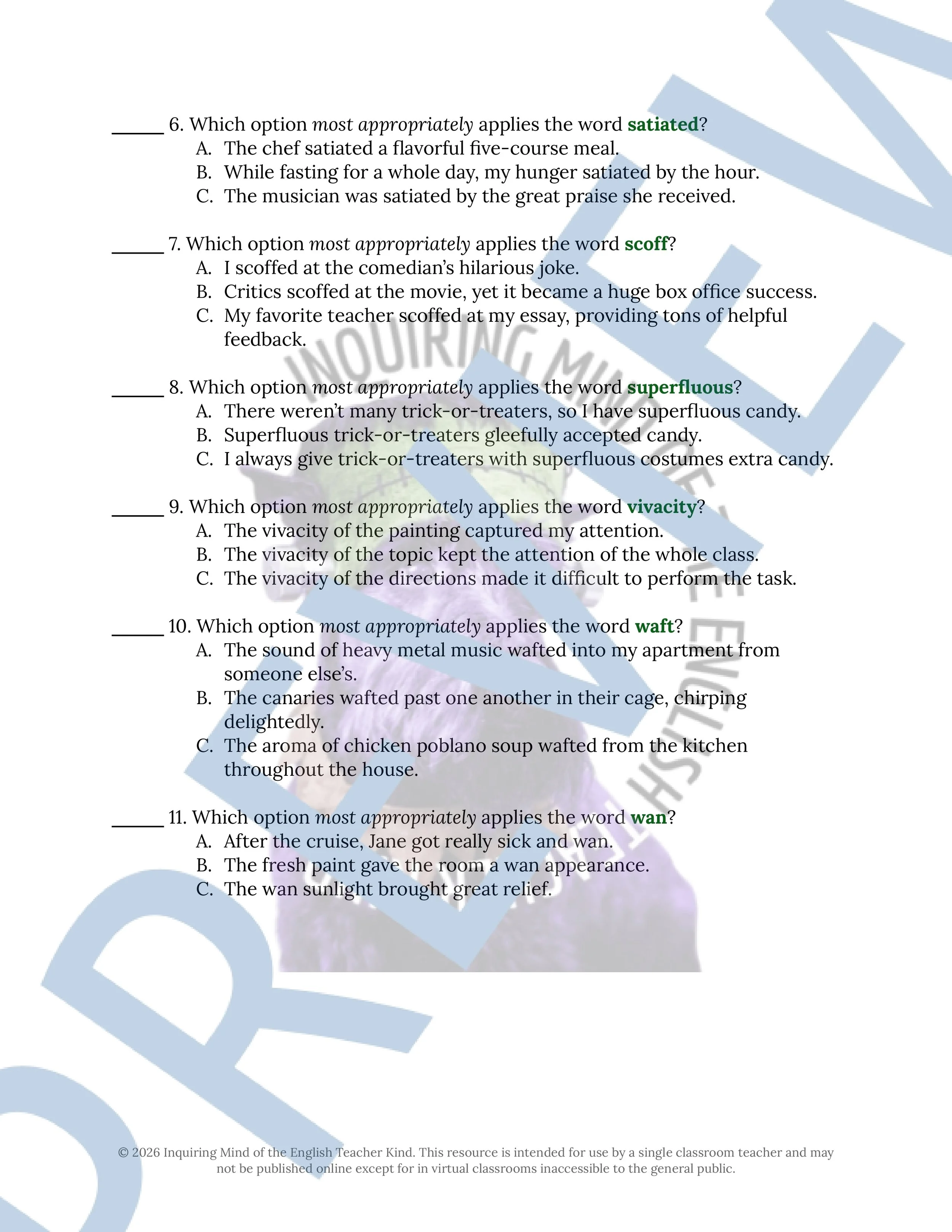 Image 94 of 100
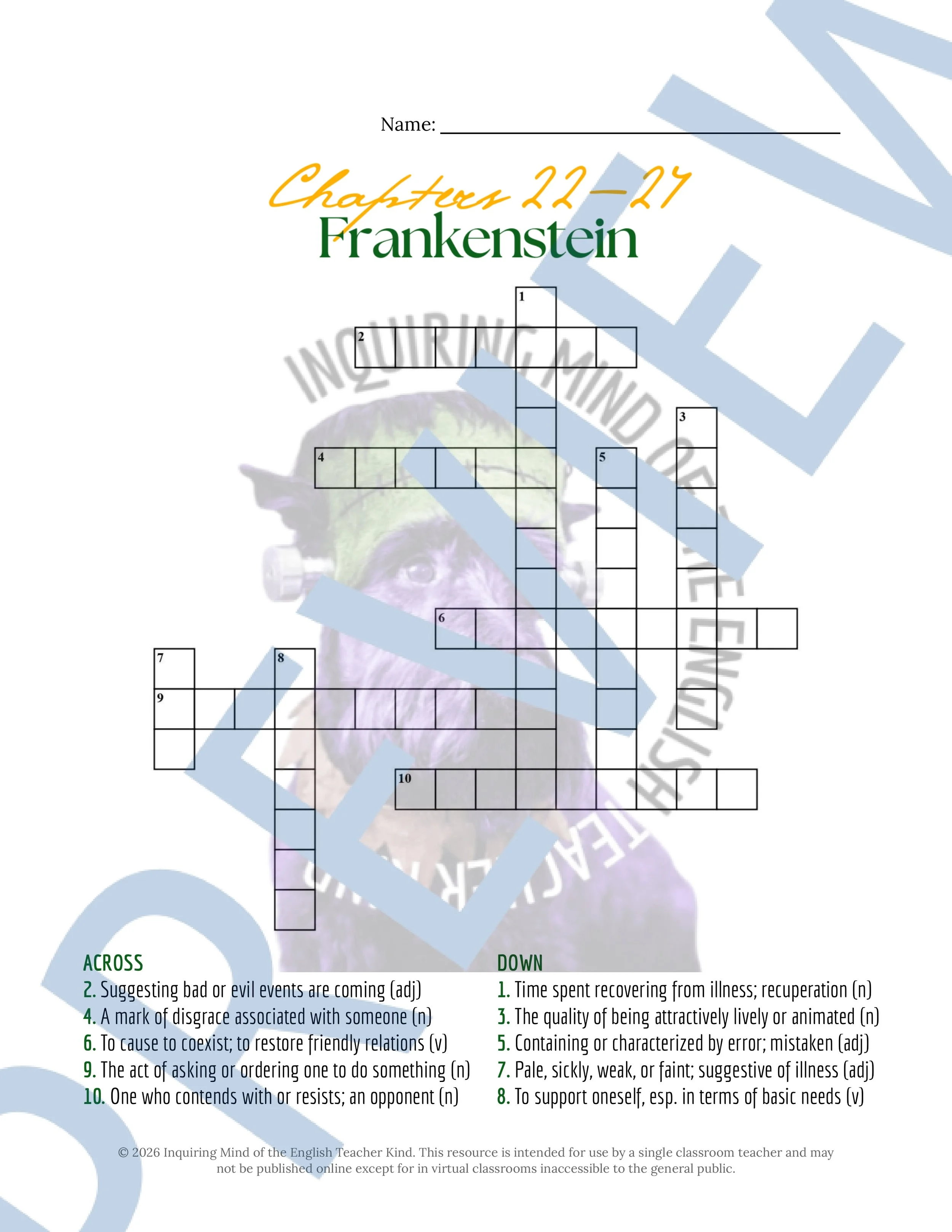 Image 95 of 100
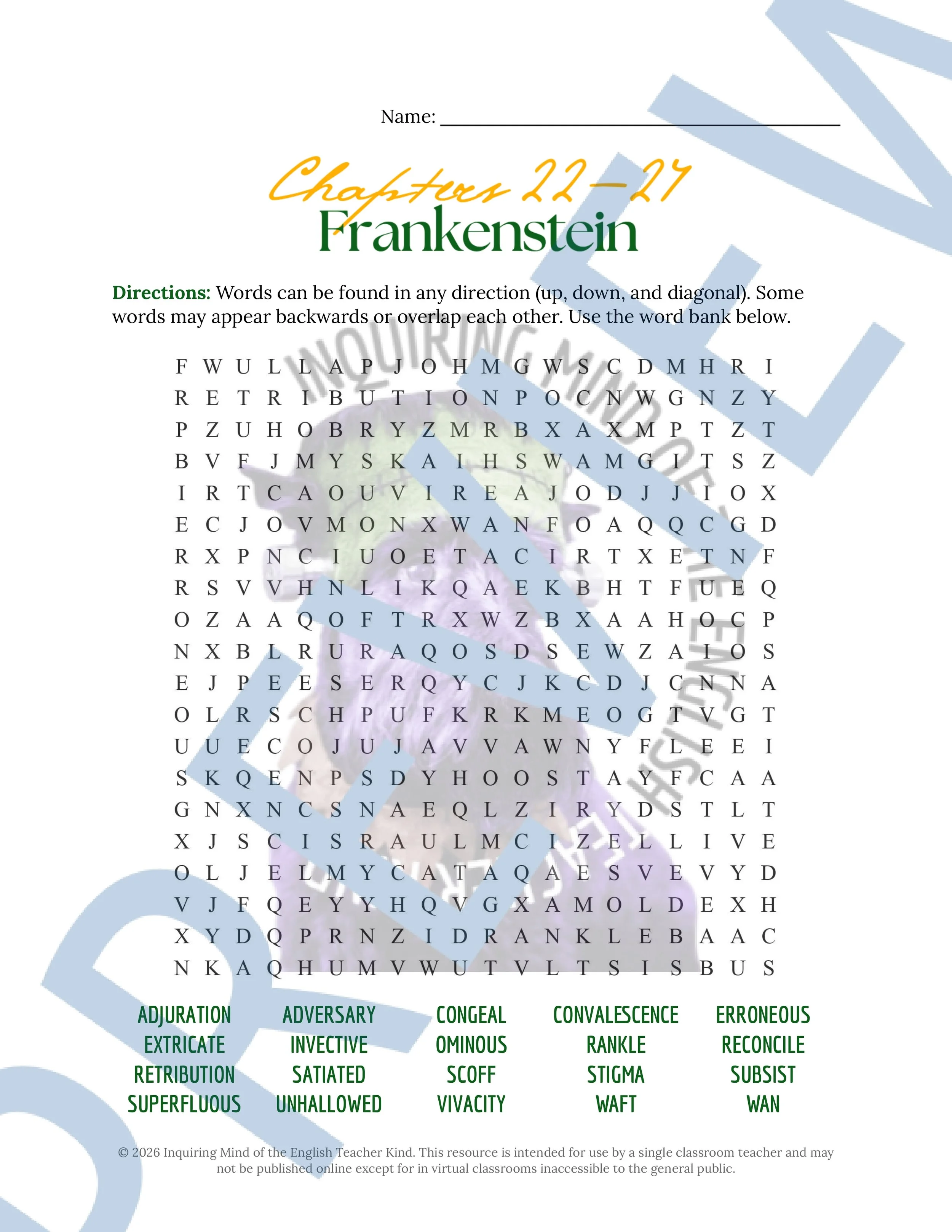 Image 96 of 100
 Image 97 of 100
 Image 98 of 100
 Image 99 of 100
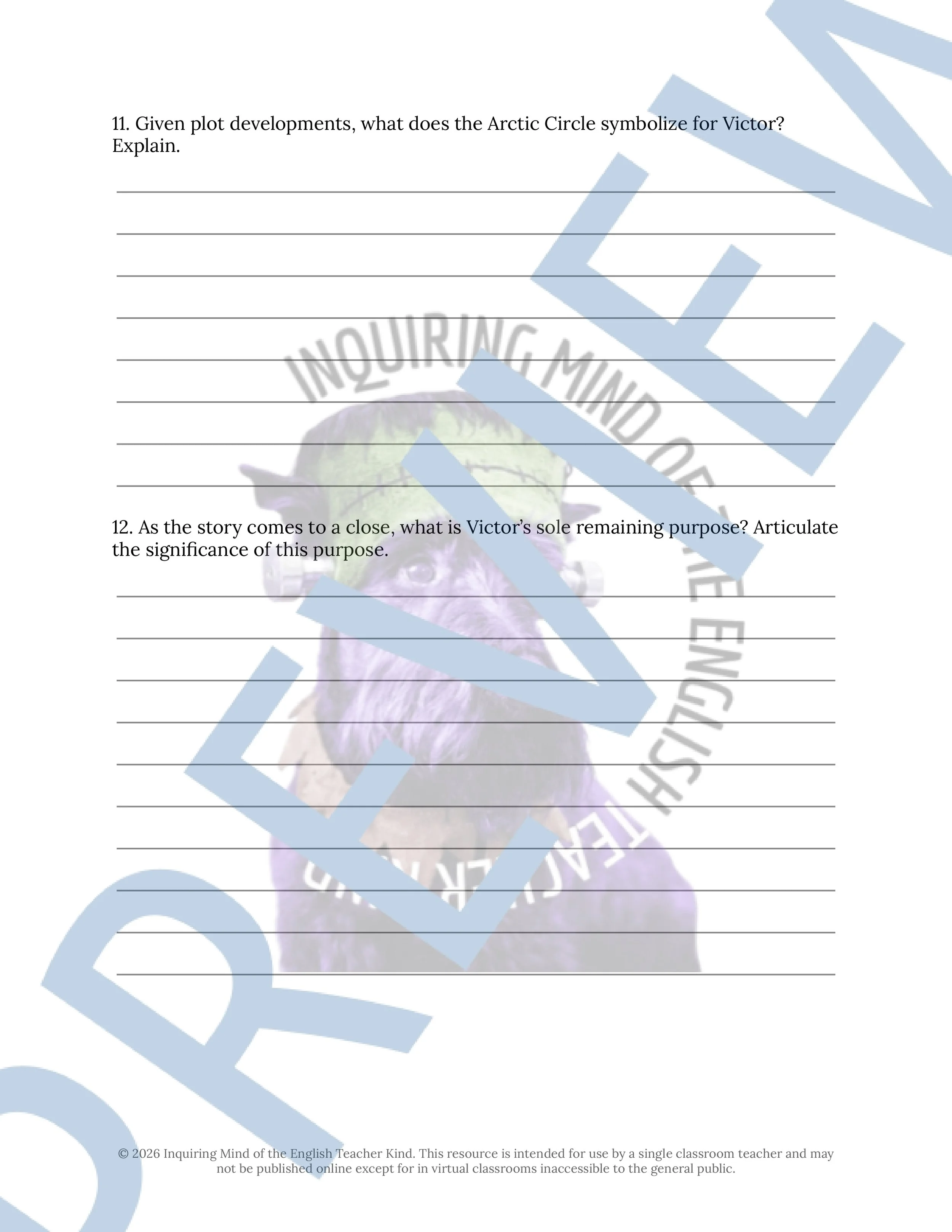 Image 100 of 100