 Image 1 of 38
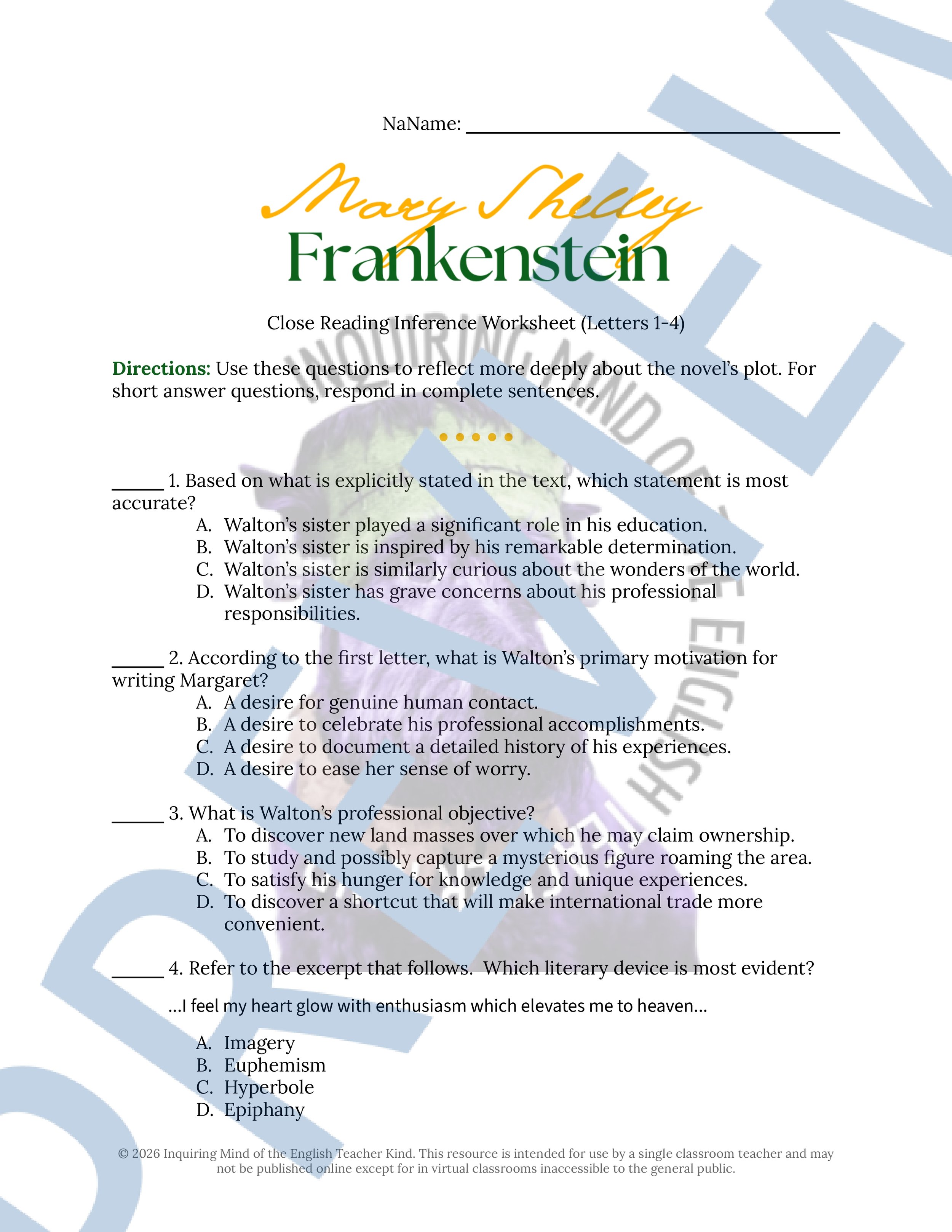 Image 2 of 38
 Image 3 of 38
 Image 4 of 38
 Image 5 of 38
 Image 6 of 38
 Image 7 of 38
 Image 8 of 38
 Image 9 of 38
 Image 10 of 38
 Image 11 of 38
 Image 12 of 38
 Image 13 of 38
 Image 14 of 38
 Image 15 of 38
 Image 16 of 38
 Image 17 of 38
 Image 18 of 38
 Image 19 of 38
 Image 20 of 38
 Image 21 of 38
 Image 22 of 38
 Image 23 of 38
 Image 24 of 38
 Image 25 of 38
 Image 26 of 38
 Image 27 of 38
 Image 28 of 38
 Image 29 of 38
 Image 30 of 38
 Image 31 of 38
 Image 32 of 38
 Image 33 of 38
 Image 34 of 38
 Image 35 of 38
 Image 36 of 38
 Image 37 of 38
 Image 38 of 38
Frankenstein by Mary Shelley Literary Analysis Worksheets | British Literature | Gothic Fiction
Sale Price:
$21.60
Original Price:
$27.00
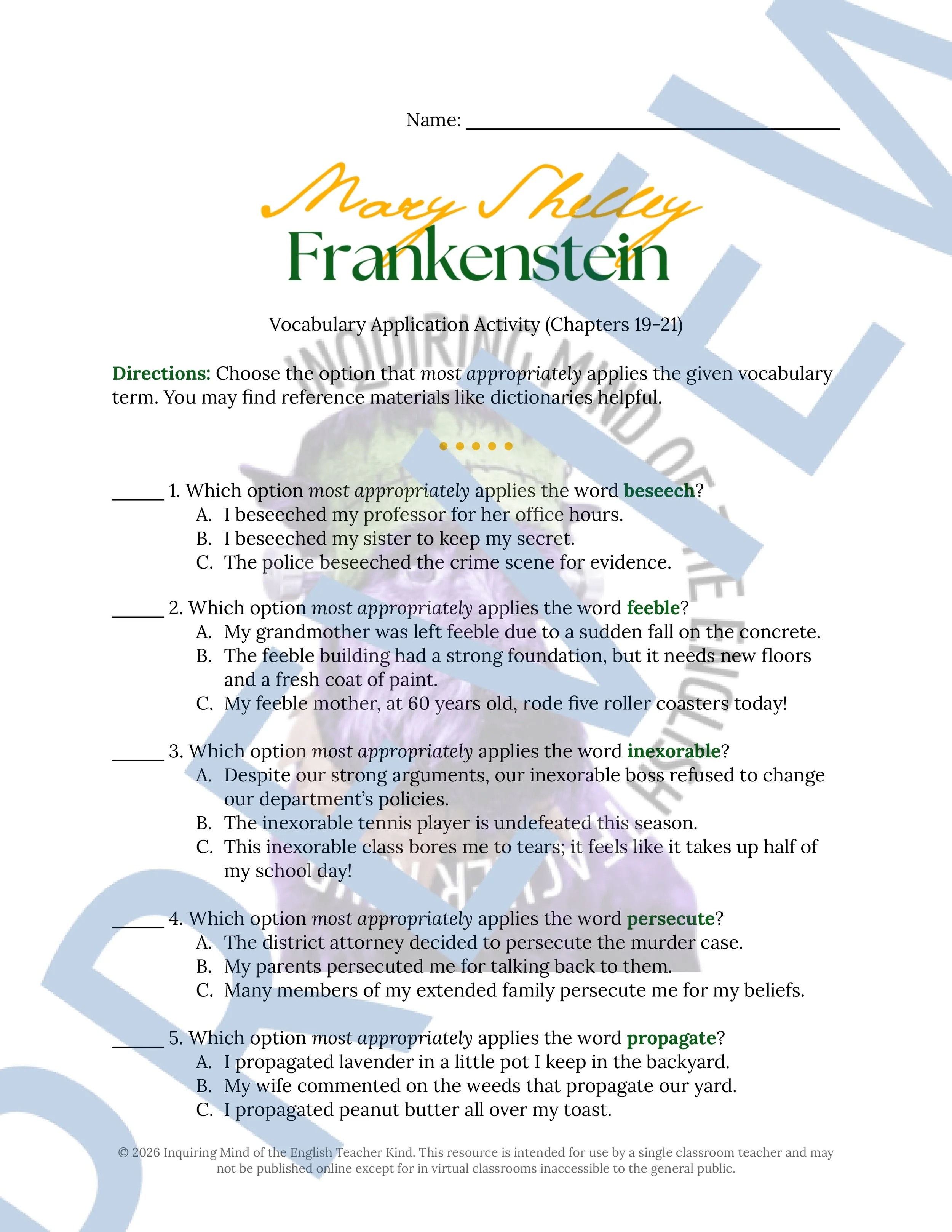
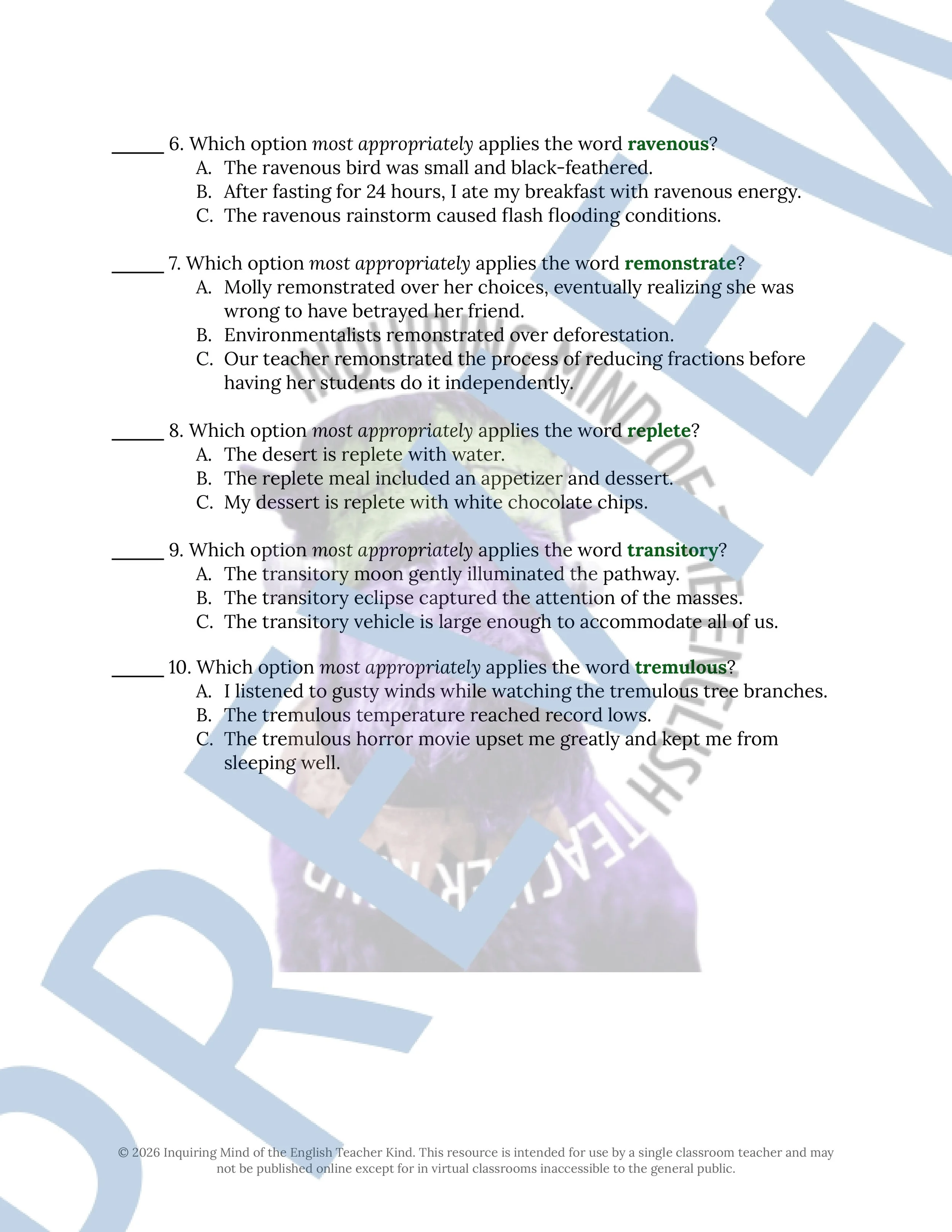
Frankenstein by Mary Shelley Vocabulary Activities | Crossword Puzzles | Word Searches
Sale Price:
$19.20
Original Price:
$24.00
Frankenstein by Mary Shelley Quiz and Answer Key Bundle | Reading Worksheets
Sale Price:
$12.80
Original Price:
$16.00
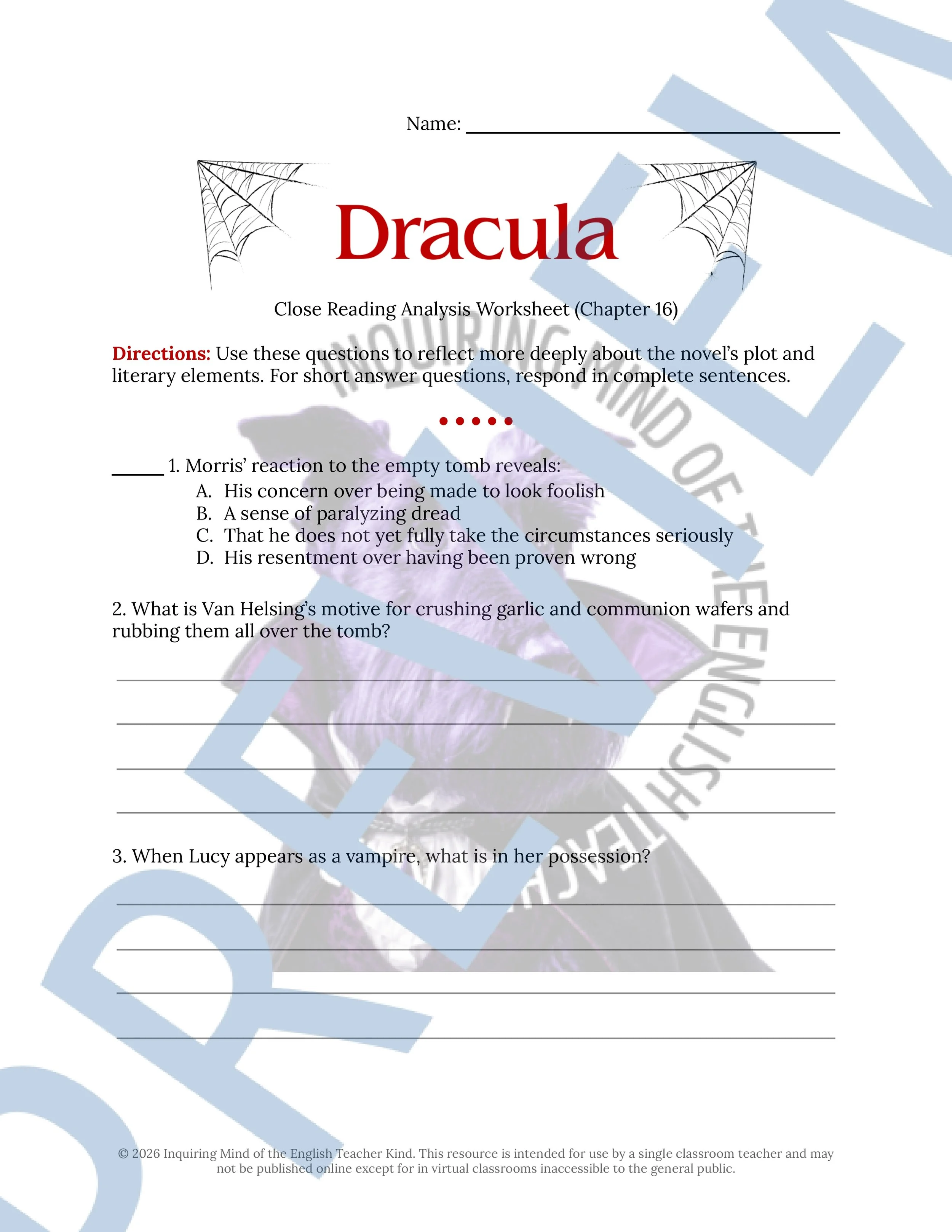
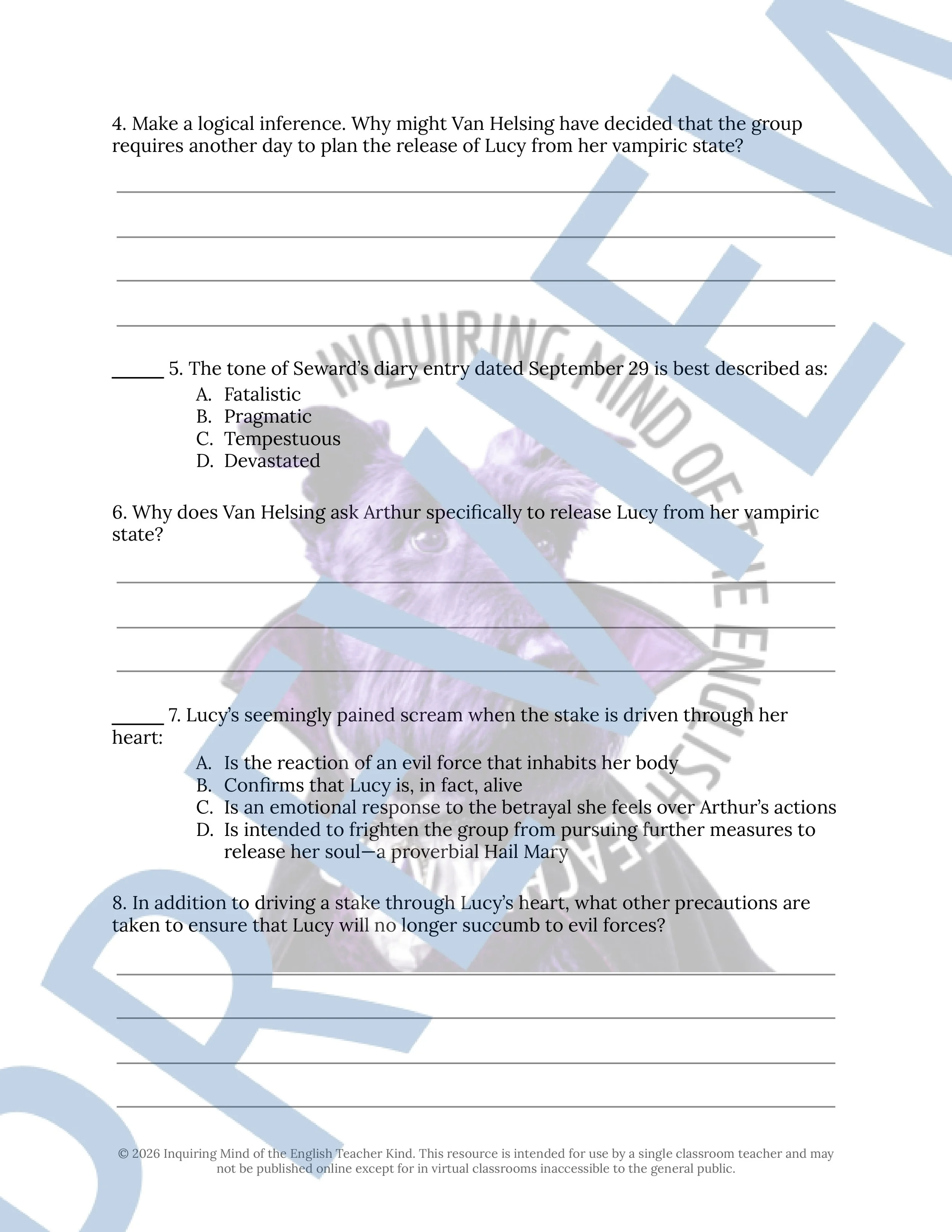
Preview this resource:
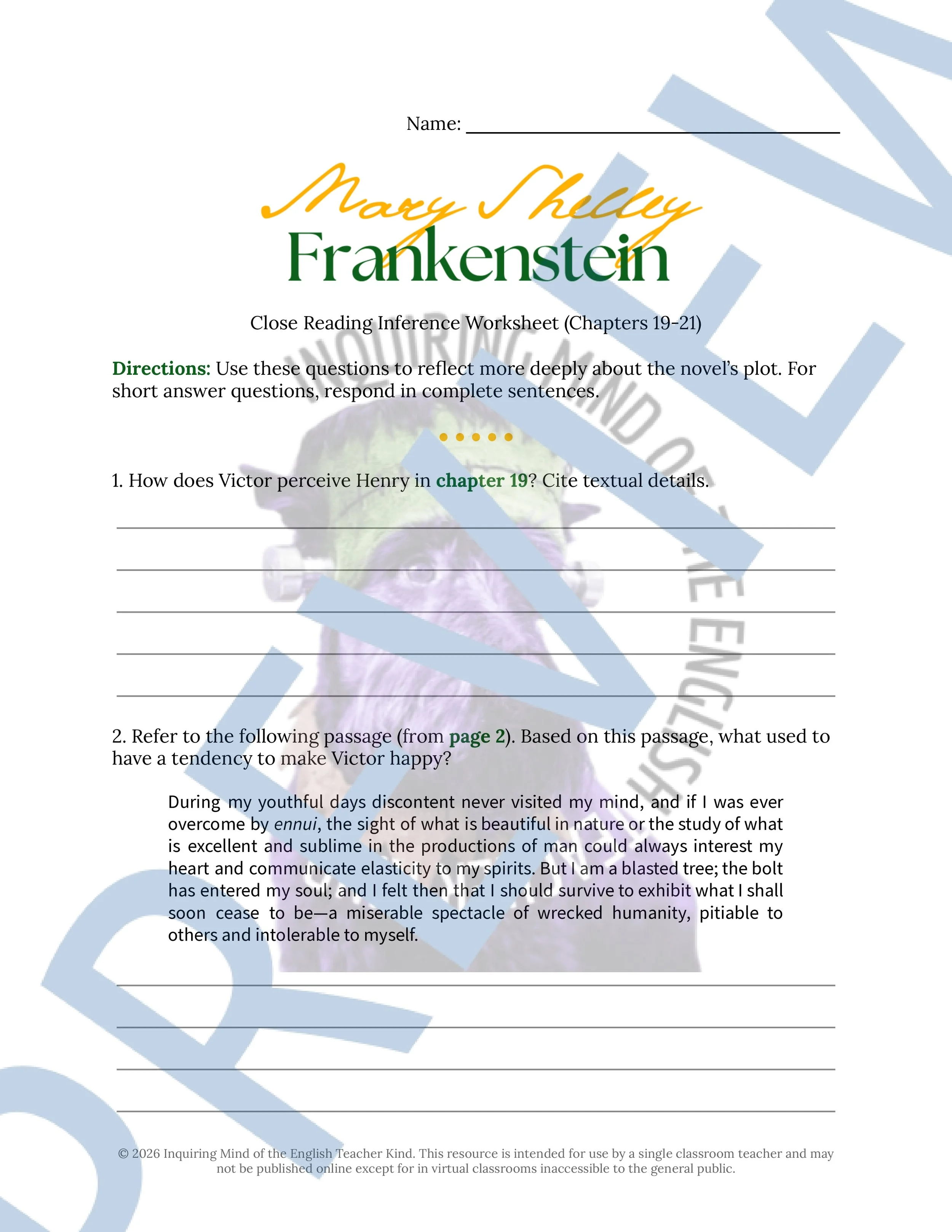
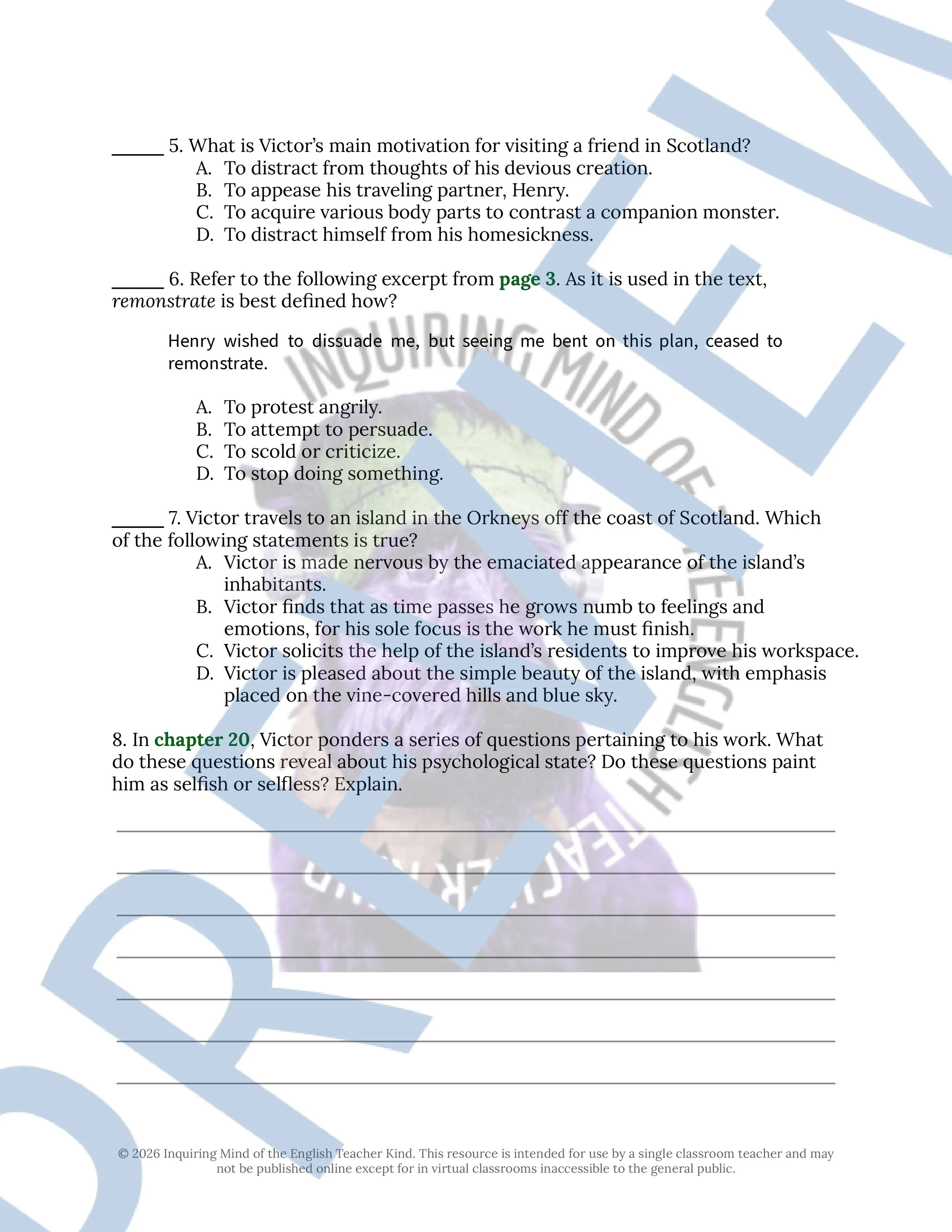
Help high schoolers go beyond basic comprehension and develop critical thinking and literary analysis skills with these close reading worksheets on Mary Shelley's Gothic science fiction novel Frankenstein. Ideal for British Literature and Freshman English courses, the activities guide students through rigorous, text-based questions, pushing them to explore characterization, plot development, literary elements, and more.